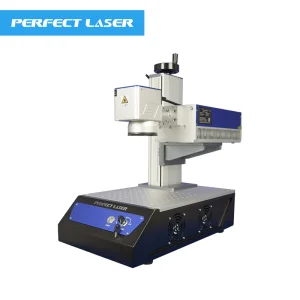
Deploying high-speed, zero-heat thermal marking solutions for PET, glass, electronics, and sensitive plastics.
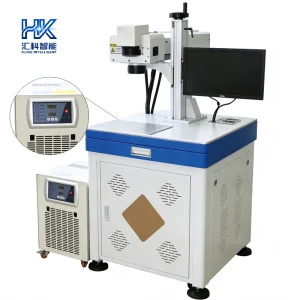
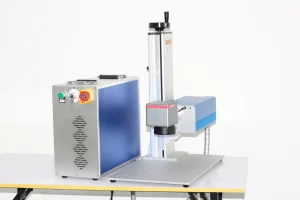

As Ghana establishes itself as a pivotal commercial hub within the African Continental Free Trade Area (AfCFTA), the nation's industrial landscape is transitioning rapidly from basic production to advanced manufacturing. Within industrial zones like Tema, North Industrial Area in Accra, and Kumasi, manufacturing plants are upgrading their lines to comply with strict international regulatory framework standards. Regulatory bodies such as the Food and Drugs Authority (FDA) Ghana and the Ghana Standards Authority (GSA) are progressively mandating clear, indelible batch numbers, QR codes, manufacturing dates, and barcoding for public safety and anti-counterfeiting tracking.
Traditional marking methods—such as CIJ (Continuous Inkjet) printing—pose significant operational challenges for Ghanaian factories. Inkjet printers consume costly inks and solvents, suffer from frequent nozzle clogs in dusty environments, and are easily wiped off plastic films and glass bottles. This has paved the way for the emergence of 355nm UV Laser Marking Technology. Known as "cold marking", UV lasers utilize photochemical interaction rather than heat to mark materials, providing permanent, high-contrast marks on high-density polyethylene (HDPE), PET, pharmaceutical blister cards, and glass packaging without compromising material integrity.
A comprehensive technical comparison highlighting why UV lasers are critical for high-contrast, damage-free markings.
In the global industrial manufacturing space, choosing the appropriate laser wavelength determines production efficiency and material integrity. While Fiber lasers dominate metal engraving and CO2 lasers are optimized for organic materials, UV lasers operate at a unique 355nm wavelength to achieve "cold marking" processes.
| Laser Source Technology | Wavelength | Marking Mechanism | Best Material Compatibility | Thermal Stress Level |
|---|---|---|---|---|
| Fiber Laser | 1064nm (Infrared) | Thermal Ablation / Engraving | Stainless Steel, Brass, Carbon Steel, Dark Plastics | High (Melting & Vaporization) |
| CO2 Laser | 10.6µm (Far-Infrared) | Thermal Burning / Melting | Wood, Acrylic, Paper, Leather, Cardboard | High (High heat zone) |
| UV (Ultraviolet) Laser | 355nm (Ultraviolet) | Photolytic / Cold Chemical Ablation | Glass, Silicon, HDPE, PET, ABS, Ceramics, Cable Sheaths | Negligible (Cold Processing) |
The 355nm UV laser breaks molecular bonds directly. This limits the heat-affected zone, preventing micro-cracking in glass and deformation in thin plastic films.
Engineered for high-volume automated packaging lines, flying UV laser markers process date codes in milliseconds on continuous conveyors.
By replacing inks, chemical solvents, filters, and printheads, industrial manufacturers cut routine operational expenditures by up to 85%.
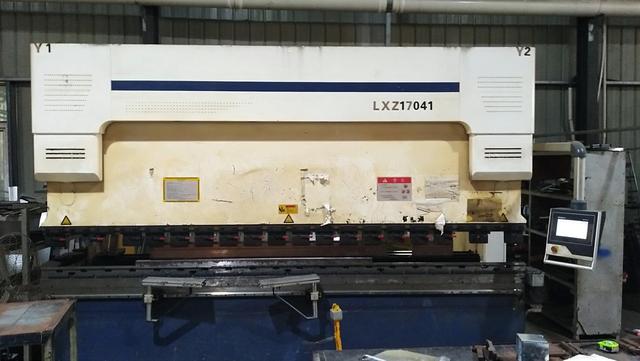
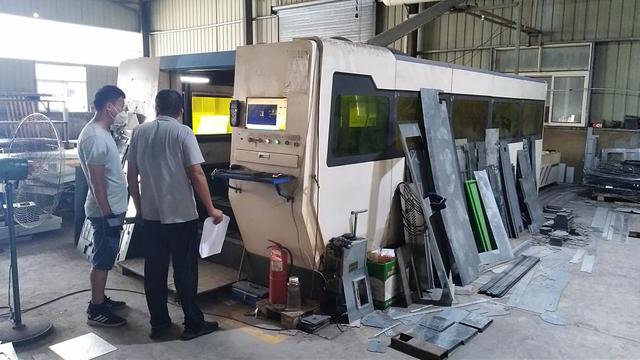
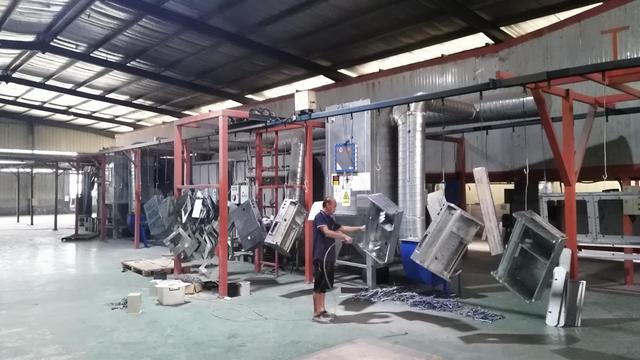
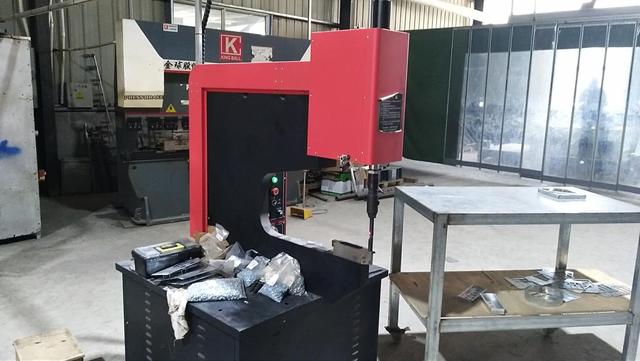
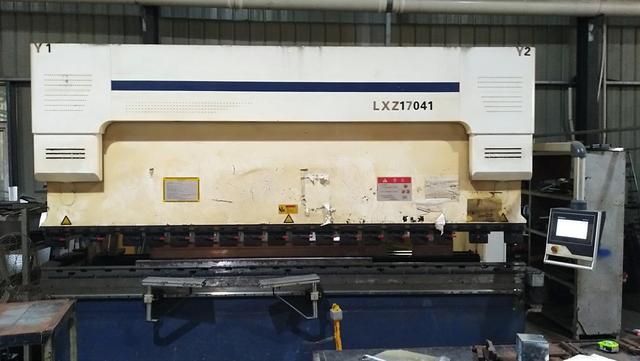
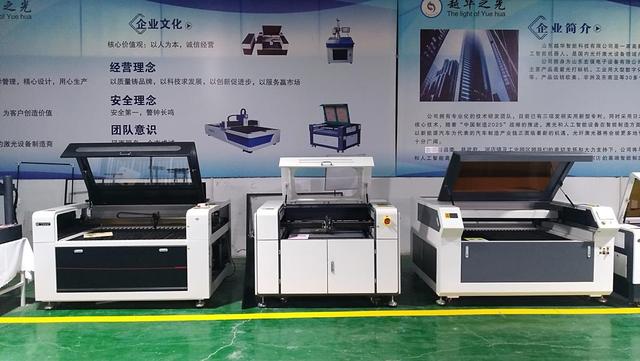
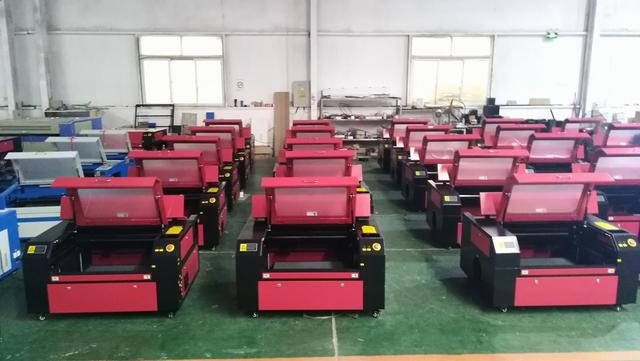
Located in Hangzhou, China, Hangzhou Kinray Laser Co., Ltd. is a leading manufacturer specializing in industrial fiber, CO2, and UV laser marking systems. We maintain vertical control over our supply chain, conducting laser optics tuning, custom mechanical frame fabrication, software optimization, and final system integration in-house.
By sourcing premium components—such as high-stability 355nm DPSS UV laser sources, high-speed digital galvo scanners, and field lenses—we guarantee that each system meets rigorous international standards. Our manufacturing processes conform to CE, FDA, and ISO 9001 regulations. For Ghanaian distributors, factory partners, and packaging operations, Kinray Laser offers robust OEM/ODM engineering capabilities, adapting systems to withstand challenging industrial conditions.
Through lean manufacturing practices, we maintain a reliable supply of replacement parts and custom configurations, ensuring rapid delivery times to West African ports. This stability protects our clients from supply shortages and long lead times.
Delivering high-performance industrial laser equipment across global markets.
Overcoming power grid, climatic, and logistics challenges with local adaptation protocols.
Voltage fluctuations can disrupt high-precision laser diodes. Kinray’s machines can be paired with industrial automatic voltage regulators (AVR) and surge suppressors designed to withstand local grid variations, ensuring reliable continuous output.
With tropical temperatures regularly exceeding 35°C, standard electronics can degrade. Kinray offers upgraded water-chilled systems and heavy-duty dust filters to protect components from humidity, dust, and heat.
We supply comprehensive video tutorials, detailed software instructions, and direct online support. This empowers local engineers in Tema and Accra to configure, operate, and maintain systems independently.
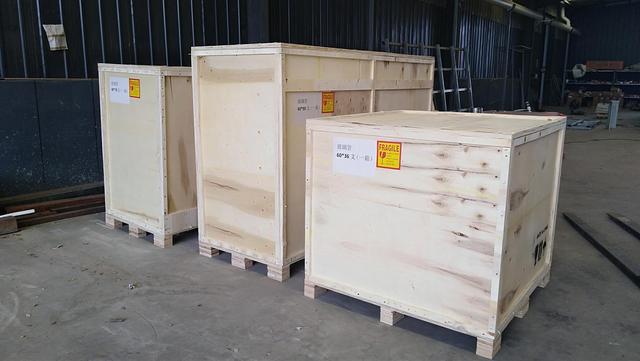
Through our logistics partners, Kinray provides secure ocean and air freight channels directly to the Port of Tema and Kotoka International Airport (ACC). We handle clearing documentation, certificates of origin, and custom export packing to ensure systems arrive in optimal condition.
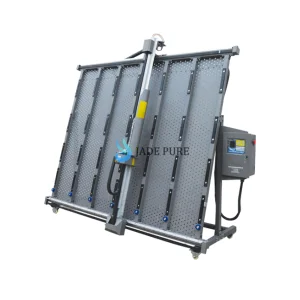
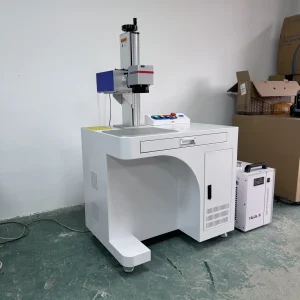
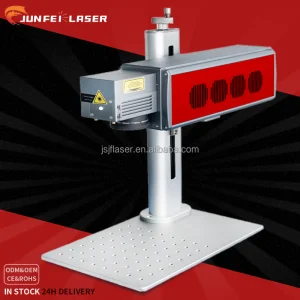
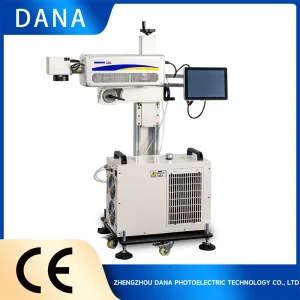
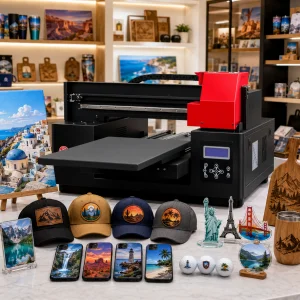
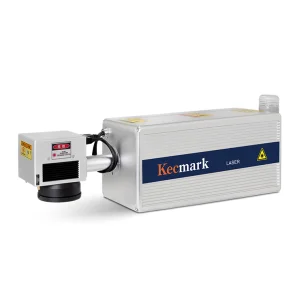
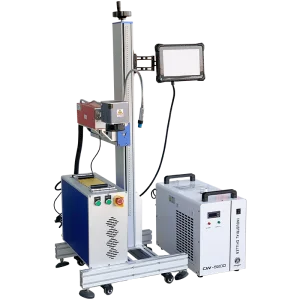
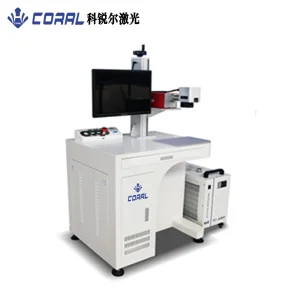
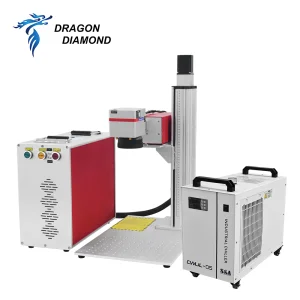
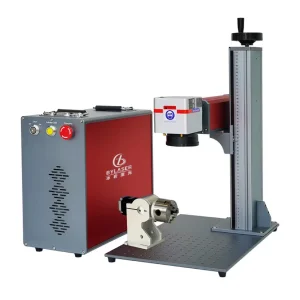
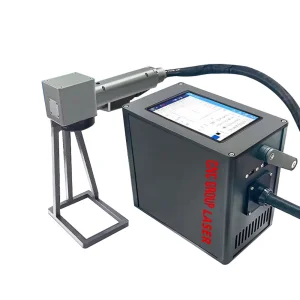
Explore our complete catalog of industrial laser markers, desktop engravers, and specialized dynamic production line coders.
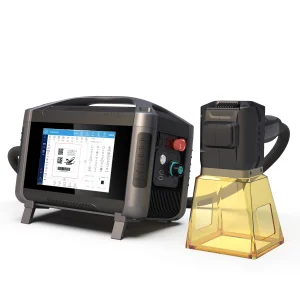
Emerging industry trends transforming trace manufacturing and digital production systems.
Integrating machine vision inspection directly onto the laser output head allows systems to read and verify marked batch codes in real-time. If a code fails legibility checks, the system flags it automatically, preventing downstream supply chain complications.
As assembly line speeds increase to meet regional demand under AfCFTA, manufacturing setups are shifting from 3W and 5W UV systems to higher power 15W and 30W units, accelerating cycle times without adding heat stress to target materials.
Next-generation industrial marking systems feature remote cloud diagnostic modules. Off-site engineers can analyze beam stability, track diode wear, and upgrade galvo software remotely, reducing downtime for manufacturing operations in distant areas.
Hangzhou Kinray Laser Co., Ltd. is a manufacturer of industrial laser marking machines, specializing in advanced fiber, CO2, and UV laser technologies. With an active focus on product development, system precision, and automated design, Kinray Laser supports global manufacturers in enhancing traceability and refining marking workflows.
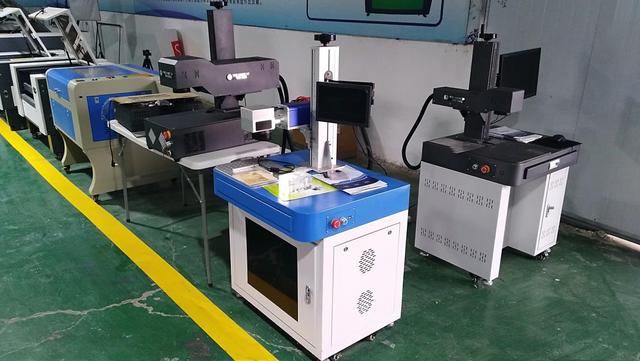
Our product range—encompassing fiber, UV, CO2, MOPA, flying, and 3D laser systems—is designed to process materials ranging from metals and plastics to glass and ceramics. Our equipment serves diverse industries, including electronics, automotive manufacturing, medical packaging, consumer goods, and metallurgy.
We manage each phase of assembly through defined QA and testing protocols, ensuring stable operation across varying environments. We provide support for distributors, system integrators, and industrial brands worldwide, offering standard production systems alongside custom engineering (OEM/ODM) to meet specific design and assembly requirements.
Clear, direct answers regarding operations, technical integration, and procurement for the Ghanaian market.
Whether you need to upgrade an existing packaging line in Accra, expand your distribution network, or integrate custom industrial marking machines, Kinray Laser's engineering team is here to assist.
Send Inquiry Now Kinray Laser