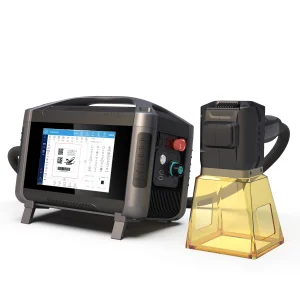
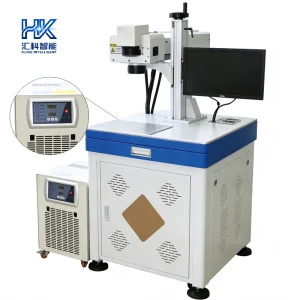
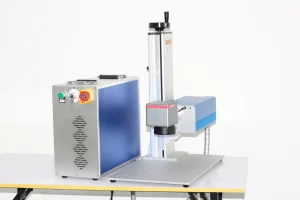
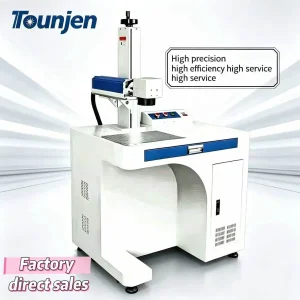
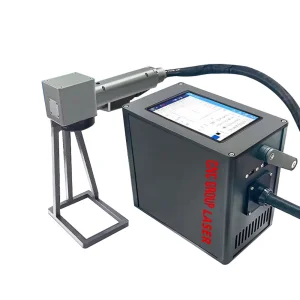
High-performance configurations engineered for high repeatability, micro-marking accuracy, and system longevity.
Nagoya, the capital of Japan's Aichi Prefecture, is the undisputed epicenter of Japan’s automotive, aerospace, and precision engineering sectors. Hosting headquarters and major assembly plants of global giants like Toyota Group, Denso, Aisin, and Mitsubishi Heavy Industries, the region is transitioning rapidly toward electrification (EVs), medical hardware, and advanced electronics.
Traditional marking methods (thermal fiber lasers or CO2 lasers) create critical structural vulnerabilities in heat-sensitive automotive components, engineering polymers, and medical tools. This is where 355nm UV laser marking excels. By utilizing "cold marking" photochemical processing, our UV laser systems interrupt molecular bonds directly without generating thermal stress, safeguarding component integrity.
Engineered to comply with ISO 13485 (Medical Devices) and AS9100 (Aerospace) tracing protocols in Central Japan.
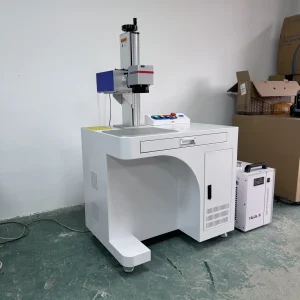
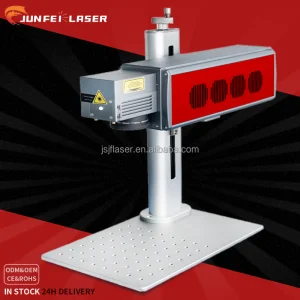
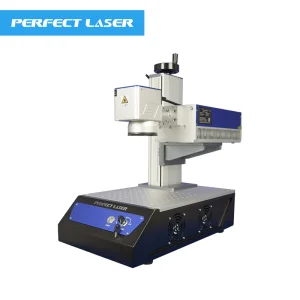 Perfect Laser Desktop 3w 5w Mini Small Size UV Laser Metal Non-metal Marking Machine for Glass/ Plastic/ PVC/ Rubber/ Ceramic
Inquire Price
Perfect Laser Desktop 3w 5w Mini Small Size UV Laser Metal Non-metal Marking Machine for Glass/ Plastic/ PVC/ Rubber/ Ceramic
Inquire Price
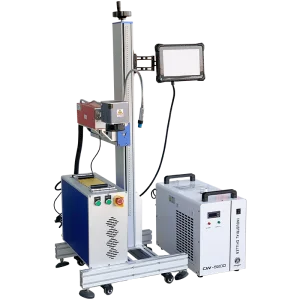
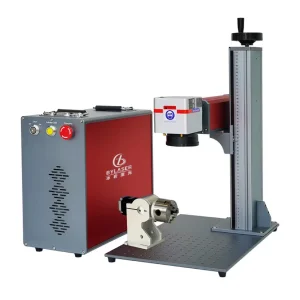
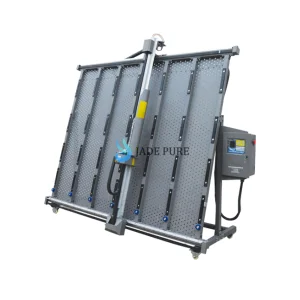 CNC Automatic 3d Laser Uv Glass Lifting Engraver For Tempered Glass Etching Process Vertical Laser Glass Plotter Machine Price
Inquire Price
CNC Automatic 3d Laser Uv Glass Lifting Engraver For Tempered Glass Etching Process Vertical Laser Glass Plotter Machine Price
Inquire Price
Understanding the difference in material interaction between Fiber (1064nm) and UV (355nm) light sources.
Unlike thermal lasers that melt polymers, 355nm UV light acts photolytically. The high-energy UV photons break organic molecular bonds instantly, allowing smooth and degradation-free gasification without micro-distortion.
Operating at a shorter wavelength, UV beams focus to an extremely small focal spot size (under 15μm). This makes it highly efficient for microchips, automotive engine sensors, and electronics where space is critical.
Polymers (PET, PVC, PE, HDPE), exotic ceramics, metals, sapphire, quartz, and borosilicate glass have exceptionally high absorption indices at 355nm, producing stark contrast markings.
| Laser Source / Tech Parameter | UV Laser Marking System (355nm) | Fiber Laser Marking System (1064nm) | CO2 Laser Marking System (10.6μm) |
|---|---|---|---|
| Primary Processing Mode | Photolytic Cold Processing (Direct bond breakage) | Photothermal Melting (Heat-based ablation) | Thermal Decomposition (Burning & Vaporization) |
| Heat Affected Zone (HAZ) | Negligible (< 0.05 mm) | High (Causes structural micro-stress) | Extremely High (Risk of charring/melting) |
| Best-Suited Materials | Plastics, Silicones, Glass, Ceramics, Fine Metals | Hard Metals, Steel, Aluminum, Opaque Plastics | Wood, Acrylic, Leather, Textiles, Paper, Cardboard |
| Marking Resolution (μm) | 10 - 15 μm (Micro-precision range) | 30 - 50 μm (Standard range) | 80 - 120 μm (Coarse range) |
| Applicability to EV Battery Packs | Ideal (No heat damage to chemical pouch membranes) | Not recommended (High thermal run-away hazard) | Inapplicable to metal components |
As an industry-leading laser manufacturer based in Hangzhou, China, Hangzhou Kinray Laser Co., Ltd. builds an efficient channel directly connecting our production lines with Chubu's high-tech industrial parks. By leveraging our proximity to Shanghai/Ningbo ports and Nagoya Port, we ensure optimized shipping solutions with swift transit times and structured customs processing.
Kinray Laser delivers robust OEM/ODM flexibility to system integrators, automated line developers, and manufacturing plants across Nagoya. From customized cabinet interfaces to automated robotic cell integrations (EtherNet/IP, Profinet, Modbus communication protocols), our engineering team designs bespoke solutions tailored to your production workflow.
Japan's manufacturing protocols require rigid quality compliance and functional safety certificates. Kinray Laser systems are built under strict quality guidelines to guarantee trouble-free operations in your facility:
Discover our full product range engineered for permanent identification, batch coding, and micro-engraving.
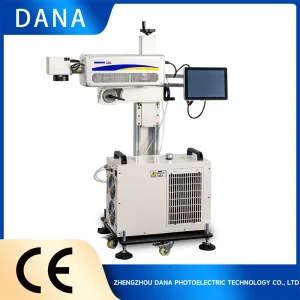 DANA F20 UV Laser Marking Machine: 355nm Cold Source, Ultra-fine Marking for Packaging
Inquire Price
DANA F20 UV Laser Marking Machine: 355nm Cold Source, Ultra-fine Marking for Packaging
Inquire Price
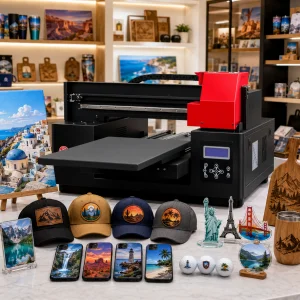 Refinecolor Low Cost A3 Flatbed UV Printer Inkjet Printing Machine For Phone Case Glass Trophy Acrylic Golf Balls Pen Wood Metal
Inquire Price
Refinecolor Low Cost A3 Flatbed UV Printer Inkjet Printing Machine For Phone Case Glass Trophy Acrylic Golf Balls Pen Wood Metal
Inquire Price
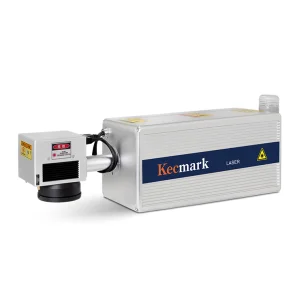 New 5W/10W/15W UV Laser Marking Machine with PLT/BMP Support for High-Accuracy Production Date Printing on Plastic Films
Inquire Price
New 5W/10W/15W UV Laser Marking Machine with PLT/BMP Support for High-Accuracy Production Date Printing on Plastic Films
Inquire Price
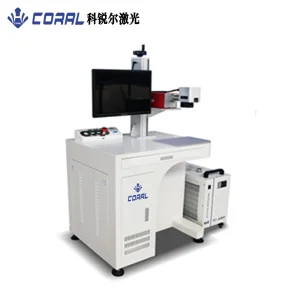 Auto Positioning HG-G-355-5W UV Laser Engraver 80*65*140 CM UV Laser Marking Machine for Date QR Logo Engraving Inspection
Inquire Price
Auto Positioning HG-G-355-5W UV Laser Engraver 80*65*140 CM UV Laser Marking Machine for Date QR Logo Engraving Inspection
Inquire Price
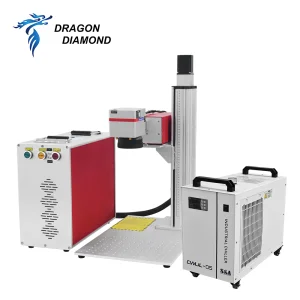 Jpt 5W UV Laser Engraving Machine for Glass Photo Jewelry 3D Laser Marking Crystal Gifts Supports DXF PLT AI DWG Formats
Inquire Price
Jpt 5W UV Laser Engraving Machine for Glass Photo Jewelry 3D Laser Marking Crystal Gifts Supports DXF PLT AI DWG Formats
Inquire Price
Hangzhou Kinray Laser Co., Ltd. is a leading China industrial laser marking machine manufacturer specializing in advanced fiber and UV laser solutions for global manufacturing industries. With a strong focus on innovation, precision, and intelligent manufacturing, Kinray Laser is committed to delivering high-performance laser equipment that improves production efficiency, product traceability, and marking quality.
Located in Hangzhou, China, the company integrates research and development, manufacturing, sales, and technical support to provide comprehensive laser processing solutions for customers worldwide. Our extensive product portfolio includes fiber laser marking machines, UV laser marking machines, CO2 laser marking systems, MOPA laser markers, flying laser marking machines, 3D laser marking equipment, and customized automated laser solutions.
Kinray Laser products are widely used in electronics, automotive, medical devices, precision hardware, jewelry, packaging, aerospace, consumer goods, and industrial manufacturing industries. Designed for high-speed, high-precision, and permanent marking applications, our systems are capable of processing a wide range of materials, including metals, plastics, ceramics, glass, and composite materials.
Equipped with advanced production facilities and rigorous quality management systems, Kinray Laser maintains strict quality control throughout every stage of manufacturing. Each machine undergoes comprehensive testing to ensure stable performance, reliability, and compliance with international standards.
To support global customers, we offer flexible OEM and ODM services for distributors, system integrators, equipment brands, and industrial manufacturers. Our experienced engineering team works closely with customers to develop customized laser solutions tailored to specific production requirements, automation needs, and industry applications.
Driven by technological innovation and customer satisfaction, Hangzhou Kinray Laser Co., Ltd. continues to expand its global presence and strives to become a trusted partner for intelligent laser processing solutions, helping manufacturers achieve smarter, more efficient, and sustainable production.
"Our engineering team coordinates closely with Japanese production line designers to ensure compatibility with domestic industrial systems, offering detailed electrical blueprints and CAD layout files pre-delivery."
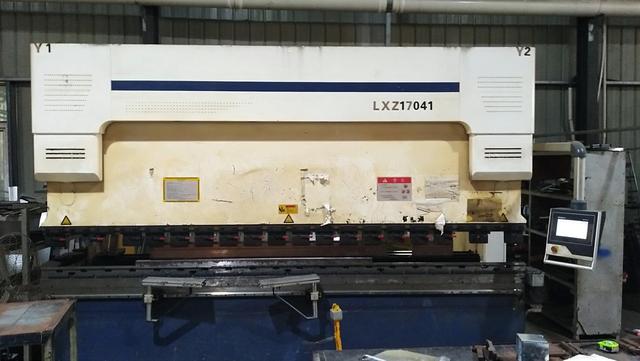
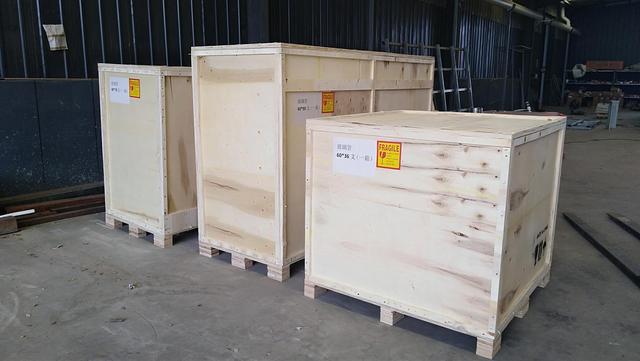
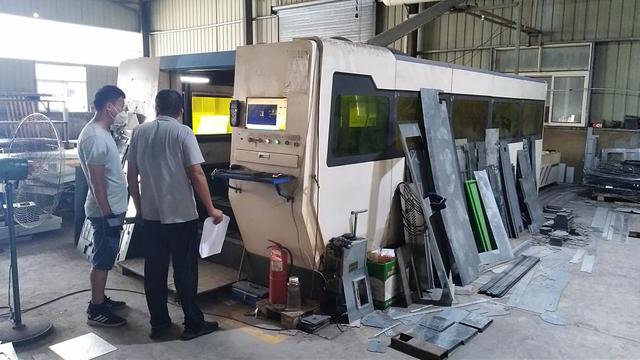
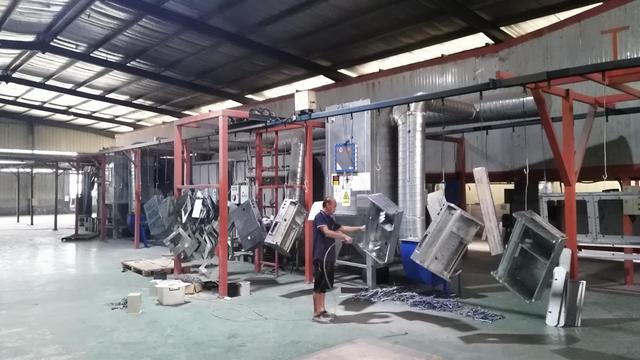
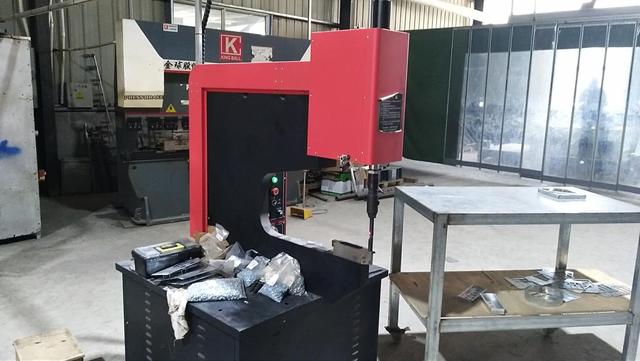
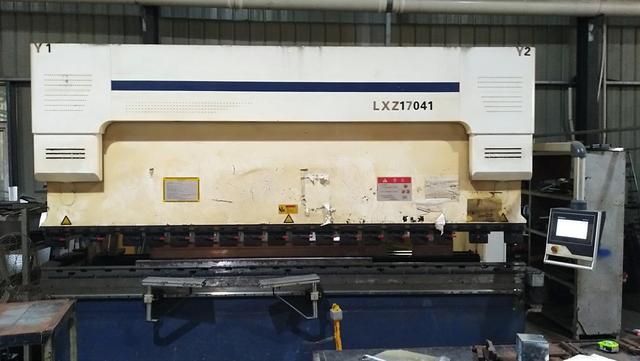
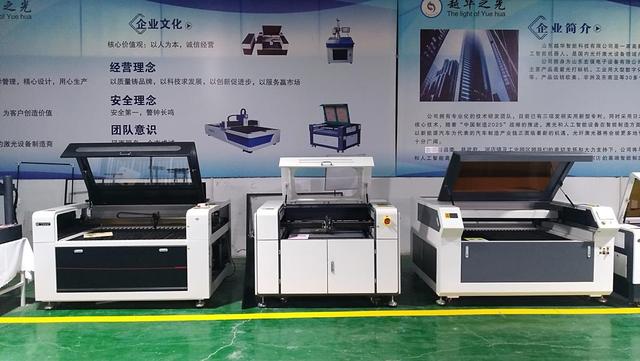
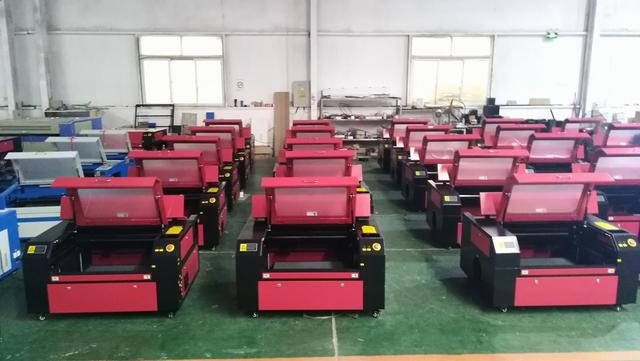
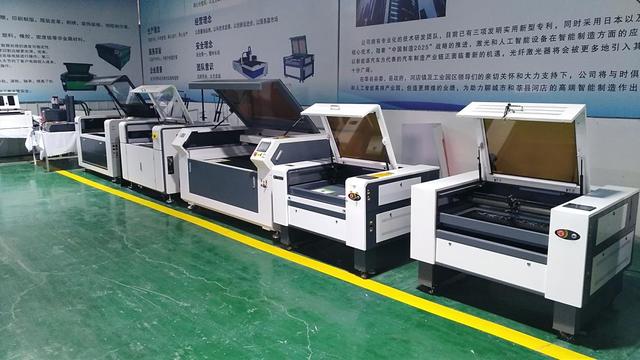
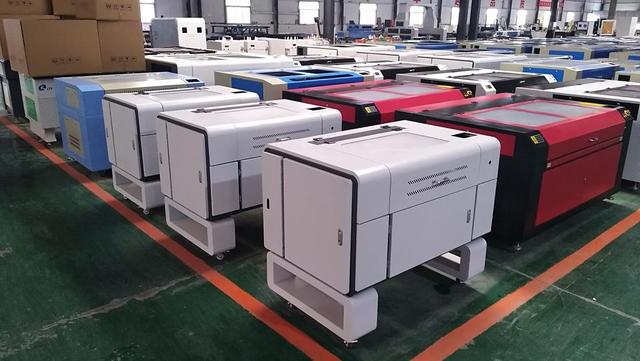
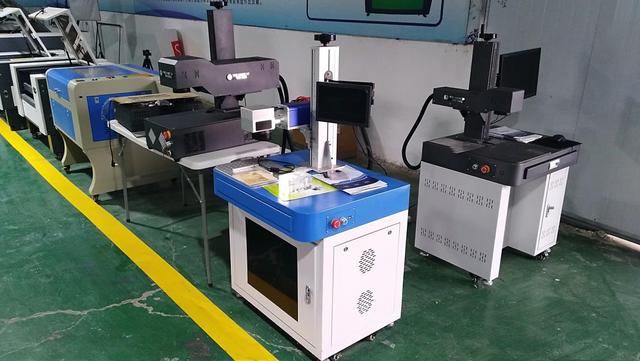
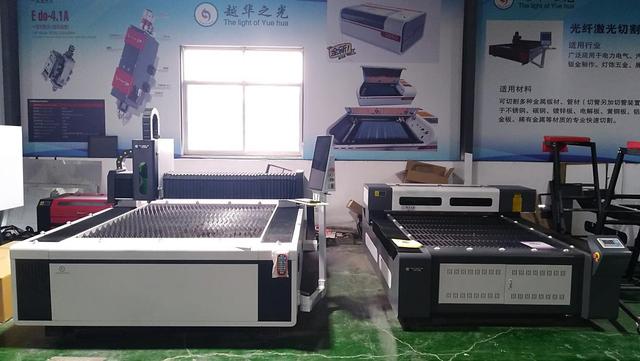
An inside look at our modern manufacturing, testing, and alignment facilities in Hangzhou, ensuring compliance with global QA guidelines.
Technical FAQ for buyers, process control engineers, and procurement managers in Central Japan.
Get in touch with our technical sales division to request material sample testing, obtain custom blueprints, or receive a quick price quotation for Nagoya delivery.
 Kinray Laser