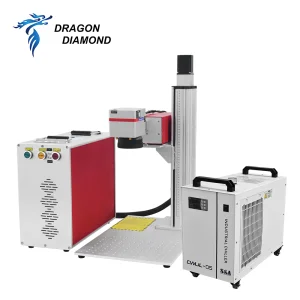
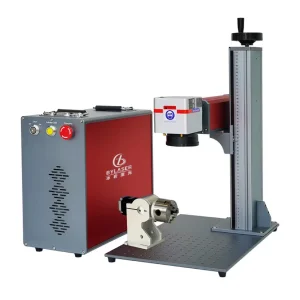
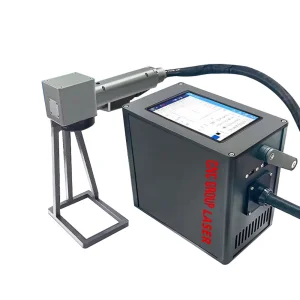
High-performance cold laser solutions tailored to Keihanshin industrial standards.
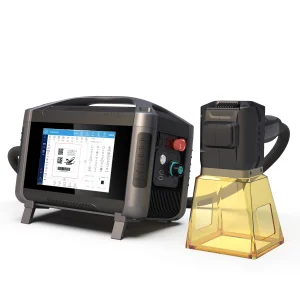
Osaka and the wider Kansai region (including Kyoto and Hyogo) have long served as the heartbeat of Japan's structural, medical, and electronic SME sector. Unlike the monolithic automotive-driven focus of Nagoya, Osaka's industrial landscape is highly fragmented and characterized by advanced specialization. Clusters such as those in Higashiosaka are home to hundreds of micro-precision workshops supplying high-spec components globally. Furthermore, Osaka is a historic hub for major chemical manufacturers, pharmaceutical packaging firms, and pioneers of semiconductor processing equipment.
In these highly delicate manufacturing environments, traditional thermal processing (such as CO2 or Fiber laser marking) introduces a fatal flaw: the Heat Affected Zone (HAZ). Thermal stress can micro-crack critical medical tubing, deform ultra-thin high-density polyethylene (HDPE) film, or cause chemical degradation in silicon packaging.
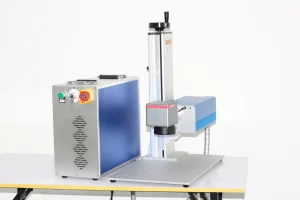
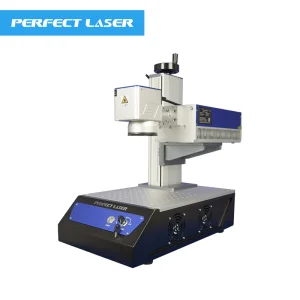
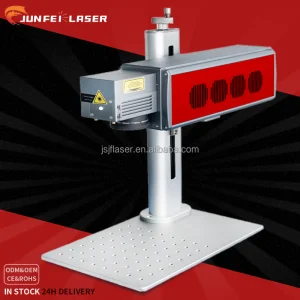
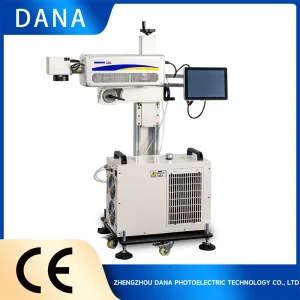
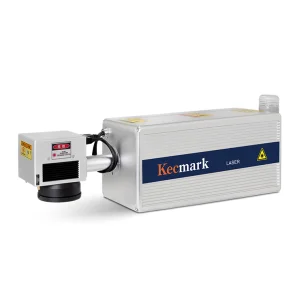
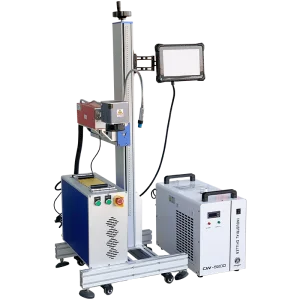
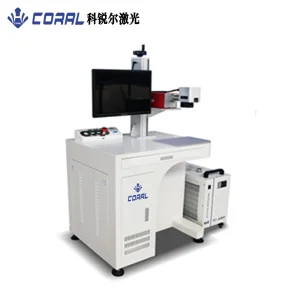
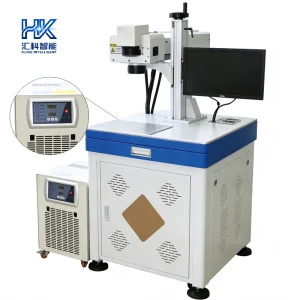
This is where the 355nm Ultraviolet (UV) DPSS (Diode-Pumped Solid-State) laser becomes irreplaceable. Operating via "cold processing," UV light delivers high-energy photons that directly break the molecular bonds of the material instead of heating it to evaporation. The result is an ultra-fine, high-contrast, permanent mark with zero thermal distortion. For Osaka's electronic component sub-contractors, this means zero-defect traceability on sub-millimeter components.
For procurement managers and system integrators in Osaka, sourcing capital equipment is a balancing act of precision, long-term reliability, and return on investment (ROI). While Japanese domestic brands provide premium machinery, their high price premiums and rigid customization parameters present barriers for high-mix, low-volume productions.
Hangzhou Kinray Laser Co., Ltd. bridges this gap by combining China's rapid industrial optimization with premium global components (such as JPT, IPG, and Scanlab-style high-speed galvanometers). Our manufacturing base in Hangzhou, China, operates with a complete supply chain cluster. This proximity reduces sourcing cycles for optics, diode modules, and precise structural parts to a fraction of the time required in other regions.
As a leading China industrial laser marking machine manufacturer, Kinray Laser specializes in high-performance fiber, CO2, and UV laser systems designed for global manufacturing. By integrating R&D, structural design, electrical assembly, and strict testing under one roof in Hangzhou, we serve tier-1 suppliers across various industries, including medical devices, high-end electronics, automotive components, and consumer goods.
We focus on developing systems that deliver stable performance, high-speed operation, and permanent markings across challenging materials like engineering plastics, synthetic resins, specialized glass, and high-purity metals. With direct sales, OEM, and ODM capabilities, we partner with distributors and system integrators worldwide to deliver tailored laser processing solutions.
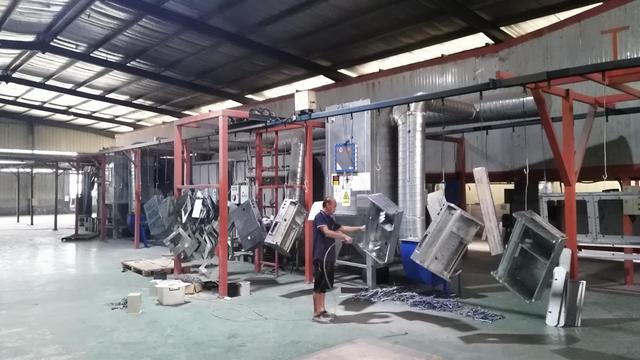
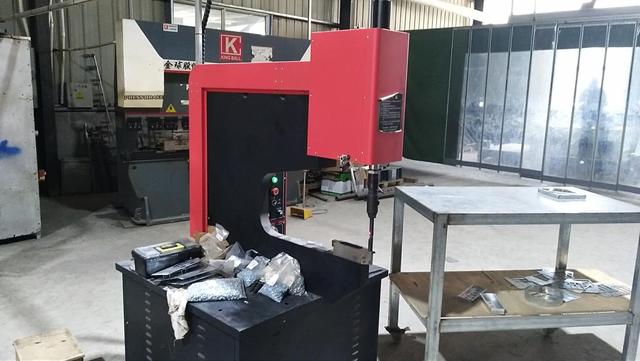
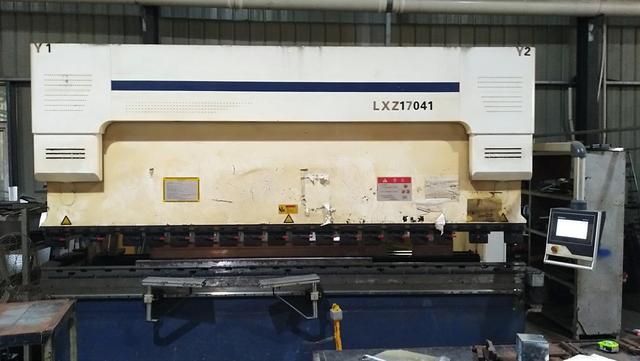
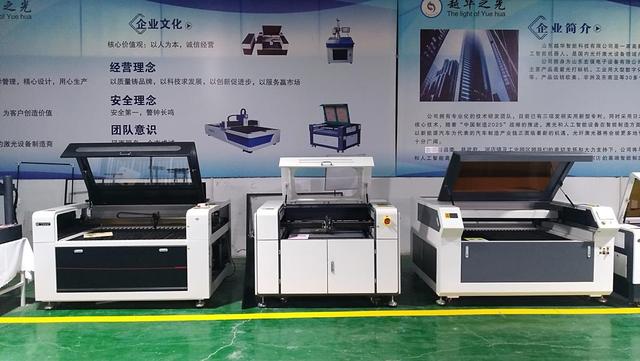
Each machine is subjected to extensive dynamic testing, verifying focus tolerance, beam path alignment, and system temperature control under peak load.
Source Power Calibration
Continuous Burn-In Test
Repositioning Precision
Global Standard Certified
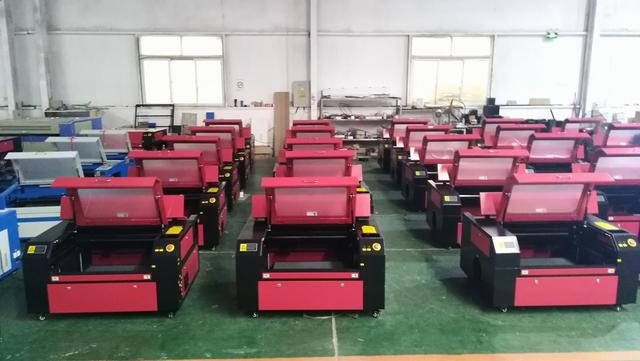
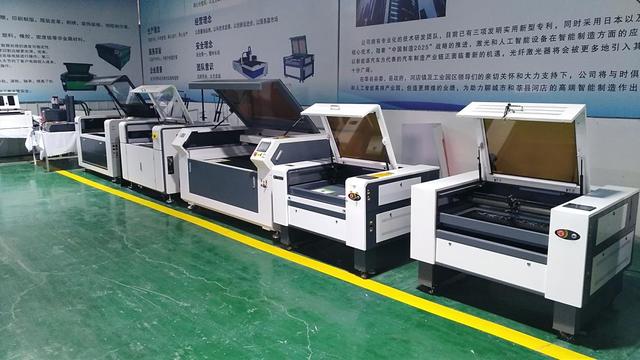
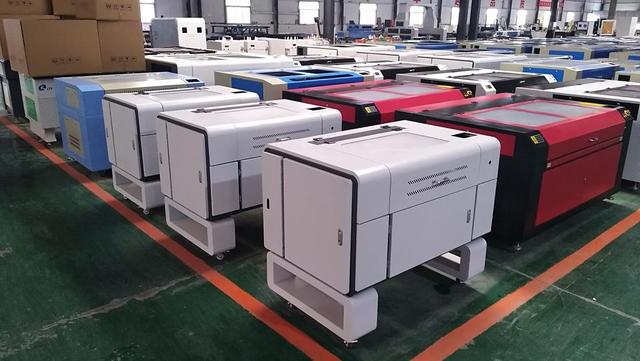
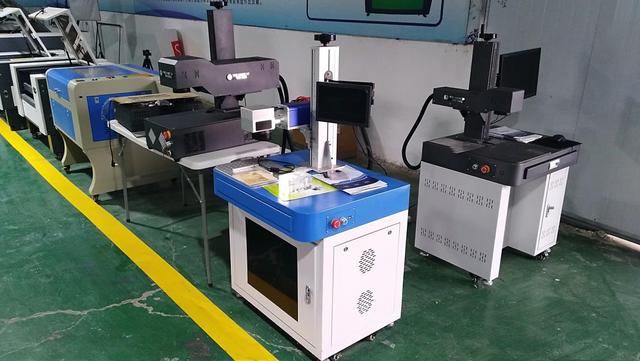
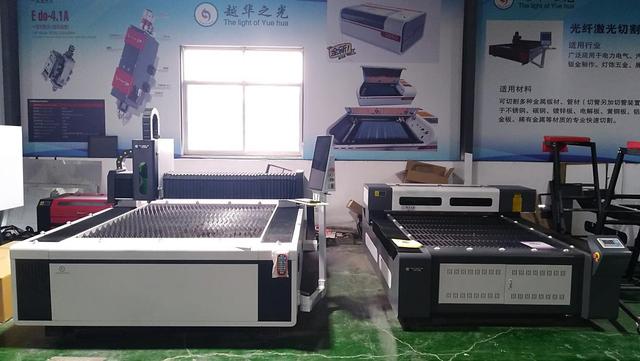
UV Laser marking systems are highly versatile toolsets that interface directly with PLC systems across the assembly floor. Below are the key localized industrial use cases in the Osaka prefectural area:
Osaka's major biomedical zones manufacture fine catheters, guide wires, and polymers. UV lasers create micro-markings directly on Pebax or polyurethane components without introducing surface textures that could trap bacteria.
Marking microscopic traceability matrix codes on ultra-thin silicon wafers, ceramic IC substrates, and epoxy resin packaging compound without structural micro-cracking or electrical noise generation.
Direct marking of UDI (Unique Device Identifier) codes on pharmaceutical glass vials, ampoules, and pre-filled syringes. This technology maintains mechanical strength and thermal shock resistance.
Select from our certified inventory of UV, Fiber, and CO2 Laser Markers
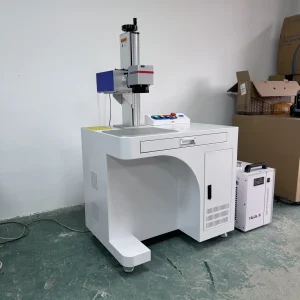

The landscape of precision marking is shifting rapidly as international standard organizations mandate granular serialization on microelements. We anticipate the following core shifts to shape capital equipment sourcing:
Standard optical sensors are being replaced by high-resolution camera modules integrated with deep-learning vision models. This allows the laser to dynamically identify the orientation, shape, and depth profile of arbitrary parts thrown onto a conveyor, eliminating the need for strict mechanical positioning fixtures.
While 3W and 5W configurations remain popular for typical packaging materials, advanced ceramics and hard plastics require higher powers (10W and 15W) to maintain cycle times. High-power cold marking preserves throughput rates on fully automated lines without introducing micro-fractures in fragile substrates.
When sourcing from an OEM exporter in China for implementation in Japan, procurement teams should prioritize the following parameters to ensure smooth integration:
| Evaluation Parameter | Minimum Industrial Standard | Kinray Quality Guarantee |
|---|---|---|
| Laser Source Life Expectancy | >15,000 Operating Hours | Premium DPSS Diode module with >20,000-hour MTBF rating |
| Beam Quality (M²) | < 1.3 | Guaranteed < 1.2 for precise, micro-focused spots |
| Galvanometer Scan Speed | > 5,000 mm/s | Up to 8,000 mm/s with high-speed digital drivers |
| External Control Interface | USB or basic I/O ports | Full support for TCP/IP, RS232, and Modbus PLC automation |
Technical and logistics questions answered by our system specialists
Contact our engineering support team to discuss your project requirements, request a custom configuration quote, or arrange test markings on your sample materials.
Send Inquiry Now Kinray Laser