Direct-from-factory high-performance systems optimized for localized industrial manufacturing and traceable printing operations.
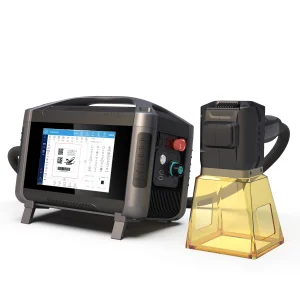
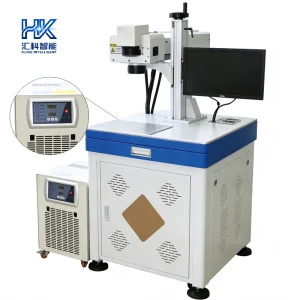
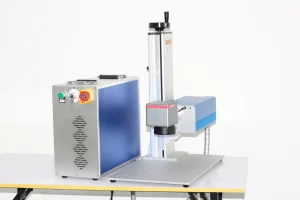

Over the last decade, Paraguay has positioned itself as one of South America's most dynamic hubs for light industrial manufacturing, electronics assembly, and export-driven agricultural processing. Driven by the Ley de Maquila (Law 1064/97), Ciudad del Este and Central Department industrial parks have seen a massive influx of manufacturing plants setting up operations. Key sectors such as automotive wiring harnesses, plastic injection packaging, cosmetics, pharmaceuticals, and electrical fittings are witnessing exponential growth.
Crucial to this manufacturing expansion is the strict requirement for international traceability compliance. Regulatory frameworks within MERCOSUR require absolute, permanent serial coding, QR barcodes, and batch marking on electronic components, pharmaceutical packaging, and consumer plastics. Traditional inkjet solutions, which rely heavily on ink consumables and solvents, represent a severe ongoing operational expense and suffer from ink rubbing off in transit. UV Laser Marking has emerged as the definitive solution for these modern assembly lines.
Organizations audited under SENACSA (National Service for Animal Quality and Health) and DINAVISA (National Directorate of Health Vigilance) require fully permanent, chemically unreactive coding systems for animal health tagging and pharmaceutical packaging. UV laser marking provides zero-chemical interaction, non-contact thermal processing, preserving material integrity.
Understanding the photochemical "Cold Processing" mechanism over traditional fiber or thermal CO2 systems.
Unlike Fiber lasers (which operate at 1064nm wavelength and heat materials to melt or vaporize them) or CO2 lasers (operating at 10600nm, which burn or char the substrate), Ultraviolet (UV) lasers utilize a 355nm wavelength. This short wavelength produces high-energy photons that break the chemical bonds directly within the material structure, rather than creating a heat-affected zone (HAZ). This phenomenon is known as "photochemical ablation" or "cold marking".
| Technology Type | Wavelength | Marking Mechanism | Best Suited Materials | Thermal Damage Risk |
|---|---|---|---|---|
| UV Solid-State Laser | 355 nm | Cold Photo-ablation (Molecular bond breaking) | Glass, Polymers, HDPE/PET, Crystals, Silicone, Thin Metals | Extremely Low (No Burn) |
| Fiber Laser | 1064 nm | Thermal Melting & Engraving | Structural Metals, Hard Alloys, Alumina Plastics | Moderate (Local Heat) |
| CO2 Laser | 10.6 μm | Thermal Vaporization & Pyrolysis | Wood, Acrylic, Leather, Heavy Paper, Stone | High (Melting & Charr) |
Hangzhou Kinray Laser Co., Ltd. is a premier China industrial laser marking machine manufacturer, specializing in high-stability fiber, UV, and CO2 laser solutions. By managing everything from direct R&D to system integration, we provide significant cost and quality advantages compared to sourcing via regional distributors in South America.
Our production plant in Hangzhou, China, adheres to rigid quality assurance protocols. Each UV laser generator undergoes continuous 72-hour aging diagnostics and optical path stabilization before being loaded into its protective frame. We utilize premium global brands for core subcomponents, including JPT/Raycus solid-state resonators, high-speed digital Galvo scanners, and robust MEAN WELL power assemblies to ensure our systems handle power fluctuations common in industrial estates.
To assist our Paraguayan distributors and direct end-users, we offer complete OEM/ODM customization services. Whether you require customized mechanical enclosures (such as fully-enclosed cabinet configurations), specific ERP database integrations, or language localized software interfaces (Spanish-configured EZCad control systems), our engineering team coordinates design parameters closely with your specifications.
Strict quality control protocols managed across every square meter of our factory floor.
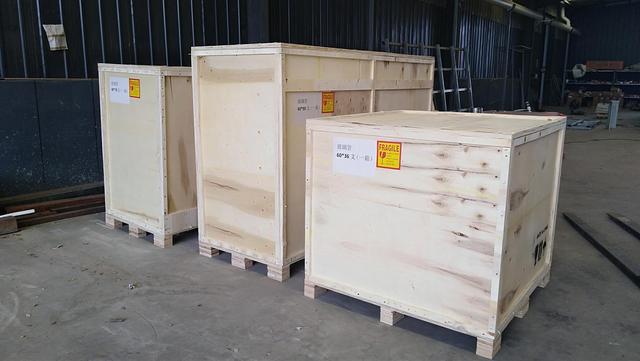
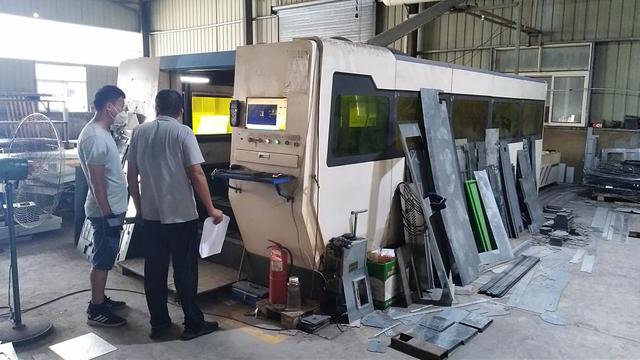
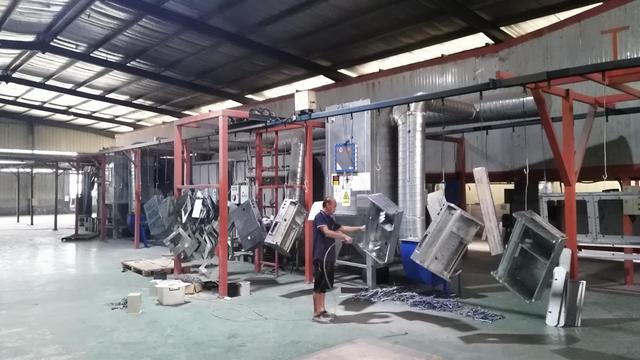
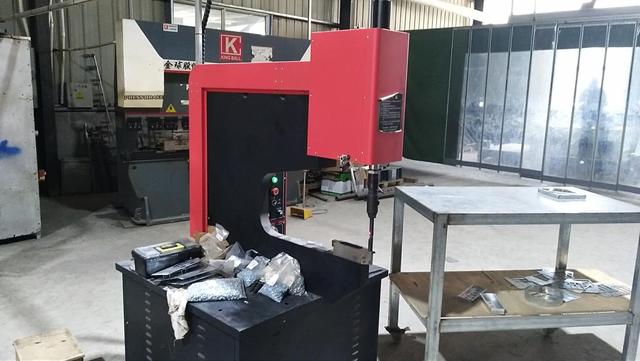
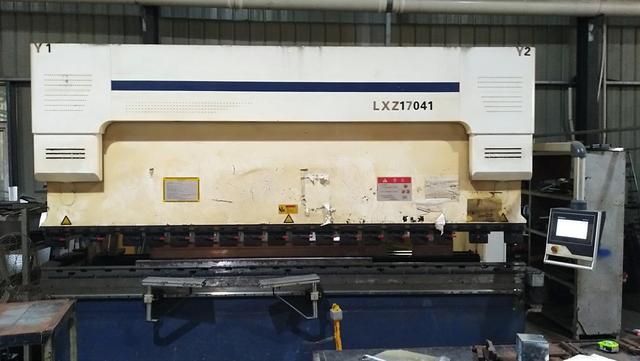
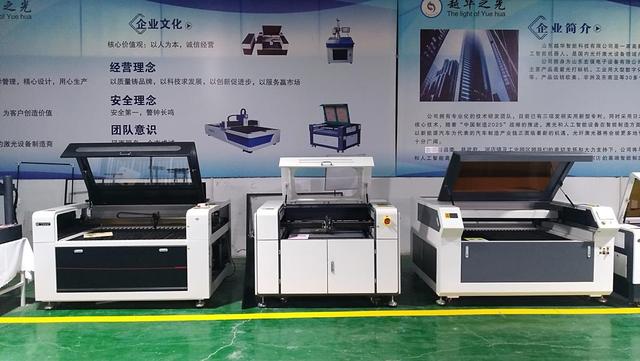
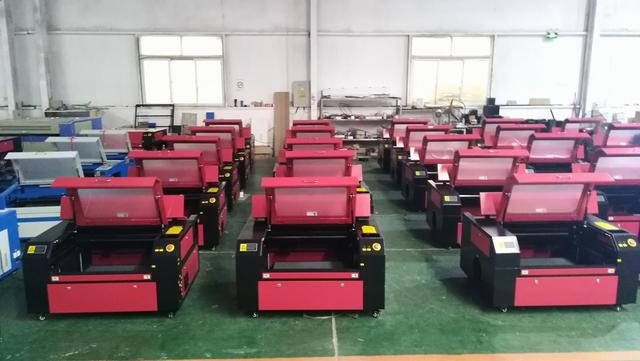
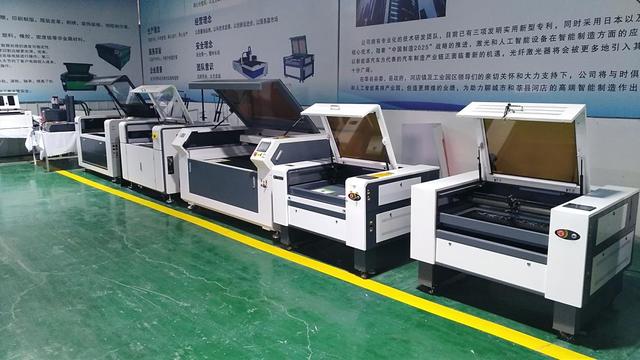
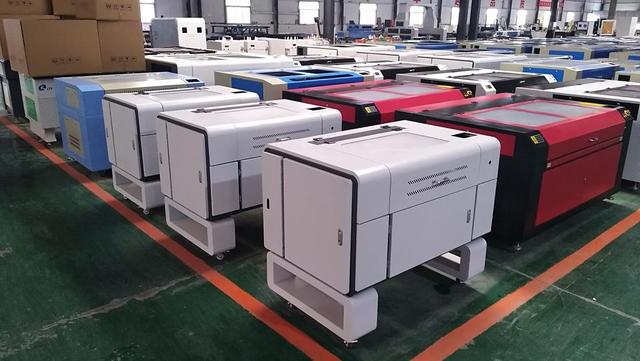
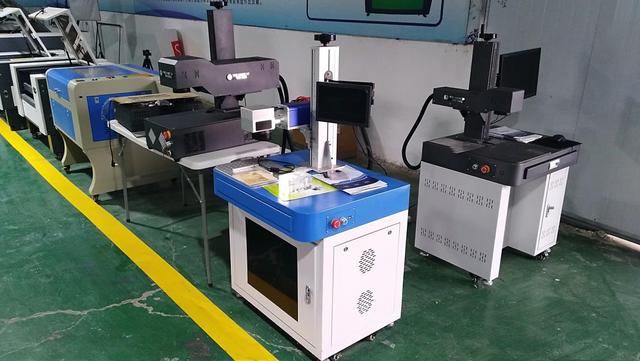
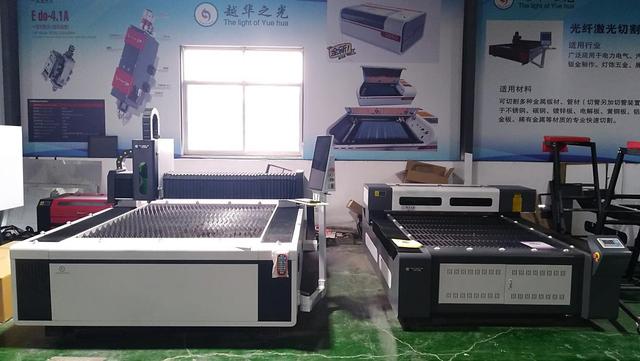
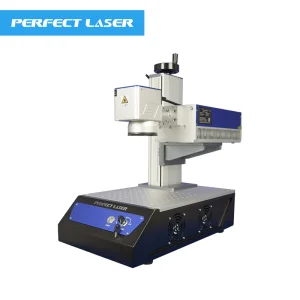
Explore our complete catalog of industrial UV, Fiber, and Hybrid Laser systems built for reliability.
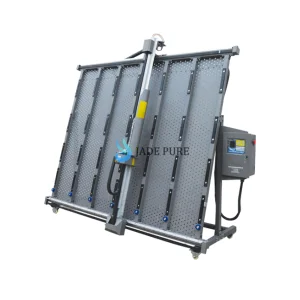
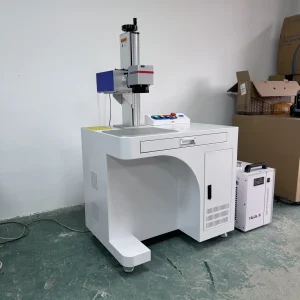
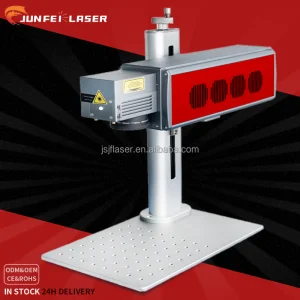
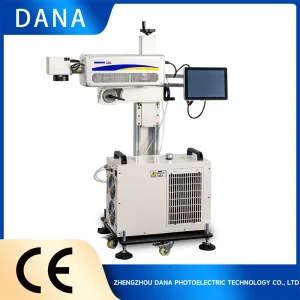
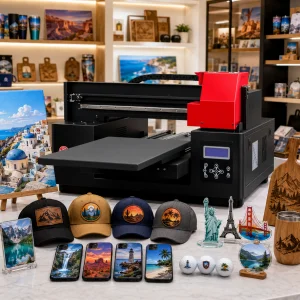
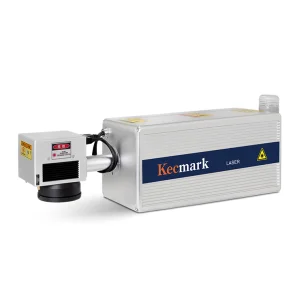
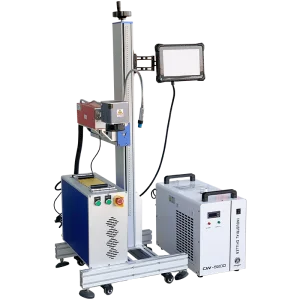
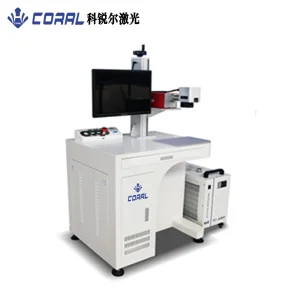
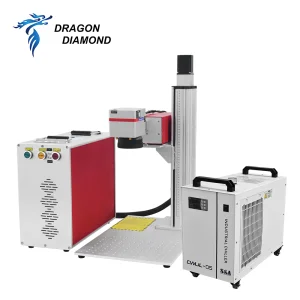
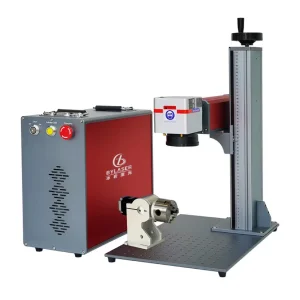
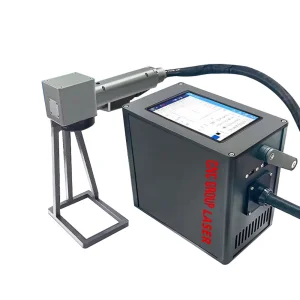
Clear documentation, logistics paths, and import criteria for a smooth border transition.
Importing high-tech machinery into Paraguay requires attention to customs protocols and regional power guidelines. Kinray Laser guarantees full compliance parameters to facilitate straightforward processing through customs authorities at both maritime ports and international airports.
Technical insights to help you choose and configure your laser system.
Our solid-state UV laser diodes feature a service lifespan exceeding 20,000 operational hours under ideal clean room environments and temperature ranges. This equates to multiple years of standard multi-shift operation. The crystal modules can be serviced or aligned by our technical team if efficiency declines after extended use.
Yes, UV lasers can produce ultra-fine, clean markings on reflective metals such as gold, silver, copper, and stainless steel without causing distortion. However, if your primary application is deep engraving or high-speed marking on steel or aluminum, a dedicated Fiber Laser Marking System (1064nm) is generally more cost-effective.
Air-cooled UV systems are compact and suitable for 3W to 5W systems operating in climate-controlled spaces. For higher power units (10W, 15W, and above) or environments with elevated ambient temperatures, a dual-stage water chiller is required to stabilize the UV crystal temperature and maintain laser beam stability.
All Kinray equipment ships pre-calibrated. We provide comprehensive Spanish and English installation videos, parameter setting tables for typical materials (glass, plastics, metals), and host direct video calls for system setup. For larger manufacturing lines, we coordinate with local technical partners to support on-site integration.
Yes, our flying UV laser marking series is designed for automated conveyor line integration. They feature input/output ports for photo-eye triggers, rotary encoders for speed sensing, and support industrial communication protocols to link directly with PLCs or MES databases.
 Kinray Laser