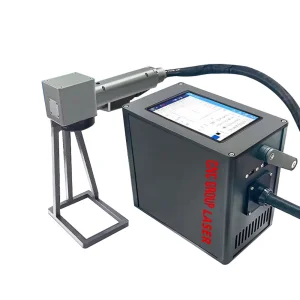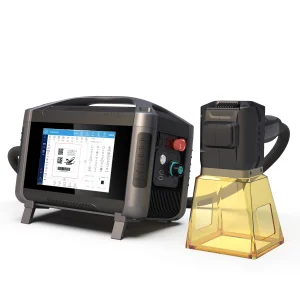
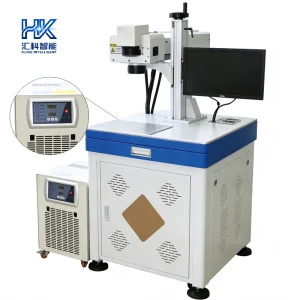
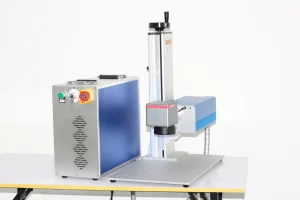
The global trade and manufacturing landscape is undergoing a monumental paradigm shift. As North American corporations accelerate their nearshoring initiatives to mitigate transpacific supply chain risks, the Mexico City Metropolitan Area (including the State of Mexico and Vallejo industrial corridors) alongside the Bajío region (Querétaro, Guanajuato, San Luis Potosí) has emerged as the premier high-tech manufacturing hub of the Americas.
Under the regulatory framework of the USMCA (T-MEC), components produced within this corridor must adhere to stringent regional value content (RVC) criteria and flawless traceabilities. From automotive wiring systems, Tier-1 brake assemblies, to electronic medical devices, marking indelible, high-density 2D DataMatrix and serial codes is no longer optional—it is a critical supply-chain requirement.
This is where ultraviolet (UV) laser marking technology becomes indispensable. Unlike traditional fiber lasers or thermal-based inks, UV lasers leverage a photochemical reaction (cold ablation) to mark materials without generating high temperatures, safeguarding the structural integrity of thin plastics, silicon chips, and medical-grade polymers.
Traditional marking technologies like CO2 or Fiber lasers rely on thermal melting (photothermal processing) which leaves micro-cracking and charring on delicate materials. Kinray's 355nm UV laser systems destroy molecular bonds directly without heat generation (photolytic processing).
Our UV laser markers are custom-calibrated to support the major industries operating within the Valley of Mexico and Bajío zones.
Permanent mark tracking codes on heat-shrink sleeves, PA66 connectors, engine sensors, and ABS housings. Resistant to oil, gasoline, and environmental degradation.
Non-toxic marking of catheters, high-precision implants, syringes, and surgical glass packaging. Ensures sterility compliance and zero chemical contaminant deposition.
Marking IC chips, circuit boards (FR4), LED substrates, and display glass panels with micron-level precision, preserving underlying semiconductor layouts.
Perfect marking of cosmetic bottles, beverage containers, and architectural glass panes without causing internal tension cracks or surface fractures.
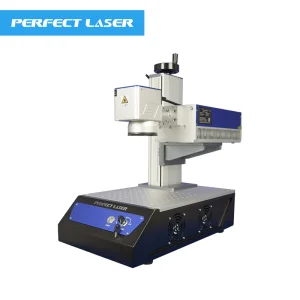
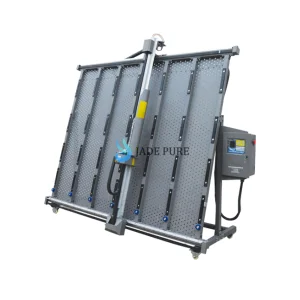
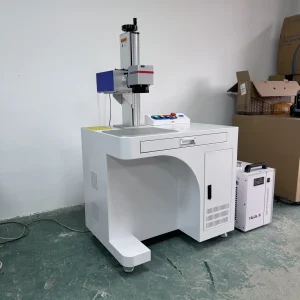
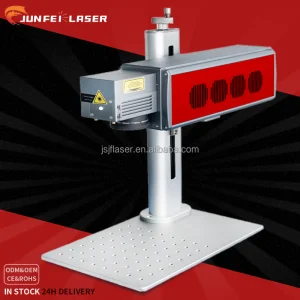
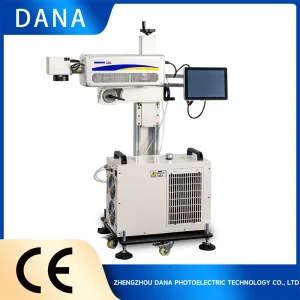

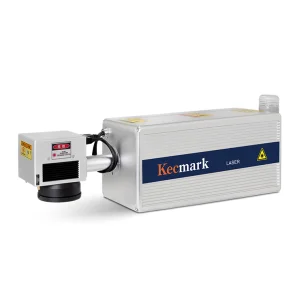
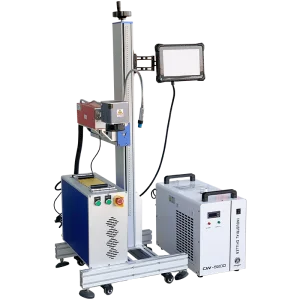
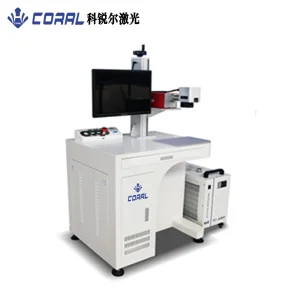
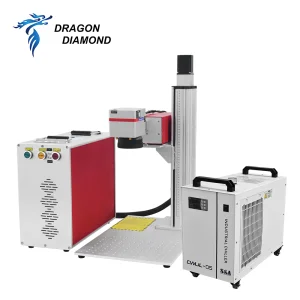
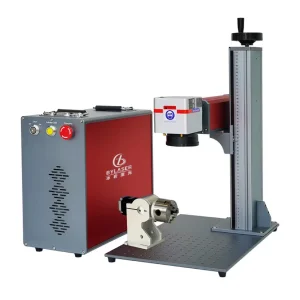
Hangzhou Kinray Laser Co., Ltd. sits at the heart of China’s advanced intelligent manufacturing ecosystem. In the era of Industry 4.0, we have integrated our research, mechanical development, software configuration, and optical testing labs to achieve robust quality control standards. By streamlining critical component procurement—from stable laser resonators, high-durability galvanometer scanners, to state-of-the-art field lenses—we maintain full technological sovereignty and supply continuity.
For industrial buyers in Mexico, this means direct-from-factory pricing combined with high technical sophistication. We utilize first-tier laser sources such as JPT, IPG, and Raycus, which are matched with industrial software systems supporting PLT, DXF, DST, BMP, and AI files. Our machines are highly customizable and can be seamlessly integrated with automatic feeding systems, visual positioning CCD modules, and conveyor belts to match your factory's specific throughput parameters.
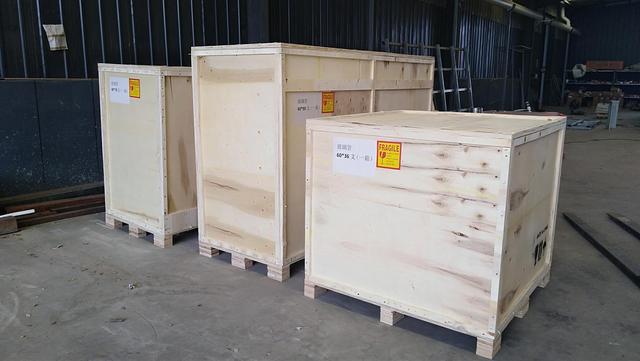
Importing equipment to industrial centers like Toluca, Querétaro, and Vallejo requires compliance with Mexican standards (including NOM electrical directives) and customs clearing procedures. At Kinray, we specialize in high-efficiency customs packaging, ensuring that your machinery lands securely. We provide comprehensive bilingual user manuals, layout diagrams, and remote commissioning assistance via video, making sure your local engineers can set up and run production with minimal downtime.
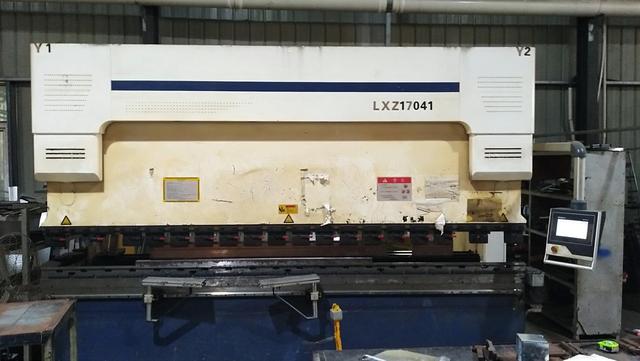
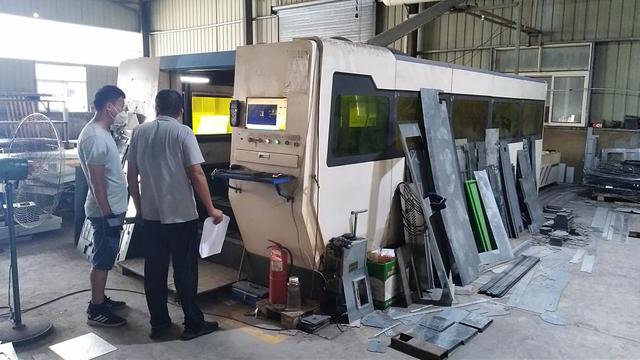
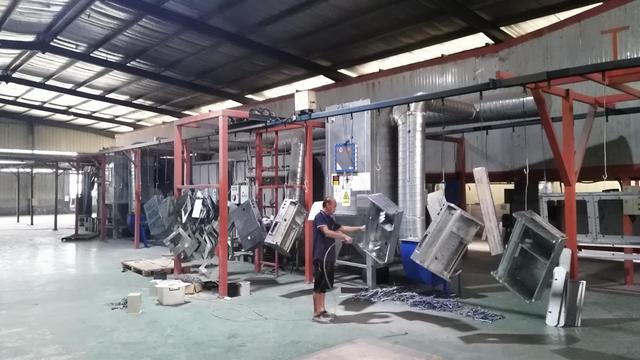
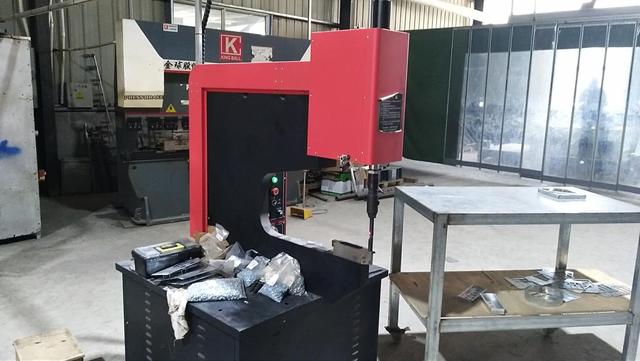
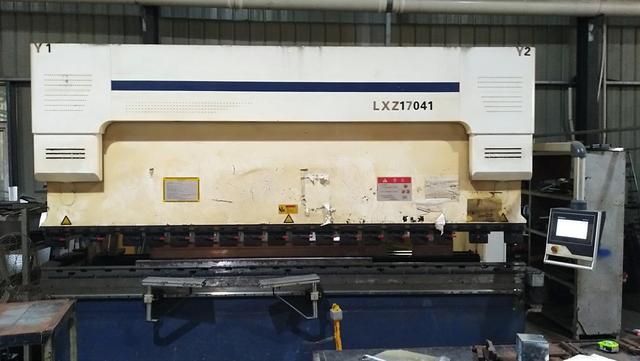
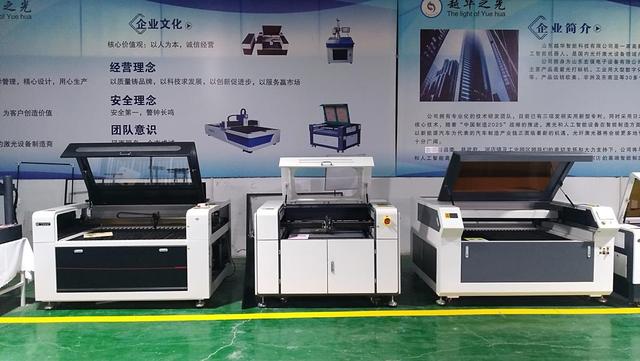
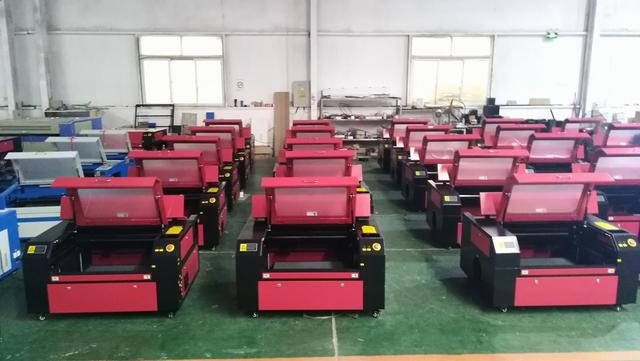
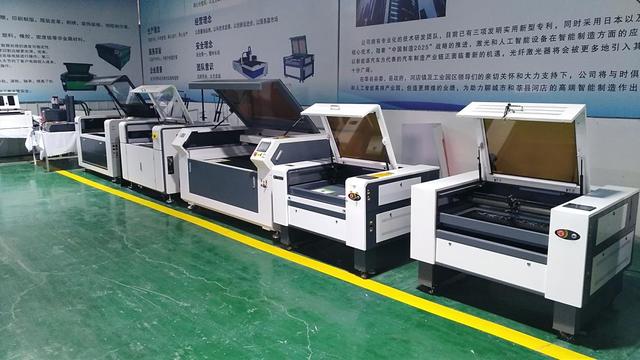
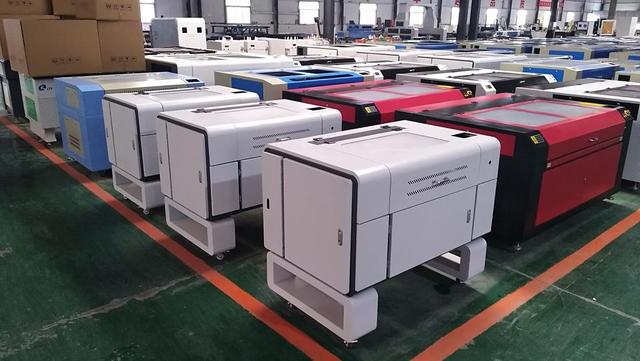
Take a look inside Hangzhou Kinray Laser Co., Ltd. We enforce rigorous assembly, calibration, and 48-hour continuous burn-in testing protocols to ensure maximum reliability for our global customers.
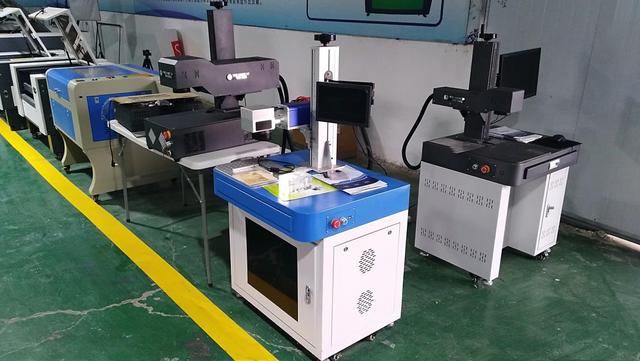
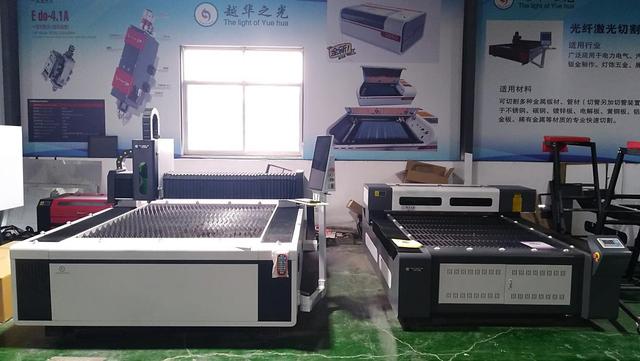
Consult with our applications team to run marking tests on your materials (plastics, glass, metals, ceramics). We will configure the optimal power levels (3W, 5W, 10W, or 15W) to match your cycle time goals.
Send Inquiry Now Kinray Laser