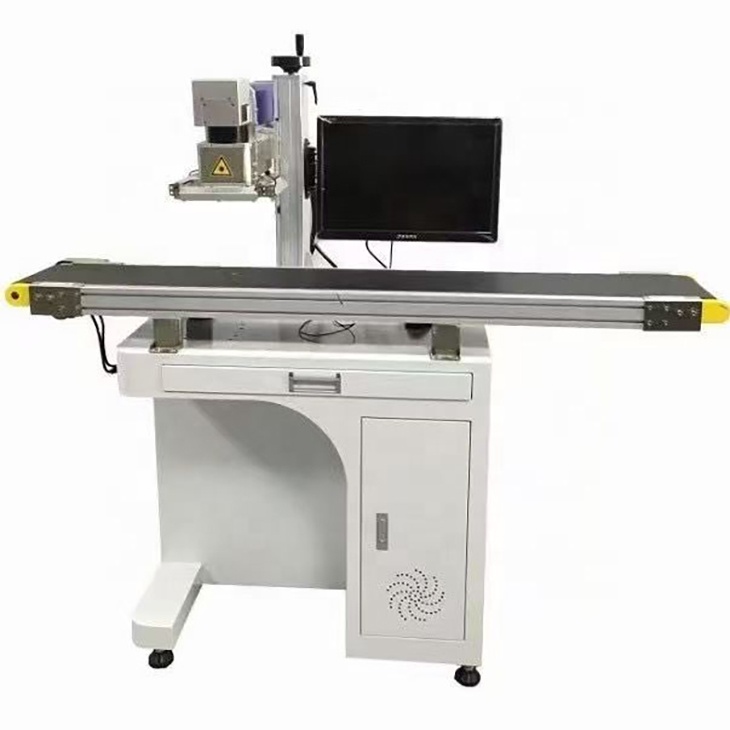
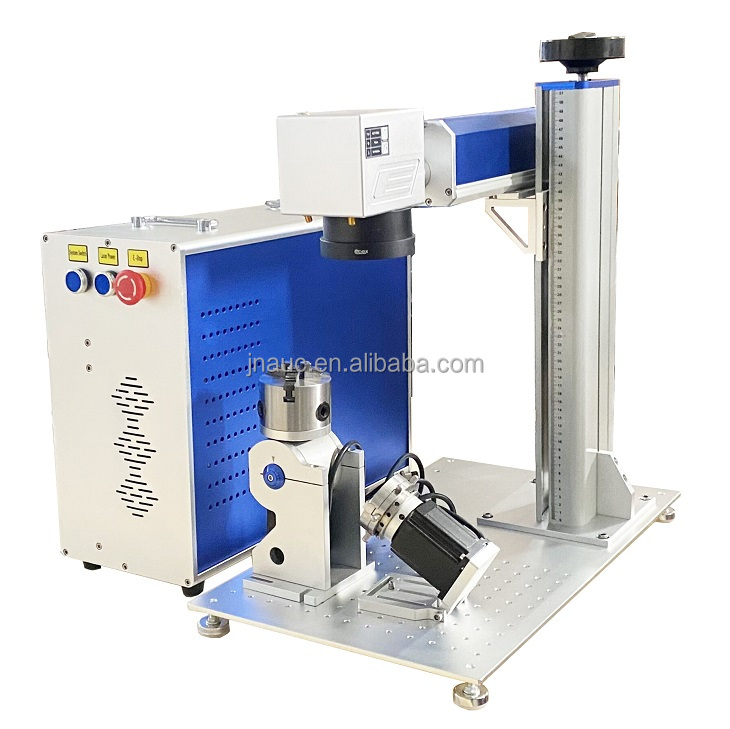
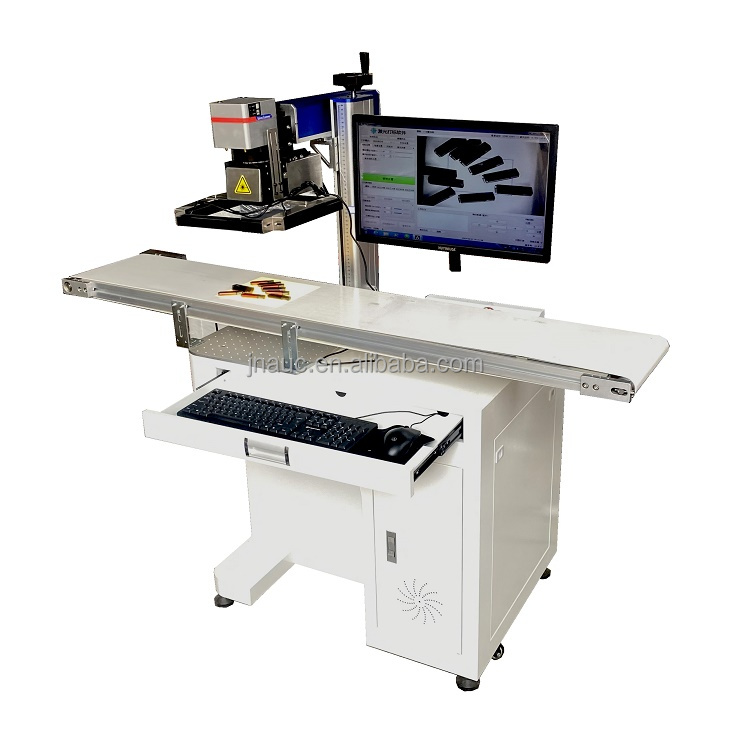
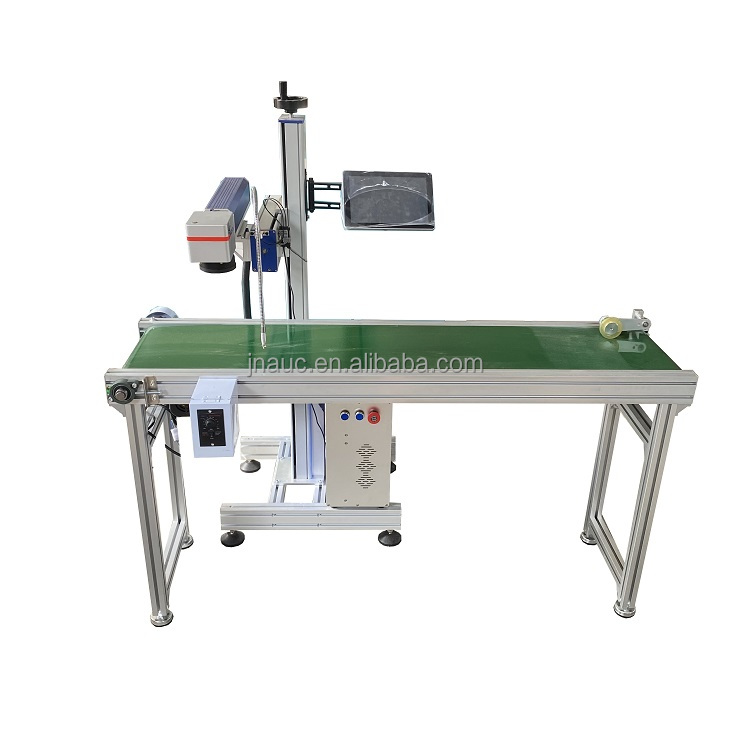
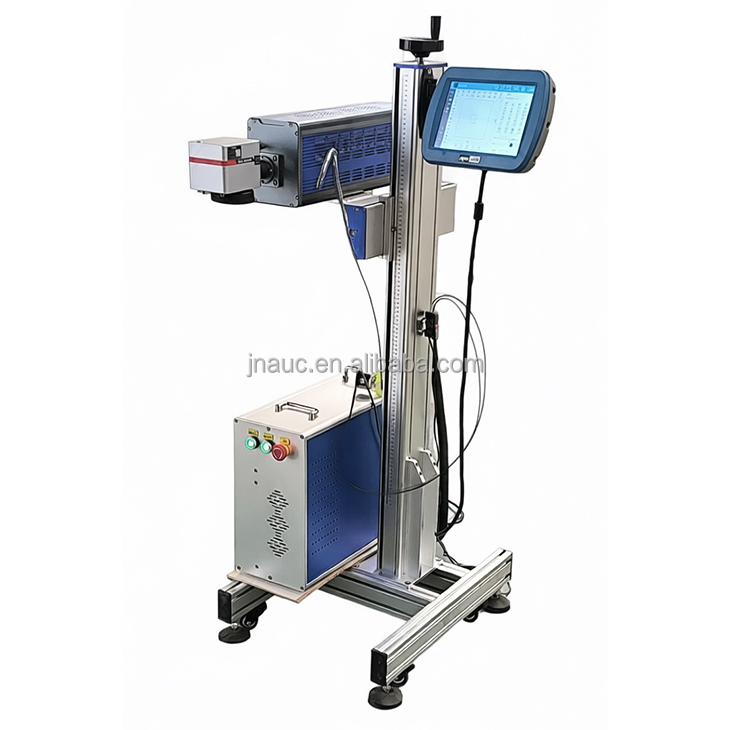
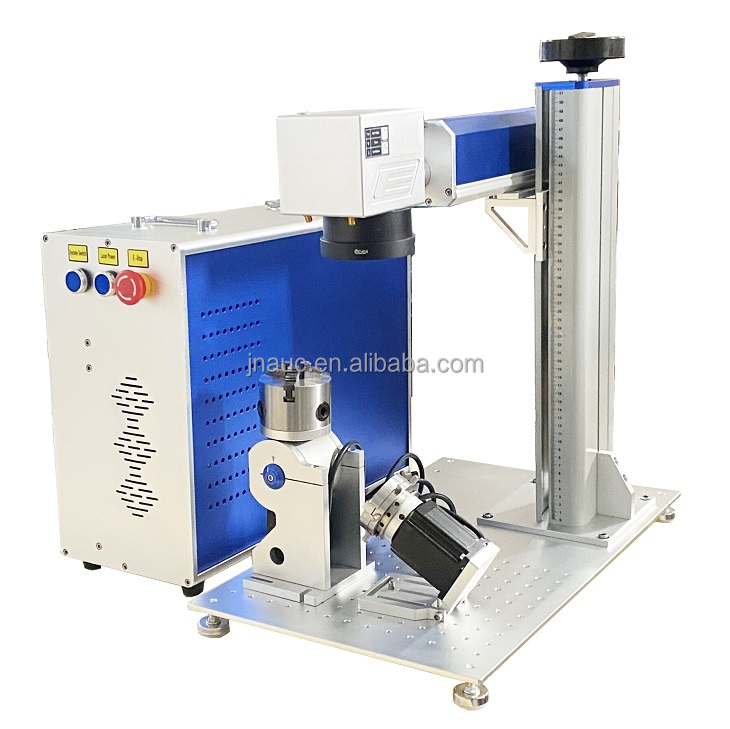
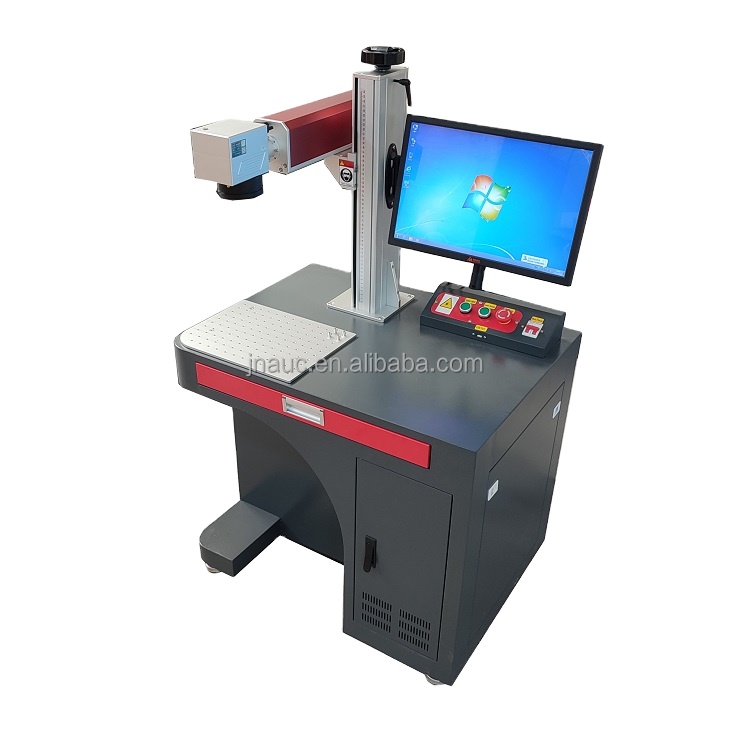
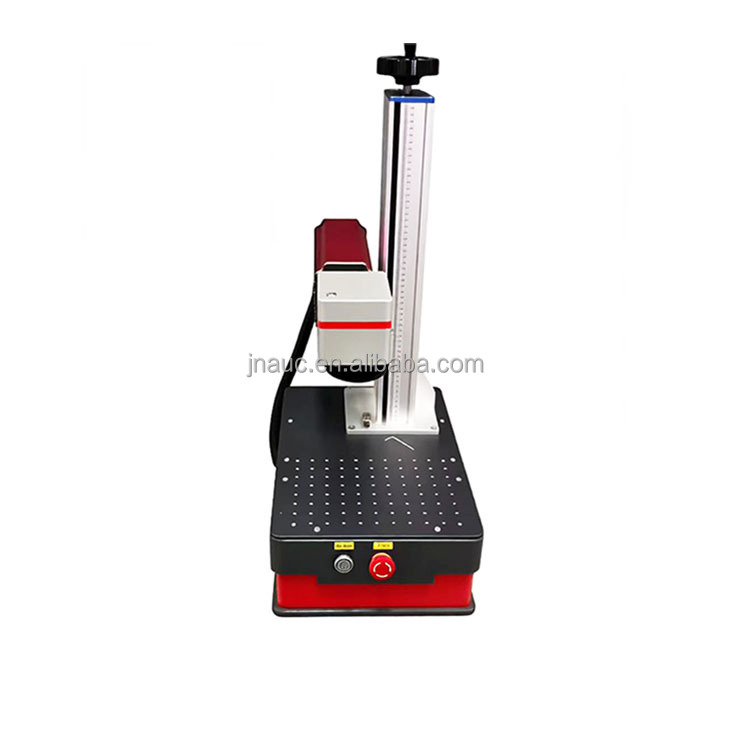
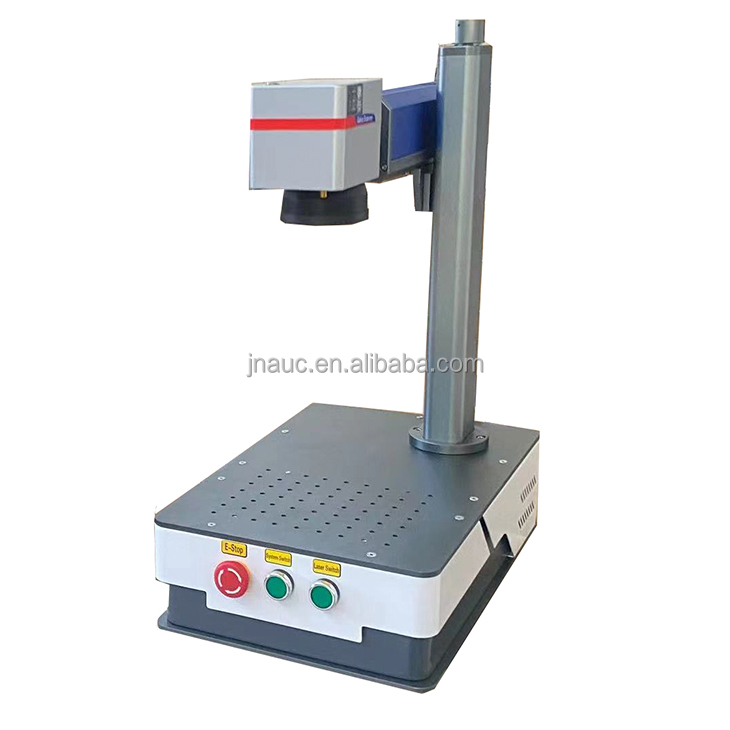
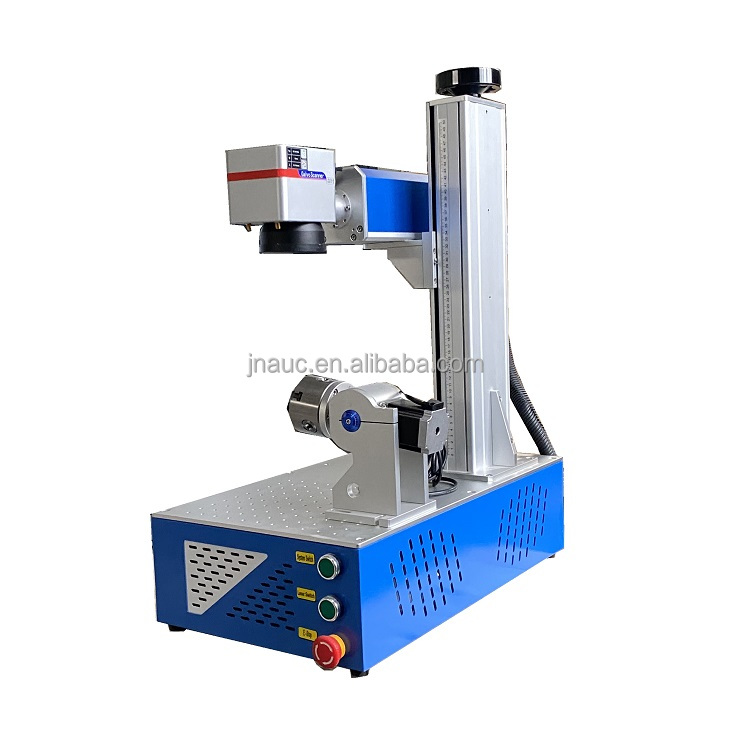
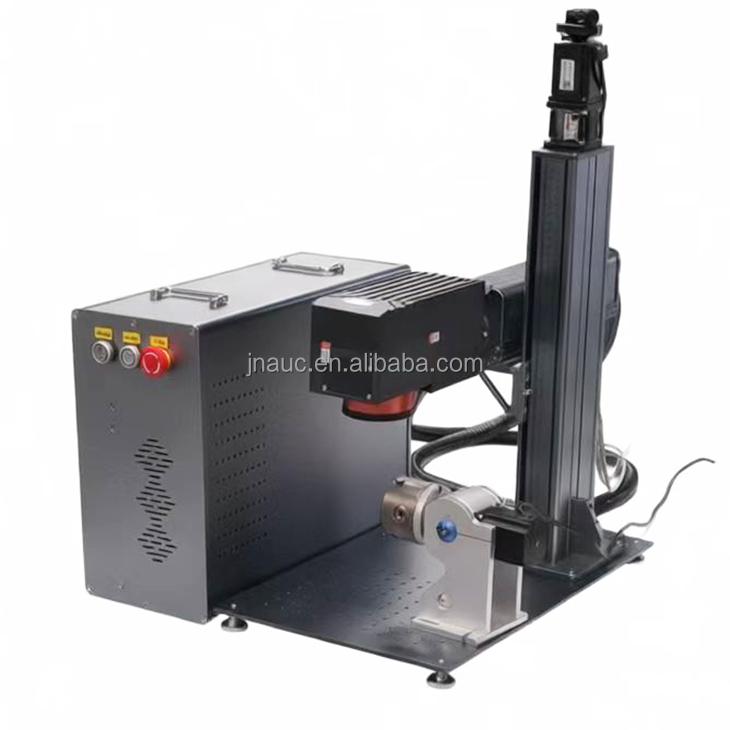
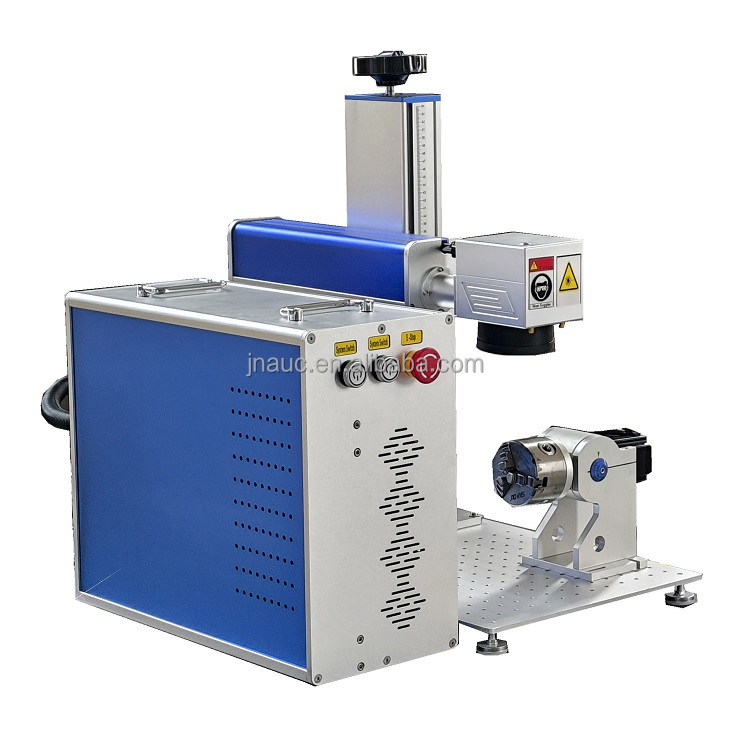
CCD Camera Visual Positioning Automatic Focus Vision System UV CO2 Flying Fiber Laser Marking Machine for Metal Glass Wood

Product Description

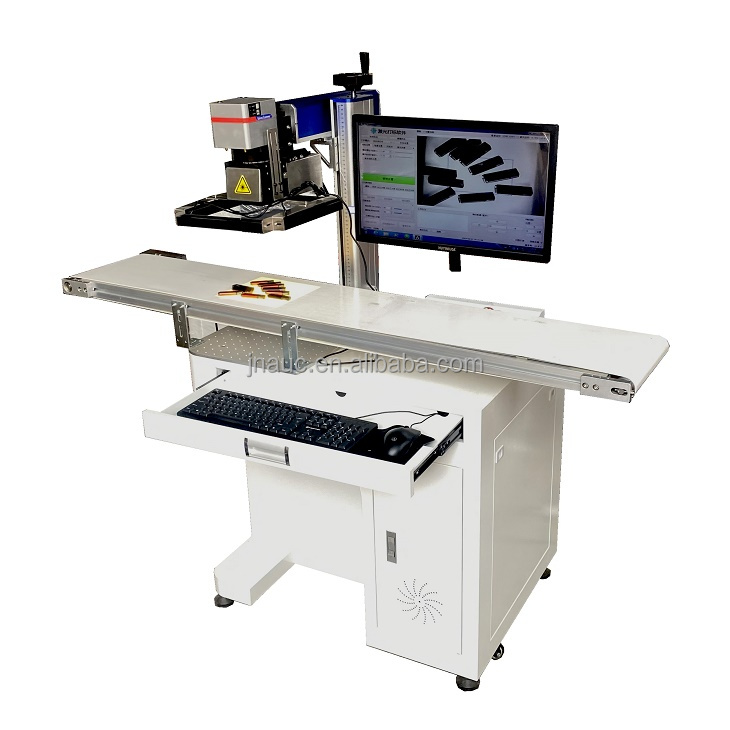
CCD Camera Visual Positioning Automatic Focus Vision System

UV CO2 Flying Fiber Laser Marking Machine for Metal Glass Wood (3D / 2.5D / Auto Focus / Rotary)
All products showcased are manufactured and sold directly by our company. Be cautious of unauthorized sellers who may copy product media to mislead customers.
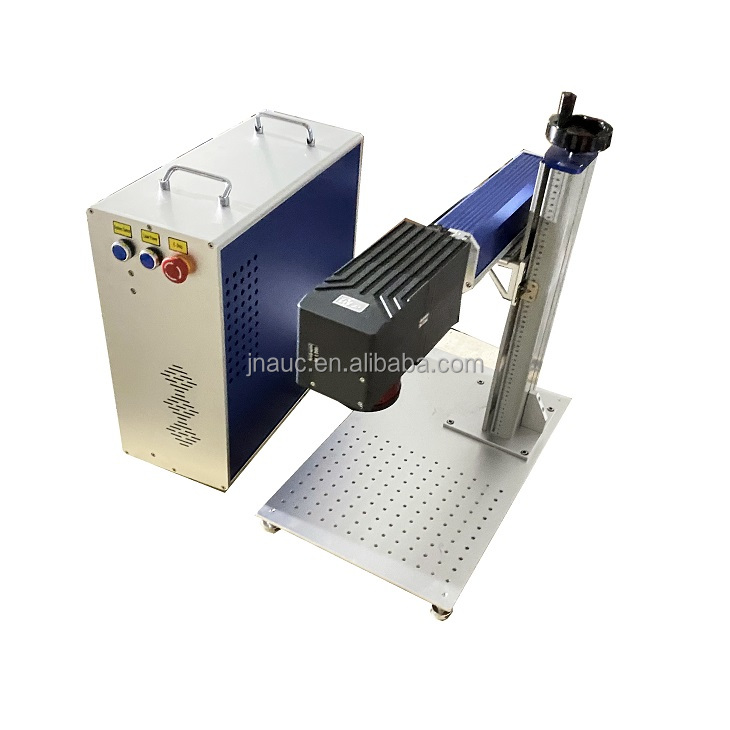
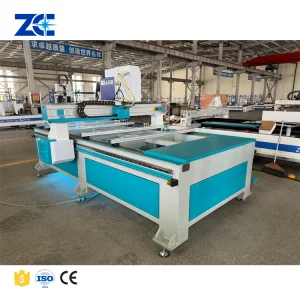
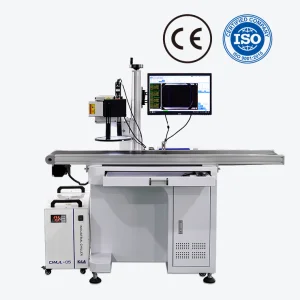
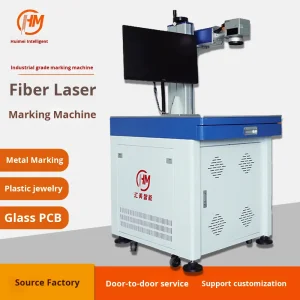
CCD Camera Laser Marking Machine Type 1
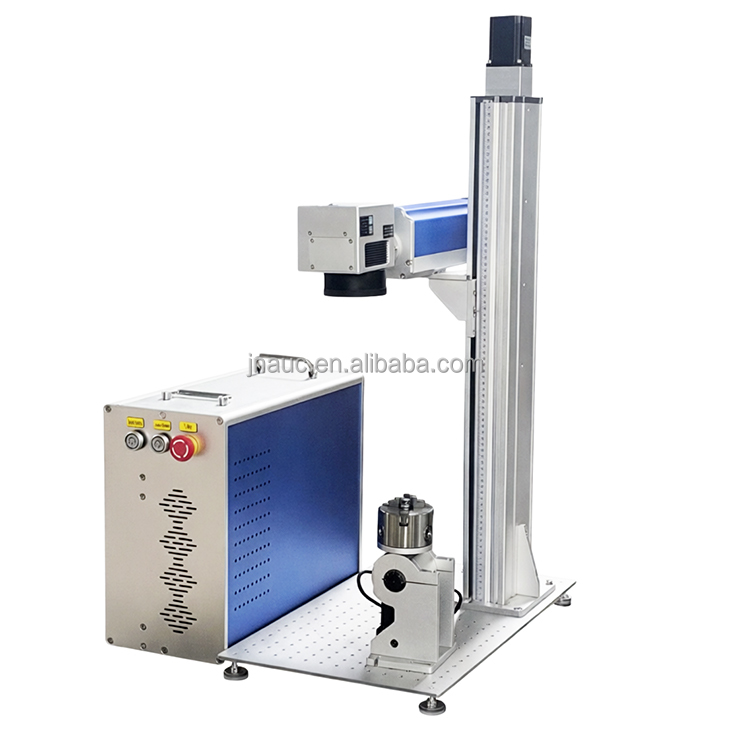
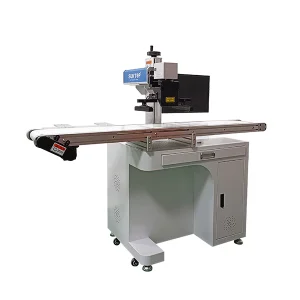
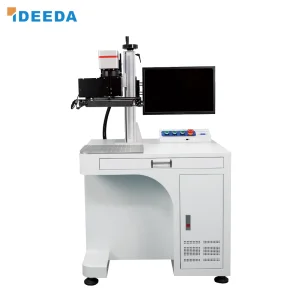
CCD Camera Laser Marking Machine Type 2
Laser Machine Structure
Laser Processing Area
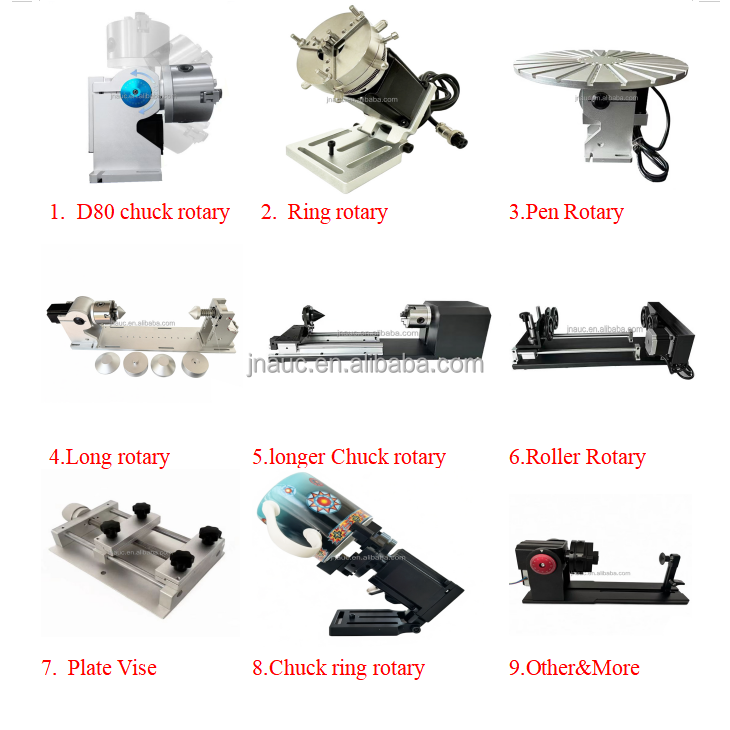
Rotary Attachment Details
Laser Focus Adjustment
Worktable Setup
Auto Focus Device
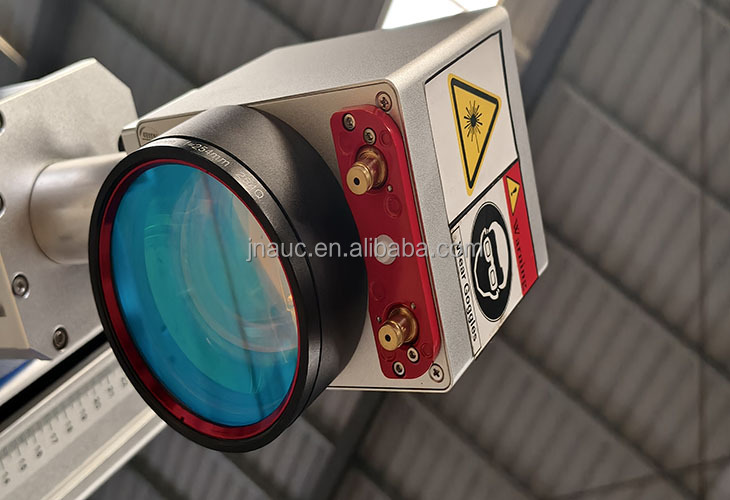
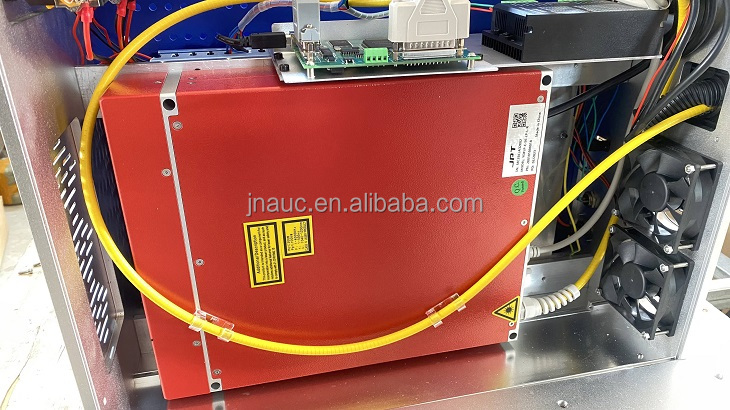
Galvo Scanner Unit
Integrated CCD Camera System
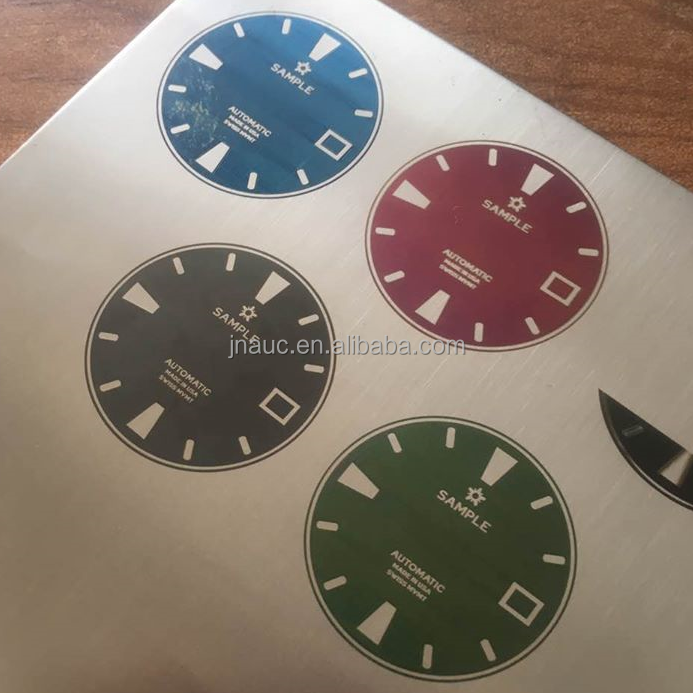
Color Engraving on Stainless Steel
Focal Lens Selection
Deep Engraving Sample
Software Parameters Setup
Visual Path Diagram

Product Specifications

Specification Item Details & Technical Parameters
Item / Model Lightburn JPT Mopa M7 (30W / 60W / 100W) Stainless Steel Color Laser Marking Machine / 3D Metal Plate Deep Engraving Fiber Laser Machine
UV Laser (3W / 5W / 10W / 15W) / RF CO2 Laser Marker (30W / 40W / 50W / 60W / 100W)
Laser Source IPG / JPT / RAYCUS / MAX / HUARAY / DAVI / DXT
Laser Power Options 3W, 5W, 10W, 15W, 20W, 30W, 50W, 60W, 80W, 100W, 200W, 300W
Note: Higher power increases depth capacity and operational speed
Working Area Size 70x70mm, 110x110mm, 175x175mm, 200x200mm, 300x300mm or customized options
Note: Shorter focal lengths provide higher accuracy; longer ranges provide wider coverage
Laser Type Fiber Laser / UV Laser / RF CO2 Laser
Supported Graphic Formats PLT, BMP, JPG, PNG, TIF, PCX, TGA, ICO, DXF, AI, DST
Marking Speed 7000 - 12000 mm/s
Maximum Marking Depth 0 - 1 mm
Laser Wavelength 1064nm (Fiber Type)
Marking Resolution Details Min Line Width: 0.01mm (0.004in) | Min Character: 0.15mm | Resolution: 0.001mm
Supported Software CorelDraw, Photoshop, AutoCAD
Net Weight Range 30 - 90 KGS (dependent on configuration)
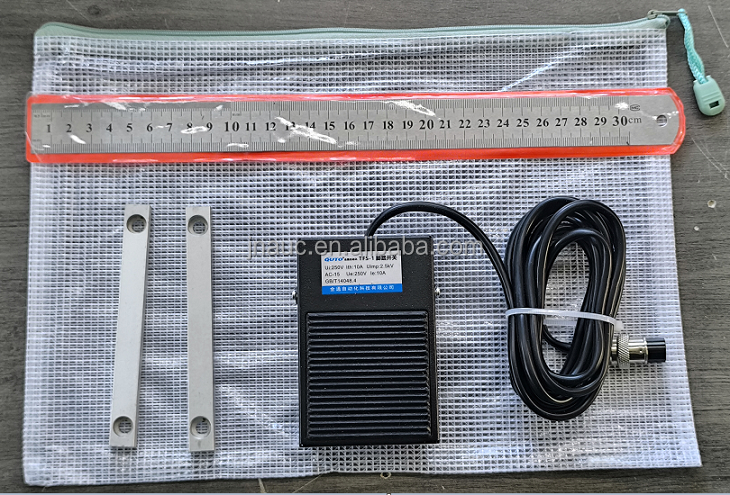
Standard Accessories Included USB connection cable, flash drive with software, protection safety glasses, foot pedal switch, 30cm calibration ruler, retaining clip, external red light pointer
Optional Components Rotary attachment (D80, 100mm, 125mm, 160mm, ring, pen, or conveyor setup), CCD positioning camera, 2.5D/3D focal heads, Auto Focus module, 800mm high gantry column, supplementary focal lenses, air purifier/cleaner

Understanding Laser Technologies

Fiber Laser (1064nm)

Belongs to the near-infrared spectrum and is highly absorbed by metals. Creates markings by melting and vaporizing material surfaces through intense thermal reactions.

Ideal For:
  • Metals (Steel, Copper, Brass, Titanium, Gold, Silver)
  • Rigid Plastics (ABS, PC, PVC, PP, PE)
  • Glass, Ceramics, Wood, Leather

Ultraviolet UV Laser (355nm)

Short-wavelength UV light with high photon energy (~3.5 eV). Directly breaks molecular bonds of materials through photochemical reactions ("cold processing"), creating almost zero heat-affected zones.

Ideal For:
  • Polymers, Plastics, Glass, Crystal, Screen covers
  • Silicon Wafers, PCBs, Flexible PCBs (FPC)
  • High-precision metal coatings, Wood, Leather, Paper

CO2 Laser (10.6μm)

Far-infrared spectrum strongly absorbed by organic substances. Induces carbonization and vaporization of surface molecules through targeted thermal effects.

Ideal For:
  • Wood, Bamboo, Cork, Cardboard, Paper, Textiles
  • Acrylic, Glass, Ceramics, Stone, Rubber, Foams
  • Bare metals (requires special pre-coatings)

Application Selection & Running Costs

Typical Use Cases:
  • Fiber: Metal part numbers, hardware tools, electronic components.
  • UV: Smartphone glass LOGOs, PCB barcode/QR codes, ultra-fine medical device markings.
  • CO2: Wood engraving, date coding on packaging, acrylic cutting.
Operating Cost Breakdown:
  • Fiber Laser: High efficiency (>30%), low energy usage, long service lifespan (50,000 to 100,000 hours), minimal maintenance cost.
  • UV Laser: Consumable crystals and pump sources require periodic replacement, resulting in higher maintenance costs.
  • CO2 Laser: Requires gas replacement (CO2, N2, He mixture) over time, moderate operating costs.

Packaging & Shipping

Secure Packaging

Shipped in standard plywood crates or thick carton packaging to ensure the machine arrives clean, dry, and undamaged.

Delivery Times

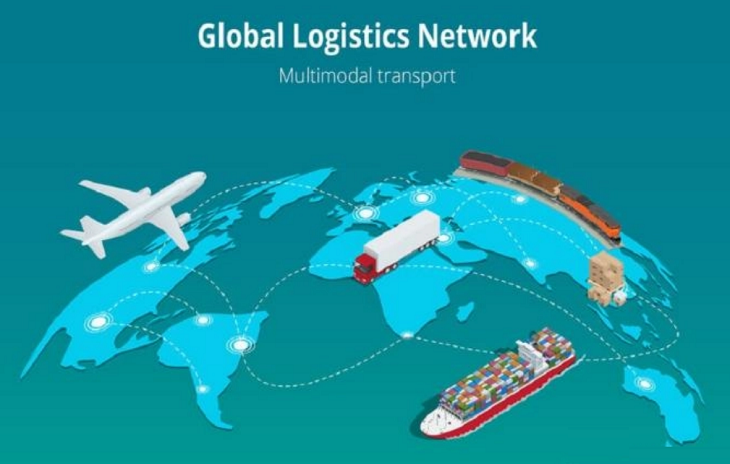
Orders ship within 3 days post-payment. Delivery via express air carriers (FedEx, DHL, UPS, or EMS) usually takes 3 to 7 business days. We will recommend the optimal route (Air, Sea, or Train) based on your cargo size and urgency.
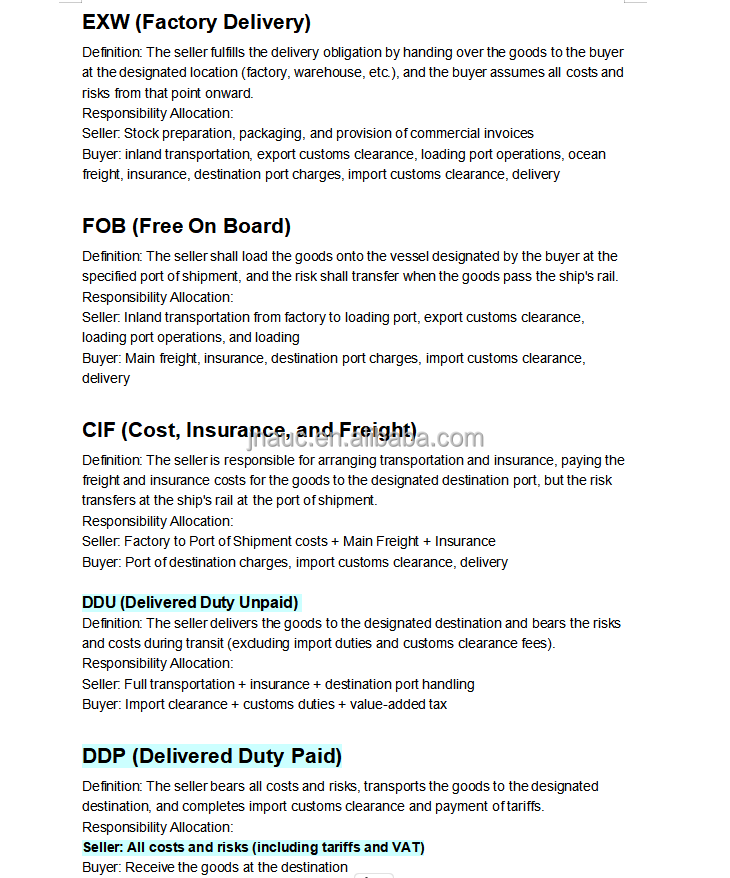
Secure Wooden Packaging
Machine Preparation for Dispatch

Our Service Commitment & Support

Response Commitments

Complete 2-year warranty coverage on the entire laser marking unit.

  • Working Days: Inquiries resolved within 1 hour.
  • Remote Diagnostics: Online sessions within 2 hours.
  • On-Site Dispatch: Travel within 24 hours under urgent requirements.

Technical Resources

Access free operating resources for lifetime system efficiency.

  • Free direct calling/support channels
  • Free remote network assistance
  • Free machinery operation training
  • Free system software upgrades

Repair & Maintenance

Prompt parts services during and beyond the active coverage duration.
  • Complimentary repair components during active warranty period
  • Direct cost-price structural repairs outside standard warranty terms
  • Emergency backup equipment provision (subject to availability)

Frequently Asked Questions (FAQ)

Q1: How do I operate the marking machine? Is extensive training necessary?
A: The machine is fully driven by user-friendly control software. Operation is straightforward. We supply comprehensive graphic instruction manuals and software operating guides prior to shipping to facilitate ease of use.
Q2: What is the typical delivery schedule?
A: Standard order fulfillment and shipping preparation typically require 2 to 5 business days after payment confirmation.
Q3: Do Fiber Laser marking machines require consumable parts?
A: No, Fiber Laser markers operate without regular replacement consumables. This design makes the system highly cost-effective and economical for long-term production.
Q4: What is the difference between Fiber, UV, and CO2 lasers?
A: Fiber lasers (1064nm) are ideal for metals and rigid plastics via thermal processing. UV lasers (355nm) are perfect for ultra-fine marking on heat-sensitive materials (glass, silicon, PCBs) via "cold processing" with no heat-affected zone. CO2 lasers (10.6μm) are standard for engraving organic, non-metallic items like wood, paper, and leather.
Q5: Which materials are not recommended for Fiber Laser marking?
A: Materials such as glass, standard ceramics, silicon wafers, wood, and leather are not suitable for direct fiber laser marking due to their low absorption rates at the 1064nm wavelength or poor marking quality output.
Q6: What services and technical support are covered under the warranty?
A: We provide a comprehensive 2-year warranty on the entire machine, featuring free maintenance services and replacement parts. Additionally, we provide lifetime technical support, remote online assistance, operations training, and complimentary software upgrades.

Related Products