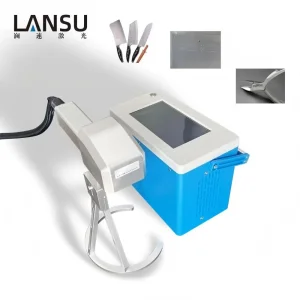
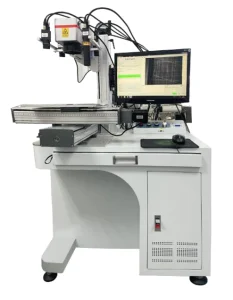
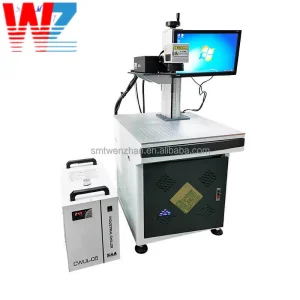
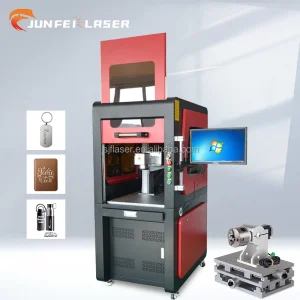
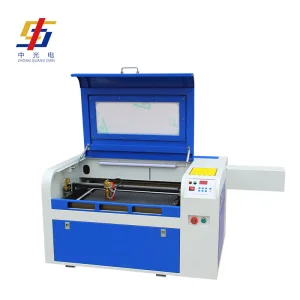
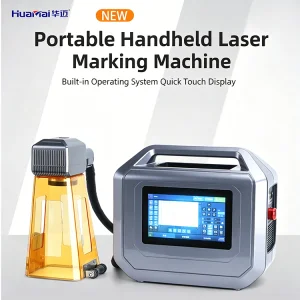
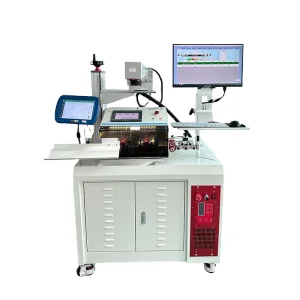
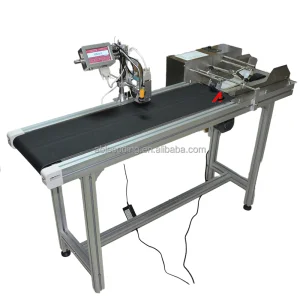
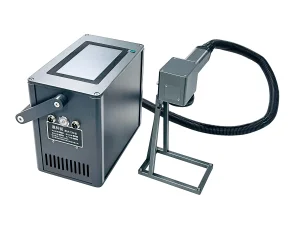
Explore our leading collection of high-precision fiber, UV, and CO2 laser platforms equipped with fully certified protective systems for industrial environments.
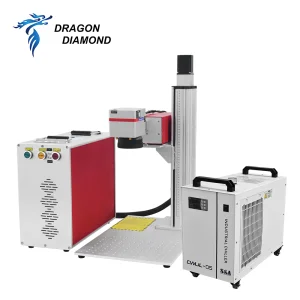
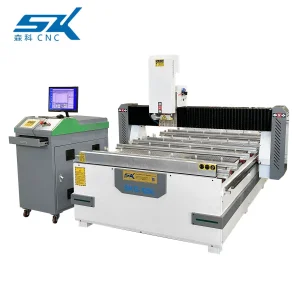
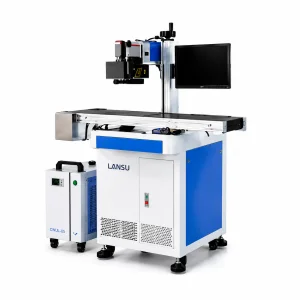
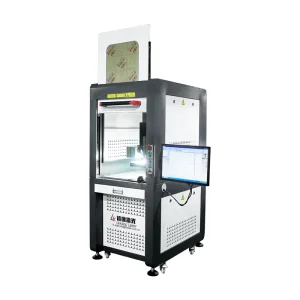
Within modern industrial workflows, the integration of high-power laser system configurations (such as Fiber, UV, and CO2 wavebands) has substantially improved processing throughput and dimensional accuracy. However, these systems inherently generate high-density monochromatic radiation, classified as Class 4 laser hazards under international standards like IEC/EN 60825-1. When unobstructed, these beams pose acute risks of irreversible ocular degradation and tissue trauma.
"To guarantee an active and risk-free environment, global industrial manufacturers must transition from open Class 4 architectures to fully enclosed Class 1 laser systems. This transition is not only a safety best practice but a regulatory prerequisite for access to markets in North America and the European Economic Area."
As a premier OEM/ODM exporter, Hangzhou Kinray Laser Co., Ltd. integrates state-of-the-art protection directly into our production machinery. By engineering dual-channel interlock matrices, high-optical-density (OD) certified viewing panes, and structural absorption cabins, Kinray ensures that maximum power delivery inside the enclosure translates to zero exposure outside. Our solutions are certified under stringent CE directives, safeguarding operators while maintaining absolute operational flexibility.
By adhering to the strictest international verification pathways, our equipment addresses both local safety requirements and high-frequency operational duty cycles. From localized laser emission containment to high-flow fume extraction interfaces, Kinray offers a comprehensive framework for intelligent and safe production lines.
Hangzhou Kinray Laser Co., Ltd. is a leading China industrial laser marking machine manufacturer specializing in advanced fiber and UV laser solutions for global manufacturing industries. With a strong focus on innovation, precision, and intelligent manufacturing, Kinray Laser is committed to delivering high-performance laser equipment that improves production efficiency, product traceability, and marking quality.
Located in Hangzhou, China, the company integrates research and development, manufacturing, sales, and technical support to provide comprehensive laser processing solutions for customers worldwide. Our extensive product portfolio includes fiber laser marking machines, UV laser marking systems, CO2 laser marking systems, MOPA laser markers, flying laser marking machines, 3D laser marking equipment, and customized automated laser solutions.
Kinray Laser products are widely used in electronics, automotive, medical devices, precision hardware, jewelry, packaging, aerospace, consumer goods, and industrial manufacturing industries. Designed for high-speed, high-precision, and permanent marking applications, our systems are capable of processing a wide range of materials, including metals, plastics, ceramics, glass, and composite materials.
Equipped with advanced production facilities and rigorous quality management systems, Kinray Laser maintains strict quality control throughout every stage of manufacturing. Each machine undergoes comprehensive testing to ensure stable performance, reliability, and compliance with international standards.
To support global customers, we offer flexible OEM and ODM services for distributors, system integrators, equipment brands, and industrial manufacturers. Our experienced engineering team works closely with customers to develop customized laser solutions tailored to specific production requirements, automation needs, and industry applications.
Driven by technological innovation and customer satisfaction, Hangzhou Kinray Laser Co., Ltd. continues to expand its global presence and strives to become a trusted partner for intelligent laser processing solutions, helping manufacturers achieve smarter, more efficient, and sustainable production.
Analyzing key shifts in safety regulations, technological developments, and global buyer requirements for industrial laser systems.
Regulatory agencies such as OSHA (USA), FDA CDRH, and EU OSHA are enforcing zero-tolerance policies on open Class 4 laser installations in commercial environments. Procurement agents now mandate Class 1 certified safety enclosures for all standard configurations to protect workers from direct and scattered light hazards.
Factory automation relies heavily on conveyor systems and robotic arms. Modern laser systems must feature motorized vertical axes, pneumatic doors, and dynamic I/O interfaces that communicate with centralized PLCs, ensuring automated processes run safely and efficiently.
The rise of UV (355nm) and Fiber (1064nm) lasers in identical production facilities requires optical viewing windows that block multiple wavelengths simultaneously. Multi-band high-OD barrier glass has become an essential safety requirement for multi-wavelength installations.
How Kinray customizes laser processing and safety protocols for key industrial verticals.
Requirement: Corrosion-free, permanent marks.
Our enclosed UV and MOPA fiber lasers deliver high-contrast markings on surgical tools and implants. The Class 1 housing protects technicians, and built-in exhaust systems quickly remove hazardous micro-particles, maintaining cleanroom standards.
Requirement: High durability & fast processing.
Automobile chassis parts, engine covers, and electronics require rapid 2D/3D marking. Our integrated line systems feature safety sensors and heavy-duty steel barriers that withstand mechanical impacts and continuous high-intensity laser operations.
Requirement: Low heat output & static prevention.
For PCBs, micro-chips, and sensitive components, UV cold laser marking avoids heat damage. Kinray's ESD-safe enclosed workstations prevent static buildup while keeping the workspace safe from ultraviolet light.
Requirement: Safe, high-power customization.
Large structural parts need deep engraving without compromising structural strength. Our high-power, enclosed fiber laser platforms feature advanced vision systems that verify marking depth and quality in real-time.
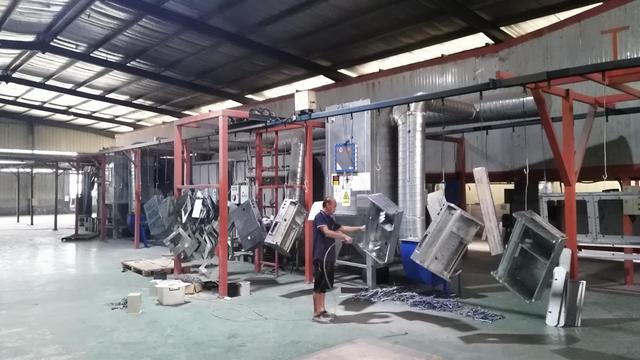
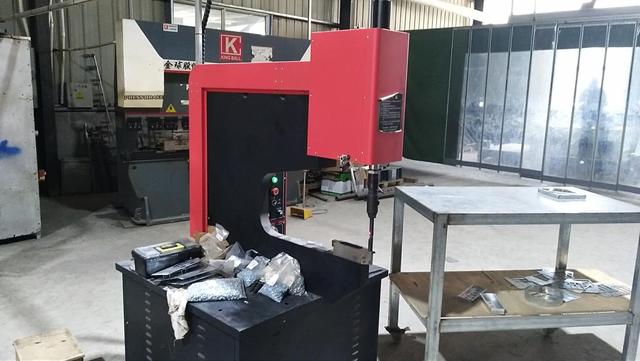
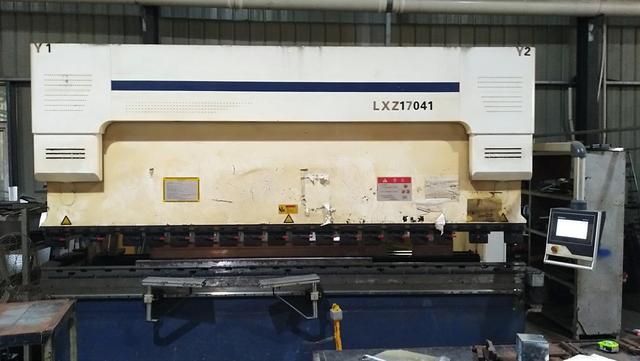
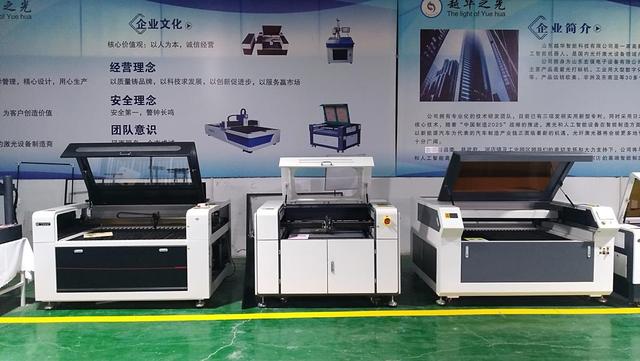
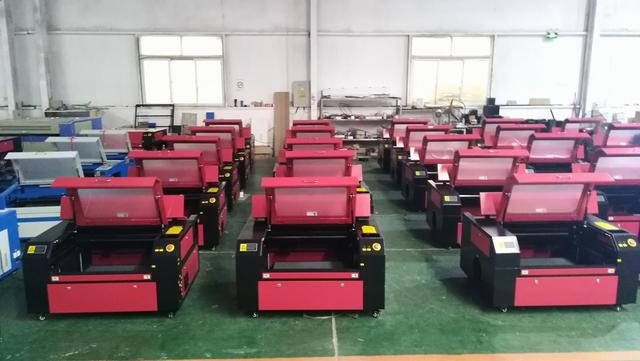
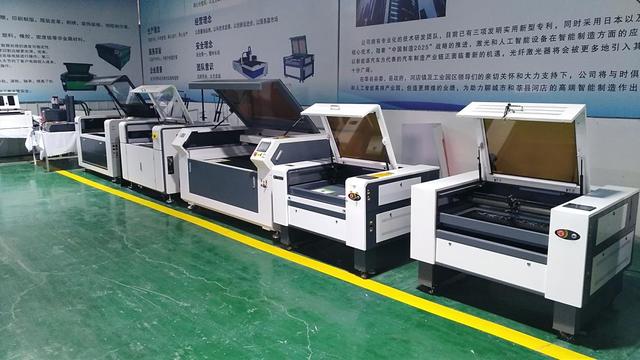
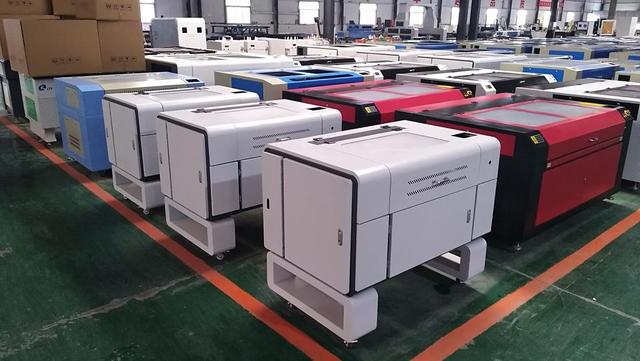
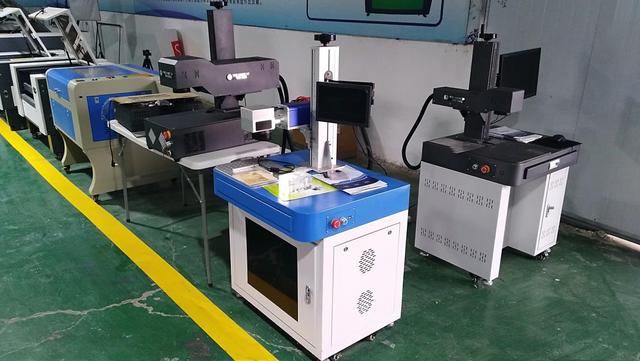
A look inside our ISO-certified production floor, quality control labs, and assembly workshops in Hangzhou, China.
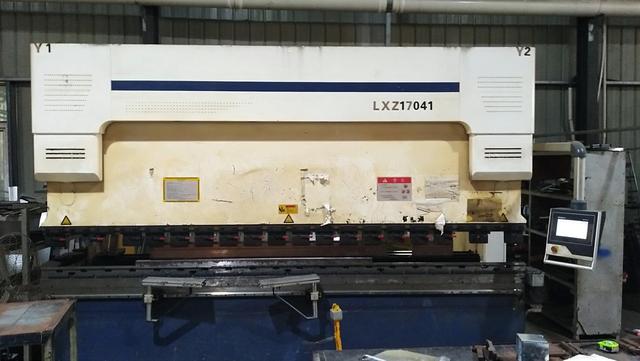
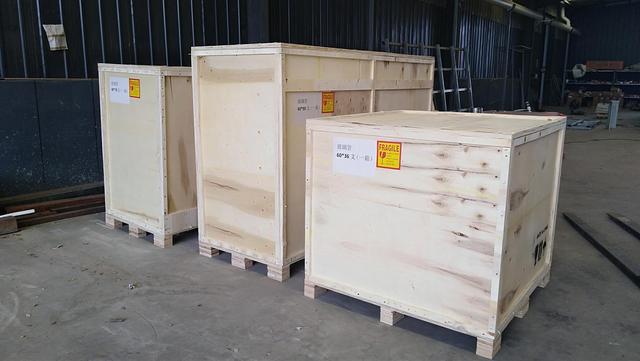
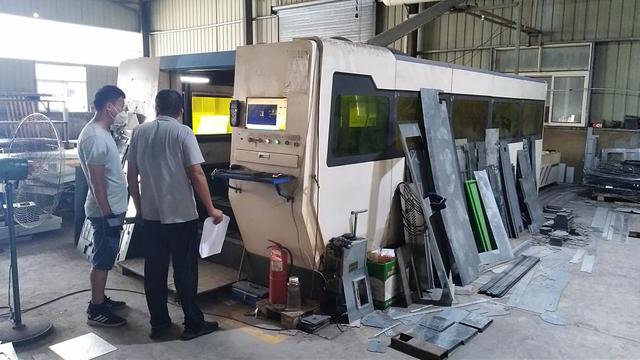
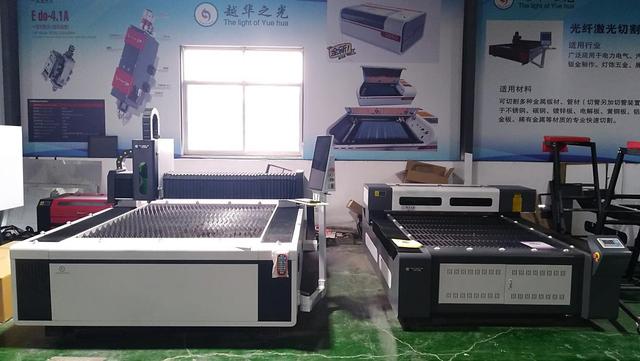
Kinray supports global industrial manufacturers through partnerships with certified distributors, installers, and service providers across North America, Europe, and Asia-Pacific. We provide comprehensive documentation to help our clients secure local regulatory approvals easily.
We are continuously developing new technologies to improve both production efficiency and workplace safety. Our technical roadmap focuses on three main developments:
Explore our complete product catalog, featuring high-speed handheld markers, enclosed cabinet systems, and customized industrial units.
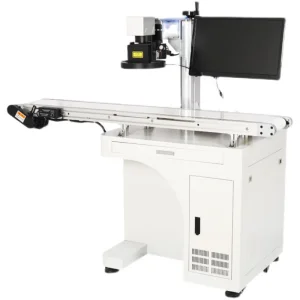
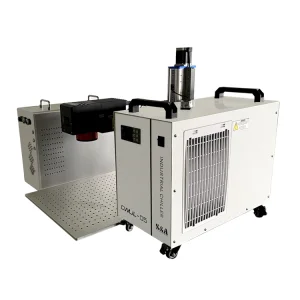
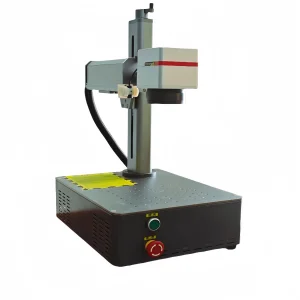
Get answers to common technical questions about safety classifications, regulatory standards, and operational details.
 Kinray Laser