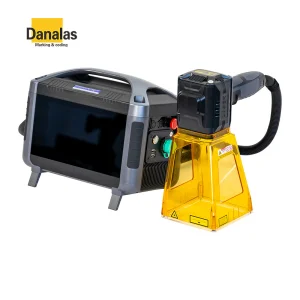
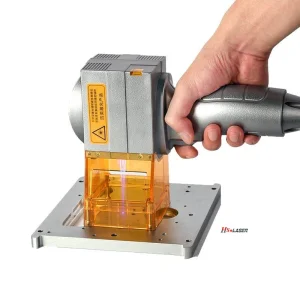
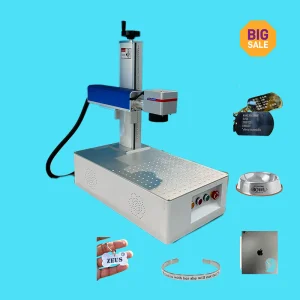
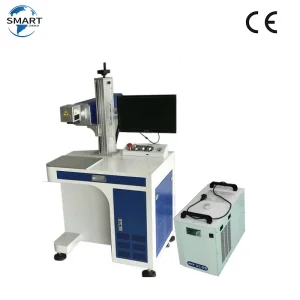
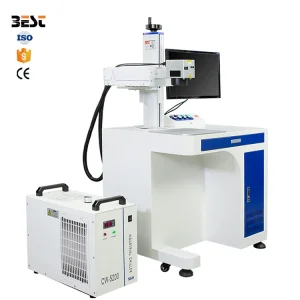
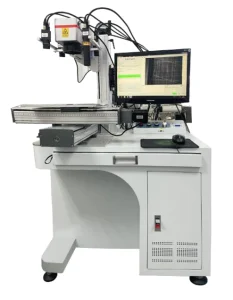
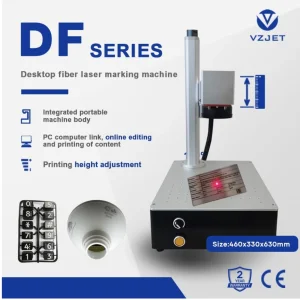
Explore our premium grade laser marking machines engineered for precision manufacturing, electronics traceability, and high-performance production line integration.
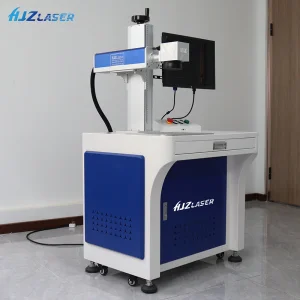

Setting the Standard in Advanced Industrial Laser Engineering and Custom Automated Integrations.
Hangzhou Kinray Laser Co., Ltd. is a leading China industrial laser marking machine manufacturer specializing in advanced fiber and UV laser solutions for global manufacturing industries. With a strong focus on innovation, precision, and intelligent manufacturing, Kinray Laser is committed to delivering high-performance laser equipment that improves production efficiency, product traceability, and marking quality.
Located in Hangzhou, China, the company integrates research and development, manufacturing, sales, and technical support to provide comprehensive laser processing solutions for customers worldwide. Our extensive product portfolio includes fiber laser marking machines, UV laser marking machines, CO2 laser marking systems, MOPA laser markers, flying laser marking machines, 3D laser marking equipment, and customized automated laser solutions.
EEAT Core Competency Value: Unlike standard machinery assemblers, Kinray Laser focuses heavily on System Integration. This means our laser sources, optical scanning heads, mechanical frames, and software controllers are engineered to work in perfect alignment under industrial-grade PLC networks (such as EtherCAT, Modbus, and Profinet), facilitating seamless Industry 4.0 execution.
Kinray Laser products are widely used in electronics, automotive, medical devices, precision hardware, jewelry, packaging, aerospace, consumer goods, and industrial manufacturing industries. Designed for high-speed, high-precision, and permanent marking applications, our systems are capable of processing a wide range of materials, including metals, plastics, ceramics, glass, and composite materials. Equipped with advanced production facilities and rigorous quality management systems, Kinray Laser maintains strict quality control throughout every stage of manufacturing. Each machine undergoes comprehensive testing to ensure stable performance, reliability, and compliance with international standards.
Why China's Top Integration Factories Lead the Global Laser Industrial Market
Sourcing industrial laser integration systems from China, particularly from manufacturing hubs like Hangzhou, offers significant strategic advantages. The clustering of optical research institutes, raw semiconductor suppliers, and precision mechanical factories creates a robust supply chain ecosystem that drastically shortens R&D-to-market cycles.
Direct domestic sourcing of industry-leading Q-switched and MOPA fiber laser sources, ultra-fast UV resonators, and high-reflective optical mirrors reduces lead times and structural costs.
Kinray integrates high-precision dual-axis high-speed galvo scanners, F-Theta telecentric lenses, and industrial linear stages directly with proprietary CAD marking software for optimal control.
Our Quality Management Systems (QMS) enforce a 72-hour full-load thermal stress test on all control units, laser heads, and power supplies to eliminate early operational failures.
By leveraging these supply chain systems, Hangzhou Kinray Laser Co., Ltd. guarantees not just competitive baseline costs, but a substantial information gain through optimized laser tuning, yielding narrower pulse widths, enhanced pulse frequency ranges, and long-lasting optical components.
The Evolution of Sub-nanosecond, Green, and Femtosecond Integrated Laser Architecture
The industrial laser landscape is moving rapidly toward shorter wavelengths and narrower pulse widths. While traditional infrared (IR) fiber lasers remain the workhorse of heavy metal engraving and deep ablation, heat-sensitive applications require advanced cold-processing integration.
Standard Q-switched fiber lasers work well on basic steel and aluminum surfaces, but present limitation on thin foils or hybrid polymers. Kinray’s MOPA (Master Oscillator Power Amplifier) laser systems provide adjustable pulse durations (ranging from 2ns to 500ns) and high repetition rates (up to 1 MHz). This flexibility allows engineers to fine-tune thermal inputs, preventing micro-cracking and achieving high-contrast black marking on anodized aluminum and color markings on titanium alloys.
UV lasers (355 nm) operate through "cold photo-ablation," breaking molecular chemical bonds directly instead of relying on thermal melting. This makes UV integrated markers ideal for medical devices, PCB routing, and high-density polyethylene (HDPE) packaging where thermal damage is strictly forbidden. In our technical roadmap, we foresee increased adoption of femtosecond UV systems to support sub-micron precision engraving.
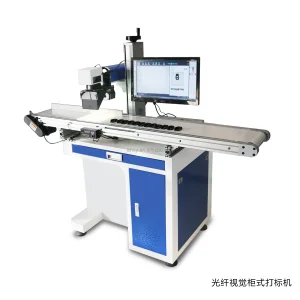
Modern integration demands the complete removal of manual jig setups. Through our Auto Alignment Fiber Laser Marking System, high-resolution CCD cameras capture visual feedback from the work area. Algorithms calculate rotational offsets on-the-fly and automatically modify the marking files, achieving sub-pixel precision alignment even on complex, irregularly arranged components.
Tailored System Integrations Across Global Manufacturing Verticals
A one-size-fits-all approach no longer suffices for global industrial manufacturing. Kinray’s engineers specialize in developing targeted solutions designed for specific production environments:
High-speed inline UV laser engraving systems that operate under strict MES database synchronization to prevent code duplication, marking micro-DM codes on multi-layer PCBs and FR4 substrates.
Fully enclosed fiber and MOPA laser marking systems designed to endure harsh workshop environments, engraving high-contrast 2D DataMatrix codes on cast iron engine blocks and aluminum chassis parts.
Corrosion-resistant laser marking that passes strict passivation cycles (acid treatment) on surgical-grade stainless steel, ensuring zero toxic residues or surface micro-cracking.
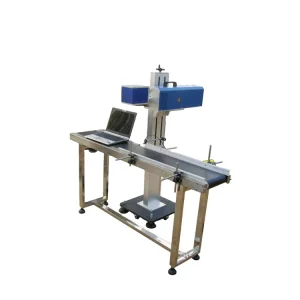
High-speed "flying" CO2 and fiber laser coding units that synchronize with continuous motion bottling lines, engraving expiration dates and QR codes on moving HDPE/PET bottles and foil seals.
A Professional Framework for Engineering Procurement Teams and OEM/ODM Distributors
For technical buyers, comparing data sheets across different exporters can be challenging due to non-standardized metrics. Below is our baseline integration matrix, highlighting the critical parameters for system integration:
| Laser Source Type | Wavelength | Pulse Duration | Ideal Target Materials | Integration Interface |
|---|---|---|---|---|
| Fiber (Q-Switched) | 1064 nm | ~100 ns | Hard Metals, Steel, Brass | I/O, RS-232, USB |
| Fiber (MOPA) | 1064 nm | 2 ns - 500 ns | Alloy Color Marking, Anodized Al, Plastics | TCP/IP, SDK, PLC Trigger |
| UV (Cold Processing) | 355 nm | < 15 ns | Glass, Ceramics, Sapphire, Sensitive Polymers | USB, Ethernet, SDK |
| CO2 Gas Laser | 10.6 μm | Microseconds | Wood, Acrylics, Paper, Leather, Cardboard | I/O, RS-232, USB |
To support global customers, we offer flexible OEM and ODM services for distributors, system integrators, equipment brands, and industrial manufacturers. Our experienced engineering team works closely with customers to develop customized laser solutions tailored to specific production requirements, automation needs, and industry applications.
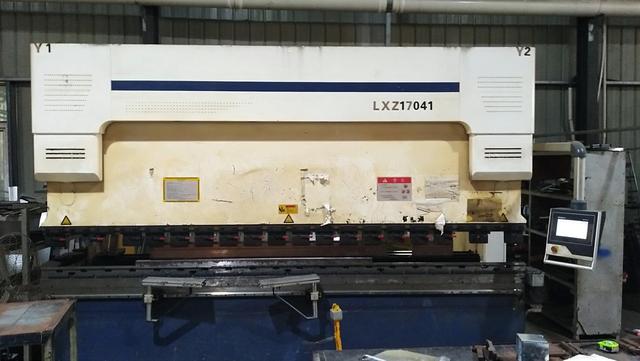
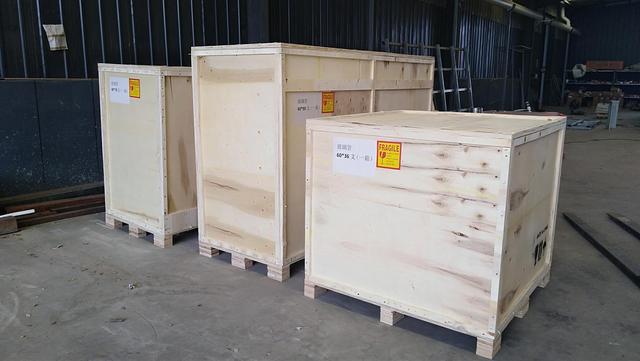
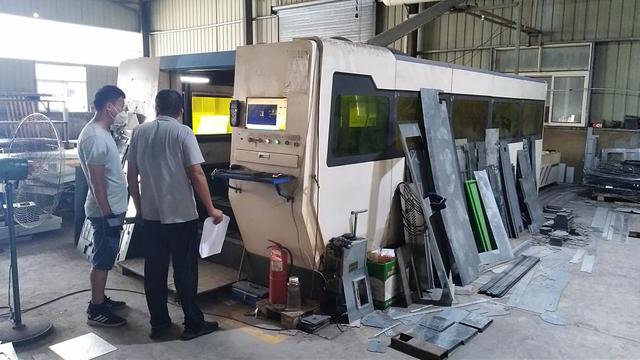
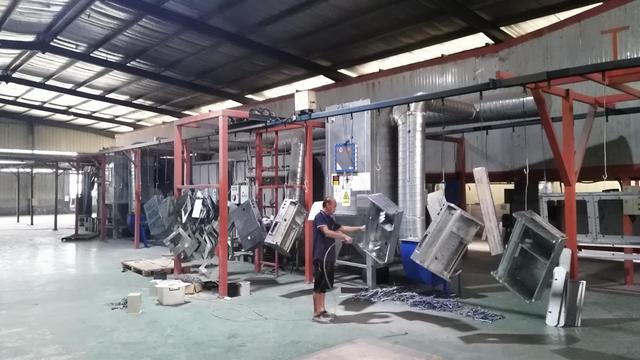
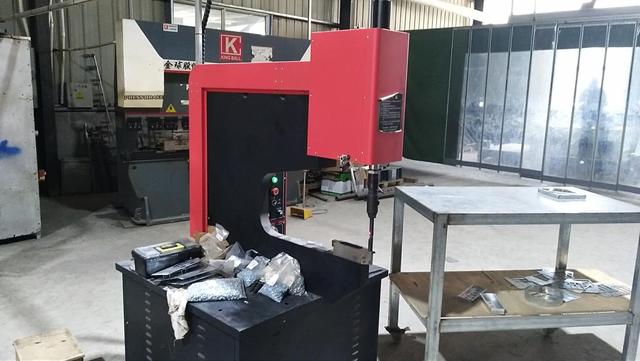
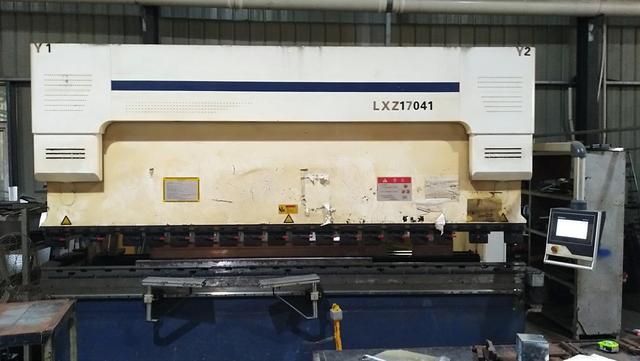
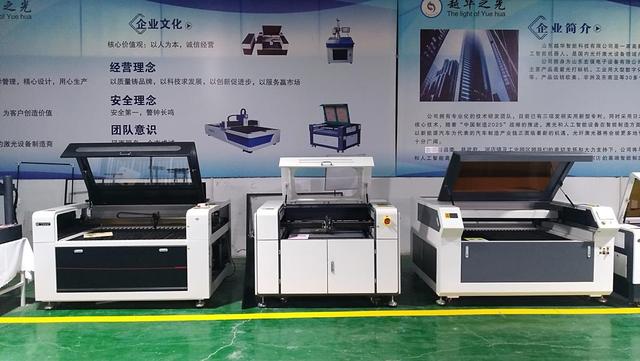
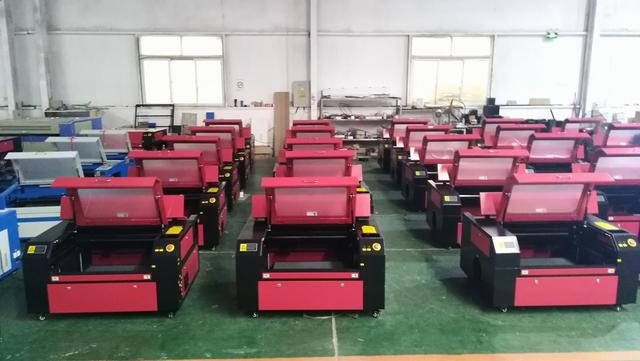
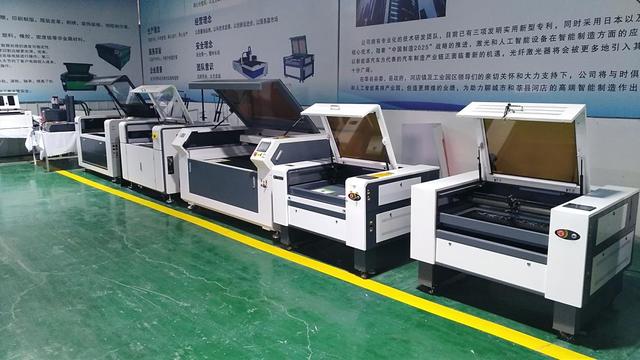
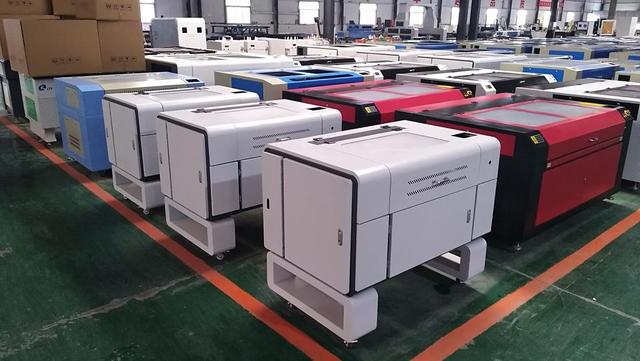
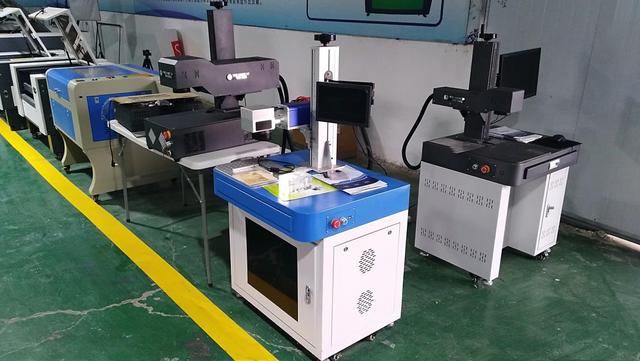
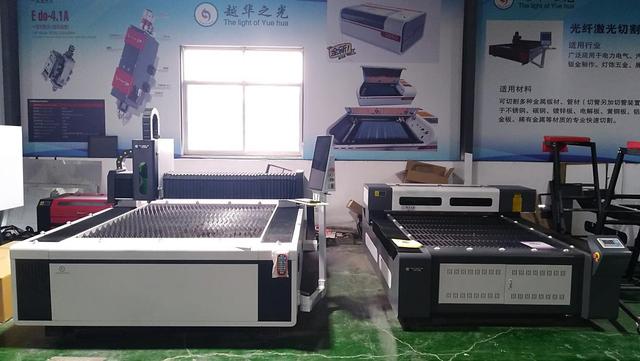
Inside our Hangzhou R&D Facility and Manufacturing Assembly Plant
Ensuring Worldwide Integration Safety and Flawless Regional Deployment
A main bottleneck for global system integrators sourcing from China is regulatory and software localization. At Hangzhou Kinray Laser Co., Ltd., we have systematically built our infrastructure to eliminate these bottlenecks, ensuring that every exported machine meets regional technical and safety standards.
Our industrial enclosures are built in strict compliance with Class 4 safety ratings, containing integrated safety interlocks, optical filtering viewing windows, and emergency stop circuits that align with CE Machinery Directives and FDA CDRH regulations.
We provide full-featured API documentation and dynamic link libraries (DLLs) in C++, C#, and Python. This allows developers to directly control marking engines from ERP, MES, or local database systems without using secondary UI tools.
All touch control systems run human-machine interfaces configured in English, Spanish, German, French, and Japanese, supporting global operators and minimizing onboarding training times.
Expert Answers to Technical Questions from Mechanical Engineers, Procurement Directors, and Integrators
Premium CO2, Fiber, and UV Solutions Designed for Superior Performance and High-speed Output
 Kinray Laser