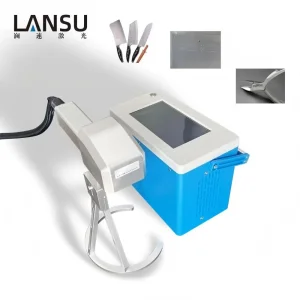
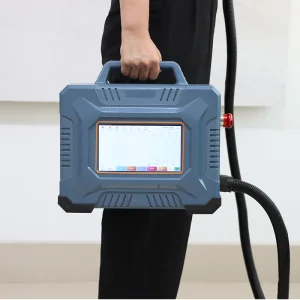
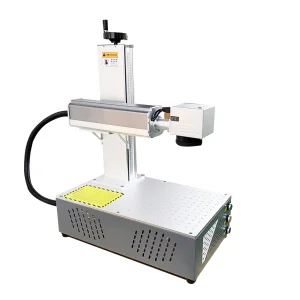
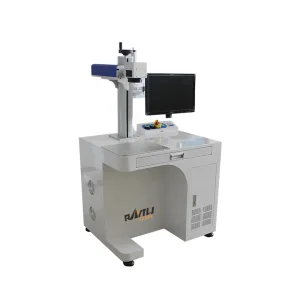
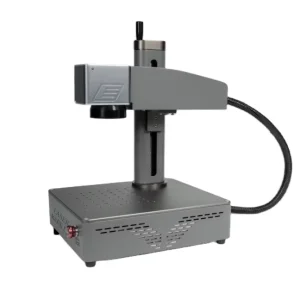
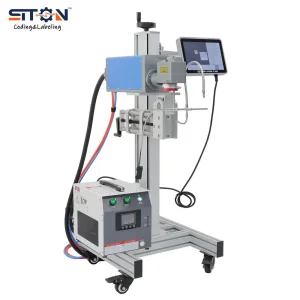
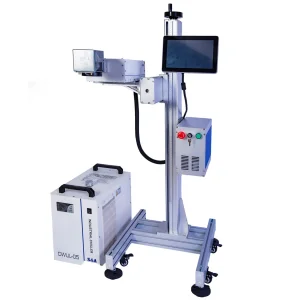
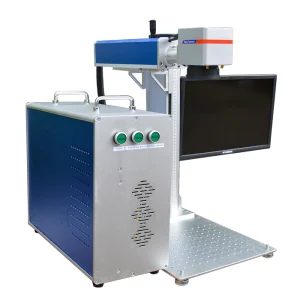
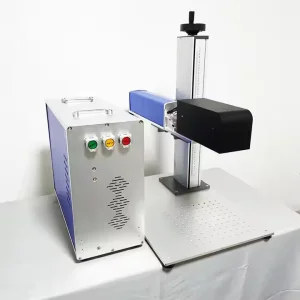
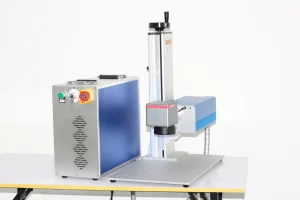
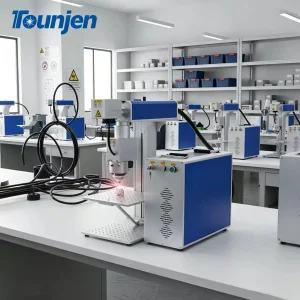
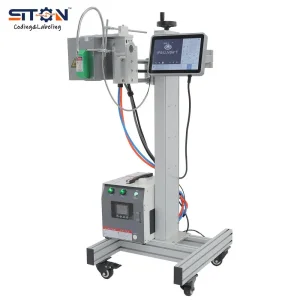
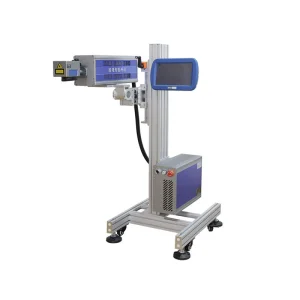
Explore our elite selection of industrial-grade laser marking equipment engineered for optimal micro-ablation, coding speed, and materials versatility.
A Strategic Industry Briefing on Hangzhou Kinray Laser’s Capabilities and Global Footprint
Hangzhou Kinray Laser Co., Ltd. stands at the forefront of China's advanced industrial laser technologies. We specialize in configuring high-precision Fiber, MOPA, UV, and CO2 laser solutions that cater specifically to the demands of modern manufacturing. Through continuous R&D and precision hardware alignment, we ensure maximum uptime and sub-micron repeatability for global integrators and brands.
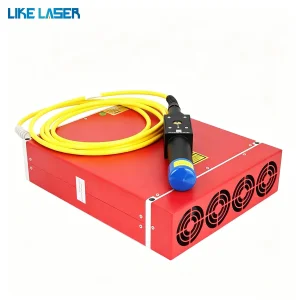
Integrating advanced optic assemblies, proprietary galvo-scanner controllers, and stable laser sources (including JPT, Raycus, and IPG), Kinray engineers industrial systems built to withstand 24/7 assembly-line conditions. Our focus lies in providing localized, flexible engineering customization (OEM/ODM) to ensure seamless physical and digital protocol integration into modern smart factories.
Our systems facilitate high-contrast, zero-thermal-stress marking across highly sensitive substrates. From automotive VIN etching on stainless steel and medical-grade UDI marking on passivation-stable surgical instruments, to high-speed batch coding on flexible multi-layer polymer food films, we match the physical mechanics of the laser pulse to the exact chemistry of the material.
How Kinray leverages its strategic location and localized vendor integration to secure reliability for global buyers.
In the global market of industrial laser systems, cost reduction must never come at the expense of component reliability or engineering quality. At Hangzhou Kinray Laser Co., Ltd., we combine the deep cost advantages of the Chinese industrial ecosystem with top-tier international quality controls. This balance gives global businesses a reliable edge in supply chain management:
A detailed look at the technology driving Kinray's laser systems, outlining our current engineering milestones and research direction.
Unlike standard Q-switched fiber laser systems which operate at fixed pulse durations, our MOPA (Master Oscillator Power Amplifier) configurations (using JPT M7 and Raycus sources) support adjustable pulse widths from 2ns to 500ns. This tuning lets us control the thermal input on the material. Users can perform high-contrast black marking on anodized aluminum and color marking on stainless steel without compromising the material's corrosion resistance.
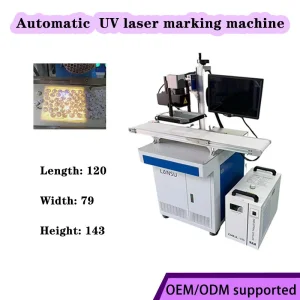
Our UV laser systems (ranging from 3W to 10W at a wavelength of 355nm) utilize a highly focused spot sizes to initiate "cold processing". Instead of relying on thermal melt dynamics, the UV photons break molecular bonds directly within the material. This cold-processing technique prevents thermal micro-cracking and heat damage on sensitive materials like medical polymers, silicone, thin glass, and flexible PCBs.
By integrating automated z-axis height-sensing arrays and dynamic 3-axis galvanometer controls, our 3D marking systems adjust the focal plane in real time. The software processes complex DXF models to map paths over slopes, cylinders, spheres, and stepped components, ensuring consistent line thickness and contrast across varying depths.
Real-world deployment scenarios illustrating how Kinray laser systems optimize production processes across various industries.
In aerospace and automotive manufacturing, components must endure extreme environments while remaining traceable. Our high-power 50W fiber lasers are used to engrave deep, high-contrast Datamatrix codes, serial numbers, and logos directly onto hardened metals like titanium and engine block alloys. These marks resist heat, wear, and chemical exposure, ensuring long-term traceability.
Medical instruments require permanent markings that resist corrosion during repeated sterilization. Kinray’s MOPA laser systems modify the surface oxides on surgical stainless steel, titanium, and medical polymers to create clear Unique Device Identification (UDI) markings. This process avoids creating micro-cracks or deep grooves where bacteria can build up, keeping devices safe and compliant.
Modern electronics rely on trace coding on extremely small, heat-sensitive components. Our UV laser marking platforms use short-wavelength beams to mark micro-QR codes onto PCB substrates, FR4, and copper tracks. This provides crisp, high-resolution marks without causing heat damage or delamination on adjacent circuits.
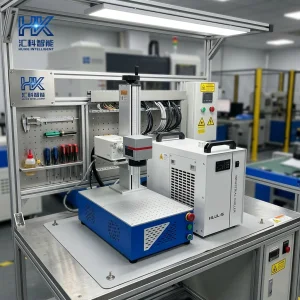
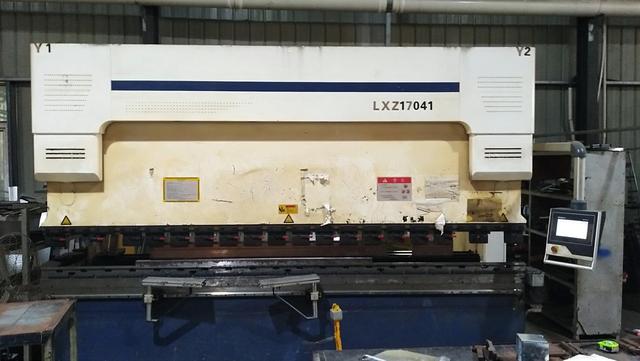
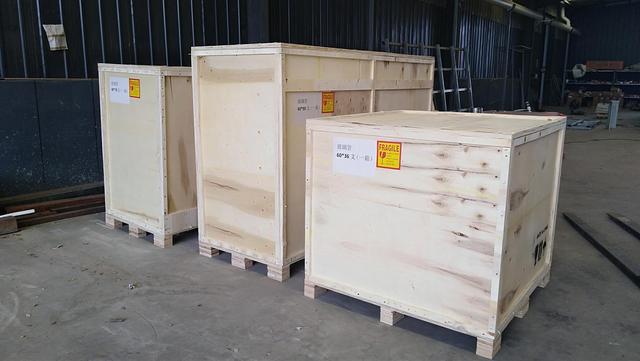
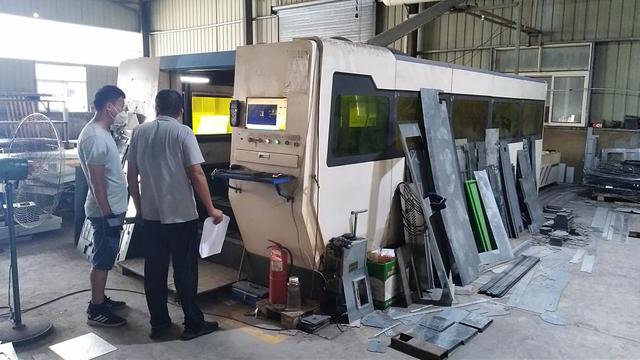
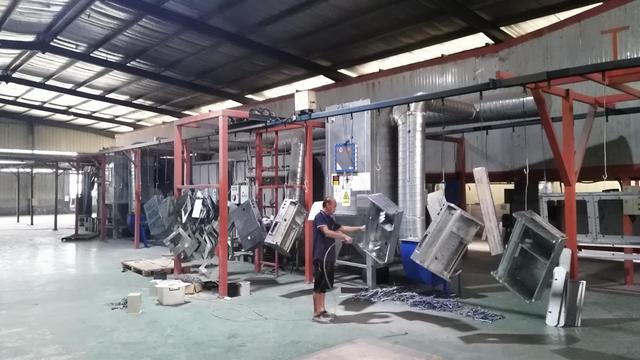
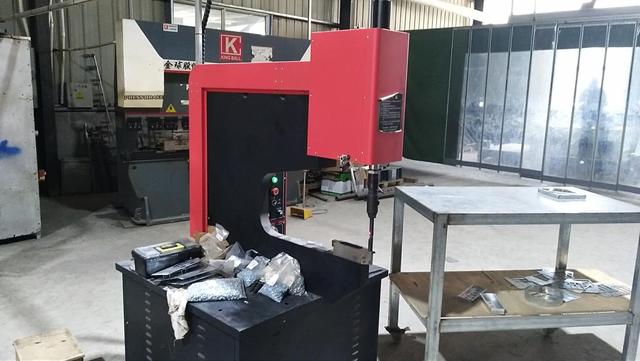
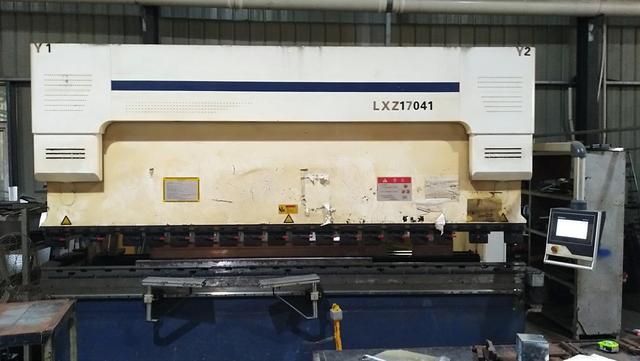
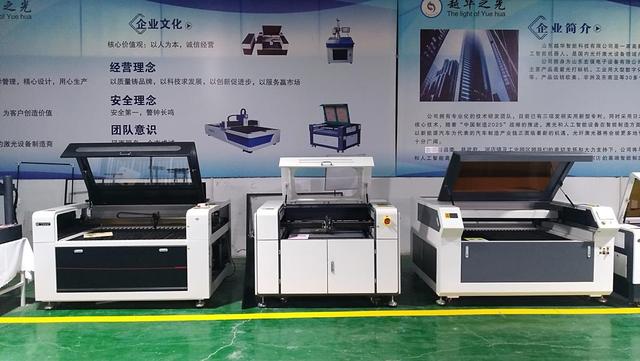
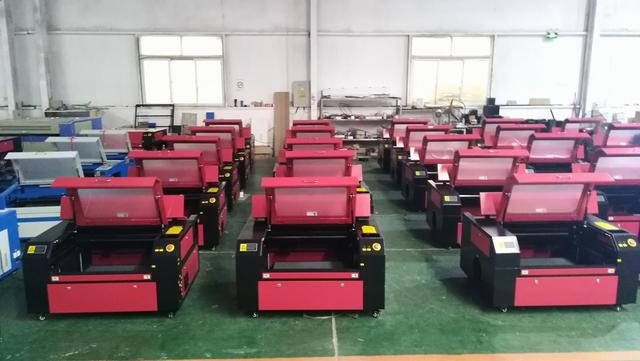
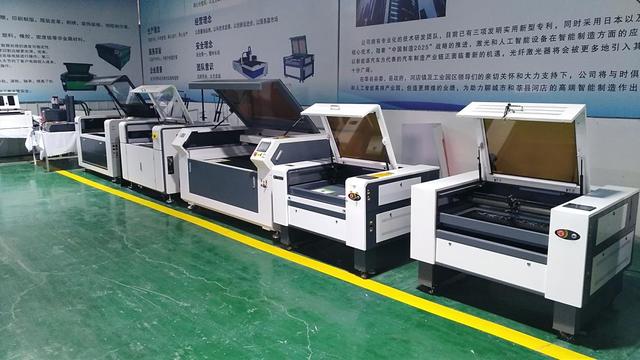
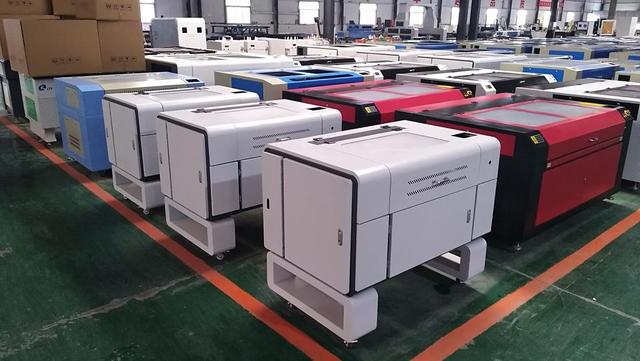
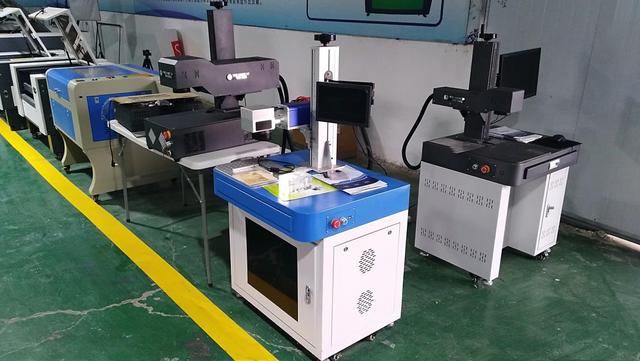
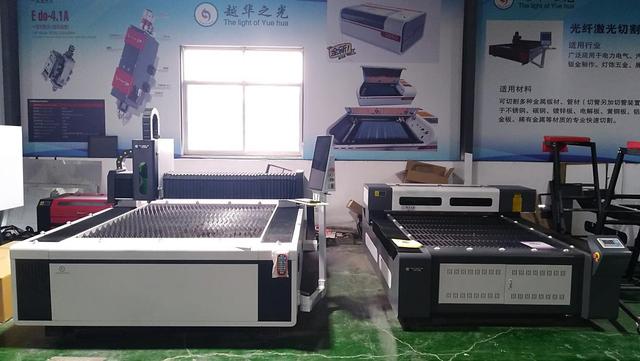
Inside our Hangzhou manufacturing facility, where optical precision and structural engineering come together.
How Kinray supports global distributors and ensures hassle-free customs clearance and setup.
Every Kinray laser machine conforms strictly to international safety and emission directives, holding certifications like CE machinery approvals, FDA registrations, and FCC compliance. This compliance ensures hassle-free customs clearance and smooth installation in both North American and European production environments.
We provide localized engineering support through multi-lingual technical assistance, online setup assistance, and detailed documentation. For key regional integrators, we offer on-site commissioning support and detailed training to help operators optimize marking speeds and configuration settings.
To maximize system uptime, we maintain dedicated regional spare parts inventories, including extra lenses, replacement galvos, laser controllers, and power units. This setup allows us to dispatch replacement components rapidly, minimizing downtime for global production lines.
Deep engineering answers to help you select the ideal laser marking system for your production requirements.
Select specialized laser marking systems designed for glass, plastics, organic materials, and high-speed packaging applications.
 Kinray Laser