Explore our leading industrial-grade lasers engineered for accuracy, high-speed throughput, and continuous deployment.
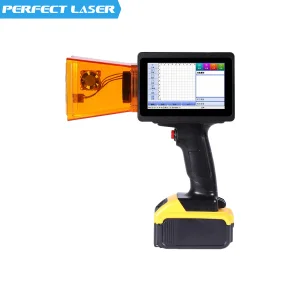
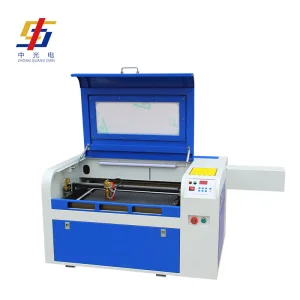
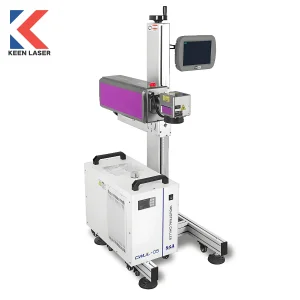

Founded on the principles of optical precision, structural reliability, and systemic intelligence, Hangzhou Kinray Laser Co., Ltd. stands as a premier global China industrial laser marking and cutting machine manufacturer. Our core expertise resides in developing advanced fiber, UV, and CO2 laser solutions that integrate seamlessly into complex industrial workflows.
Strategically headquartered in Hangzhou’s manufacturing and high-tech development corridor, we maintain control over our entire value chain. From raw R&D engineering to assembly, optical alignment, multi-phase safety verification, and post-sale technical deployment, our processes are certified to strict quality benchmarks.
Kinray Laser devices are built to serve sectors where reliability and micro-accuracy are non-negotiable: aerospace electronics, automotive assemblies, micro-medical devices, and high-volume consumer goods packaging. We provide systems that ensure clear permanent tracking, low thermal impact, and operational longevity.
Our design approach centers on optimizing beam profile metrics ($M^2$), ensuring thermal dissipation control, and maximizing galvanometer scanner response times.
Providing reliable material-processing solutions across global industrial sectors to meet demanding modern production requirements.
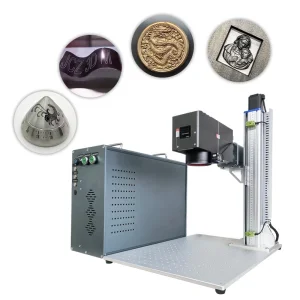
Our JPT MOPA and high-power fiber laser markers provide direct part marking (DPM) for critical components. Engineered to handle high thermal stresses, these systems deliver permanent, high-contrast marks on titanium, anodized aluminum, and specialty alloys, ensuring structural integrity and lifetime readability.
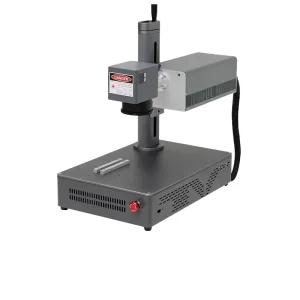
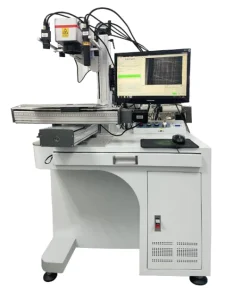
Using short-wavelength 3W and 5W UV laser units, our equipment minimizes the heat-affected zone (HAZ) on delicate multi-layer FR4 boards and silicon wafers. Integrated with high-resolution machine vision, these marking systems reliably output readable micro-QR codes without causing micro-fracturing or delamination.
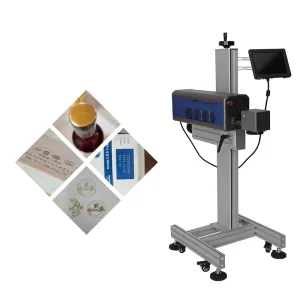
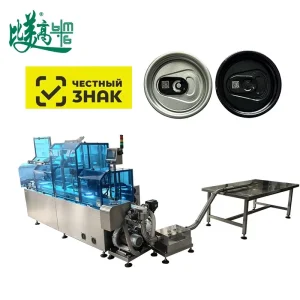
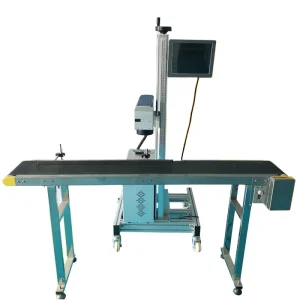
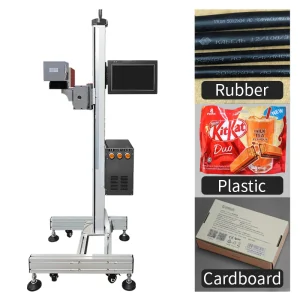
Kinray's high-speed flying CO2 and UV laser markers are built to match modern high-output packaging lines. Designed for continuous coding on PET, HDPE, glass, and cartons, these systems integrate with real-time OCR vision checking to ensure clear expiry codes and automated rejection of misprints.
Selecting the correct laser source is critical for optimizing production efficiency and minimizing unit costs. The table below outlines our primary source technologies and their typical operational parameters.
| Laser Source Type | Wavelength | Primary Application Substrates | Marking/Cutting Mechanism | Heat-Affected Zone (HAZ) |
|---|---|---|---|---|
| Fiber Laser (Standard/MOPA) | 1064 nm | Steel, Aluminum, Titanium, Brass, Engineered Plastics | Thermal Engraving & Melting (Photothermal) | Moderate to Low (Controlled by pulse width) |
| UV (Ultra-Violet) Laser | 355 nm | Glass, Delicate Polymers, PCBs, Silicon Wafers | Cold Photoablation (Chemical Bond Breaking) | Minimal (Negligible thermal degradation) |
| CO2 Laser | 10.6 µm | Wood, Acrylic, Paper, Leather, Glass, PET | Thermal Ablation & Vaporization | High (Substrate dependent) |
By tailoring parameters such as pulse duration, repetition rate, and spot size, Kinray Laser engineers design systems that deliver precise processing and clean edges across a wide range of materials.
Navigating international industrial standards requires strict attention to compliance. At Hangzhou Kinray Laser Co., Ltd., our manufacturing processes align with worldwide regulatory frameworks, making importing and local integration straightforward for partners in the EU, North America, and beyond.
Our machines are manufactured under certified ISO 9001:2015 quality management systems. Individual product configurations conform to the European Union's CE Directives (Machinery Directive 2006/42/EC, Low Voltage Directive 2014/35/EU) and laser safety standard EN 60825-1. For North American markets, our systems are designed to meet FDA (CDRH) compliance requirements, including interlock systems, shutter mechanisms, and light path shielding.
Purchasing machinery from overseas requires reliable, long-term support. We offer complete technical backing to help system integrators, distributors, and OEMs keep their equipment running reliably:
How Kinray Laser systems solve practical production challenges across various operating environments.
Process: UV Laser Cold Micro-Marking
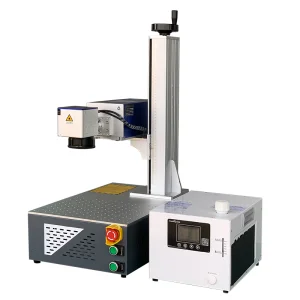
In high-throughput PCB assembly, static charge and thermal stress can damage sensitive components. Our desktop 3W/5W UV laser systems use localized cold marking to etch 0.5mm QR codes on FR4 substrates without generating dust or causing thermal cracking, helping manufacturers maintain strict yield standards.
Process: Flying CO2 Laser Printing
For high-volume bottling lines running up to 50,000 units per hour, ink-based printing often requires frequent maintenance. Our flying CO2 laser coders engrave expiration dates directly onto PET bottles. The non-contact process avoids consumables, maintains clear legibility, and handles continuous production demands.
Process: Dynamic 3D Fiber Laser marking
Engraving structural components requires durable marks that resist wear and surface treatments. Our 50W-100W JPT MOPA systems mark clear VIN codes and 2D datamatrices directly onto curved cast iron, aluminum housings, and treated steel, ensuring long-term traceability through every assembly stage.
Industrial manufacturing is moving toward higher automation and real-time process monitoring. Kinray Laser’s R&D team targets three main areas of technological development:
1. Machine Vision Inspection: Integrating high-speed cameras directly with the laser scan head allows the system to auto-adjust for component positioning, check mark quality in real time, and automatically reject defectives without slowing the line.
2. Smart Control Systems: Our control software supports integration with MES (Manufacturing Execution Systems) and ERP databases via OPC-UA protocols. This allows production data to flow directly to the laser marker for automated print-job updates.
3. Short-Pulse Precision: We continue to refine pico-second and femto-second laser sources for micro-machining jobs that demand clean cuts and zero thermal transfer on delicate substrates.
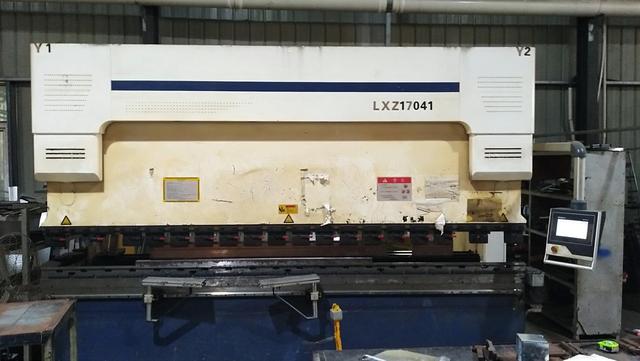
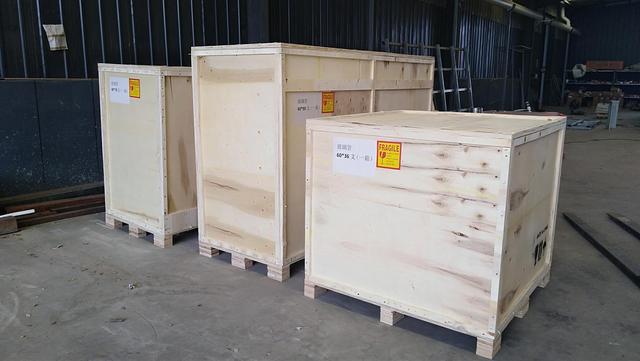
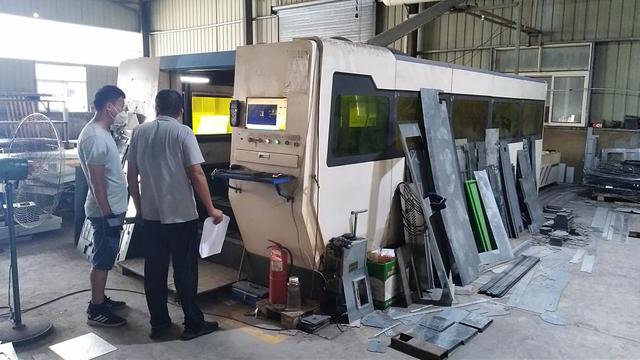
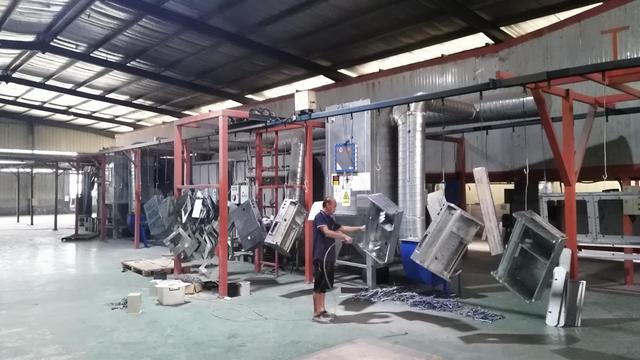
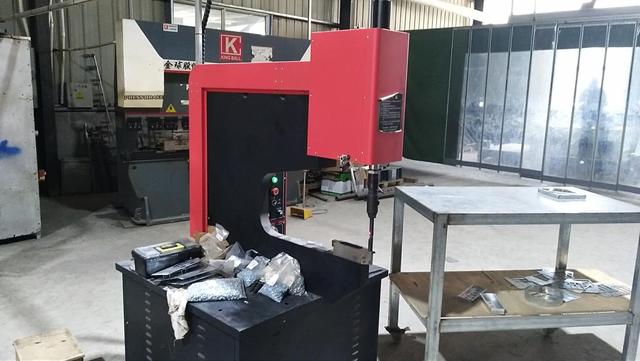
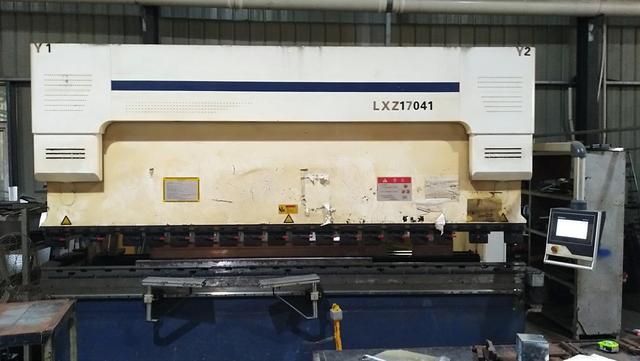
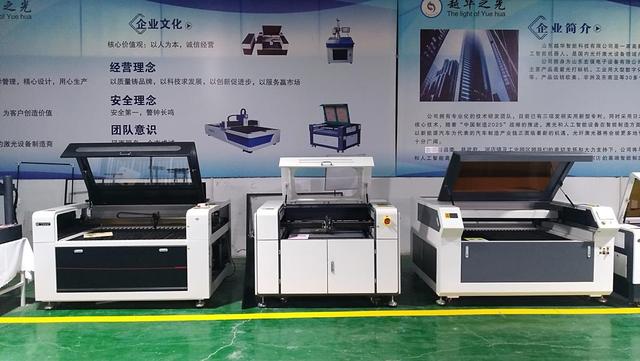
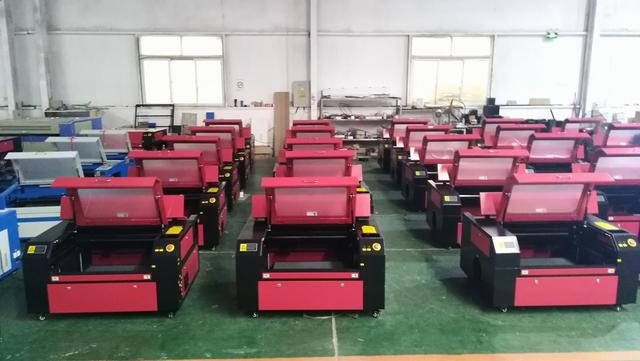
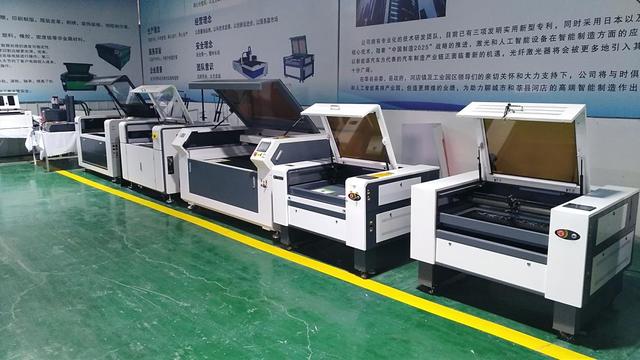
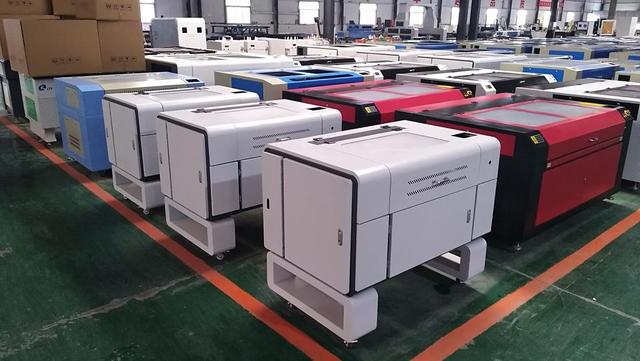
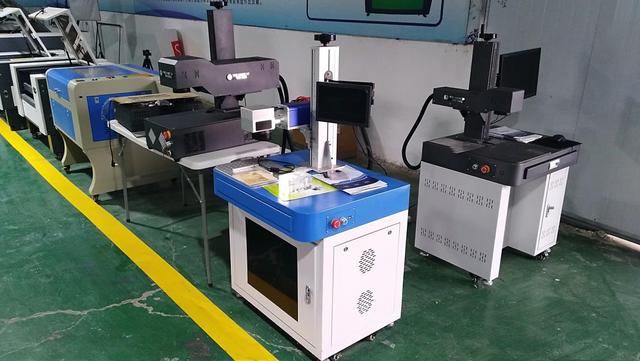
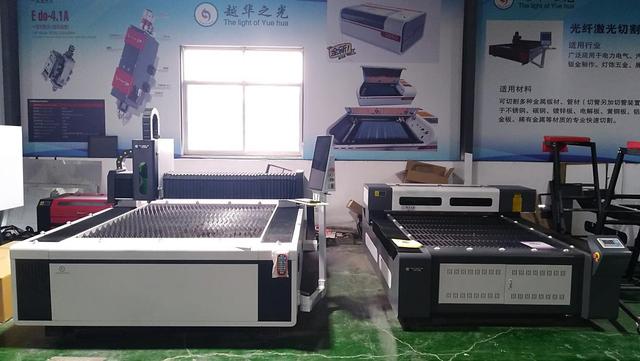
Inside Hangzhou Kinray Laser Co., Ltd. – Where advanced assembly meets strict quality standards.
Answers to common technical, integration, and procurement questions from our global customers.
Fiber lasers (1064 nm) mark metals and plastics through thermal engraving, which can cause slight melting or burning on delicate polymers. UV lasers (355 nm) use cold marking by breaking chemical bonds directly, resulting in clean, high-contrast marks on sensitive plastics (PE, PVC, Resin) without thermal damage or surface warping.
The system uses an inline high-speed smart camera to locate the target surface, allowing the laser scanner to adjust its focal plane. After marking, the camera captures the output, verifies readability (via OCR/Barcode checking), and triggers a rejection signal to remove any defective parts from the production line.
Our lasers support TCP/IP Ethernet, RS-232 serial interfaces, and digital I/O dry contacts. The control software is compatible with Modbus and OPC-UA, allowing you to link the marker directly to MES or ERP databases for dynamic, automated text updates.
Yes. All exported laser systems meet relevant safety standards. For the EU, they comply with CE Machinery Directive 2006/42/EC and EN 60825-1 laser safety rules. For the US, we supply Class 1 fully enclosed or Class 4 open systems configured with safety interlocks, manual shutters, and keyed switches to meet FDA CDRH requirements.
Solid-state fiber laser sources (from brands like IPG, JPT, or Raycus) have a typical diode lifetime of up to 100,000 operating hours. CO2 RF metal tube sources generally run for 20,000 to 35,000 hours before requiring a gas recharge, offering long service life with minimal maintenance.
Explore additional specialized laser systems designed for complex marking, cutting, and engraving tasks.

 Kinray Laser