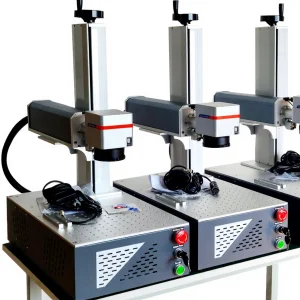
Explore our state-of-the-art modular laser components and benchtop systems ready for custom OEM integration.
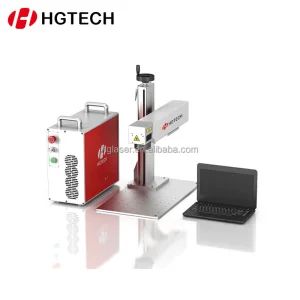
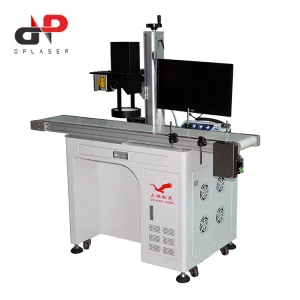
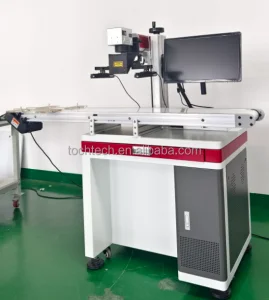
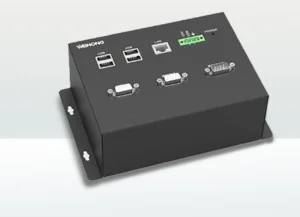
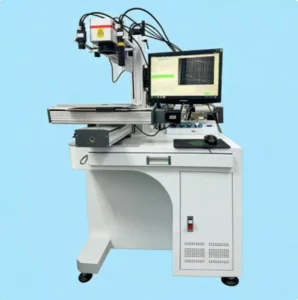
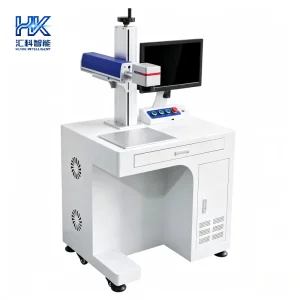
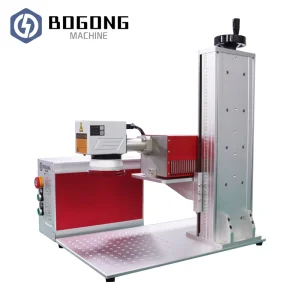
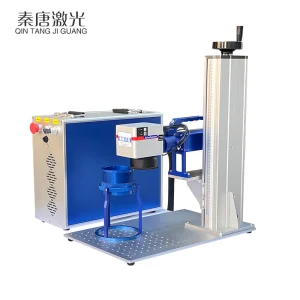
Deep dive into semantic engineering trends, optics optimization, and structural system alignment.
In modern industrial manufacturing, the transition from standalone machinery to integrated smart cyber-physical systems is accelerating. OEM Laser System Integration represents the zenith of this evolution. Rather than deploying disconnected laser units, global factories now demand cohesive, system-level architecture where laser sub-modules communicate in real-time with CNC controls, host databases, and vision systems. This shift is driven by the mandate for absolute traceability, zero-defect manufacturing, and ultra-high processing speeds.
To successfully integrate laser optics into existing production lines, developers must solve mechanical, electrical, and optical challenges. Choosing the right source wavelength—whether 1064nm Fiber for structural metals, 355nm Ultra-Violet (UV) for cold processing of polymers, or 10.6µm CO2 for organic substrates—is merely the starting point. Optimal performance requires precise management of beam delivery optics, galvo scanner drift compensation, thermal dissipation, and industrial fieldbus handshakes.
Advanced optical paths require precise laser beam profile tuning ($M^2 < 1.3$) and f-theta telecentric focusing lenses to minimize spot distortion at the edges of the marking field. When coupled with dual-axis or three-axis digital galvo heads, the integration systems achieve spatial resolutions down to the micron level. Modern smart integrations deploy optical feed-forward correction circuits that align the scan speed with the instantaneous power density of the laser pulse, eliminating start-and-stop burns on sensitive micro-electronics.
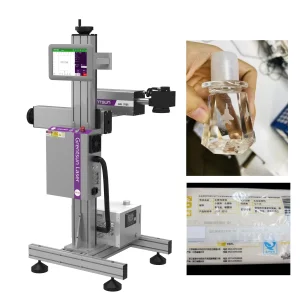
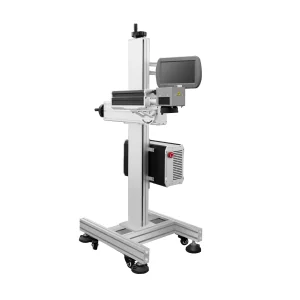
The neural backbone of an integrated laser cell lies in its PLC/CNC communication array. Utilizing industry standards such as EtherCAT, Profinet, and Modbus TCP, our laser engines interface directly with system controllers like the Weihong NC60C. This direct hardware handshake removes communication latency, allowing flying markers to calculate real-time spatial offsets from encoder pulses on fast-moving conveyors, ensuring absolute mark positioning even at line speeds exceeding 300 meters per minute.
How OEM laser integration solves critical manufacturing challenges at scale.
Integrating high-power fiber lasers into cast-iron and aluminum engine-block assembly lines. High-speed 2D data-matrix marking capable of withstanding post-process sandblasting and heat treatments.
Utilizing custom MOPA pulse-width manipulation to write corrosion-resistant dark markings on surgical-grade stainless steel, ensuring compliance with FDA Unique Device Identification (UDI) mandates.
Fine-spot UV laser integration for etching micro-codes on FR4 boards, glass panels, and ceramic wafer substrates without inducing micro-cracks or heat-affected zones (HAZ).
A leading global provider of specialized industrial laser systems and tailored OEM engineering.
Hangzhou Kinray Laser Co., Ltd. is a leading China industrial laser marking machine manufacturer specializing in advanced fiber and UV laser solutions for global manufacturing industries. With a strong focus on innovation, precision, and intelligent manufacturing, Kinray Laser is committed to delivering high-performance laser equipment that improves production efficiency, product traceability, and marking quality.
Located in Hangzhou, China, the company integrates research and development, manufacturing, sales, and technical support to provide comprehensive laser processing solutions for customers worldwide. Our extensive product portfolio includes fiber laser marking machines, UV laser marking machines, CO2 laser marking systems, MOPA laser markers, flying laser marking machines, 3D laser marking equipment, and customized automated laser solutions.
Kinray Laser products are widely used in electronics, automotive, medical devices, precision hardware, jewelry, packaging, aerospace, consumer goods, and industrial manufacturing industries. Designed for high-speed, high-precision, and permanent marking applications, our systems are capable of processing a wide range of materials, including metals, plastics, ceramics, glass, and composite materials.
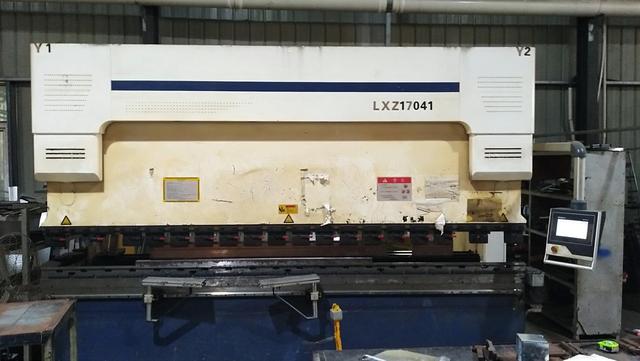
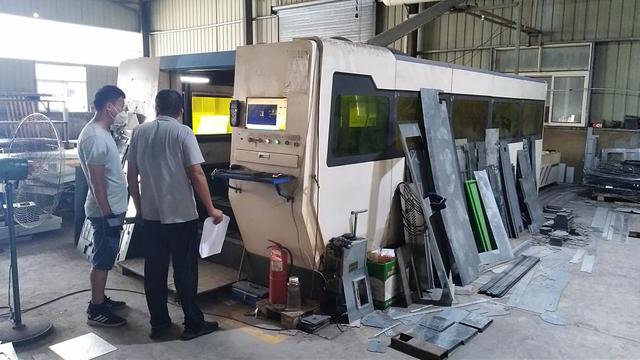
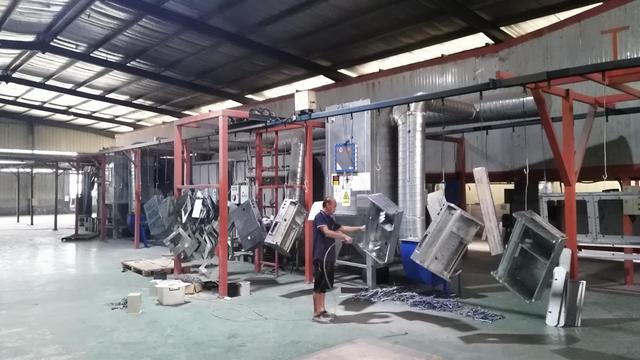
Equipped with advanced production facilities and rigorous quality management systems, Kinray Laser maintains strict quality control throughout every stage of manufacturing. Each machine undergoes comprehensive testing to ensure stable performance, reliability, and compliance with international standards.
To support global customers, we offer flexible OEM and ODM services for distributors, system integrators, equipment brands, and industrial manufacturers. Our experienced engineering team works closely with customers to develop customized laser solutions tailored to specific production requirements, automation needs, and industry applications.
Driven by technological innovation and customer satisfaction, Hangzhou Kinray Laser Co., Ltd. continues to expand its global presence and strives to become a trusted partner for intelligent laser processing solutions, helping manufacturers achieve smarter, more efficient, and sustainable production.
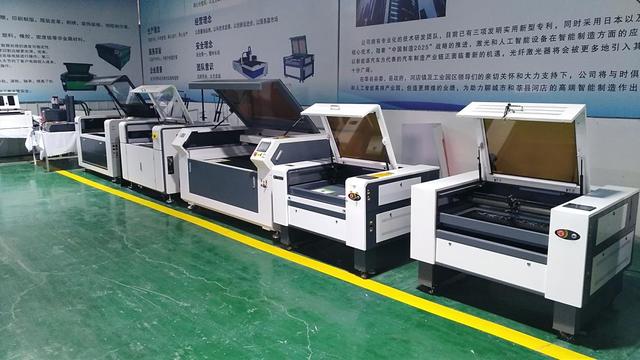
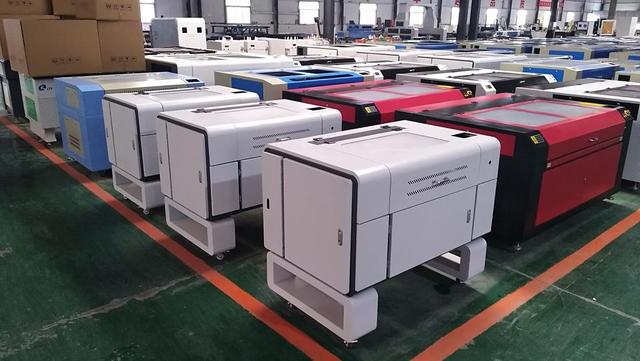
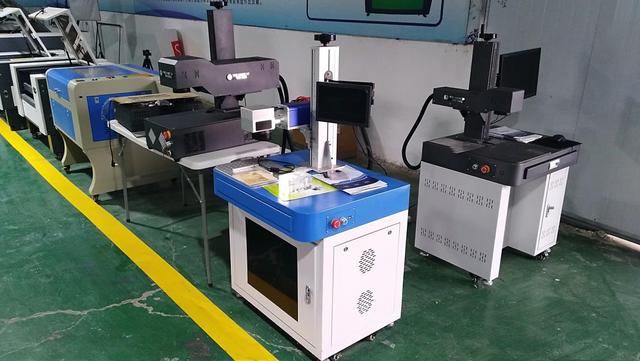
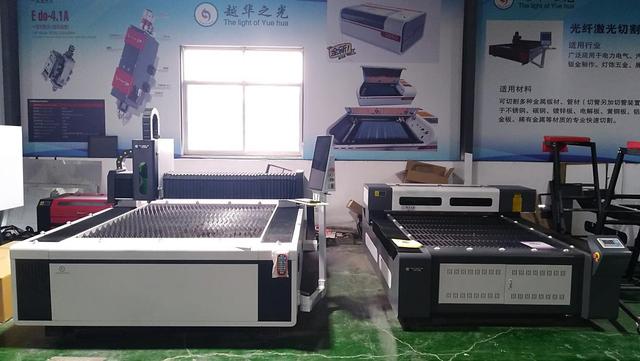
Navigating total cost of ownership (TCO), supplier certifications, and technical specification protocols.
For procurement professionals and global sourcing directors, acquiring custom OEM laser modules requires a deep understanding of operational metrics beyond the initial purchase price. Key performance indicators such as Mean Time Between Failures (MTBF), wall-plug efficiency (WPE), software compatibility, and safety compliance drive the long-term ROI of an integrated assembly line.
Procuring the incorrect wavelength leads to component destruction, high scrap rates, and under-performing throughput. Purchasing teams must verify that the supplier conducts detailed application trials on the specific material substrate. The beam profile must align with the material absorption characteristics (e.g., UV wavelengths for cold chemical marking on high-density polyethylene vs. fiber for photothermal reaction on titanium).
Industrial laser integrations operate at Class 4 emission levels, making safety enclosures, interlocks, and active optical monitoring indispensable. OEM suppliers must provide modules that seamlessly integrate into a Class 1 industrial workstation scheme, including redundancy interlock loops compliant with ISO 13849-1 Performance Level d (PLd).
A reliable supplier must maintain complete trace history on active optical elements. This includes documenting the source of laser diodes, collimation lenses, and galvanometer mirrors to guarantee component consistency across multi-year global factory expansions.
How emerging technologies shape the next decade of industrial laser integration.
Transitioning from nanosecond lasers to ultrashort pulse (USP) lasers for cold processing, eliminating thermal distortion on critical components like thin-film semiconductor coatings.
Integrating real-time coaxial camera tracking with deep-learning vision models to automatically calibrate focus and align the marking path, reducing setup times to zero for mixed-batch assembly runs.
Real-time status updates from laser power sensors and scanner temperature gauges straight to ERP clouds, predicting diode degradation and optic dust contamination weeks before a failure occurs.
Clarifying mechanical interface, software integration, optics selection, and custom design processes.
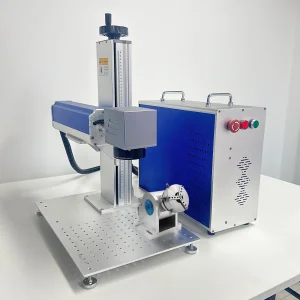
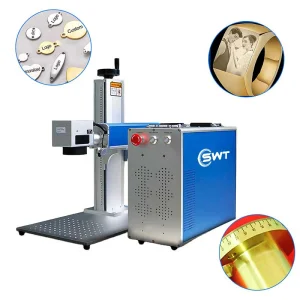
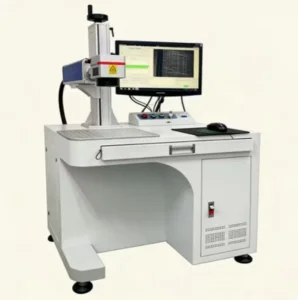
Discover our heavy-duty industrial marking enclosures, high-speed flying systems, and compact portable laser sources.


 Kinray Laser