Explore our flagship series of vision-integrated laser workstations engineered for high-precision marking, tracking, and inspection across complex sub-micron manufacturing environments.
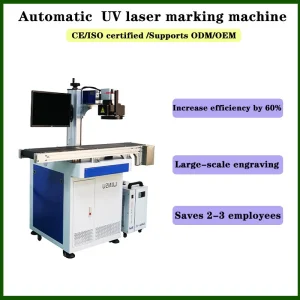
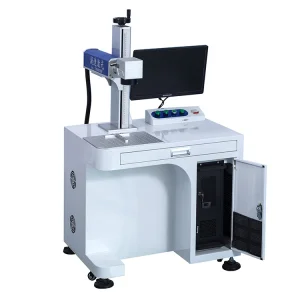
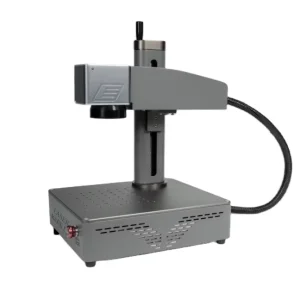
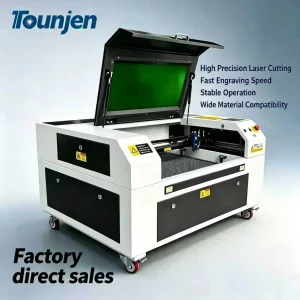
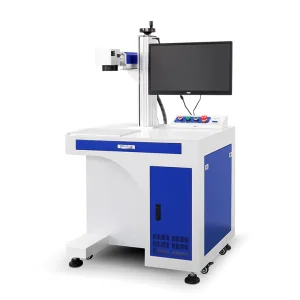
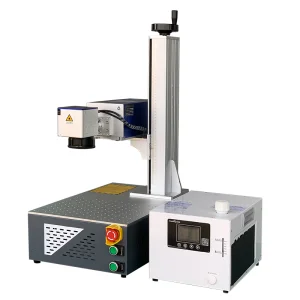
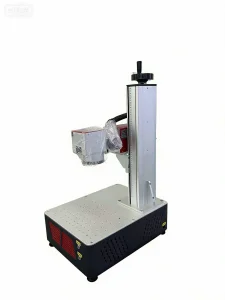
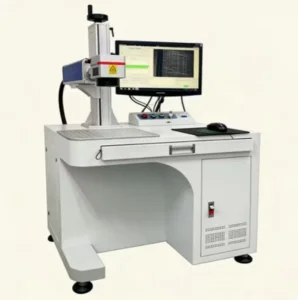
Modern industrial traceability requires absolute precision. Traditional blind laser marking systems often suffer from misalignments, product variances, and zero feedback on whether the marking was executed successfully. Kinray Laser's Vision Laser Inspection Systems solve these paintpoints by embedding high-resolution CCD cameras coaxially within the optical path.
By capturing the component geometry prior to firing the laser, our intelligent software registers feature templates, reads barcodes, and performs automatic optical inspection (AOI) to verify marking quality and data legibility immediately after processing. This eliminates the need for standalone post-process check-stations, optimizing cycle times and floor space.
Real-time recognition of part coordinates via specialized vision algorithms. Perfect for bulk random-placed components on assembly conveyors.
In-line validation of 2D data matrix, QR codes, and OCR text formatting against industrial standards (ISO/IEC 15415/15416).
Shared-lens design ensures that what the camera sees is precisely what the laser hits. Critical for microscopic jewelry & semiconductor engraving.
We design specialized hardware architectures matched with custom vision inspection logic to address strict compliance and quality demands across various global industries.
For high-throughput electronic manufacturing, tracking component origins is vital. Utilizing cold light UV lasers, our machines perform non-thermal marking on sub-millimeter PCB areas. The integrated camera scans fiducial markers to offset PCB warping dynamically, securing micro-mark placement at blazing speeds.
High-speed bottling and packaging lines require 100% inspections. Kinray’s Automatic Bottle Cap UV Laser Marking & Vision Inspection System delivers complete online coding alongside optical quality verification. A pneumatic reject system ejects defective codes instantly, ensuring full FDA compliance.
Cast iron block marking, EV battery weld lines, and electronic steering modules undergo extreme environmental stresses. Our high-power MOPA fiber systems generate high-contrast codes through anodized surfaces, while deep-learning vision modules test code readability under varying factory light conditions.
As advanced manufacturing pivots towards intelligent processes, global buyers search for suppliers who bridge high hardware stability with dynamic custom software architectures. Based in Hangzhou, the heart of China’s digital technology corridor, Kinray Laser combines specialized engineering and agile R&D to deliver high-performance laser equipment.
When evaluating Vision Laser OEM manufacturers, engineering teams must prioritize software integration APIs. Kinray Laser systems provide full SDK libraries (C++, C#, Python, LabVIEW) supporting seamless MES (Manufacturing Execution Systems) and ERP network integration.
How we engineering custom vision laser marking and inspection workstations tailored to your assembly requirements.
Send us sample materials. We run wavelength tests (Fiber, UV, CO2) and choose the optical lenses to match field of view (FOV) and depth of field (DOF).
Our software engineers map visual algorithms to dynamic shapes, defining alignment benchmarks, barcodes, and error-rejection conditions.
We draft 3D structural designs of enclosures, inline conveyors, slide tables, and light barriers for direct integration into production floors.
We perform stress tests at target cycle speeds, ensuring tracking capability and laser alignment before global shipping.
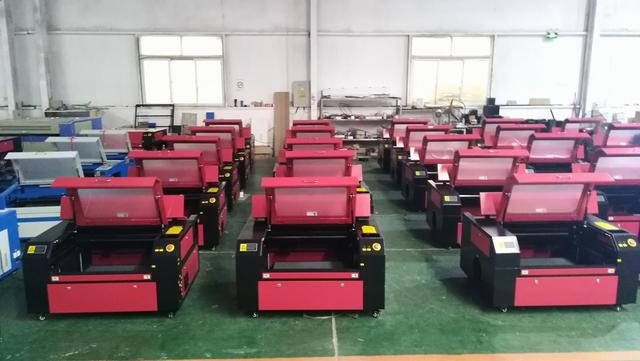
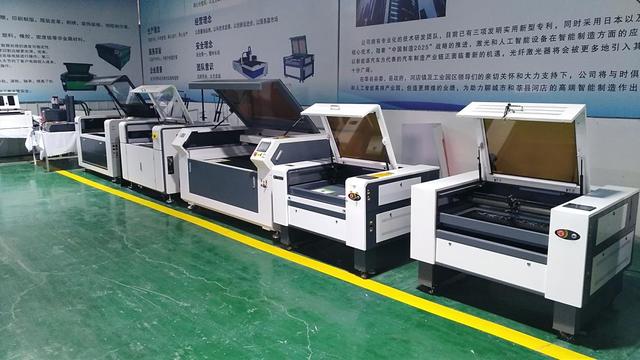
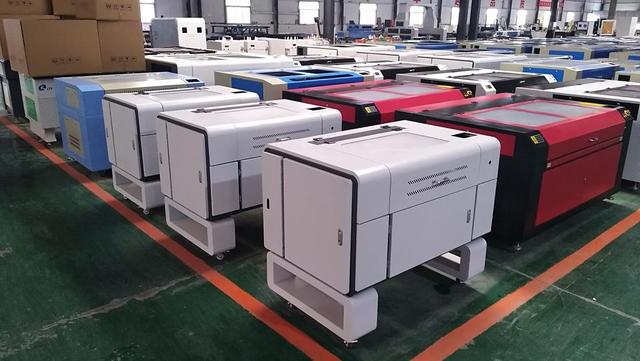
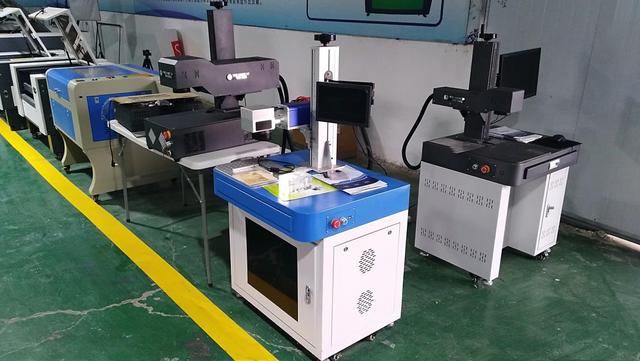
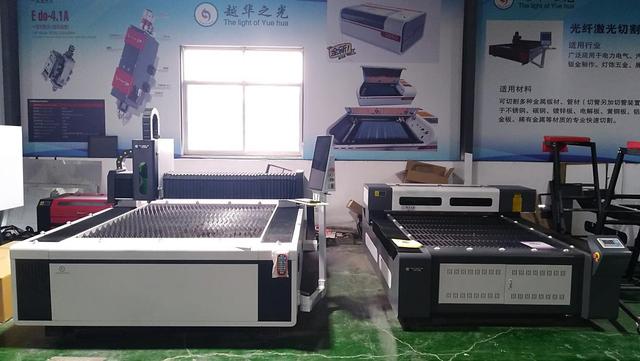
Located in Hangzhou, China, our advanced research, assembly, and testing lines verify that each vision-integrated laser system delivers high stability and reliability under intense industrial conditions.
Here are answers to the key technical, integration, and procurement questions raised by global engineering teams when sourcing custom laser-vision systems.
A coaxial vision system routes the camera’s imaging path through the laser’s optical path using a beamsplitter, aligning the optical and camera centers. This eliminates parallax errors and guarantees that the inspection perspective matches the laser focus, even when heights fluctuate slightly. Off-axis systems are positioned next to the scan head and suffer from parallax errors, requiring complex coordinate transformations and longer processing times.
Our systems combine customizable ring, coaxial, or backlighting sources with advanced edge-detection and template matching algorithms. In low-contrast scenarios, we apply green or blue LED lighting setups and geometric pattern search tools, recognizing targets even with up to 50% occlusion, surface contamination, or variation in lighting conditions.
Yes. Our marking software includes standard TCPIP, RS232, and Modbus protocol interfaces. It fetches database records (like serialization or batch IDs), converts them into 2D codes, executes the marking, verifies the readability via camera scan, and sends a validation signal back to your database in real time. We also provide full SDKs for custom software development.
The choice depends entirely on your material. Fiber lasers (1064nm) are ideal for metals and high-density polymers. MOPA lasers offer pulse width adjustments, making them perfect for color marking stainless steel or marking anodized aluminum. UV lasers (355nm) provide "cold marking" with minimal heat impact, making them the industry standard for delicate medical plastics, electronics glass, and PCB substrates.
For global buyers, we offer remote diagnostic support, complete camera-to-galvo calibration templates, and detailed calibration videos. We also supply hot-swappable laser modules and component packages to minimize production downtime. On-site engineering installation and setup are available for automated production lines.
Below is the remainder of our high-performance systems, engineered for specific industry workflows, custom automation lines, and high-speed marking requirements.

 Kinray Laser