Explore our high-performance fiber, UV, and CO2 marking, engraving, and cutting systems designed for industrial deployment.
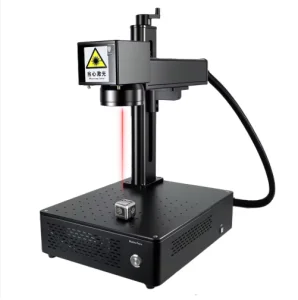
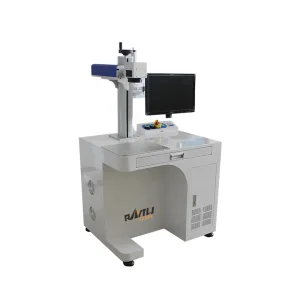
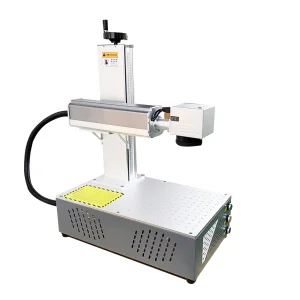
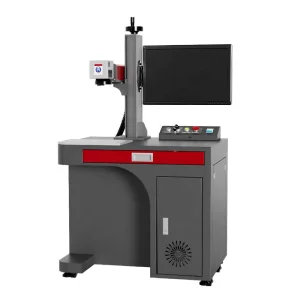
In the modern manufacturing landscape, precision, efficiency, and trace-ability are no longer optional. Hangzhou Kinray Laser Co., Ltd. is a leading China industrial laser marking machine manufacturer specializing in advanced fiber and UV laser solutions for global manufacturing industries. Located in Hangzhou, China, the company integrates research and development, manufacturing, sales, and technical support to provide comprehensive, high-throughput laser processing solutions for customers worldwide.
Our extensive product portfolio includes fiber laser marking machines, UV laser marking machines, CO2 laser marking systems, MOPA laser markers, flying laser marking machines, 3D laser marking equipment, and customized automated laser solutions. Each platform is built to optimize direct part marking (DPM), high-speed product coding, micro-machining, and complex geometric engraving. Through our comprehensive OEM and ODM services, we support distributors, system integrators, equipment brands, and industrial manufacturers with bespoke hardware configurations and seamless software control integration.
Understanding the hardware configurations, wavelengths, and thermal interactions required for distinct substrate classes.
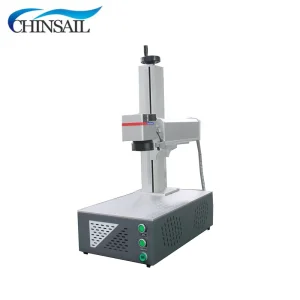
Operates at a 1064nm near-infrared wavelength, optimizing high-speed thermal reactions on robust substrates. Ideal for deep engraving, annealing, and high-contrast marking.
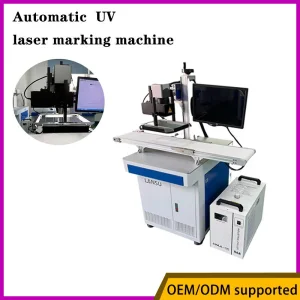
Utilizes a 355nm ultraviolet wavelength to break chemical bonds at a molecular level (photo-ablation) rather than melting material. Minimal Heat-Affected Zone (HAZ) prevents micro-cracks.
Engineered for high-volume organic packaging and conveyor line configurations operating at 9.3µm, 10.2µm, or 10.6µm. Delivers instantaneous marking for fast-moving goods.
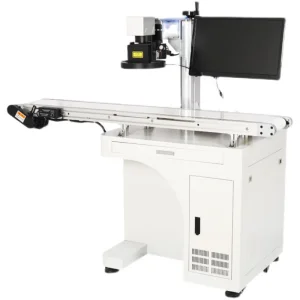
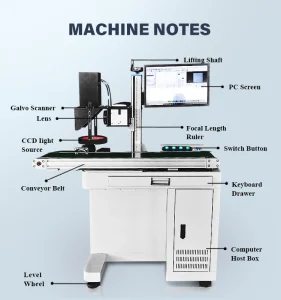
Modern manufacturing plants rely heavily on automation to scale throughput and minimize labor costs. Our engineering team addresses these demands by developing turn-key industrial units integrated with Camera CCD Visual Positioning and closed-loop distance sensor arrays. These systems automatically detect workpieces, calculate orientation offsets, and adjust the focal length in real time, eliminating the need for rigid positioning fixtures.
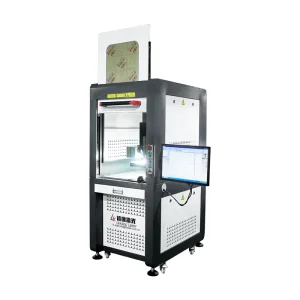
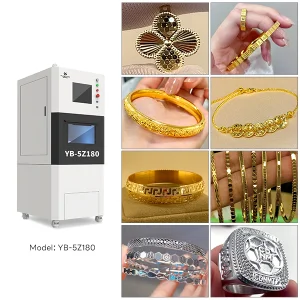
Whether it is an enclosed cabinet layout with 5-axis motorized gantries for complex precious metal jewelry engraving, or an inline workstation handling continuous steel plate marking on heavy manufacturing lines, we design our structural chassis to withstand thermal expansions, high humidity, and airborne contaminants.
By designing and manufacturing in-house, Kinray Laser controls the optical path integration down to the micron level. We utilize high-quality galvo scanners (Sino-Galvo/Cambridge Technology) paired with F-Theta telecentric lenses to ensure minimal beam distortion at the perimeter of the field of view.
We work with global distributors to build specialized machines that conform to local market requirements. This includes dual-source laser path configuration, PLC networking via Profinet or EtherCAT, bespoke software interfaces using standard SDKs, and customized safety enclosures certified to laser Class 1 operating parameters.
Industrial laser processing represents a multi-technology landscape. Below is an overview of how Kinray Laser platforms deploy within high-precision commercial applications:
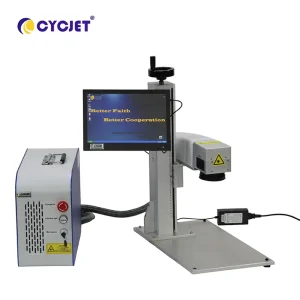
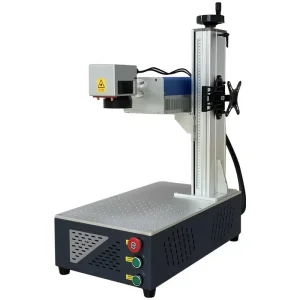
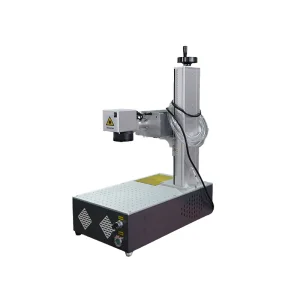
Miniaturization requires high-contrast, permanent tracking numbers, QR codes, and alignment markers on substrates like silicon wafers, FR4 laminate, and liquid crystal displays. Our high-power desktop UV laser marking engraving systems (operating at 20W, 30W, and 50W) utilize a small beam spot to write clear, high-contrast alphanumeric strings without inducing thermal stress or delaminating nearby copper layers.
The FDA and international medical regulatory bodies demand Unique Device Identification (UDI) marks on surgical instruments, implants, and catheters that withstand repeated autoclave sterilization cycles. MOPA fiber laser systems enable high-contrast corrosion-resistant annealing on surgical-grade stainless steel (SS316L, 17-4 PH) and passivated titanium.
The precious metal sector demands recovery-conscious processing and precise complex geometry execution. The High Precision 5-Axis Platinum Gold Silver Jewelry Engraving Machine incorporates highly coordinated rotational stages to mark rings, bangles, and watch components internally and externally. For micro-cutting, high-power fiber lasers cut thin metal plates with clean kerfs, eliminating the need for post-cut grinding or finishing.
In food, beverage, and cosmetics sectors, production lines operate at high speeds. CO2 and Fiber Flying Laser Coding Machines print batch codes, expiration dates, and lot numbers directly onto PE bags, cardboard sleeves, and PET bottles on the fly, eliminating expensive inks, solvents, and frequent maintenance downtimes.
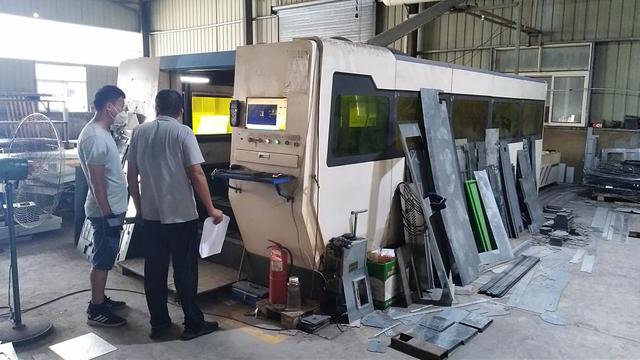
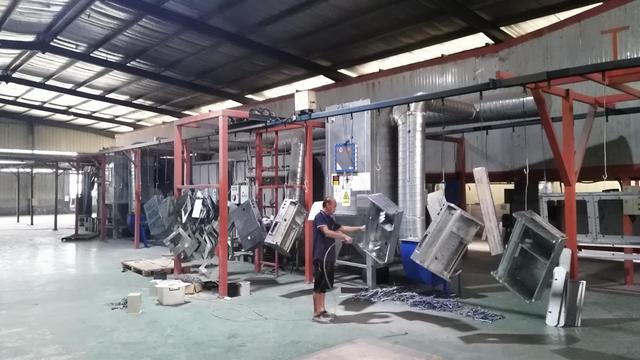
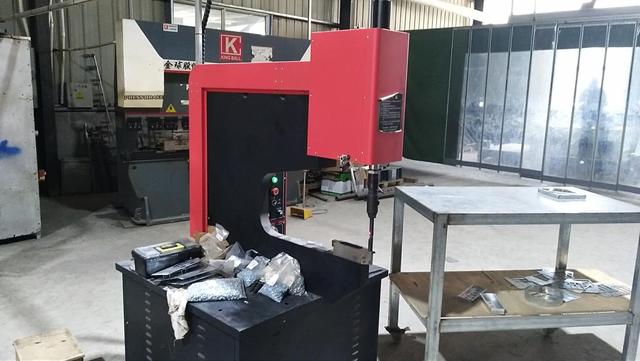
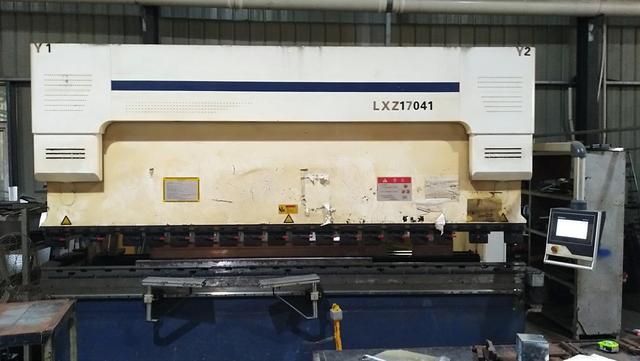
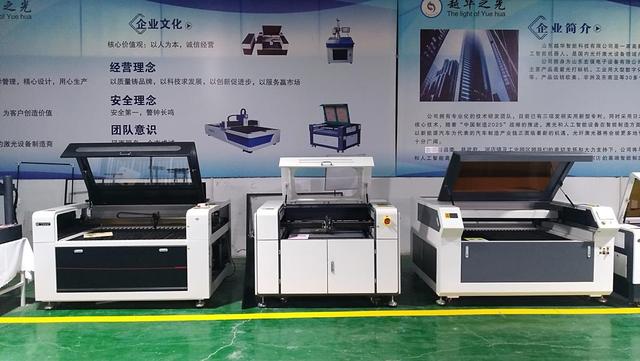
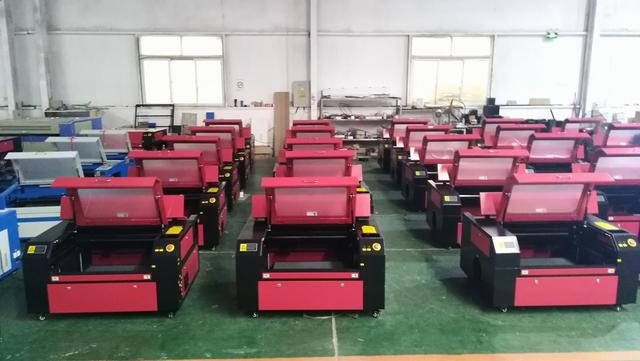
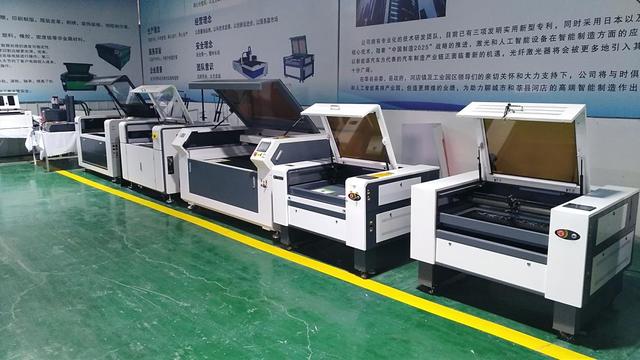
Our state-of-the-art facility maintains ISO 9001 standards, ensuring all components undergo extensive environmental and optical stress testing.
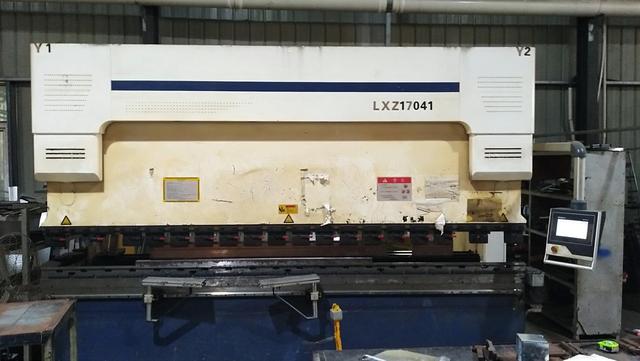
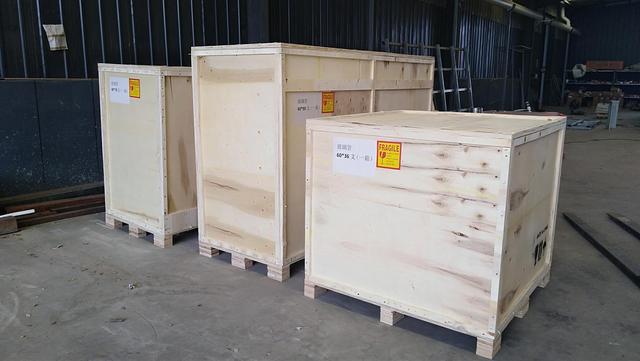
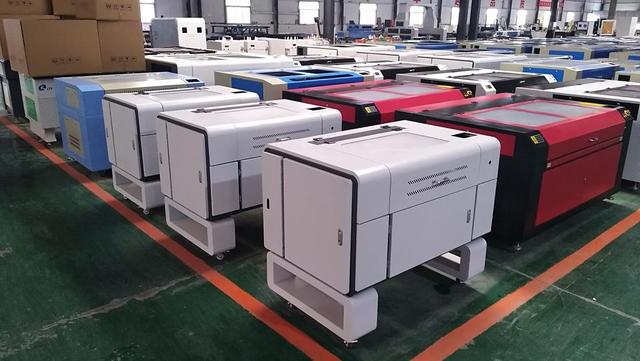
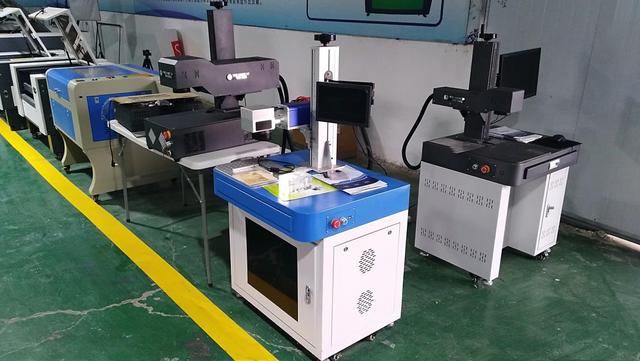
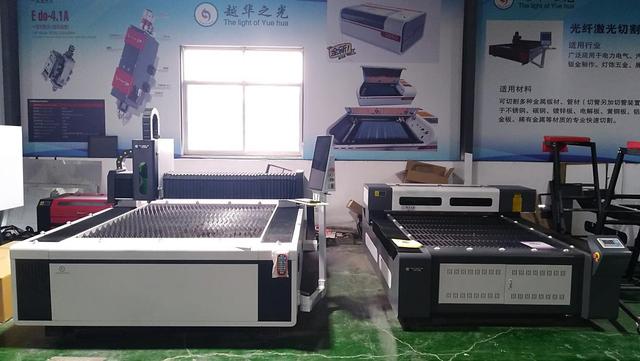
Exporting industrial machinery globally requires adherence to strict safety and regulatory standards. All Kinray Laser machinery carries certifications including CE, FCC, and FDA Accession numbers, confirming compliance with laser product radiation controls.
Our global distribution partners provide local troubleshooting, commissioning, and spare parts supply across North America, Europe, and Asia. In addition, our factory engineers offer remote diagnostics and digital calibration support, minimizing downtime.
We are expanding our product offerings into sub-nanosecond processing regimes, developing ultrafast picosecond and femtosecond fiber laser marking platforms. These systems enable highly controlled micro-engraving and micro-cutting, ideal for aerospace component manufacturing and semiconductor applications.
Simultaneously, we are updating our proprietary control software to interface with industrial IoT protocols (OPC UA, MQTT) and cloud monitoring suites. This will allow plant operators to monitor real-time system performance, galvo temperatures, and diode health to schedule predictive maintenance.
A continuation of our advanced technology lineup, engineered for production environments requiring reliable, high-uptime operation.
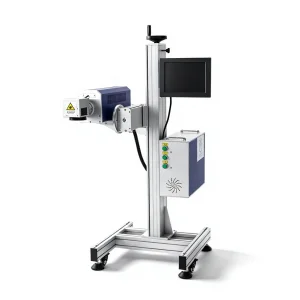

Key information regarding integration parameters, structural longevity, and support channels.
 Kinray Laser