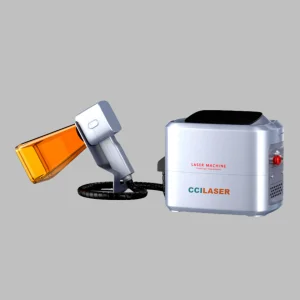
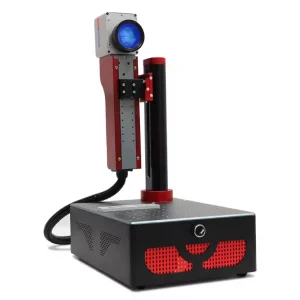
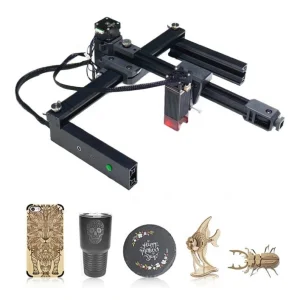
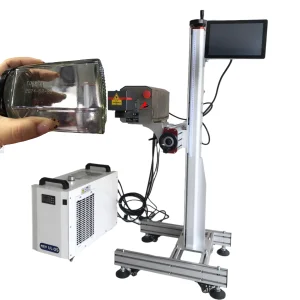
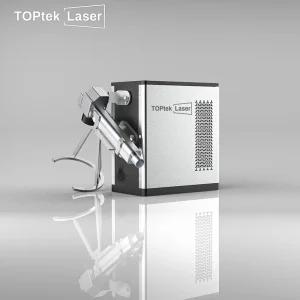
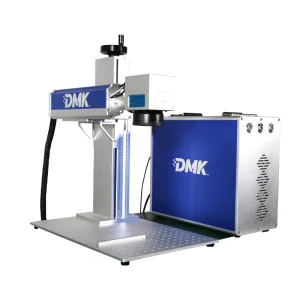
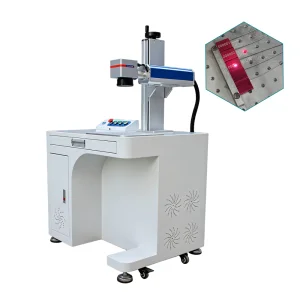
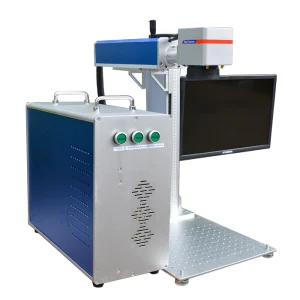
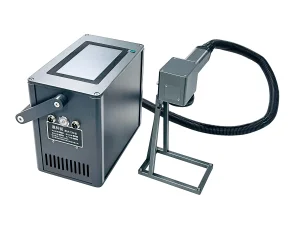
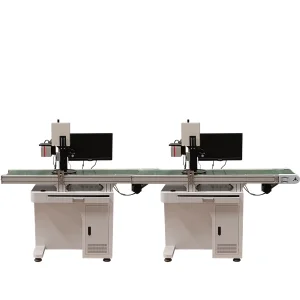
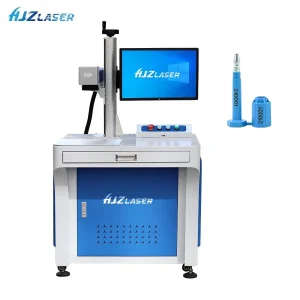
Explore our premium range of industrial-grade laser solutions designed for advanced traceablity, high speed inline packaging, and extreme precision marking.
Modern manufacturing ecosystems demand absolute precision, permanent traceability, and ultra-high processing speeds. Conventional contact marking and ink-based methodologies are rapidly becoming obsolete due to high consumables cost, environmental concerns, and vulnerability to wear. As a preeminent OEM/ODM Laser Production Solutions Manufacturer & Exporter, we design systems that sit at the intersection of optoelectronics, automation, and computer-guided calibration.
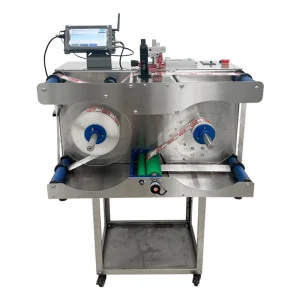
Whether integrating inline laser-marked slitter rewinder systems or delivering multi-axis CNC laser cutters for medical polymers, our systems utilize advanced wavelengths including 1064nm Fiber, 355nm UV, and 10600nm CO2. This ensures optimal thermal coupling and minimal heat-affected zones (HAZ) across diverse substrates such as titanium, optical grade polymers, glass, and multi-layered composites.
"The core of modern traceablity lies in the micro-structural integrity of the mark. By modulating pulse width and frequency, we achieve permanent chemical modifications of the surface without altering the mechanical properties of critical aerospace or biomedical components."
Choosing the right laser engine is paramount to production efficiency:
Engineered for high-volume factories requiring continuous duty-cycles and seamless MES/ERP communication.
Our manufacturing facility in Hangzhou utilizes localized raw material sourcing, optical component fabrication hubs, and rapid sheet metal prototyping to deliver custom laser systems in record time.
Every laser source is evaluated under long-term thermal cycle conditions. Optical power drift tests guarantee that your unit will mark with identical consistency at year five as it does on day one.
When evaluating procurement options for global factories, smart procurers analyze beyond unit cost. They look at systemic manufacturing agility. Our state-of-the-art facility located in the high-technology corridors of Hangzhou, China, operates at the center of the world's most dense optical component supply chain.
This spatial advantage allows us to rapidly prototype bespoke configurations and access cutting-edge optoelectronics. Our partnerships with top-tier glass lens manufacturers, galvanic mirror designers, and high-purity gas suppliers enable Hangzhou Kinray Laser to source premium components at a fraction of Western costs. Consequently, we pass these savings directly to our global distributors and integrators.
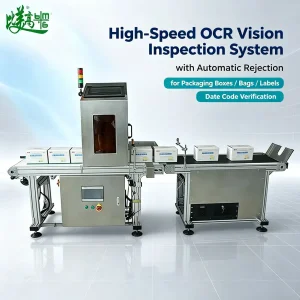
Furthermore, our engineering team consists of optical scientists and software developers from regional research universities. This intellectual capital drives our ongoing R&D, yielding breakthrough innovations such as multi-dimensional CCD vision systems and real-time OCR inspection machines that drastically reduce line rejection rates.
Hangzhou Kinray Laser Co., Ltd. is a leading China industrial laser marking machine manufacturer specializing in advanced fiber and UV laser solutions for global manufacturing industries. With a strong focus on innovation, precision, and intelligent manufacturing, Kinray Laser is committed to delivering high-performance laser equipment that improves production efficiency, product traceability, and marking quality.
Located in Hangzhou, China, the company integrates research and development, manufacturing, sales, and technical support to provide comprehensive laser processing solutions for customers worldwide. Our extensive product portfolio includes fiber laser marking machines, UV laser marking machines, CO2 laser marking systems, MOPA laser markers, flying laser marking machines, 3D laser marking equipment, and customized automated laser solutions.
Kinray Laser products are widely used in electronics, automotive, medical devices, precision hardware, jewelry, packaging, aerospace, consumer goods, and industrial manufacturing industries. Designed for high-speed, high-precision, and permanent marking applications, our systems are capable of processing a wide range of materials, including metals, plastics, ceramics, glass, and composite materials.
Equipped with advanced production facilities and rigorous quality management systems, Kinray Laser maintains strict quality control throughout every stage of manufacturing. Each machine undergoes comprehensive testing to ensure stable performance, reliability, and compliance with international standards.
To support global customers, we offer flexible OEM and ODM services for distributors, system integrators, equipment brands, and industrial manufacturers. Our experienced engineering team works closely with customers to develop customized laser solutions tailored to specific production requirements, automation needs, and industry applications.
Driven by technological innovation and customer satisfaction, Hangzhou Kinray Laser Co., Ltd. continues to expand its global presence and strives to become a trusted partner for intelligent laser processing solutions, helping manufacturers achieve smarter, more efficient, and sustainable production.
From microelectronics to high-capacity packaging lines, our bespoke machinery addresses unique integration needs.
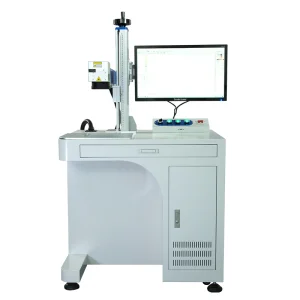
Deploying heavy-duty, high-power fiber laser solutions to engrave high-contrast DataMatrix codes directly onto components, ensuring survival through subsequent processes like shot-peening, heat-treatment, and paint.
Applying specialized UV laser marking machines to surgical instruments and implants. Marks are fully corrosion-resistant, passivation-proof, and completely non-toxic, satisfying international FDA standards.
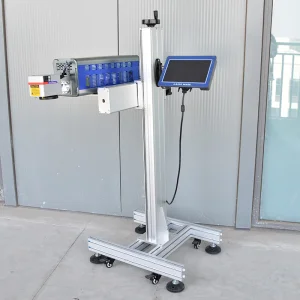
Online flying CO2 and Fiber lasers integrate into high-volume filling and sealing plants. Our software synchronizes with variable line speeds, avoiding gaps, duplication, or contrast fade during packaging runs.
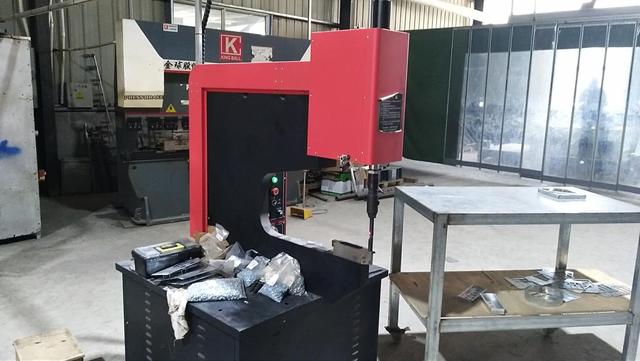
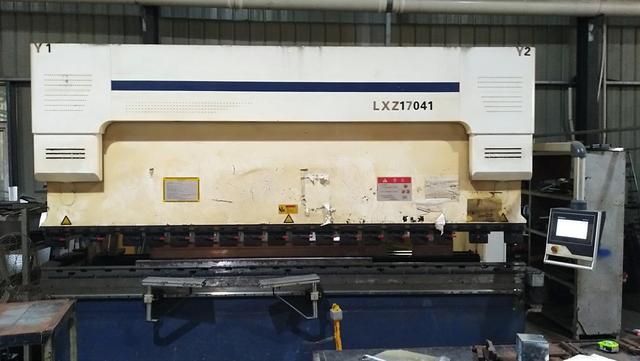
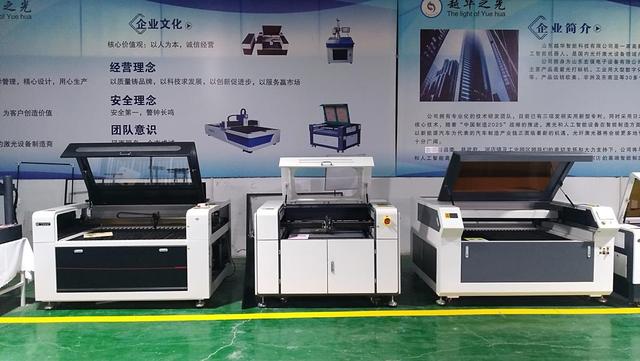
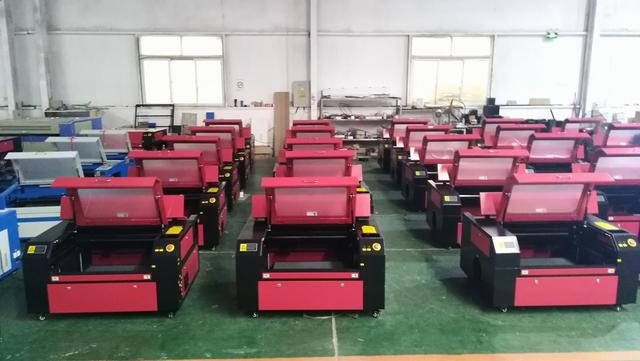
A pictorial overview of our research laboratories, cleanrooms, assembly facilities, and rigorous QA evaluation departments in Hangzhou, China.
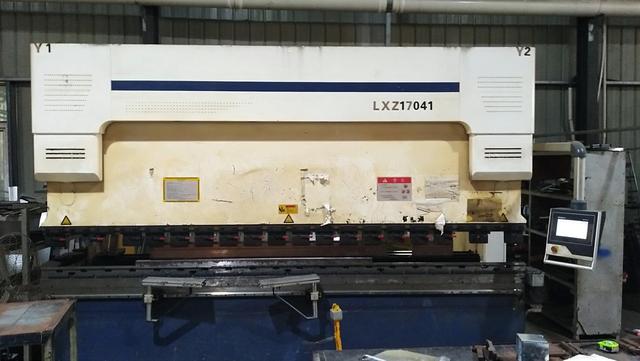
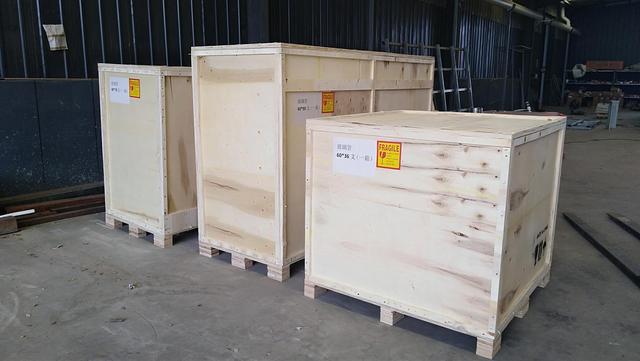
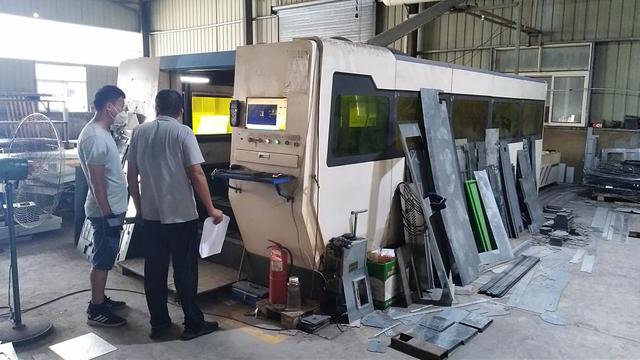
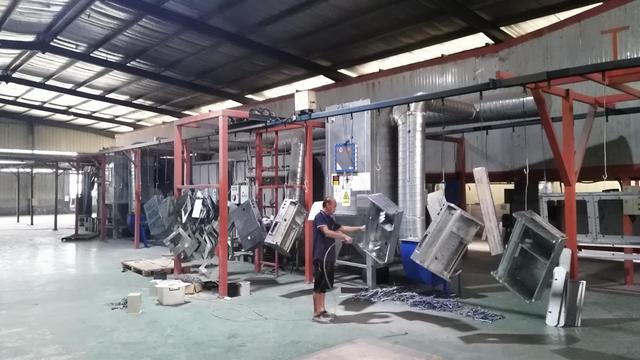
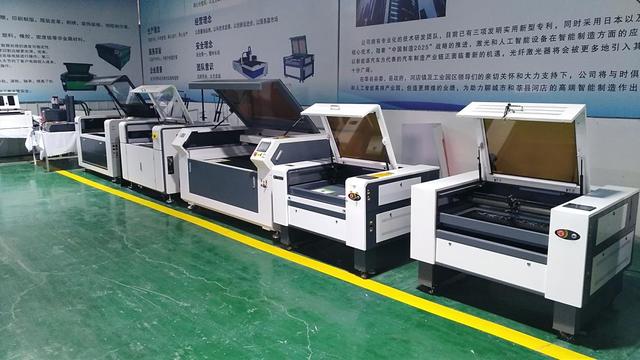
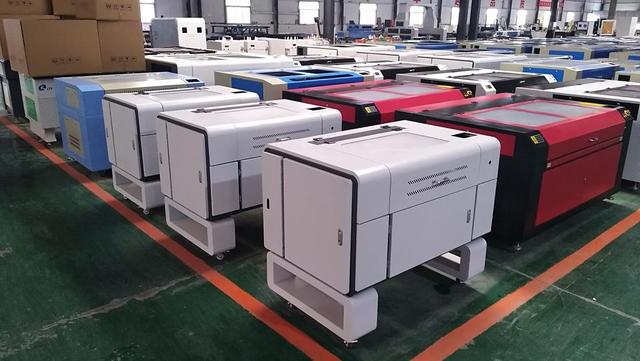
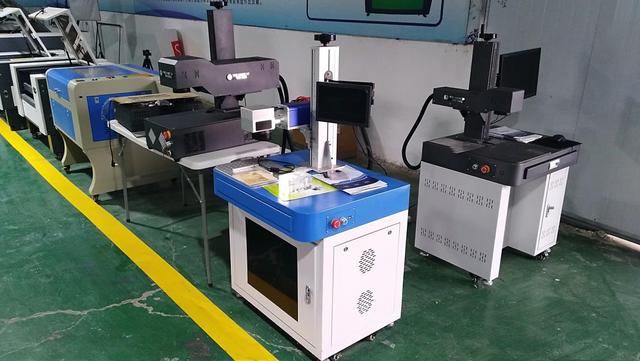
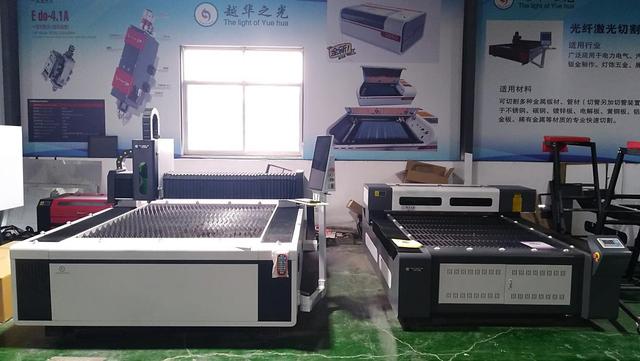
Providing technical answers to help purchasing directors, engineers, and plant managers choose the appropriate system configuration.
Q-switched fiber lasers generate laser output with fixed pulse durations (typically 100ns to 120ns), which limits control over heat input on delicate substrates. Conversely, MOPA (Master Oscillator Power Amplifier) laser systems offer highly flexible, adjustable pulse durations (ranging from 2ns to 500ns) and wider frequency choices. This enables:
Traditional mechanical jigs are susceptible to structural wear and positioning inaccuracies, which can result in marking errors. Our CCD visual marking machines incorporate a high-resolution coaxial or off-axis digital camera paired with custom image analysis algorithms. The system automatically scans the incoming workpiece, calculates the rotation and offset values relative to the reference file in milliseconds, and dynamically repositions the marking coordinates. This ensures spot-on engraving even if parts are loaded unevenly onto a conveyor belt.
Absolutely. Our industrial marking solutions are designed with IP54-rated cabinets, isolated optical paths, and positive pressure cooling options. The optical cavities are completely sealed to prevent particulates from settling on the scan lenses or laser optics. This reduces maintenance intervals and protects internal components in harsh conditions like steel mills, packaging lines, or woodworking plants.
We provide complete support for custom OEM/ODM integrations. Typical requests include custom mounting frames, specialized enclosure footprints, custom Software Development Kits (SDKs) to link laser systems with existing database schemas, specialized optics (such as telecentric lenses for field optimization), and custom IO interfaces. Our engineering team designs custom 3D system drawings and works directly with your assembly engineers to ensure seamless installation.
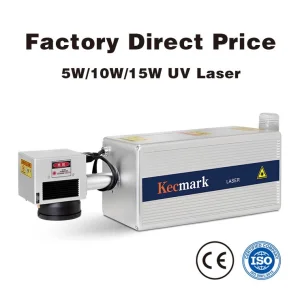
UV lasers (355nm wavelength) possess high-energy ultraviolet photons that break the chemical bonds within the target material directly, rather than heating and vaporizing it. This photochemical ablation creates virtually zero heat-affected zone (HAZ). It is required for sensitive applications where thermal stress causes issues:
Engineered for high performance, fully certified for international safety, and backed by a comprehensive replacement warranty.
 Kinray Laser