High-precision, high-productivity marking and engraving platforms custom-tailored for production line integration and automated traceability.
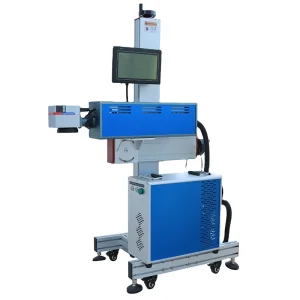
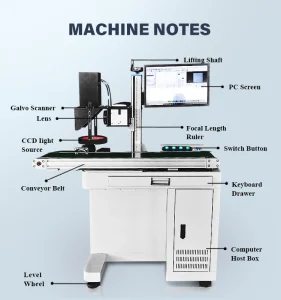
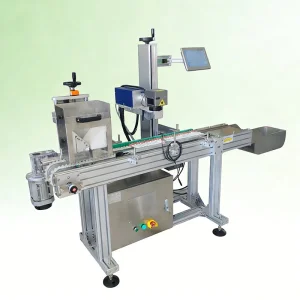
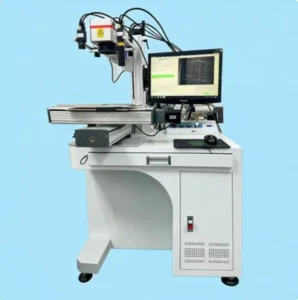
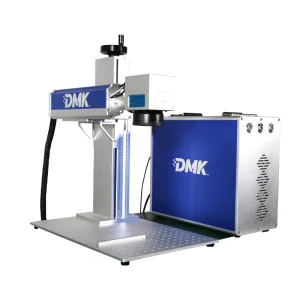
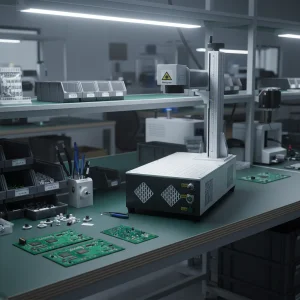
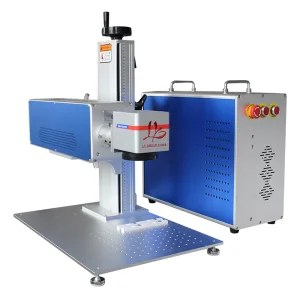
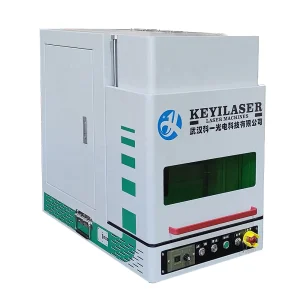
In the era of Industry 4.0, product traceability, component-level marking, and precision material modification have transformed from auxiliary requirements to core quality factors. Hangzhou Kinray Laser Co., Ltd. stands at the forefront of this industrial transition. As a premier Chinese manufacturer specializing in OEM and ODM laser solutions, we supply advanced industrial fiber, ultraviolet (UV), and carbon dioxide (CO2) laser systems designed to operate continuously within high-speed, high-demand global manufacturing sectors.
Located in the manufacturing hub of Hangzhou, China, our company integrates cutting-edge research and development, smart manufacturing, and strict international quality control protocol. The primary mission of Kinray Laser is to provide customized, highly reliable, and permanent material engraving and marking solutions to system integrators, automated line developers, and direct factory operators globally. We operate a highly structured production floor that adheres strictly to ISO9001 standards, validating the structural and optical parameters of every single laser source, galvanometer system, and automation assembly before shipment.
Our robust product portfolio covers the full spectrum of modern industrial requirements, including high-frequency split-type fiber laser markers, ultra-fine UV cold-processing units, flying CO2 packaging markers, MOPA color marking devices, and multi-axis 3D laser engraving workstations. By providing customized OEM designs and collaborative ODM engineering, Kinray Laser supports global equipment distributors and industrial users in optimizing line throughput, cutting down-time, and achieving strict compliance with international tracking standards such as GS1 and UDI.
Operating in Hangzhou gives Kinray Laser unparalleled proximity to world-class optical component suppliers, precision CNC frame builders, and semiconductor designers. This robust supply network allows us to secure premium-grade laser diodes, high-speed digital scan heads, and reliable power electronics at a optimized price-performance ratio, passing the cost efficiency directly to our clients without compromising system reliability.
We provide full-service mechanical, electrical, and software engineering customization. From custom chassis layouts, automated bowl feeders, and conveyer assemblies, to SDK/API integration for custom Manufacturing Execution Systems (MES), our engineering team works directly with your technical personnel to design systems matching your exact manufacturing requirements.
Reliability requires verification. Every system undergoes a grueling 72-hour continuous burn-in test alongside strict beam quality factor (M²) evaluation. We use high-precision power meters and oscilloscope analysis to verify pulses, ensuring that when the equipment arrives at your facility, it integrates cleanly and performs continuously under heavy load cycles.
The global industrial laser market is experiencing a profound technological shift. Standard static marking is rapidly giving way to dynamic, visual-guided, and multi-wavelength laser technology. This evolution is driven by the demand for higher traceability resolution on increasingly complex substrates. Understanding these macro shifts is essential for procurement officers and system engineers making long-term equipment decisions.
The demand for marking delicate electronic components, plastics, and glass has accelerated the adoption of Ultraviolet (UV) lasers (355nm wavelength). Unlike Fiber (1064nm) and CO2 (10,600nm) lasers, which rely on localized thermal energy to melt or vaporize material, UV lasers employ "cold processing." The high-energy UV photons directly break the molecular bonds within the substrate. This photochemical reaction occurs with minimal Heat-Affected Zone (HAZ), preventing micro-cracking in glass, charring in polymers, or internal damage to multi-layer PCB circuits.
Modern production lines require high component throughput, making manual positioning arrays inefficient and error-prone. Integrating high-resolution CCD camera arrays directly coaxial to the laser path represents a massive productivity leap. Our Camera CCD Visual Positioning Laser systems automatically detect components in random orientations, translate the coordinate mapping in real-time via advanced pattern recognition algorithms, and adjust the galvanometer steering mirrors to apply the mark precisely. This technology eliminates expensive positioning jigs and reduces human error to zero.
For industries like cable manufacturing, pharmaceutical packaging, and consumer goods, processing parts in batches is not an option. Mark-on-the-fly (MOTF) systems utilize rotary encoder feedback to dynamically synchronize the scanning speed of the galvanometer mirrors with the linear velocity of the conveyor line. Our online flying CO2 and Fiber laser platforms mark codes, serial numbers, and production stamps on products moving at speeds exceeding 200 meters per minute, maintaining crisp, legible character geometry without distortion.
When designing an OEM/ODM laser solution, choosing the correct laser medium is critical for operational efficiency and mark permanence. Below is the structural material processing matrix used by Kinray Laser engineers:
| Laser Type | Wavelength | Optimal Substrates | Primary Benefit |
|---|---|---|---|
| Fiber Laser | 1064 nm | Stainless steel, aluminum, carbon steel, engineering plastics | High speed, maintenance-free, lifetime up to 100,000 hours |
| UV Laser | 355 nm | Glass, sapphire, silicon wafers, ABS/PVC plastics, ceramics | Zero thermal damage, ultra-fine marking, no micro-fracturing |
| CO2 Laser | 10,600 nm | Wood, acrylic, leather, paper, textiles, packaging cardboard | High absorption on organic materials, cost-effective for non-metals |
| MOPA Fiber | 1064 nm (variable pulse) | Stainless steel (color), anodized aluminum (blackening), thin foils | Precise pulse width adjustment, high contrast, clean ablation |
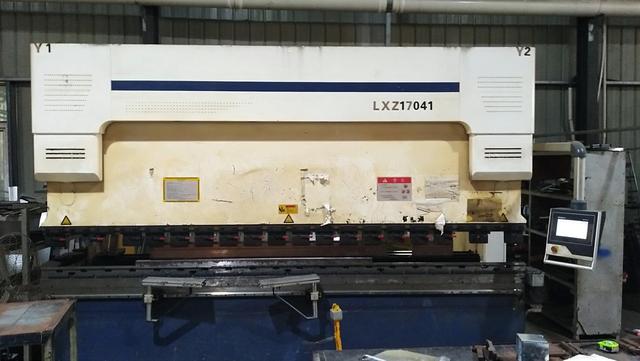
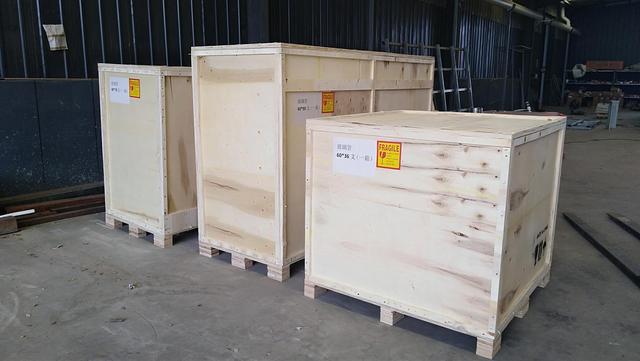
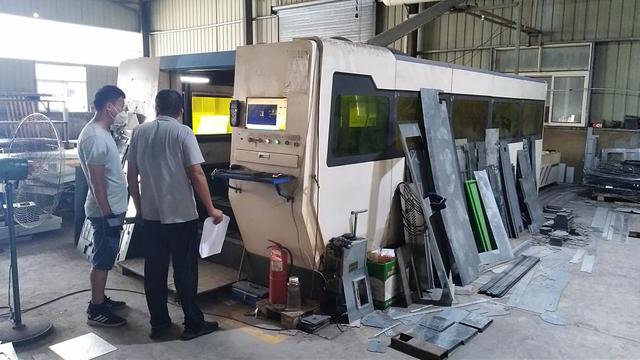
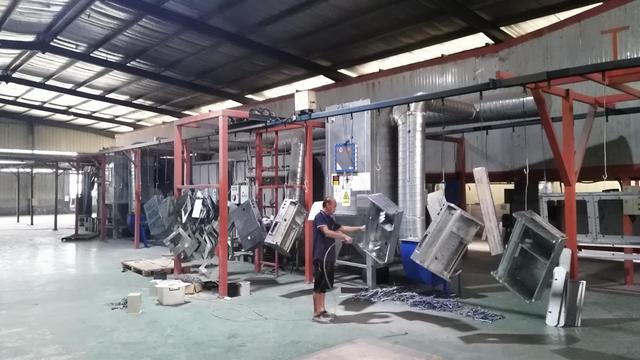
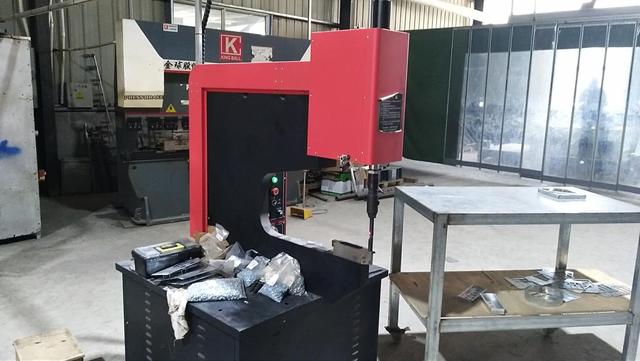
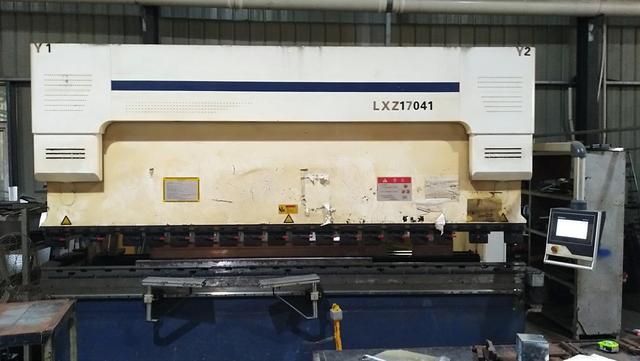
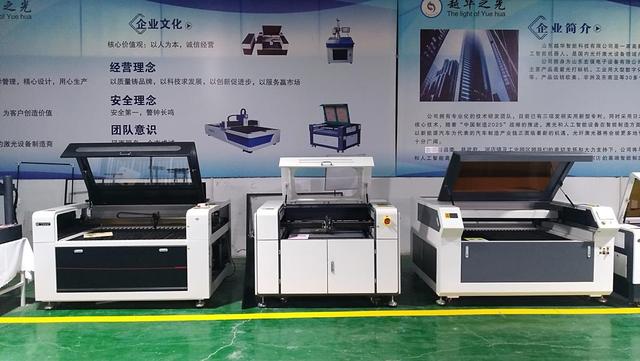
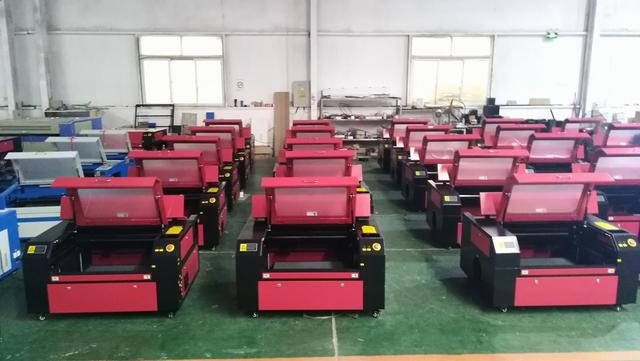
Step inside the Kinray Laser production center. Explore our state-of-the-art assembly lines, testing chambers, and optical calibration cleanrooms.
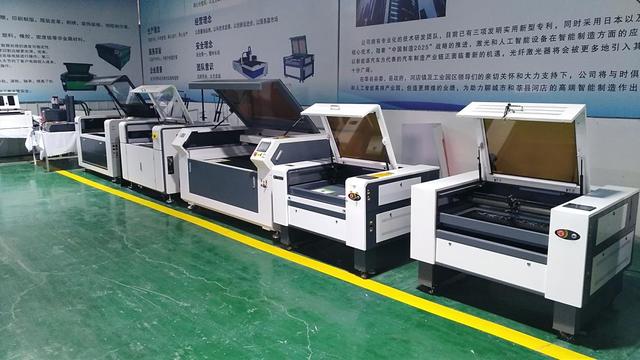
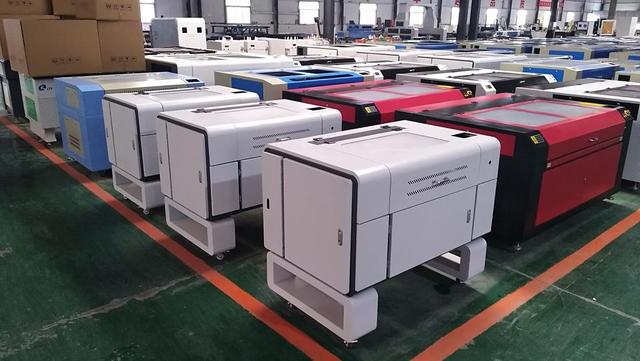
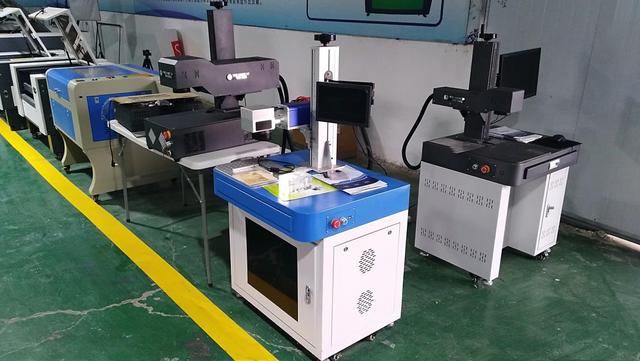
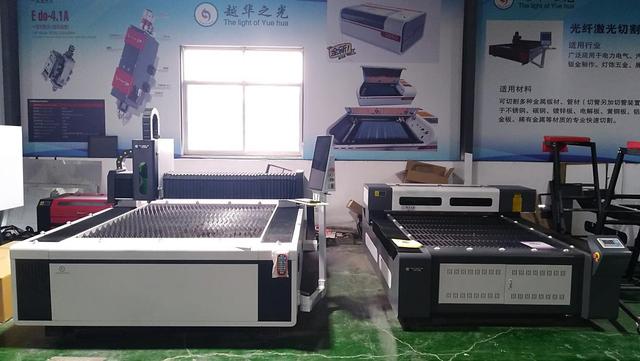
For international procurement managers, equipment suppliers, and industrial distributors, sourcing machinery from overseas presents critical hurdles: ensuring technical compatibility, verifying supply chain transparency, and confirming post-sales support. Kinray Laser addresses these bottlenecks systematically, providing a transparent, engineering-first roadmap for custom equipment development.
Every laser system developed for global deployment is engineered to support wide-range input voltages (110V/220V, 50Hz/60Hz) and comes configured with industrial standard connectors (RJ45, DB9, USB, and digital I/O interfaces). This ensures seamless plug-and-play capability with PLC systems like Siemens, Beckhoff, and Mitsubishi. Additionally, we verify that our systems meet critical certification parameters, including CE conformity, FDA accession numbers for safety shielding, and RoHS environmental compliance.
To deliver customized equipment that functions flawlessly in your local market, Kinray Laser operates under a strict project management lifecycle:
From portable bench-top systems to specialized inline high-efficiency piping code lasers, explore our extended collection.
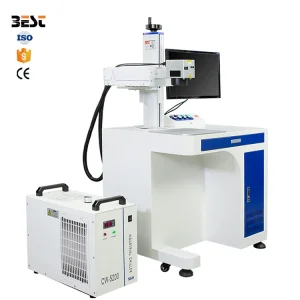
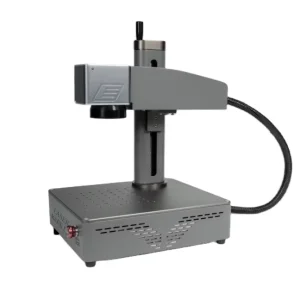
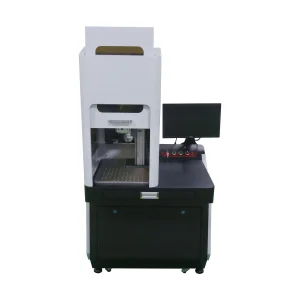
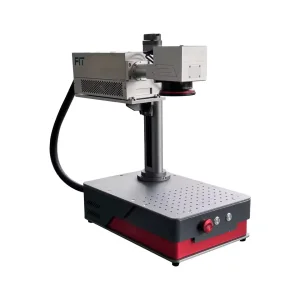
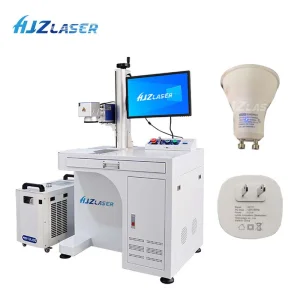
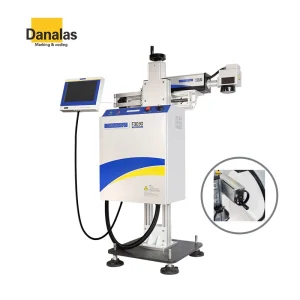
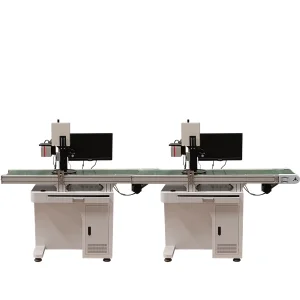
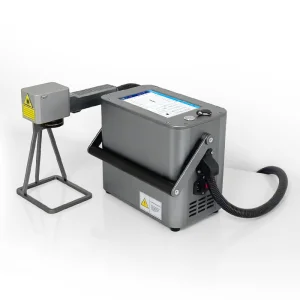
Technical guidance and commercial parameters for global partners seeking OEM/ODM laser configurations.
 Kinray Laser