Explore our top-tier precision systems, designed for high-performance laser coding across metals, plastics, and polymers.
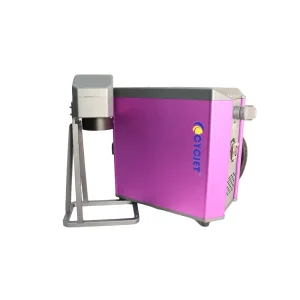
Cycjet M20 Industrial Fiber Laser Marker - Plastic & Metal Engraving System
View Tech Specs →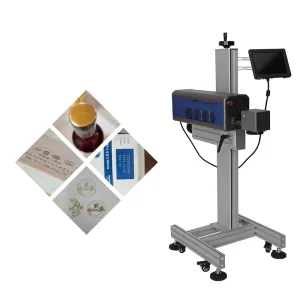
Automatic Online Flying CO2 Laser Printer Laser Marking Machine CO2 Laser Coder for Bag Bottle Expiry Date
View Tech Specs →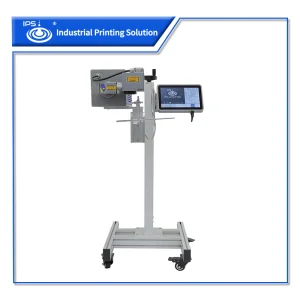
High Speed LC30 F Mg Flying 30W CO2 Laser Marking Machine Galvo Engraving Machine for Plastic /Wood/ Acrylic/Glass/Leather Expiry Date Coder CO2 Laser Marker
View Tech Specs →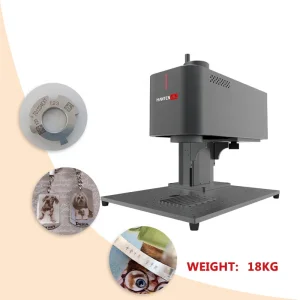
Semi-hosted Small Fiber Laser Marking Machine Metal Plastic Portable Laser Engraving Machine 20W MAX Light Laser Price
View Tech Specs →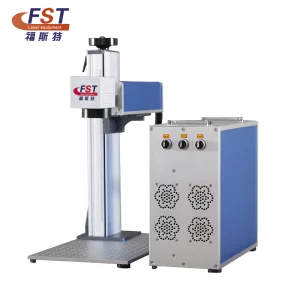
Industrial Grade Split Fiber Laser Marking System with Stable Output Fine Detail Laser Engraver Marking Machine FST Ezcad-Series
View Tech Specs →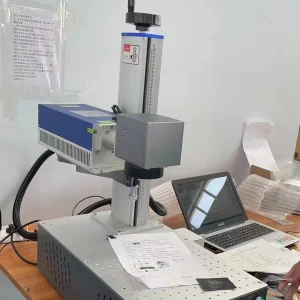
100 W New Label Making Bracelet Ring Engraving Letter Pendant Cut Personalized Custom Jewelry Fiber Laser Marking Machine
View Tech Specs →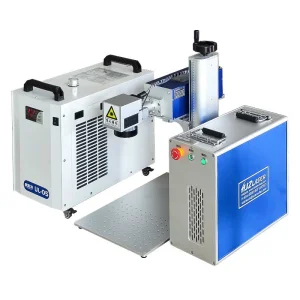
Portable UV 3W 5W 10W 15W 20W Laser Marking Machine Printer Logo Printing Engraving for Metal Glass Wood Plastic
View Tech Specs →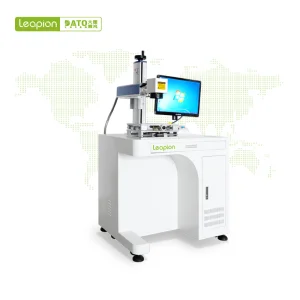
Free Shipping 20W 30W 50W 100W Fiber Laser Marking Machine Air Cooling Laser Marking Machine Metal Laser Marker
View Tech Specs →An in-depth whitepaper exploration of laser coding technology, compliance directives, and operational efficiencies.
The manufacturing sector is undergoing an unprecedented transition to intelligent tracking and traceability ecosystems. Under strict global regulatory compliance mandates like the EU Falsified Medicines Directive (FMD), US FDA UDI, and complex industrial supply chain standards, traditional inkjet coding is rapidly giving way to laser coding technology. Laser marking stands out as a non-contact, solvent-free, and permanent direct part marking (DPM) technique.
This technical evolution is primarily propelled by the need for sustainable, maintenance-free, and high-speed marking systems. Traditional Continuous Inkjet (CIJ) printers require recurring investments in inks, makeup fluids, filters, and high-maintenance printhead cleaning routines. In contrast, modern laser coding solutions exhibit lifetime operating windows exceeding 100,000 hours with negligible operating expenses, yielding a significantly lower Total Cost of Ownership (TCO).
Selecting the appropriate laser source wavelength is a fundamental engineering requirement for substrate-specific coding.
Ideal for carbon and stainless steels, aluminum, and hard plastics. Operates through photothermal ablation, vaporizing or restructuring surfaces with intense thermal energy. Offers high peak power and pulse control options (such as MOPA).
Ideally tailored for organic substrates like wood, glass, cardboard, leather, and PET plastics. Relies on deep-wavelength absorption to ablate or melt thin coatings, ensuring high-speed markings on beverage and food lines.
Known for "cold marking," UV lasers break chemical bonds directly at the atomic scale without generating excess heat. Essential for micro-electronics, glass, delicate plastics, and pharmaceuticals to prevent micro-cracks or heat discoloration.
| Parameter | Fiber Laser Systems | CO2 Laser Systems | UV Laser Systems |
|---|---|---|---|
| Wavelength | 1064 nm | 9.3 μm / 10.2 μm / 10.6 μm | 355 nm |
| Standard Substrates | Metals, ABS, Polycarbonate, Nylon | Glass, Cardboard, Wood, PET, Acrylics | Silicon, Thin Films, Medical Plastics, HDPE |
| Mechanism | Thermal Ablation / Engraving | Thermal Melting / Surface Ablation | Photolytic Cold-Chemical Alteration |
| Typical Line Speeds | Up to 12,000 mm/s | Up to 18,000 mm/s (High-Speed Galvo) | Up to 8,000 mm/s |
| Heat-Affected Zone (HAZ) | Moderate to High | High | Negligible / Zero thermal distortion |
Strategic focus areas defining the future development of industrial laser marking and automated factory ecosystems.
Real-time correction of position and depth-of-focus using integrated high-precision cameras.
Seamless continuous line printing synchronized with packaging speeds up to 300m/min.
Full system connectivity using OPC UA and Modbus protocols for direct MES integration.
Multi-depth laser carving using dynamically shifting focus optics and 3D galvo drivers.
A pioneering force in global industrial laser fabrication, engineering, and support systems.
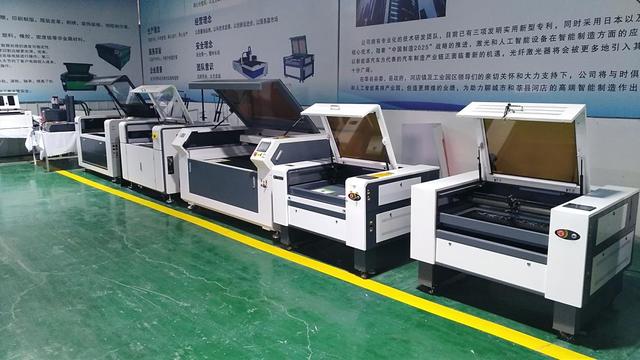
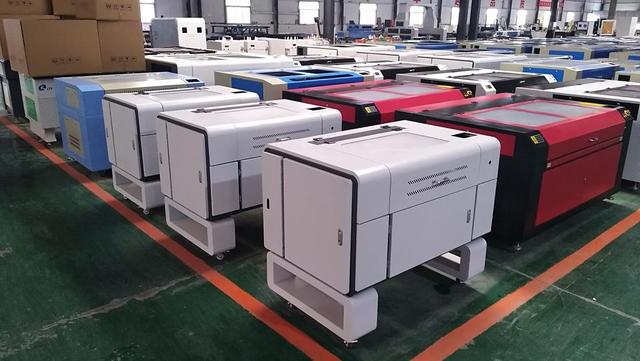
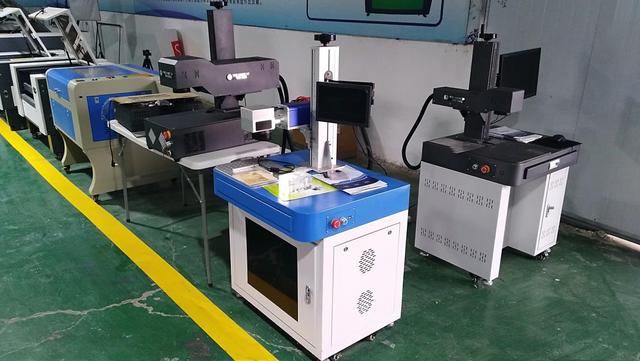
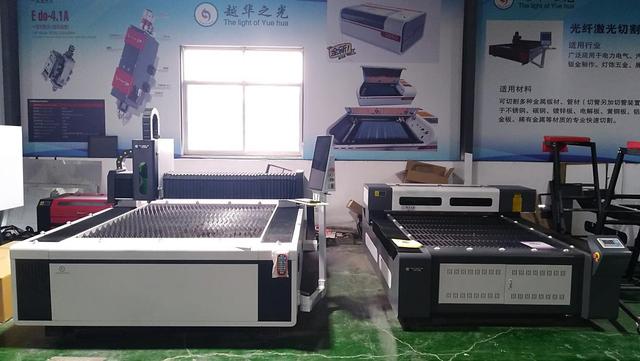
Hangzhou Kinray Laser Co., Ltd. is a leading China industrial laser marking machine manufacturer specializing in advanced fiber and UV laser solutions for global manufacturing industries. With a strong focus on innovation, precision, and intelligent manufacturing, Kinray Laser is committed to delivering high-performance laser equipment that improves production efficiency, product traceability, and marking quality.
Located in Hangzhou, China, the company integrates research and development, manufacturing, sales, and technical support to provide comprehensive laser processing solutions for customers worldwide. Our extensive product portfolio includes fiber laser marking machines, UV laser marking machines, CO2 laser marking systems, MOPA laser markers, flying laser marking machines, 3D laser marking equipment, and customized automated laser solutions.
Kinray Laser products are widely used in electronics, automotive, medical devices, precision hardware, jewelry, packaging, aerospace, consumer goods, and industrial manufacturing industries. Designed for high-speed, high-precision, and permanent marking applications, our systems are capable of processing a wide range of materials, including metals, plastics, ceramics, glass, and composite materials.
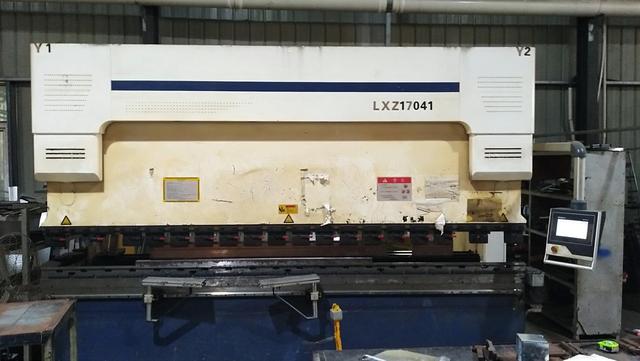
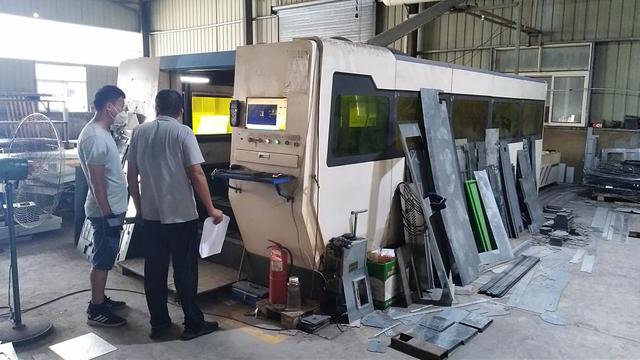
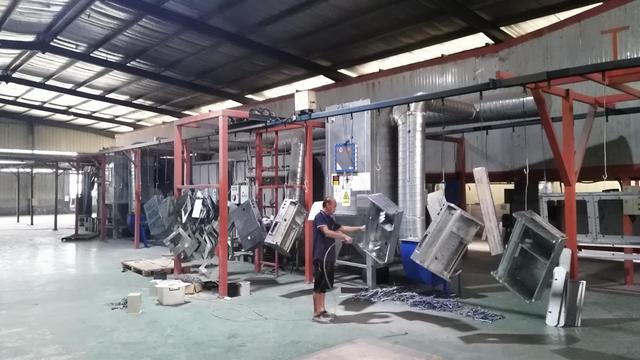
Equipped with advanced production facilities and rigorous quality management systems, Kinray Laser maintains strict quality control throughout every stage of manufacturing. Each machine undergoes comprehensive testing to ensure stable performance, reliability, and compliance with international standards.
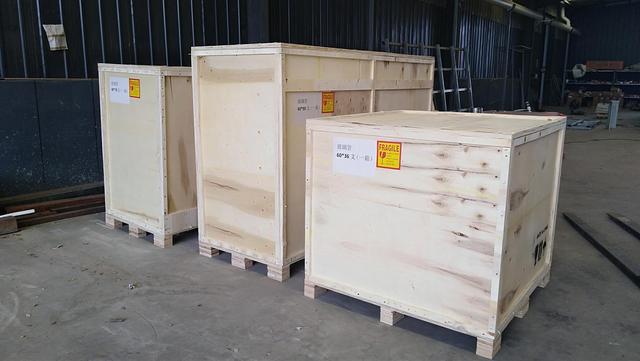
To support global customers, we offer flexible OEM and ODM services for distributors, system integrators, equipment brands, and industrial manufacturers. Our experienced engineering team works closely with customers to develop customized laser solutions tailored to specific production requirements, automation needs, and industry applications.
Driven by technological innovation and customer satisfaction, Hangzhou Kinray Laser Co., Ltd. continues to expand its global presence and strives to become a trusted partner for intelligent laser processing solutions, helping manufacturers achieve smarter, more efficient, and sustainable production.
Answers to critical questions regarding system selection, substrate compatibility, and operational mechanics.
High-precision portable models, visual alignment CCD models, and heavy-duty sandblasting systems for global export.
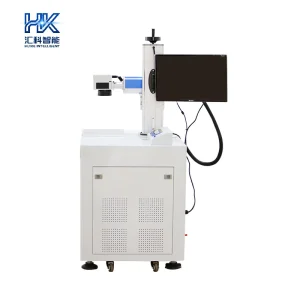
Huike Portable Fiber Laser Marking Machine 20W/30W High-Accuracy CNC with DXF/BMP/AI Support 8000mm/s Speed for Metal Parts
View Tech Specs →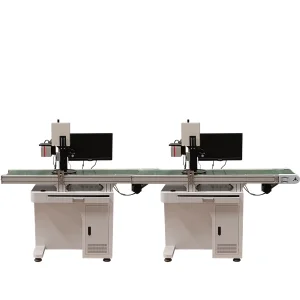
High Precision Camera Vision Positioning Fiber Laser Marking Machine CCD Visual Automatic Detection Laser Engraving Machine
View Tech Specs →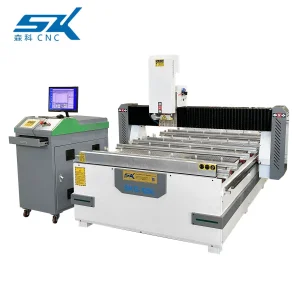
High Speed Large Area CNC Glass Fiber Laser Coat Removing Sandblasting Engraving Marking Machine for Mirror
View Tech Specs →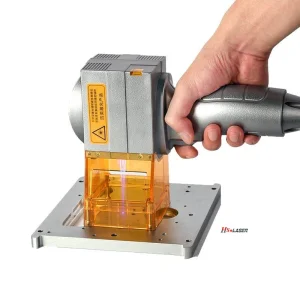
Integrated Handheld Laser Marking System for Workshop
View Tech Specs →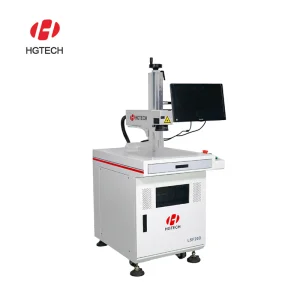
Hgtech 20W 30W 50W Integrated Design Laser Marking Machine Metal Steel Fiber Laser Engraving Machine for Sale
View Tech Specs →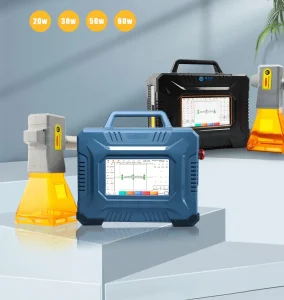
BLUETIMES 6kg Compact Size 20/30/50/60w Handheld Touchscreen Portable Fiber Laser Marker For Engraving Metal Tyre Rubber
View Tech Specs →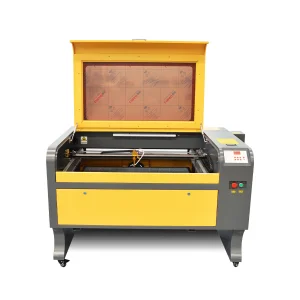
For 9060 Mini CO2 Laser Engraving Machine for Wood/MDF/Rubber Home Use Water Cooling Deep Marking Bench-Top Configuration
View Tech Specs →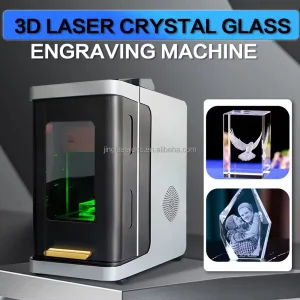
Factory Price uv Laser Marking Engraving Machine for Glass Crystal Balls Photo Subsurface 2.5D 3D Engraving Internal Engraver
View Tech Specs → Kinray Laser