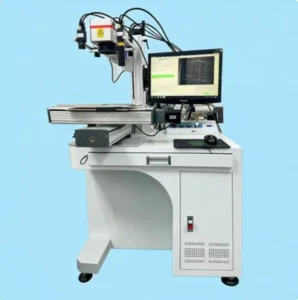
Explore our premium select range of compact desktop fiber, UV, and CO2 laser machines configured for sub-micron processing and high efficiency.
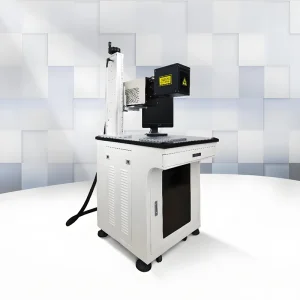

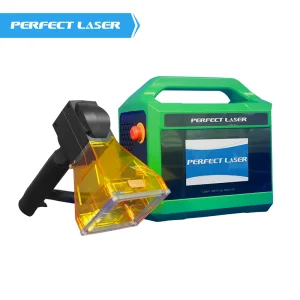
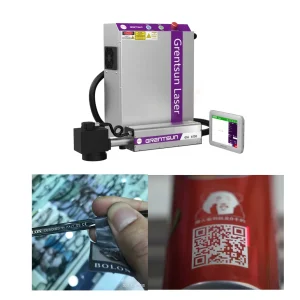

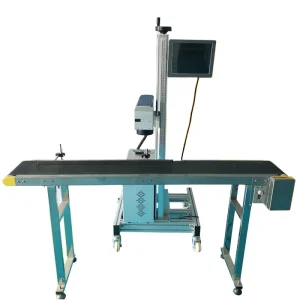
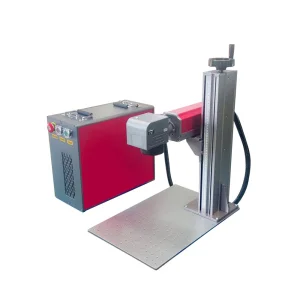
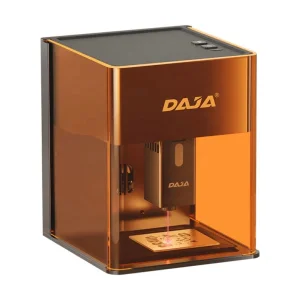
In modern high-precision industries, spatial optimization and processing agility have shifted product development cycles significantly. Desktop laser solutions, historically perceived as entry-level workshop tools, have undergone a massive paradigm shift. Today’s industrial-grade desktop laser markers and engravers represent dense configurations of advanced fiber, CO2, and ultraviolet (UV) resonators coupled with high-speed digital galvanometers and integrated computer numerical controls (CNC).
Hangzhou Kinray Laser Co., Ltd. is a leading China industrial laser marking machine manufacturer specializing in advanced fiber and UV laser solutions for global manufacturing industries. With a strong focus on innovation, precision, and intelligent manufacturing, Kinray Laser is committed to delivering high-performance laser equipment that improves production efficiency, product traceability, and marking quality.
Information Gain Key Insight: The transition from sub-nanosecond pulse regimes to ultra-fast and MOPA (Master Oscillator Power Amplifier) configurations in compact desktop footprints allows operators to fine-tune pulse width (from 2ns to 500ns) and frequency. This capability mitigates thermal damage, effectively narrowing the heat-affected zone (HAZ) to micron-level parameters.
Located in Hangzhou, China, the company integrates research and development, manufacturing, sales, and technical support to provide comprehensive laser processing solutions for customers worldwide. Our extensive product portfolio includes fiber laser marking machines, UV laser marking systems, CO2 laser marking configurations, MOPA laser markers, flying online laser systems, 3D dynamic focus equipment, and customized automated laser cell integration.
Global procurement metrics indicate a surging demand for desktop laser configurations among system integrators, contract manufacturers, and OEM engineering groups. Key concerns driving this shift include space saving, ease of automated workflow integration, power density stability, and international compliance matrices.
| Laser Source Type | Typical Wavelength | Ideal Target Materials | Key Applications |
|---|---|---|---|
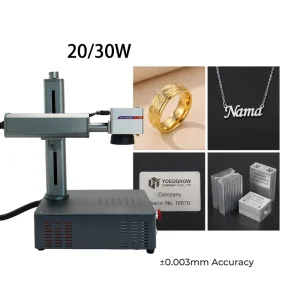
| Fiber (Q-Switched & MOPA) | 1064 nm | Stainless steel, carbon steel, aluminum, brass, opaque plastics | Industrial DPM, QR trace, metal engraving, jewelry customization |
| UV (Ultra-Violet DPSS) | 355 nm | Glass, ultra-thin polymers, delicate electronics, sapphire | Micro-marking without heat, pharmaceutical packaging, silicon wafer marking |
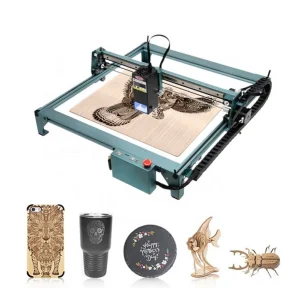
| CO2 (RF Metal Tube) | 10600 nm | Wood, acrylic, rubber, leather, paper, textiles, glass | Organic material engraving, plastic coding, container batch coding |
How Kinray Laser's desktop portfolio interfaces with global standard operating procedures in key industrial fields.
Kinray’s fiber marking lasers deliver permanent Direct Part Marking (DPM) complying with ISO/TS 16949 standards. Capable of surviving sandblasting, heat treatments, and corrosion processes on gear assemblies, cast alloys, and high-temp components.
Our UV laser systems integrate machine vision algorithms (CCD) to precisely position serial codes on PCB substrates, integrated circuits (ICs), and flexible printed electronics down to 0.5mm text parameters without introducing micro-fractures.
Utilizing high-power density MOPA systems, we create passive black marking oxide layers on surgical titanium tools and stainless implants without disrupting the passive anti-corrosive chromium oxide film, remaining autoclave-resistant.
Kinray Laser products are widely deployed in demanding environments, which is why we enforce a strict quality control matrix. Each system conforms to international regulatory certifications including CE (LVD/EMC), FDA CDRH registration, and FCC standards. In addition, our manufacturing facilities adhere strictly to the ISO 9001:2015 quality management pathway.
When purchasing desktop laser engravers, safety categorization dictates workplace deployment rules. Kinray offers both open desktop frames (Class 4 working setups for rapid custom operations) and fully enclosed, interlocked desktop configurations (Class 1 certified setups). Class 1 enclosures protect the operator from scattered radiation emissions, using certified protective viewing glass windows matching the specific absorption spectra of the laser wavelength (OD6+ protection level).
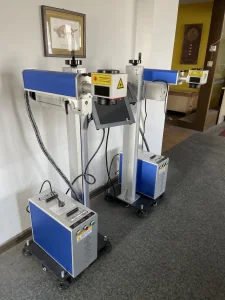
OEM and ODM Integrator Support: We supply a complete SDK and API software suite supporting C++, C#, Python, and PLC automation controls (using Modbus or TCP/IP protocols). This facilitates easy installation of our marking heads inside active conveyor lines, pick-and-place workstations, and smart warehouse sorting zones.
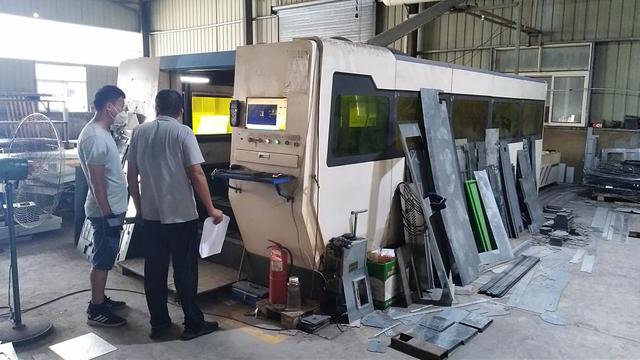
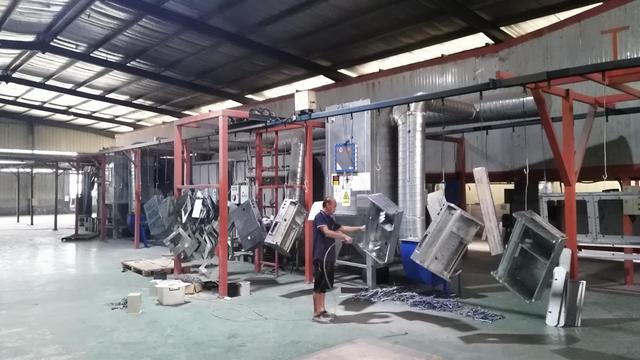
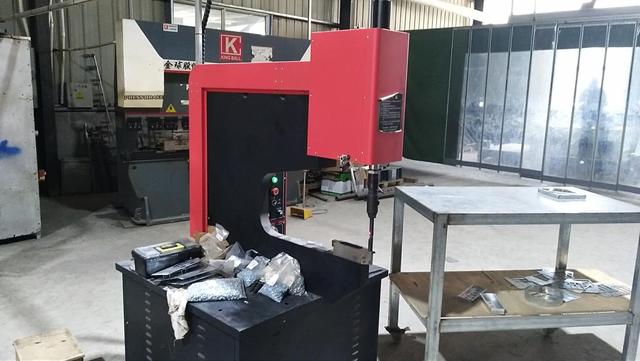
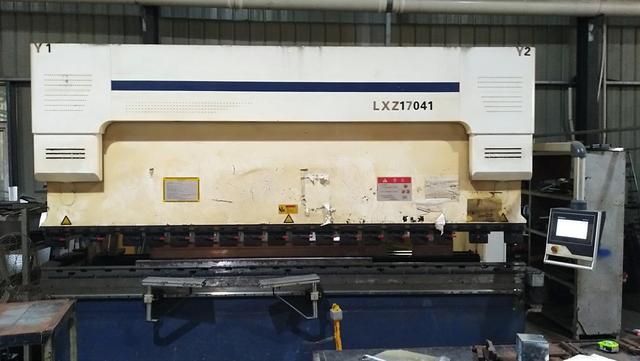
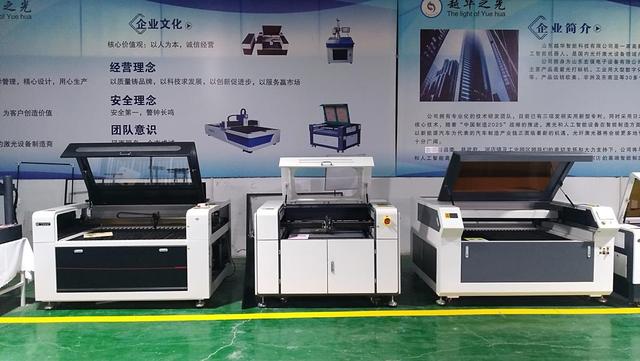
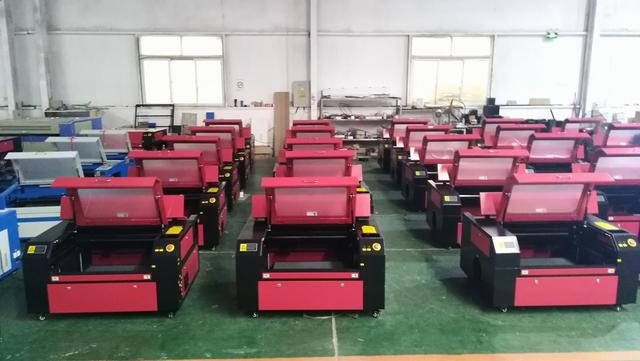
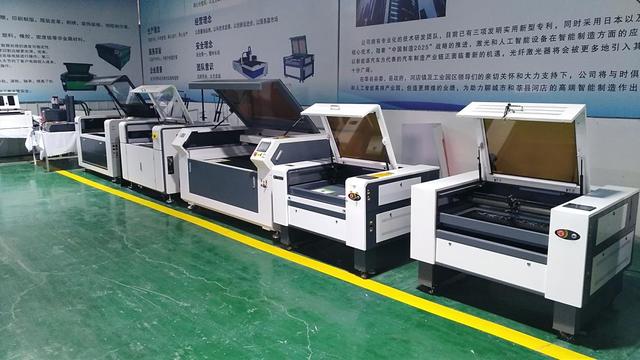
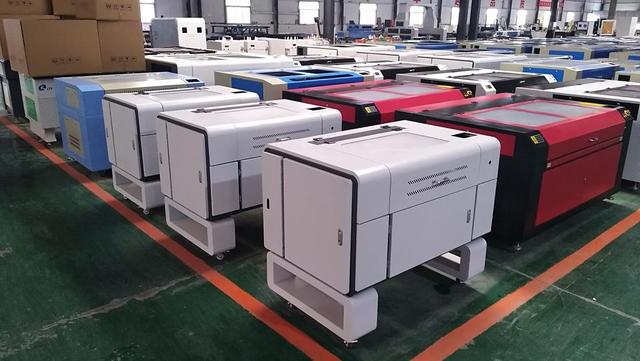
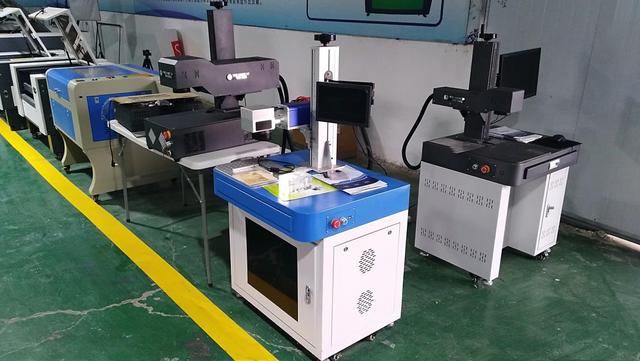
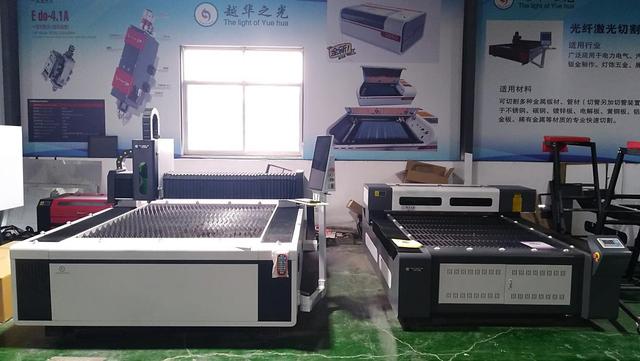
Take an inside look at Hangzhou Kinray Laser's precision testing, clean-room optical assembly processes, and quality assurance stations.
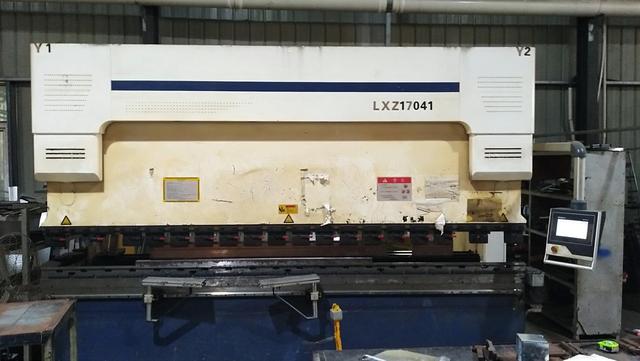
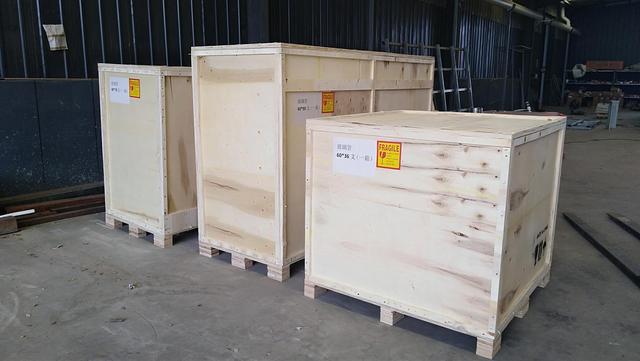
Looking toward 2026 and beyond, Kinray Laser focuses on three core pillars: AI visual identification, ultra-short pulse integration, and eco-friendly manufacturing profiles.
Our upcoming generation of desktop laser markers introduces embedded neural networks (AI Vision). Traditionally, workpiece placement required precise positioning jigs. With AI-assisted vision systems, the laser marker automatically tracks the component's orientation, adapts the marking matrix coordinate set, and detects marking faults in real-time. This reduces setup overhead by up to 85%.
Furthermore, as industrial electronics scale downward, we are progressively shrinking our UV and MOPA resonators, ensuring higher density packaging that fits comfortably within cellular factory modules, matching the spatial constraints of modern cleanrooms.
Get authoritative answers directly from Kinray's engineering team on selection, optics, physics, and integration.
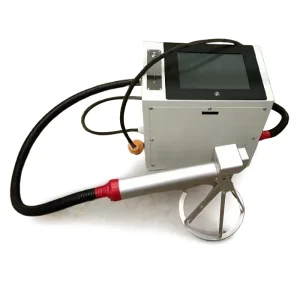
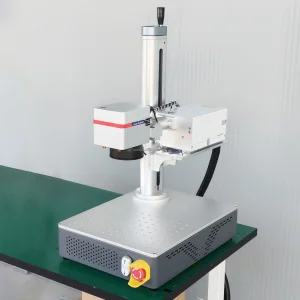
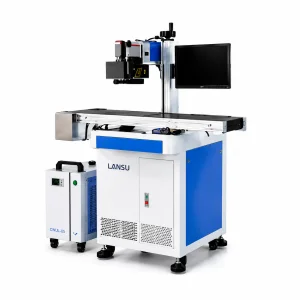
Explore our compact systems optimized for fast assembly integration, micro-processing, and online coding.

 Kinray Laser