Direct from Hangzhou Kinray Laser Co., Ltd. - Built for manufacturing reliability and ultimate micro-machining accuracy.
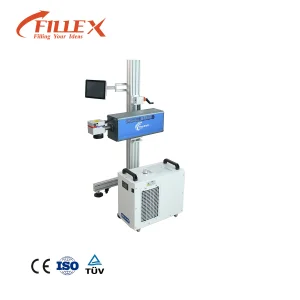

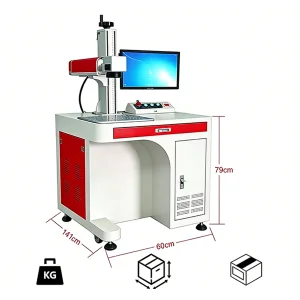

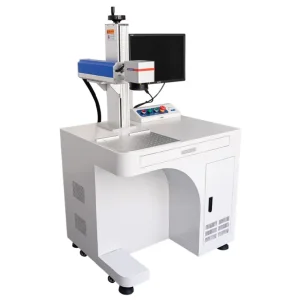
The industrial landscape for manufacturing has shifted from traditional mechanical drilling to non-contact Laser Micro-Drilling systems. Across key manufacturing hotspots in North America, Europe, and Asia-Pacific, structural demands for micro-vias, filtration holes, and clean coolant pathways have sky-rocketed. Modern consumer devices, complex PCBs, and automotive injector nozzles demand hole diameters below 100 micrometers—a spec mechanical drills cannot reach without severe tool wear and component deformation.
For B2B buyers looking to optimize operations, sourcing from leading China laser hole drilling machine factories provides a substantial commercial advantage. Chinese factory partners have successfully bridged the gap between ultra-high R&D capabilities and economic scalability. As a result, global engineering managers now look directly to China for scalable, automated, and high-precision laser platforms that can work 24/7 with zero tool cost and minimal maintenance intervals.
Miniaturization in electronics requires rapid drilling of HDI (High-Density Interconnector) PCBs, flex circuits, and semiconductor packaging components with sub-50µm diameter vias.
By shifting to Picosecond and Femtosecond lasers, modern facilities prevent carbonization or delamination of materials, ensuring superior edge quality.
Customized conveyor integrations, optical alignment algorithms, and multi-galvo heads allow processing rates of up to thousands of holes per second.
A leading industrial laser solutions developer integrating design, manufacturing, and global technical services.
Hangzhou Kinray Laser Co., Ltd. is a leading China industrial laser marking and drilling machine manufacturer specializing in advanced fiber and UV laser solutions for global manufacturing industries. With a strong focus on innovation, precision, and intelligent manufacturing, Kinray Laser is committed to delivering high-performance laser equipment that improves production efficiency, product traceability, and marking quality.
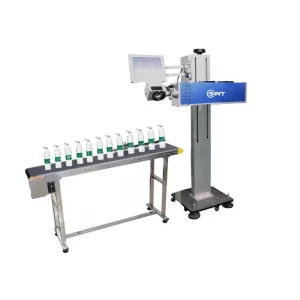
Located in Hangzhou, China, the company integrates research and development, manufacturing, sales, and technical support to provide comprehensive laser processing solutions for customers worldwide. Our extensive product portfolio includes fiber laser marking machines, UV laser marking machines, CO2 laser marking systems, MOPA laser markers, flying laser marking machines, 3D laser marking equipment, and customized automated laser solutions.
Kinray Laser products are widely used in electronics, automotive, medical devices, precision hardware, jewelry, packaging, aerospace, consumer goods, and industrial manufacturing industries. Designed for high-speed, high-precision, and permanent marking applications, our systems are capable of processing a wide range of materials, including metals, plastics, ceramics, glass, and composite materials.
Equipped with advanced production facilities and rigorous quality management systems, Kinray Laser maintains strict quality control throughout every stage of manufacturing. Each machine undergoes comprehensive testing to ensure stable performance, reliability, and compliance with international standards.
To support global customers, we offer flexible OEM and ODM services for distributors, system integrators, equipment brands, and industrial manufacturers. Our experienced engineering team works closely with customers to develop customized laser solutions tailored to specific production requirements, automation needs, and industry applications.
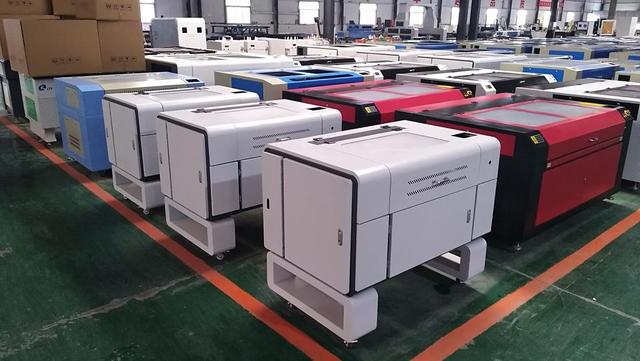
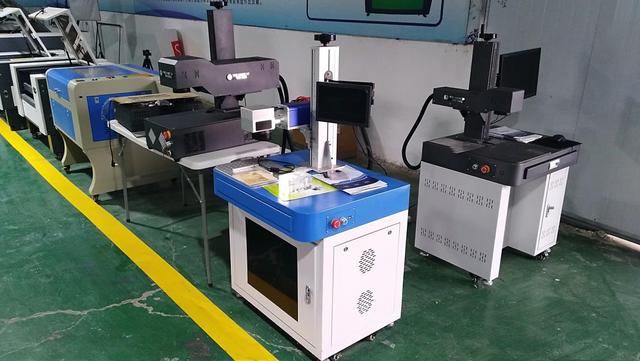
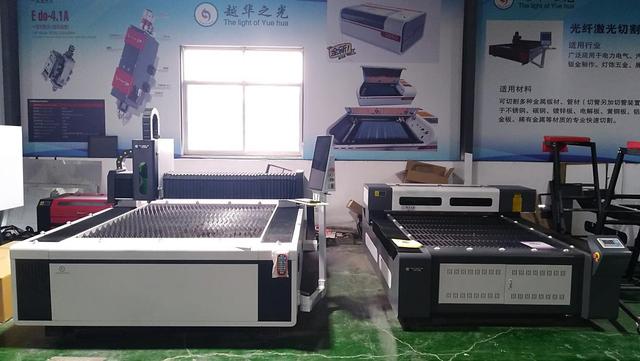
Understanding wavelengths and pulse duration is critical for selecting the correct laser micro-machining workstation.
In B2B micro-drilling, the selection of the laser source determines the throughput, hole taper, and wall quality. The primary differentiation lies in the pulse duration of the laser. Traditional nanosecond lasers rely heavily on photothermal processes, melting and vaporizing material to form holes. While cost-effective, this thermal process creates a Heat Affected Zone (HAZ) and can cause recast layers or micro-cracks at the boundaries of the hole.
Conversely, ultra-fast lasers (picosecond and femtosecond systems) operate via cold ablation. The laser pulse duration is shorter than the thermal diffusion time of the material, meaning atoms are directly ionized and vaporized without transferring heat to the surrounding lattice. This results in incredibly clean holes, zero micro-cracking, and pristine surface finishes—ideal for glass, semiconductor wafers, and medical stents.
| Laser Source Type | Wavelength Scope | Pulse Width Range | Primary Industrial Use Case | Maximum Hole Quality / HAZ Impact |
|---|---|---|---|---|
| Fiber Laser (Infrared) | 1064 nm | ns (nanoseconds) | Thick metal sheets, structural holes, rapid steel pipe drilling | Moderate HAZ, potential recast layer, high speed |
| UV (Ultraviolet) Laser | 355 nm | ns to ps (picosecond) | Flex PCB blind vias, delicate plastics, optical glass drilling | Extremely low HAZ, precise photochemical ablation |
| CO2 Laser (Gas) | 9.3 µm - 10.6 µm | µs to ns | FR4 PCB drilling, acrylics, wood, ceramics, stone | High thermal transfer, optimized for non-metals |
| Femtosecond Laser | 1030 nm / 515 nm | fs (femtoseconds) | Semiconductor wafers, sapphire sapphire cover glass, medical stents | True zero HAZ, pristine micro-structural integrity |
From standard machinery to dynamic factory integrations: how Kinray Laser supports global supply chains.
With the rise of 5G circuits and multi-layer HDI boards, high-speed drilling of micro-vias (diameter < 75 µm) is vital. Our UV and CO2 hybrid laser systems allow simultaneous processing of copper foils and organic resins with exceptional precision.
Eco-friendly engines require ultra-precise fuel spray nozzles. Modern gasoline and diesel fuel injector components need micron-scale holes with a negative taper to optimize combustion efficiency. Ultra-fast lasers achieve these geometry profiles reliably.
Turbine blades operate under intense heat and require complex configurations of cooling holes. Traditional EDM (Electrical Discharge Machining) is slow and limited by geometry. Multi-axis CNC laser systems permit rapid percussion drilling at precise angles.
As the micro-manufacturing sector looks toward 2030, laser drilling technologies are evolving along three primary frontiers:
Integrating SLM technology allows developers to split a single laser beam into hundreds of individually addressable sub-beams. This multiplies the processing speed of micro-hole arrays on wafers and filtration screens by up to 100x without adding footprint.
Real-time monitoring using Optical Coherence Tomography (OCT) allows our laser machines to verify hole depth, diameter, and taper morphology during the drilling process. Underperforming holes are corrected instantly, minimizing scrap rates.
Combining Green (515 nm) and UV (355 nm) optical engines within a single system permits rapid roughing followed by precise final polishing. This optimizes processing cost and surface finish in composite materials.
Essential technical answers for procurement directors, manufacturing engineers, and production supervisors.
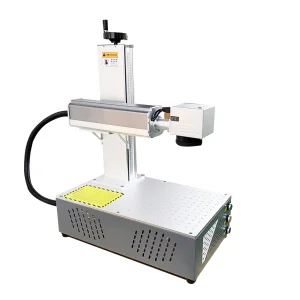
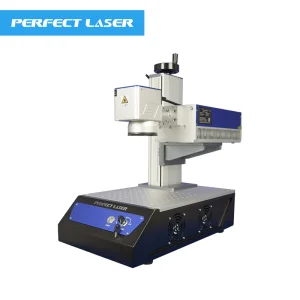
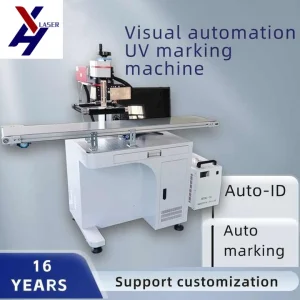
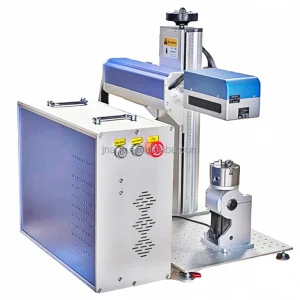
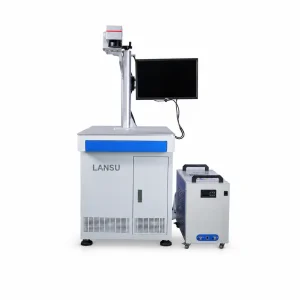
Expand your factory's production capabilities with these advanced marking, coding, and engraving systems.

 Kinray Laser