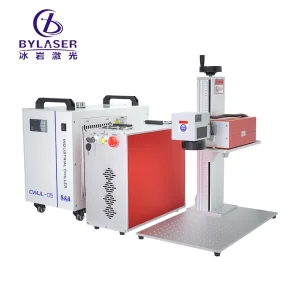
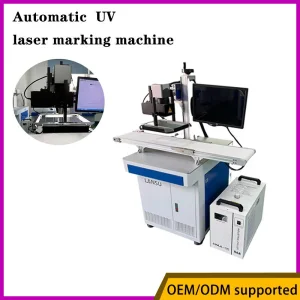
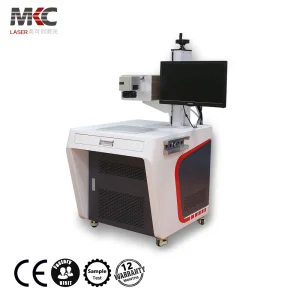
Explore our premium grade laser marking, cutting, and scanning solutions built for modern high-uptime factory environments.
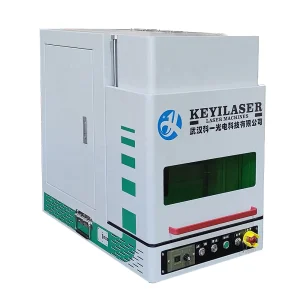
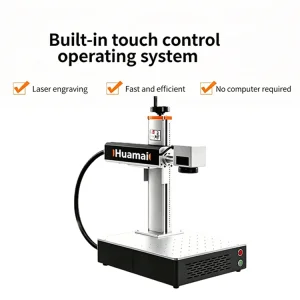

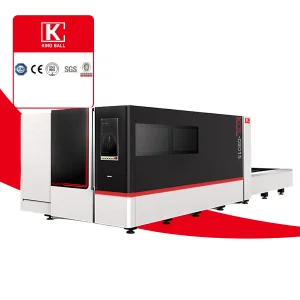
In modern industrial manufacturing, laser-based operations—ranging from deep-precision laser cutting to micron-level marking—have transitioned from isolated procedures to highly integrated cyber-physical components of smart factories. Consequently, the demands on laser performance monitoring have intensified. To achieve zero-defect production in highly regulated industries such as automotive, medical devices, and microelectronics, maintaining absolute control over the optical properties of the laser beam is non-negotiable.
Laser performance monitoring entails the real-time, non-invasive diagnostics of physical metrics that define laser beam quality. These parameters include optical power stability, spatial beam profiling, focus spot drift, and M² (beam propagation factor) deviation. Without proactive measurement systems, optical degradation caused by thermal lensing, dirt accumulation on protective lenses, or diode decay goes undetected, leading to structural micro-cracks, incomplete markings, or total batch scrap.
Under Google's Search Quality Rater Guidelines, content addressing precision engineering must demonstrate deep experience, expertise, authoritativeness, and trustworthiness. In our capacity as Hangzhou Kinray Laser Co., Ltd., we back our machinery with extensive research labs, direct validation data, and ISO-certified manufacturing protocols to ensure our laser diagnostic solutions stand up to global industrial standards.
A comprehensive overview of critical parameters required to preserve the processing efficiency of fiber, UV, and CO2 laser systems.
Monitors laser power degradation caused by active diode aging or fiber core defects. Eliminates variance in cutting depth and marking clarity, ensuring high-speed processing lines operate uniformly over multiple shifts.
Analyzes beam spatial profile intensity distribution (TEM00 mode optimization) to assure minimal focus spot size. Essential for high-precision UV Galvo marking systems working with heat-sensitive substrates.
Compensates for optical element heating inside protective galvo heads and focusing lenses. By measuring phase shift in real-time, the system auto-adjusts visual positioning and focal offset metrics.
Hangzhou Kinray Laser Co., Ltd. is a leading China industrial laser marking machine manufacturer specializing in advanced fiber and UV laser solutions for global manufacturing industries. With a strong focus on innovation, precision, and intelligent manufacturing, Kinray Laser is committed to delivering high-performance laser equipment that improves production efficiency, product traceability, and marking quality.
Located in Hangzhou, China, the company integrates research and development, manufacturing, sales, and technical support to provide comprehensive laser processing solutions for customers worldwide. Our extensive product portfolio includes fiber laser marking machines, UV laser marking machines, CO2 laser marking systems, MOPA laser markers, flying laser marking machines, 3D laser marking equipment, and customized automated laser solutions.
Kinray Laser products are widely used in electronics, automotive, medical devices, precision hardware, jewelry, packaging, aerospace, consumer goods, and industrial manufacturing industries. Designed for high-speed, high-precision, and permanent marking applications, our systems are capable of processing a wide range of materials, including metals, plastics, ceramics, glass, and composite materials.
Equipped with advanced production facilities and rigorous quality management systems, Kinray Laser maintains strict quality control throughout every stage of manufacturing. Each machine undergoes comprehensive testing to ensure stable performance, reliability, and compliance with international standards.
To support global customers, we offer flexible OEM and ODM services for distributors, system integrators, equipment brands, and industrial manufacturers. Our experienced engineering team works closely with customers to develop customized laser solutions tailored to specific production requirements, automation needs, and industry applications.
Driven by technological innovation and customer satisfaction, Hangzhou Kinray Laser Co., Ltd. continues to expand its global presence and strives to become a trusted partner for intelligent laser processing solutions, helping manufacturers achieve smarter, more efficient, and sustainable production.
| Technology Base | Primary Application Spectrum | Optimal Performance Indicators | Monitoring Parameters |
|---|---|---|---|
| Fiber Lasers | Metals (Steel, Aluminum, Brass), Hard Plastics, VIN Coding | High-speed deep engraving, high uptime | CW Power Stability, Peak Pulse Energy, Back-reflection tolerance |
| UV Lasers (355nm) | Glass, Silicon, Delicate Polymers, PCB Circuit Marking | Cold processing, minimal thermal heat affected zone | M² propagation factor, pulse width degradation, laser spot jitter |
| CO2 Lasers | Wood, Acrylic, Glass, Paper, Packaging Materials, Pipes | Organic material processing, ultra-high speed flying marking | Gas mix pressure stability, optical alignment, thermal drift |
| MOPA Fiber Lasers | Anodized Aluminum, Black Marking, Colored Stainless Steel | Tunable pulse duration, high frequency ranges | Temporal pulse profiling, average power dynamics, pulse overlap |
The manufacturing capabilities of Hangzhou Kinray Laser Co., Ltd. leverage the robust industrial ecosystem of Zhejiang province. By centralizing core supply chains—ranging from optical crystal synthesis to high-frequency laser power supply components—we can offer unparalleled production agility and cost optimization without compromising quality.
Our facility implements real-time ERP-linked fabrication flow lines. This ensures components are dynamically checked, optoelectronically calibrated, and pressure-tested for continuous operation. Unlike Western boutique manufacturers, Kinray's large-scale output generates economies of scale, allowing us to source premium materials—such as high-stability JPT, IPG, or Raycus laser sources and digital galvo scanners—at optimal price tiers. This pricing and production efficiency is directly passed on to our global OEM partners.
Furthermore, our rigorous 72-hour continuous thermal and mechanical stress test protocol ensures that every machine leaving the Hangzhou plant behaves predictably on site. The resulting high operational efficiency reduces installation, calibration, and startup times, saving critical capital expenditure for industrial operators.
Discover how Kinray Laser Performance Monitoring and advanced laser marking systems solve unique problems across global industrial hubs.
Scenario: Deep engraving of 17-digit VIN codes on engine blocks and cast-aluminum battery chassis elements.
Kinray Solution: Integrated fiber marking systems equipped with automatic height sensors and optical tracking. These units maintain contrast and depth despite variance in casting thickness and surface texture.
Scenario: UDI-compliant marking on surgical implants and stainless-steel tools.
Kinray Solution: MOPA and high-precision UV laser markers that apply corrosion-resistant, high-contrast barcodes without altering the mechanical integrity or biocompatibility of the base metal.
Scenario: High-speed marking of sub-miniature codes on glass displays, FR4 PCBs, and silicon wafers.
Kinray Solution: Cold-laser UV galvo scanners featuring built-in vision inspection modules. Corrects marking targets inline and auto-rejects misaligned items dynamically.
Enterprise procurement teams face complex challenges when sourcing laser machinery. The checklist spans safety regulatory compliance (such as FDA CDRH Class 1 enclosures, CE marking, and IEC 60825-1 laser safety standards) to deep protocol integration. Procurement managers look for systems with long Mean Time Between Failures (MTBF > 100,000 operational hours for fiber laser engines) and native industry-standard interfaces like Profinet, EtherCAT, and TCP/IP for direct linking with Manufacturing Execution Systems (MES).
Looking to the next decade (2025–2035), the laser processing industry is moving toward closed-loop sensor networks. Smart factories will no longer accept periodic static calibrations. Instead, they require in-situ, real-time diagnostic arrays built directly into the laser beam delivery head. These sensors measure power output and laser beam spatial shape pulse-by-pulse, auto-calibrating variables on-the-fly. This shift to smart self-correcting lasers reduces human error and is a key focus of Hangzhou Kinray’s R&D team.
Get professional answers regarding laser diagnostics, system integration, calibration protocols, and procurement logistics.
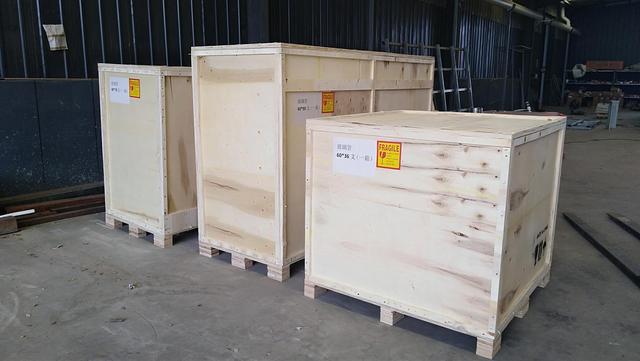
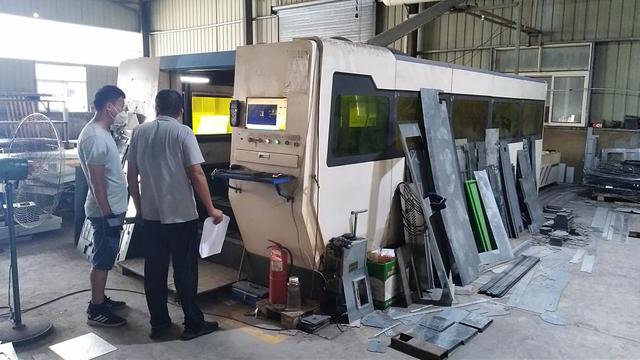
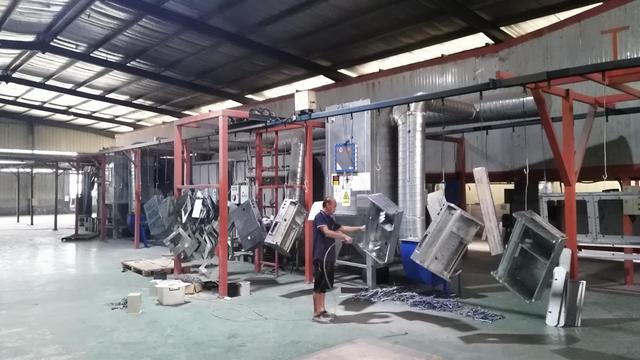
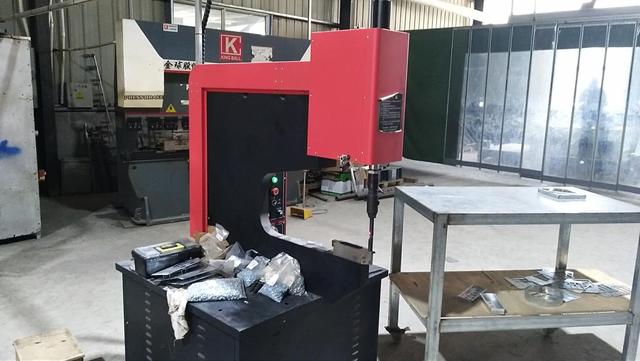
Inside our Hangzhou plant: high-tech assembly lines, cleanrooms, and testing facilities that ensure exceptional machine reliability.
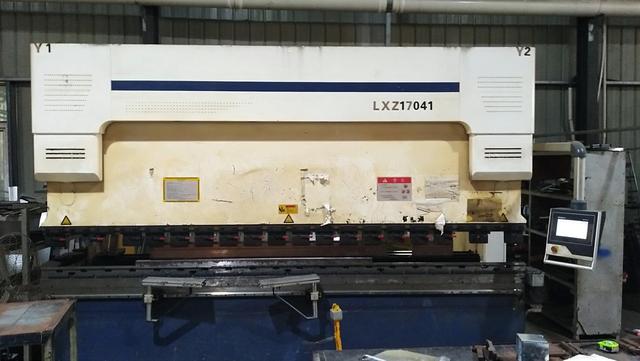
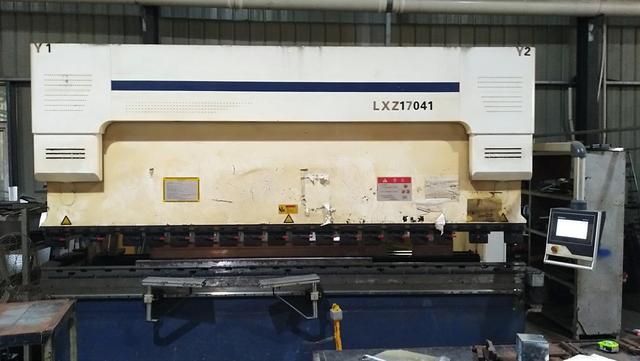
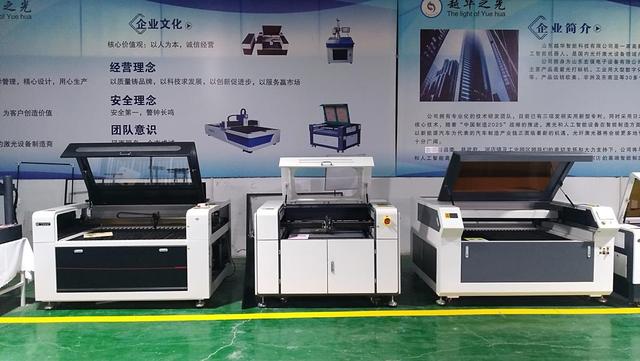
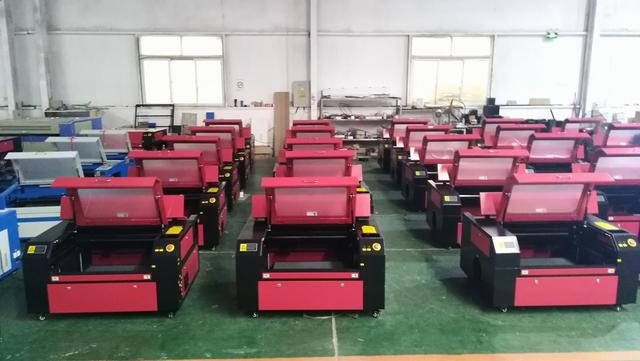
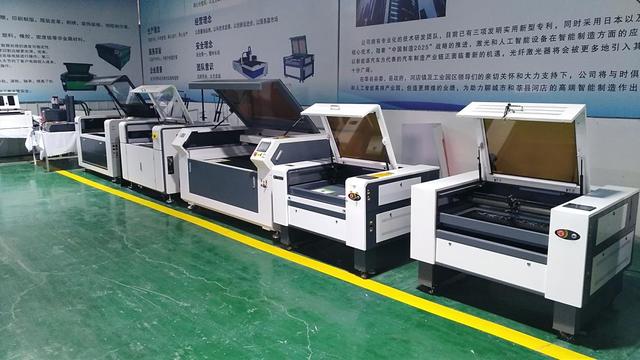
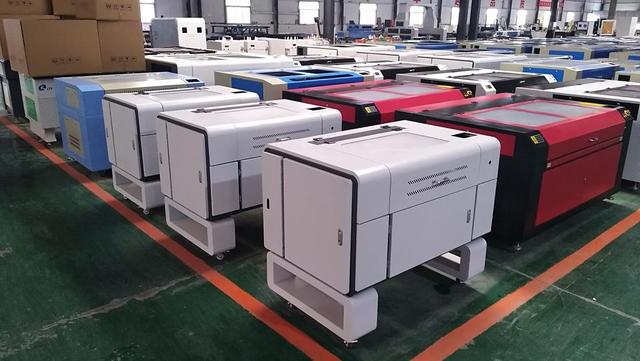
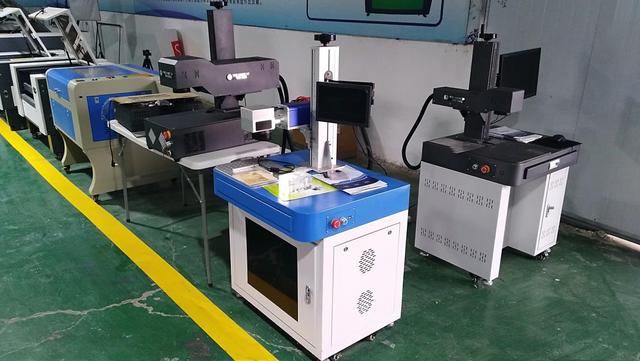
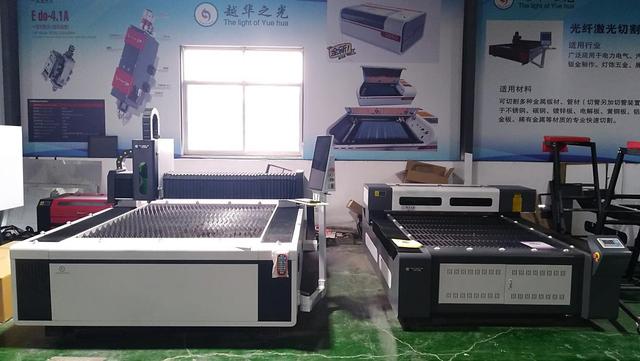
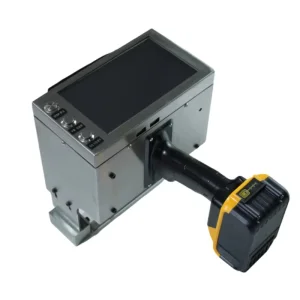
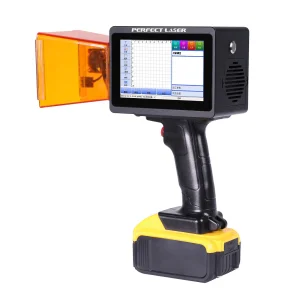
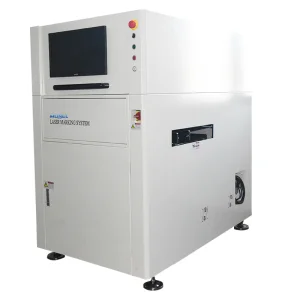
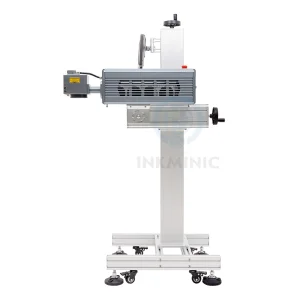
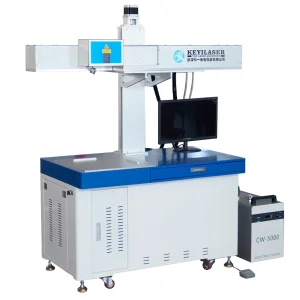
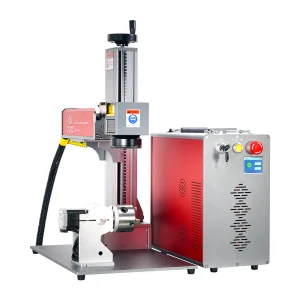
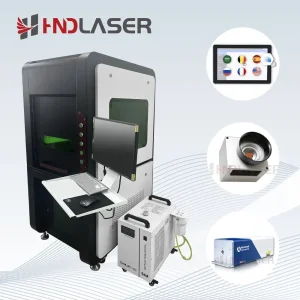
Premium specialized machines configured for dynamic production flow, high-speed inline coding, and irregular shape profiling.
 Kinray Laser