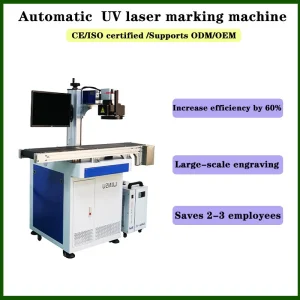
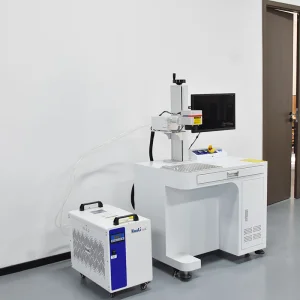
Explore our highly integrated laser processing workstations, featuring state-of-the-art MOPA, UV, and CO2 engines optimized for automation lines.
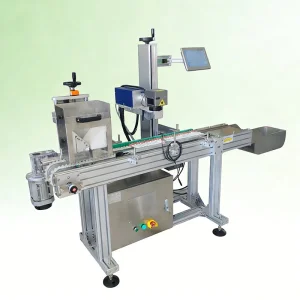

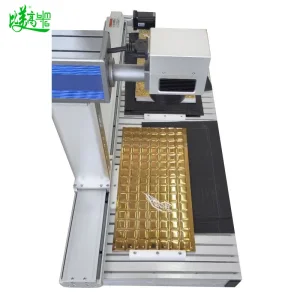

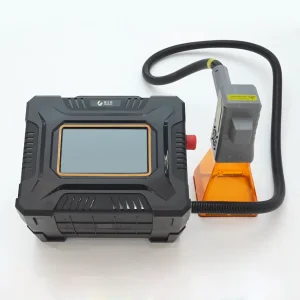
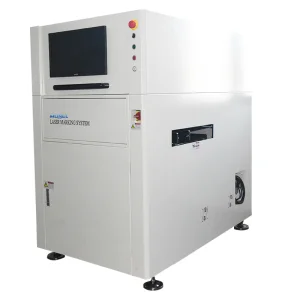
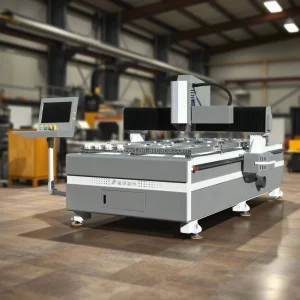
The global manufacturing ecosystem is undergoing an unprecedented transition from standard component-level laser marking to intelligent, fully integrated laser workflow solutions. This evolution is driven by the rise of Smart Manufacturing, Industrial Internet of Things (IIoT) capabilities, and increasingly rigorous regulatory requirements for cross-border components tracking. Modern laser processing is no longer treated as an isolated offline operation; it is now a critical node in continuous data-capture loops.
Key technological breakthroughs shaping the future of industrial laser marking include:
As factories transition toward lights-out autonomous operations, the reliability of the marking station determines the continuity of the entire packaging or assembly line. As a result, industry procurement focus has shifted from unit-cost comparison to total cost of ownership (TCO) and long-term hardware reliability.
Hangzhou Kinray Laser Co., Ltd. is a leading China industrial laser marking machine manufacturer specializing in advanced fiber and UV laser solutions for global manufacturing industries. With a strong focus on innovation, precision, and intelligent manufacturing, Kinray Laser is committed to delivering high-performance laser equipment that improves production efficiency, product traceability, and marking quality.
Located in Hangzhou, China, the company integrates research and development, manufacturing, sales, and technical support to provide comprehensive laser processing solutions for customers worldwide. Our extensive product portfolio includes fiber laser marking machines, UV laser marking systems, CO2 laser marking systems, MOPA laser markers, flying laser marking machines, 3D laser marking equipment, and customized automated laser solutions.
Equipped with advanced production facilities and rigorous quality management systems, Kinray Laser maintains strict quality control throughout every stage of manufacturing. Each machine undergoes comprehensive testing to ensure stable performance, reliability, and compliance with international standards.
To support global customers, we offer flexible OEM and ODM services for distributors, system integrators, equipment brands, and industrial manufacturers. Our experienced engineering team works closely with customers to develop customized laser solutions tailored to specific production requirements, automation needs, and industry applications.
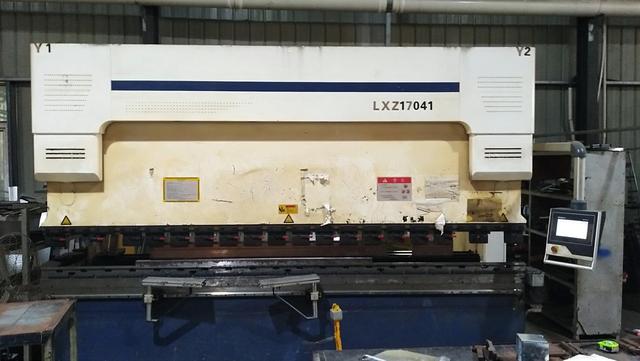
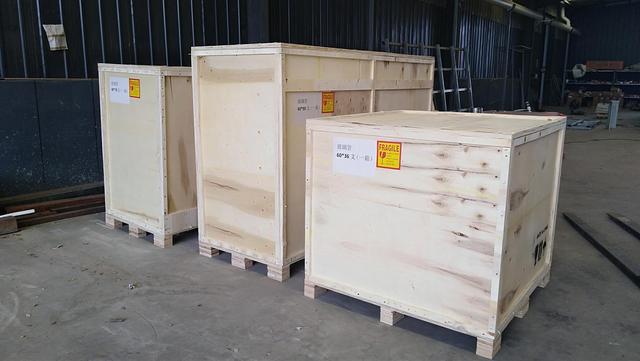
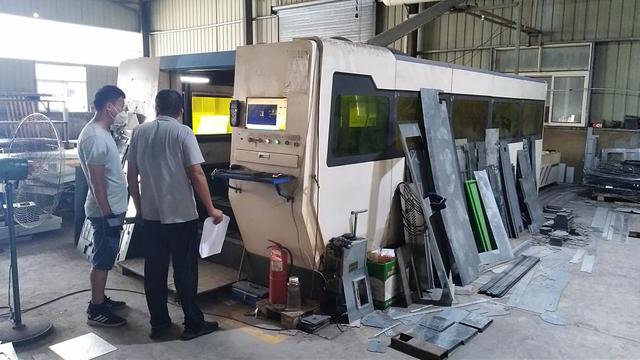
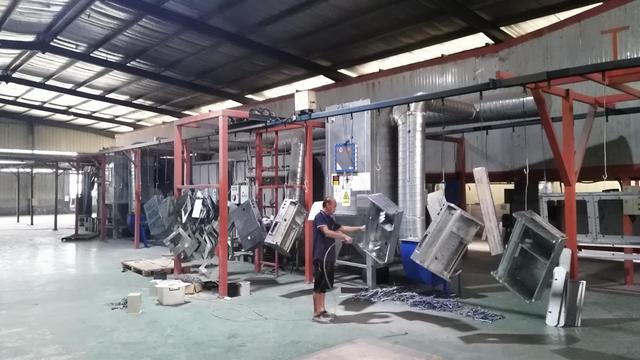
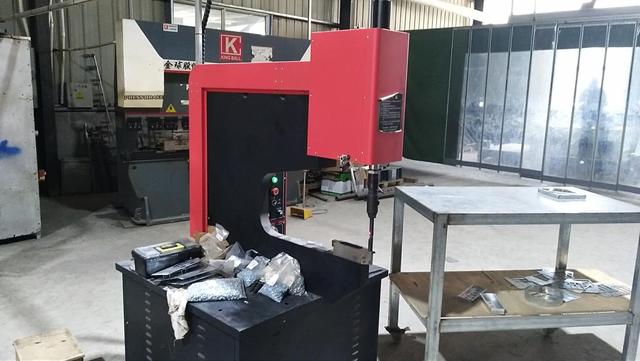
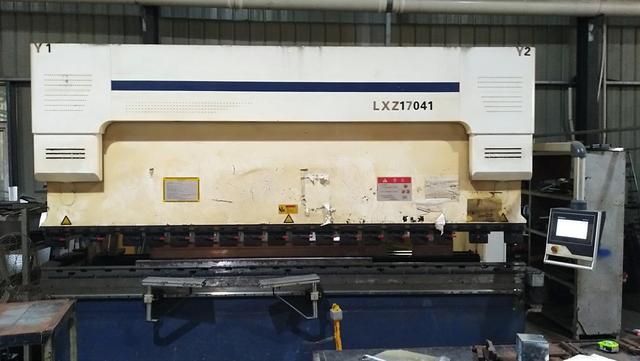
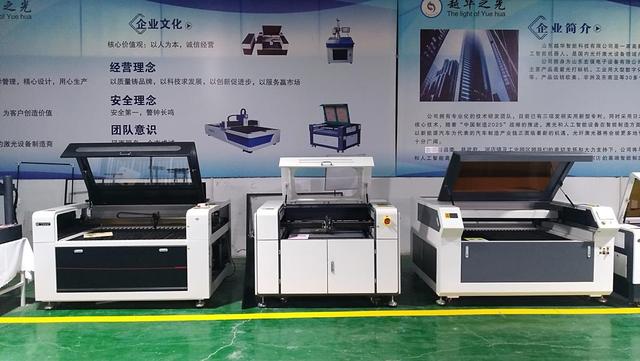
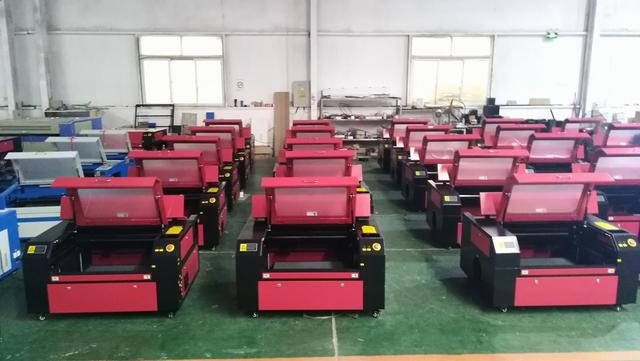
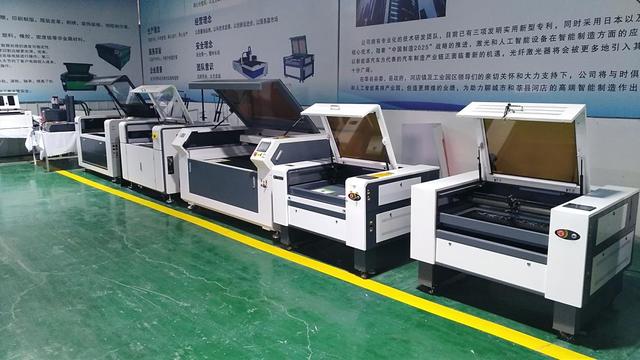
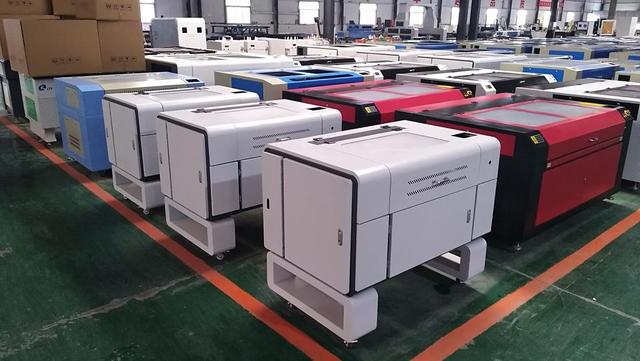
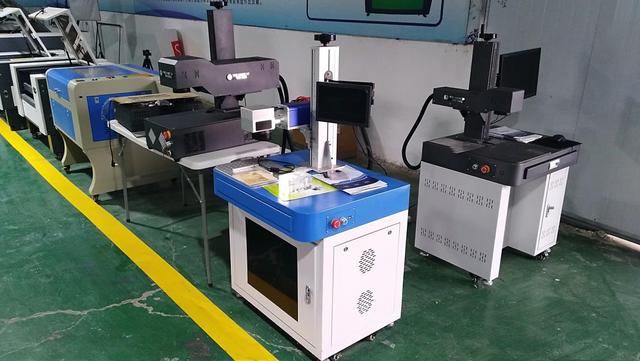
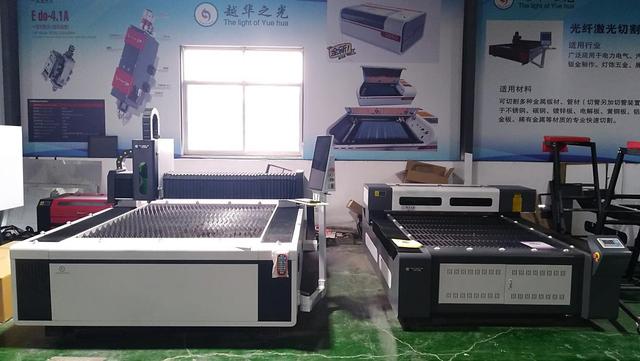
Large-scale global procurement managers look beyond basic datasheets. True optimization in automated manufacturing lines relies heavily on mechanical compatibility, electrical safety, communication protocol support, and the ability to operate under harsh conditions (dust, vibration, high thermal fluctuations). Kinray Laser systems are engineered to address these complex operating variables.
In high-stress fields, components are subjected to aggressive post-processing such as chemical baths, heat treatments, and sandblasting. Our high-power MOPA and Fiber Laser systems generate permanent, high-contrast marks directly inside the metallic grain structure. This ensures compliance with standard traceability regulations (such as SAE AS9132) throughout the entire component lifecycle.
Medical instruments require corrosion-resistant, clean markings that do not foster bacterial growth. Our UV Laser Cold Marking Solutions alter the molecular properties of the polymer or titanium surface without damaging passivation layers. They are engineered to comply with FDA UDI (Unique Device Identification) standards, remaining readable even after hundreds of autoclave sterilization cycles.
Additionally, modern industrial lines require high flexibility in physical configurations. By offering modular mechanical integration interfaces, Kinray ensures that our scanheads can be mounted directly on multi-axis robotic arms, integrated into high-speed linear tracks, or operated inside Class 1 enclosures with pneumatic doors.
To maintain a strategic advantage in the laser industry, Kinray Laser invests a minimum of 10% of annual revenue back into optoelectronic and industrial software research. Our development roadmap centers on three main technological pillars:
Deploying integrated 3D time-of-flight (ToF) sensors inside the galvanometer scanhead, enabling automatic focus correction for parts with complex curvatures or varying stack heights (+/- 50mm dynamic range).
Developing ultra-short pulse (femtosecond) green and deep-UV laser sources to target organic plastics, thin-film PV cells, and multi-layer PCBs, preventing thermal leakage and micro-machining damage.
Using machine learning modules located in the cloud to monitor back-reflection, diode temperature, and power degradation curves, predicting component wear-and-tear before field failure occurs.
Exporting equipment globally requires adherence to local industrial regulations and international safety directives. As an enterprise exporter, Kinray Laser builds its product lineups around international compliance guidelines:
To bridge regional divides, Kinray Laser works alongside qualified local engineering partners to provide remote diagnostics, commissioning, operator training, and field repair services across North America, Europe, and Southeast Asia. This reduces downtime and speeds up production deployment.
Expert insights from the Kinray Laser engineering department on common technical issues, component selection, and optimization.
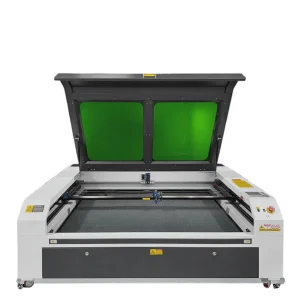
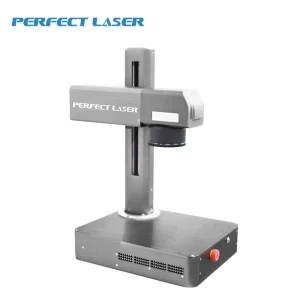
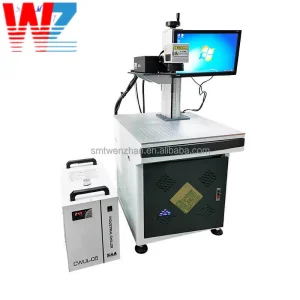
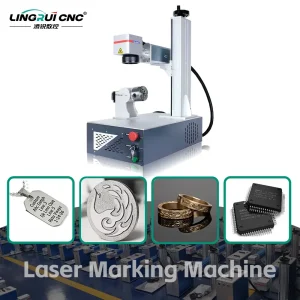
Discover our heavy-duty CO2 cutters, high-speed color marking systems, and portable tools designed for diverse manufacturing floors.
 Kinray Laser