Engineered for high-throughput assembly lines, extreme precision, and direct Integration with California manufacturing automation protocols.
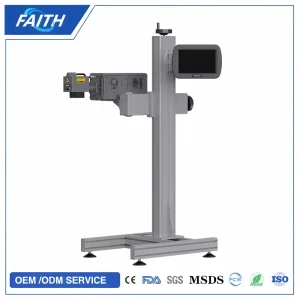
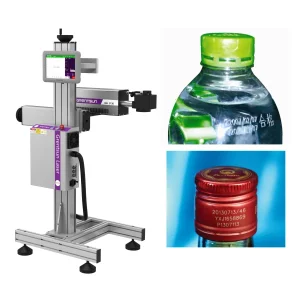
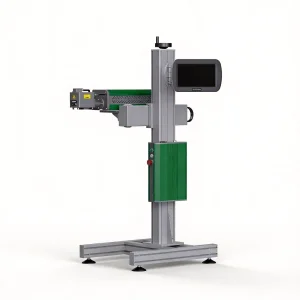
In the highly regulated and competitive industrial landscape of Southern California, traceability, zero-defect processing, and high throughput are no longer targets—they are mandatory baseline operational parameters. From biomedical engineering corridors to aerospace and logistics conglomerates operating adjacent to the Port of Los Angeles, manufacturers require rapid marking equipment optimized for high-capacity workflows.
As a global OEM/ODM manufacturer specializing in next-generation solid-state, fiber, CO2, and ultraviolet laser platforms, Hangzhou Kinray Laser Co., Ltd. delivers high-stability markings that align with strict federal compliance, defense mandates, and aerospace specifications (such as AS9100 and MIL-STD-130). This page serves as a technical blueprint and deployment overview for operations managers, manufacturing engineers, and procurement directors across California seeking field-proven, high-speed, and low-maintenance laser solutions.
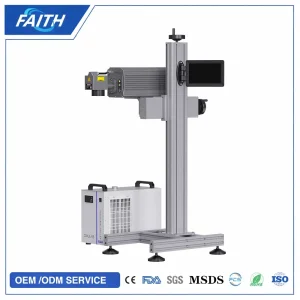
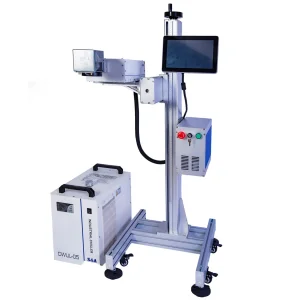
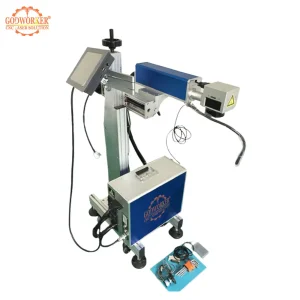
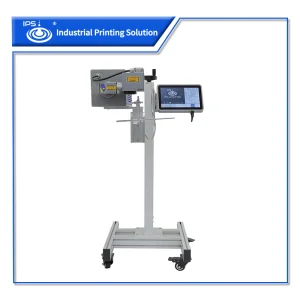
With high labor costs in California, automation efficiency determines overall margin. Implementing high-speed galvo-scanning laser markers allows packaging lines to achieve line speeds exceeding 60 meters per minute while maintaining high-resolution 2D barcodes, serial numbers, and FDA-compliant UID codes.
Eliminate costly industrial inks, solvents, and printheads, reducing total cost of ownership by up to 75%.
Manufactured according to ISO 9001 quality controls, CE declarations, and US FDA CDRH performance standards.
Fully compatible with Modbus, OPC UA, and Ethernet/IP protocols for smart factory environments.
Ultra-reliable solid-state and fiber diodes engineered for continuous 24/7/365 heavy duty production.
Los Angeles is not just a commercial center; it is the largest manufacturing region in the United States, supporting complex industrial sectors that demand precise equipment parameters.
Southern California is home to major aerospace corporations, defense contractors, and private space flight innovators (concentrated in El Segundo, Hawthorne, and the South Bay). Under federal regulations like MIL-STD-130, all components must feature Permanent Item Unique Identification (IUID) registry marks. Our MOPA and Fiber Laser Marking systems offer precise pulse-width tuning. This allows engineers to mark sensitive titanium, anodized aluminum, and carbon fiber composites without inducing micro-cracks or heat-affected zones (HAZ) that could compromise structural integrity at high altitudes or during orbital exit velocities.
From biomedical implants to pharmaceutical manufacturing, medical device OEMs based in the LA/Orange County corridor are subject to strict FDA regulations. Crucially, the Unique Device Identification (UDI) system requires readable, non-corrosive, non-toxic, and permanent markings on surgical stainless steel, PEEK, and silicone. Kinray's 355nm UV (Ultraviolet) "cold marking" lasers break chemical bonds at the molecular level without applying thermal stress. This process ensures sterile, burr-free surfaces that resist corrosion over repeated autoclave sterilization cycles.
With major production and warehousing hubs in Vernon, City of Industry, and Ontario, packaging lines demand high-speed marking to print expiration dates, batch numbers, and barcode sequences on the fly. As lines move up to 60-100 meters per minute, thermal inkjet systems can clog and create recurring operational costs. Kinray's specialized CO2 laser systems (operating at 9.3μm and 10.6μm wavelengths) are designed to mark directly onto high-density polyethylene (HDPE), PET bottles, glass containers, and flexible pouches. The permanent engraving remains legible, tamper-proof, and impervious to moisture and cold storage degradation.
As California leads the transition to zero-emission transport, electric vehicle startups and battery pack assemblers require rapid identification solutions for cylindrical cells, busbars, and cast aluminum housings. Our high-power 50W and 100W fiber laser systems deliver the speed and depth necessary to engrave high-contrast data matrices and QR codes. These markings remain readable throughout assembly, vehicle testing, and the end-of-life recycling lifecycle.
Procuring capital equipment from international manufacturers requires clear alignment on safety compliance, component origin, software compatibility, and post-purchase engineering support. At Hangzhou Kinray Laser Co., Ltd., we design and build systems that meet these standards.
To ensure high uptime, we source core parts from recognized global industrial brands. Our scanheads utilize high-performance digital galvos with high torque and low thermal drift. Laser sources are sourced from top-tier brands (such as Raycus, JPT, and IPG for Fiber, and Coherent or Synrad for CO2 systems). Optical lenses feature high-transmittance, anti-reflective coatings for maximum power transfer and minimal spot distortion. Systems are supplied with genuine EZCAD control cards and software, supporting dynamic data arrays, serial sequences, and direct communication protocols.
We supply systems built to satisfy rigorous safety and operational standards:
Modern factories depend on data integration. Our high-speed controllers are built for plug-and-play operation in automated systems:
| Protocol | Application Interface | Operational Benefit |
|---|---|---|
| TCP/IP & Modbus | Direct PLC Communication (Siemens, Allen-Bradley) | Trigger marking cycles and dynamically load variable strings from lines. |
| Encoder Inputs | Marking-on-the-Fly (MOTF) systems | Synchronizes galvanometer deflection speed with conveyor encoders for zero distortion. |
| I/O Signals | Error alarms, busy status, cycle completion, laser active | Permits light-tower monitoring and automated product rejection gates. |
Choosing the correct laser machine is determined by the material chemistry of your workpiece. The interaction between the laser wavelength and the material's absorption profile determines whether you achieve a clean, high-contrast mark or risk thermal deformation.
Fiber systems are the industry standard for metallic substrates and high-density engineering polymers. The 1064nm near-infrared beam is highly absorbed by steel, copper, brass, aluminum, titanium, and chrome. MOPA (Master Oscillator Power Amplifier) systems offer adjustable pulse widths (from 2ns to 500ns). This allows operators to control heat input, enabling color marking on stainless steel or low-stress, high-contrast marks on dark plastics like ABS and nylon.
Known as "cold processing," the 355nm UV laser beam is absorbed by a wide range of materials. By breaking chemical bonds rather than melting them, UV lasers generate minimal thermal effects. This makes them ideal for micro-marking silicon wafers, sensitive medical devices, electronic PCB boards, cosmetic bottles, and heat-sensitive films, producing crisp, high-resolution markings.
CO2 laser markers utilize long-wave infrared energy, which is absorbed by non-metallic materials. The 9.3μm wavelength is specifically tuned for PET and other plastics, while the 10.6μm wavelength is ideal for organic materials like wood, paperboard, leather, acrylic, glass, and textiles. These systems are commonly integrated into high-speed bottling, packaging, and label conversion lines.
While Q-switched lasers offer fixed pulse durations with high peak power, MOPA lasers allow independent control of pulse duration, repetition rate, and peak power. For aerospace parts requiring minimal stress and medical implants requiring passivation stability, MOPA systems offer fine-tuned parameters to prevent material micro-cracking.
Hangzhou Kinray Laser Co., Ltd. is a leading China industrial laser marking machine manufacturer specializing in advanced fiber and UV laser solutions for global manufacturing industries. With a strong focus on innovation, precision, and intelligent manufacturing, Kinray Laser is committed to delivering high-performance laser equipment that improves production efficiency, product traceability, and marking quality.
Located in Hangzhou, China, the company integrates research and development, manufacturing, sales, and technical support to provide comprehensive laser processing solutions for customers worldwide. Our extensive product portfolio includes fiber laser marking machines, UV laser marking machines, CO2 laser marking systems, MOPA laser markers, flying laser marking machines, 3D laser marking equipment, and customized automated laser solutions.
Kinray Laser products are widely used in electronics, automotive, medical devices, precision hardware, jewelry, packaging, aerospace, consumer goods, and industrial manufacturing industries. Designed for high-speed, high-precision, and permanent marking applications, our systems are capable of processing a wide range of materials, including metals, plastics, ceramics, glass, and composite materials.
Equipped with advanced production facilities and rigorous quality management systems, Kinray Laser maintains strict quality control throughout every stage of manufacturing. Each machine undergoes comprehensive testing to ensure stable performance, reliability, and compliance with international standards.
To support global customers, we offer flexible OEM and ODM services for distributors, system integrators, equipment brands, and industrial manufacturers. Our experienced engineering team works closely with customers to develop customized laser solutions tailored to specific production requirements, automation needs, and industry applications.
Driven by technological innovation and customer satisfaction, Hangzhou Kinray Laser Co., Ltd. continues to expand its global presence and strives to become a trusted partner for intelligent laser processing solutions, helping manufacturers achieve smarter, more efficient, and sustainable production.
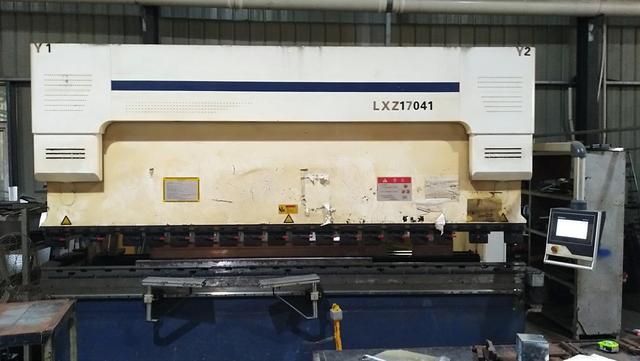
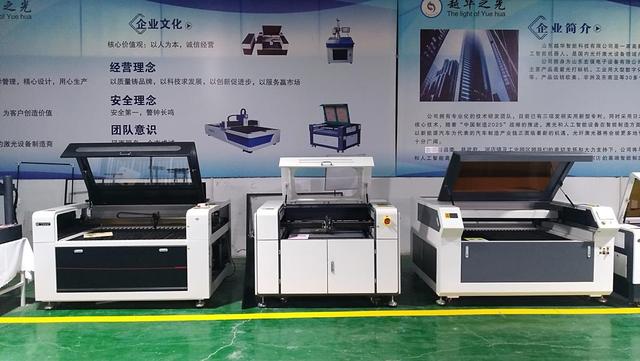
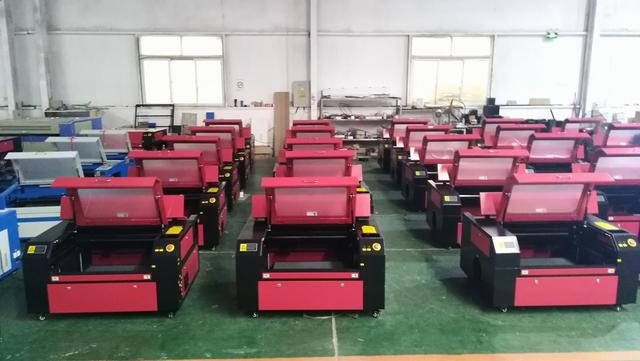
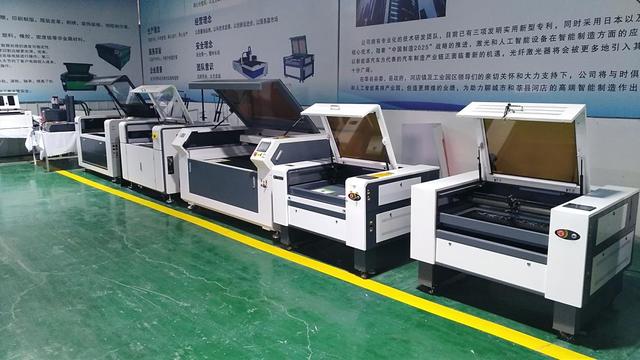
Take a virtual tour of Hangzhou Kinray Laser's state-of-the-art R&D and assembly facility, where precision engineering meets rigorous quality standards.
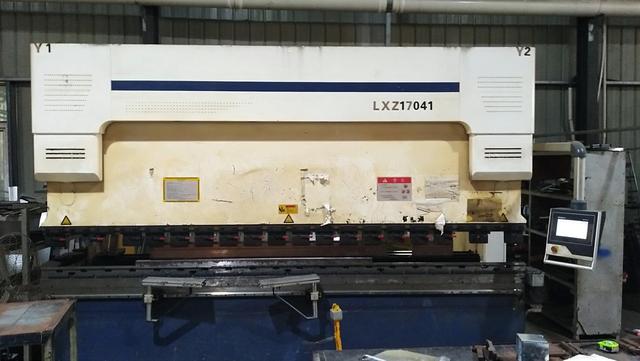
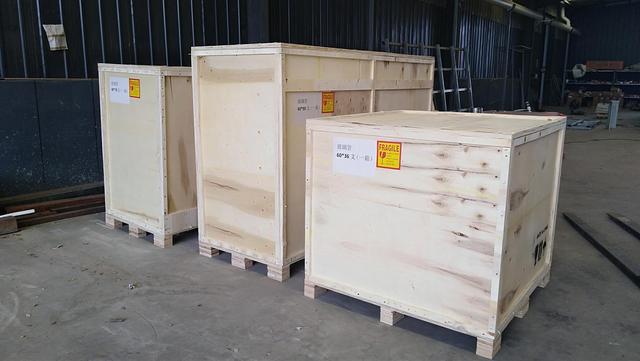
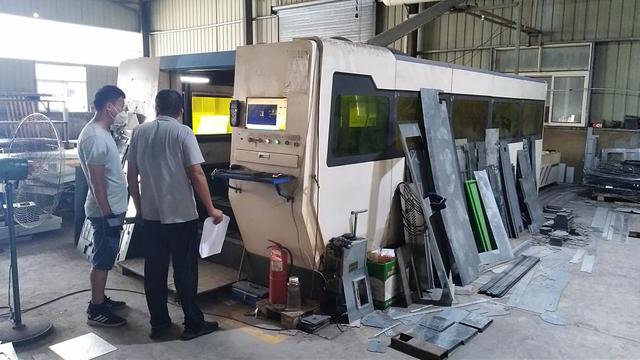
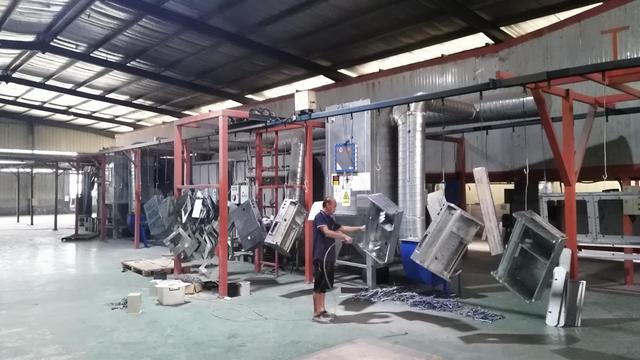
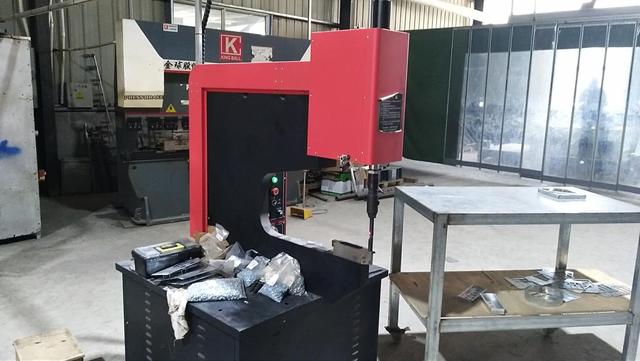
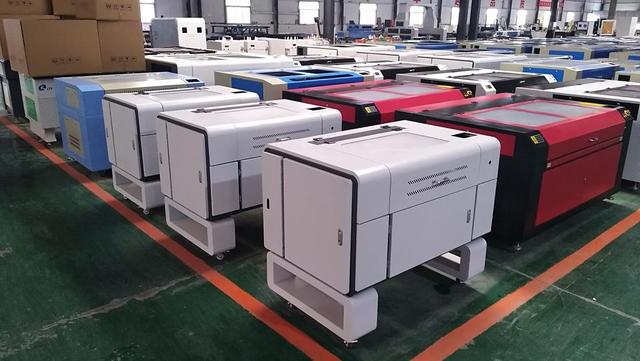
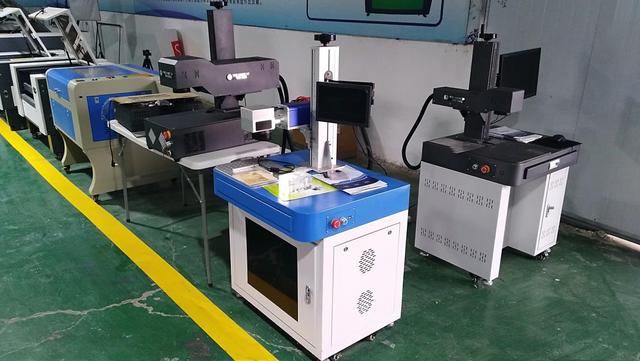
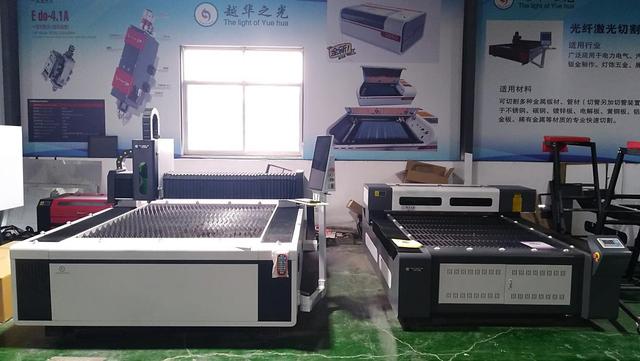
From entry-level desktop models to fully enclosed automated systems, select the exact configuration for your production needs.
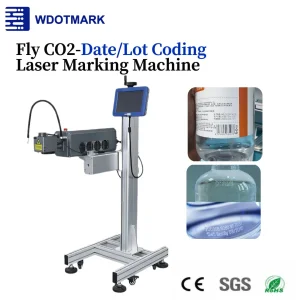
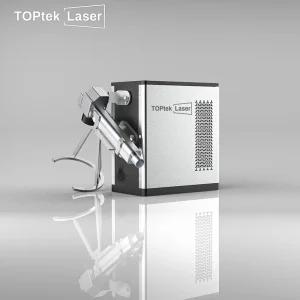
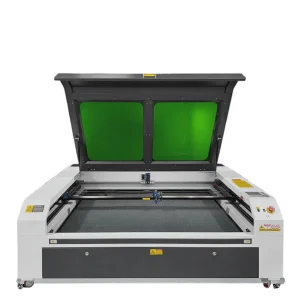
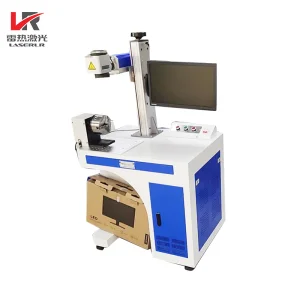
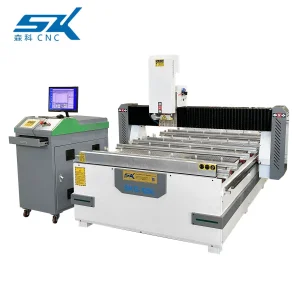
We understand that purchasing industrial equipment internationally requires reliable service, quick-ship parts, and robust technical support.
Leveraging our proximity to major international shipping lanes, we offer optimized door-to-door delivery. The sea freight transit time from Ningbo/Shanghai port directly to the Port of Los Angeles (LAX/Long Beach) is generally 15 to 22 days. We handle export clearance, provide full Harmonized Tariff Schedule (HTS) paperwork, and work with reliable customs brokers to deliver the equipment directly to your loading dock without unexpected fees.
Every laser system we ship to North America is configured for network remote diagnostics. If your engineering team encounters calibration or integration issues, our technical support engineers can log in remotely to diagnose issues, optimize parameters, and update software. We also offer on-site deployment, technical training, and setup support through our network of industrial partners across California.
Key information regarding machine performance, local shipping, integration protocols, and warranty support.
 Kinray Laser