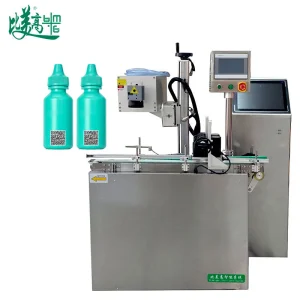
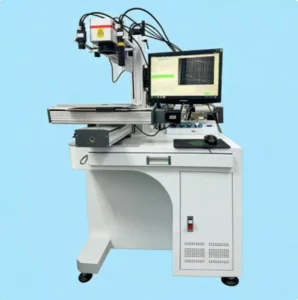
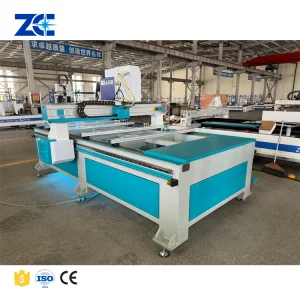
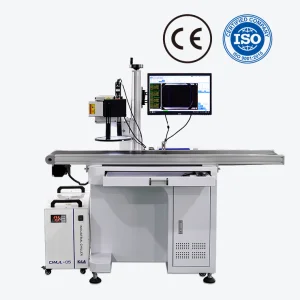
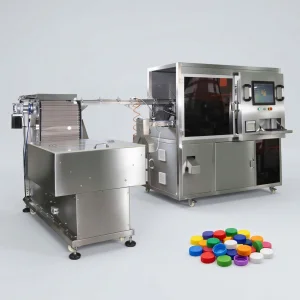
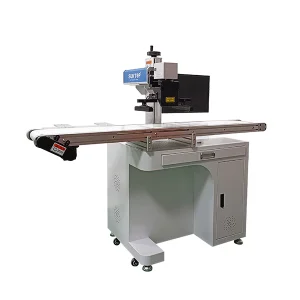
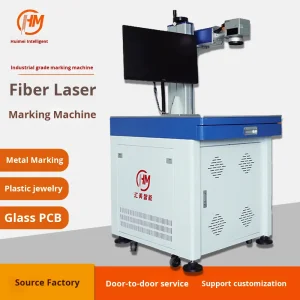
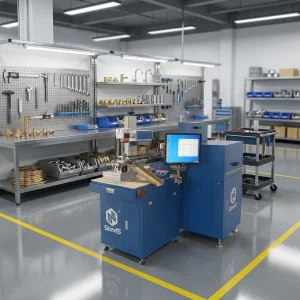
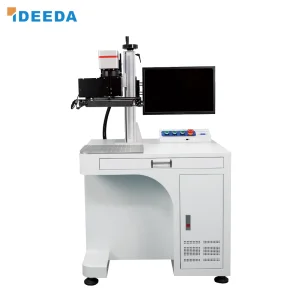
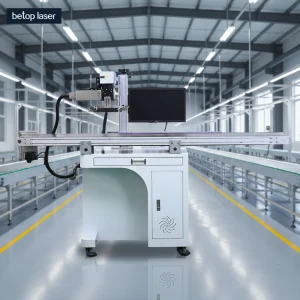
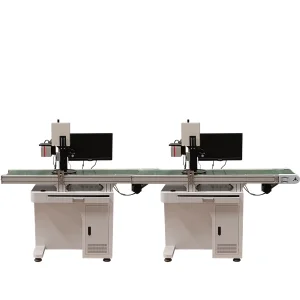
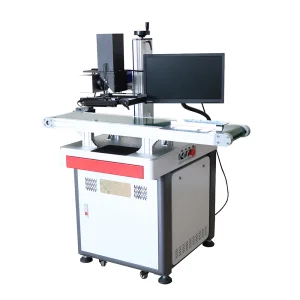
Optimized laser marking systems integrated with intelligent CCD positioning for Norwegian production standards.
Norway is globally recognized for its highly automated industries, stringent quality control systems, and commitment to environmental sustainability. With a strong presence in offshore maritime technology, subsea engineering, aerospace, aquaculture, and automotive parts manufacturing, Norwegian businesses operate in high-precision, low-tolerance manufacturing environments.
In these sectors, manual optical alignment is no longer viable due to high labor costs and the necessity for zero-defect operational pipelines. Vision-guided laser marking systems integrated with CCD cameras address this need by providing automatic alignment, real-time code validation, and high-contrast marking on challenging materials.
Unlike traditional marking machines that require fixtures to lock parts in place, CCD vision-guided lasers use optical algorithms to locate the part in milliseconds.
Decoupling wavelengths, positioning algorithms, and automation control for high-reliability Nordic operations.
Choosing the correct laser medium is critical for achieving clean ablation, high contrast, and structural integrity of the substrate. Hangzhou Kinray Laser Co., Ltd. customizes the laser source type based on the physical absorption coefficients of the material:
| Laser Wavelength Class | Typical Materials | Norway Industry Application | Marking Characteristics |
|---|---|---|---|
| Fiber Laser (1064 nm) | Stainless steel, carbon steel, titanium, brass, engineering plastics | Subsea equipment, maritime structural components, electric motor housings | High speed, deep metal engraving, thermal alteration of surface layers for black marking |
| UV Laser (355 nm) | Polymers, PET, glass, highly reflective metals, semiconductor wafers | Medical technology, circuit boards, food containers, sensory electronics | "Cold marking" photochemical ablation, zero micro-cracking, zero thermal stress zone |
| CO2 Laser (10,600 nm) | Wood, glass, acrylic, paper board, rubbers, organic composites | Nordic architectural glass, sustainable wooden construction, consumer goods packing | Thermal engraving, deep carbonization, fast vaporization of organic compounds |
The core intelligence of Kinray's Vision-Guided systems lies in the image recognition algorithms implemented in our CCD visual interfaces. Our system supports normalized correlation-based template matching, edge-based geometric matching, and blob analysis. When parts are fed onto the conveyor or tray, the camera captures an image, processes the grayscale gradient, compares it to the reference design, and projects the geometric transformation (Translation X, Y, and Rotation Angle θ) within 30 to 50 milliseconds. This allows the laser to perform accurate markings regardless of rotation or displacement.
For complex Norwegian manufacturing processes—such as molded marine components or aerospace turbine parts—we offer 3D Dynamic Focusing systems. By integrating a dynamic Z-axis focal shifter with the optical vision path, our systems map curved surfaces in real-time, adjusting the laser beam spot size dynamic correction dynamically. This ensures consistent spot energy distribution, resulting in uniform marking depth on cylinders, spheres, slopes, and irregular geometries.
Why leading global manufacturers choose Hangzhou Kinray Laser systems.
Equipped with high-resolution industrial CCD cameras, multi-angle LED coaxial lighting, and advanced image detection software. Auto-detects part presence and rotation.
Sourced from leading laser manufacturers. Fiber resonators operate up to 100,000+ hours under nominal loads. Housed in robust IP54-rated industrial cabinets.
Seamlessly integrates with Siemens, Beckhoff, and Allen-Bradley PLC architectures. Supports Modbus, Profinet, TCP/IP protocols for smart factory networks.
A leading global provider of industrial laser solutions and custom intelligent automated systems.
Hangzhou Kinray Laser Co., Ltd. is a leading China industrial laser marking machine manufacturer specializing in advanced fiber and UV laser solutions for global manufacturing industries. With a strong focus on innovation, precision, and intelligent manufacturing, Kinray Laser is committed to delivering high-performance laser equipment that improves production efficiency, product traceability, and marking quality.
Located in Hangzhou, China, the company integrates research and development, manufacturing, sales, and technical support to provide comprehensive laser processing solutions for customers worldwide. Our extensive product portfolio includes fiber laser marking machines, UV laser marking machines, CO2 laser marking systems, MOPA laser markers, flying laser marking machines, 3D laser marking equipment, and customized automated laser solutions.
Kinray Laser products are widely used in electronics, automotive, medical devices, precision hardware, jewelry, packaging, aerospace, consumer goods, and industrial manufacturing industries. Designed for high-speed, high-precision, and permanent marking applications, our systems are capable of processing a wide range of materials, including metals, plastics, ceramics, glass, and composite materials.
Equipped with advanced production facilities and rigorous quality management systems, Kinray Laser maintains strict quality control throughout every stage of manufacturing. Each machine undergoes comprehensive testing to ensure stable performance, reliability, and compliance with international standards.
To support global customers, we offer flexible OEM and ODM services for distributors, system integrators, equipment brands, and industrial manufacturers. Our experienced engineering team works closely with customers to develop customized laser solutions tailored to specific production requirements, automation needs, and industry applications.
Driven by technological innovation and customer satisfaction, Hangzhou Kinray Laser Co., Ltd. continues to expand its global presence and strives to become a trusted partner for intelligent laser processing solutions, helping manufacturers achieve smarter, more efficient, and sustainable production.
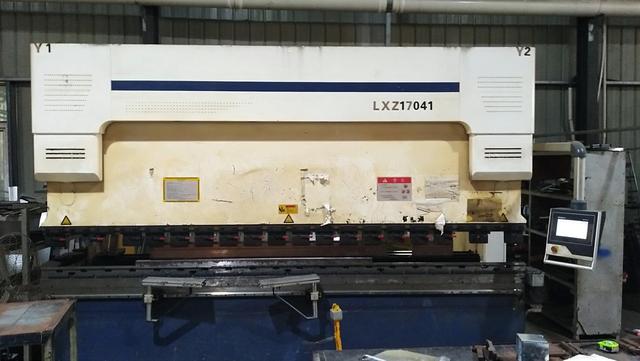
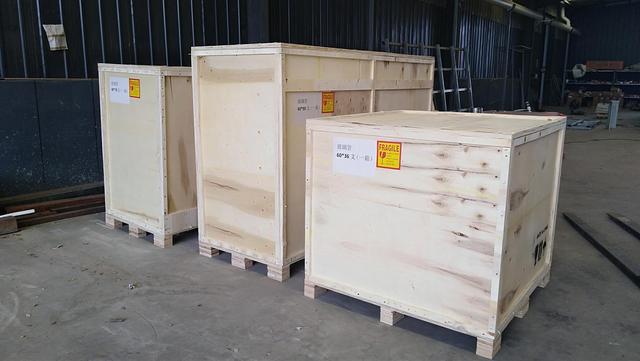
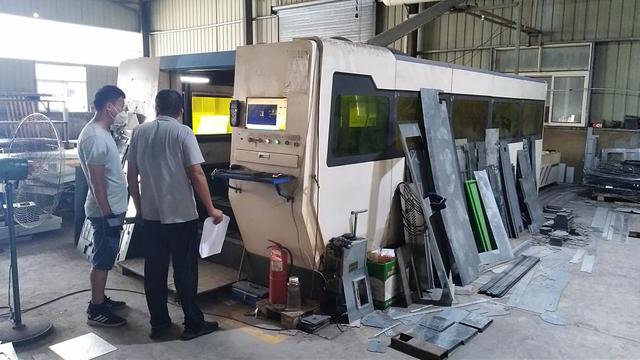
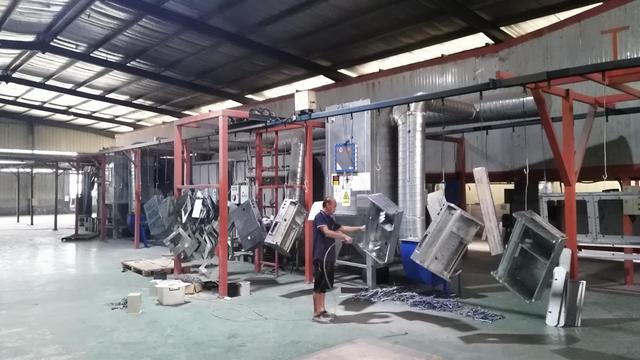
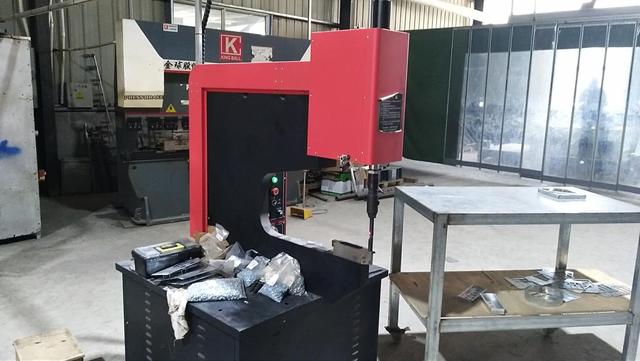
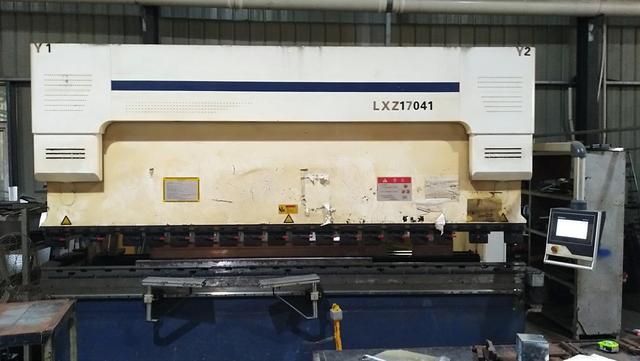
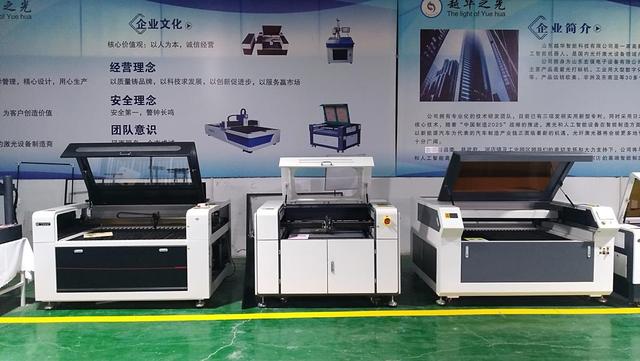
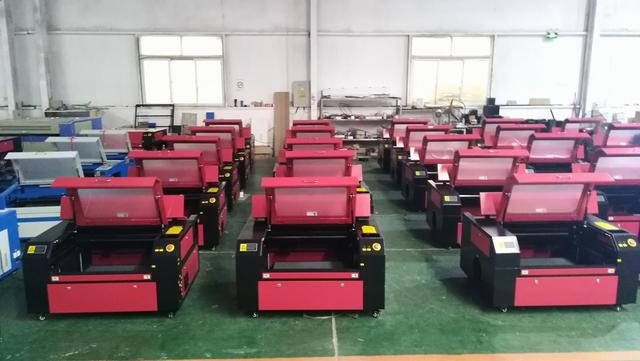
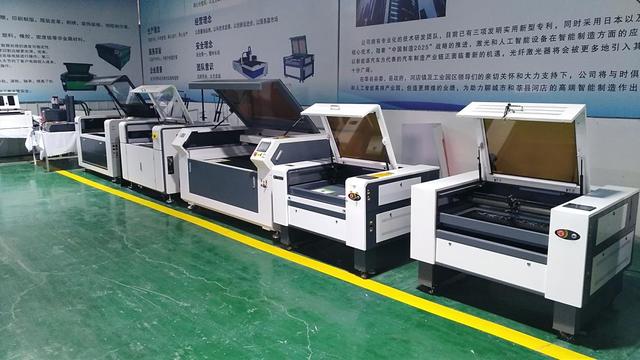
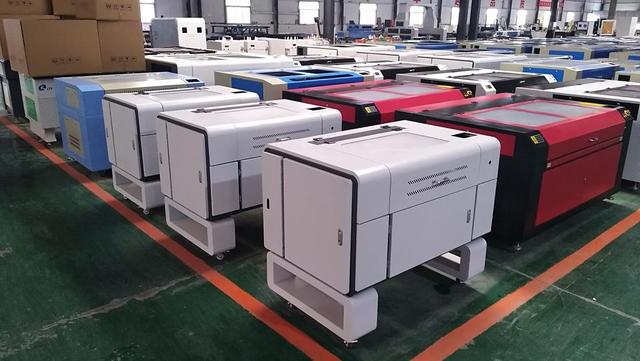
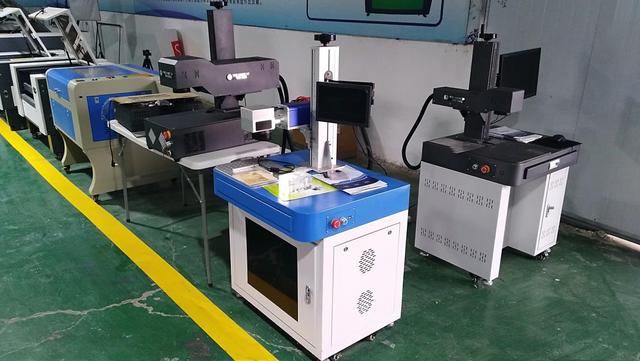
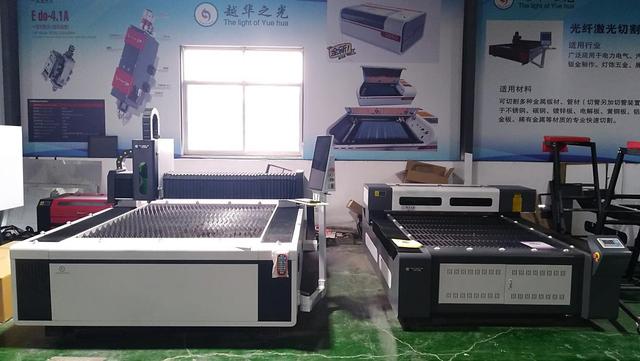
High-performance systems equipped with high-resolution camera tracking, serving major industrial hubs across Norway.
Expert technical answers regarding import, installation, and performance of vision-guided laser marking systems in Norway.
 Kinray Laser