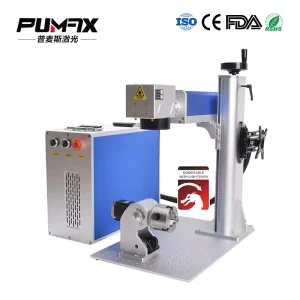
Explore our premium grade, CE certified industrial laser equipment engineered for absolute accuracy, high throughput, and long-term durability across diverse manufacturing lines.
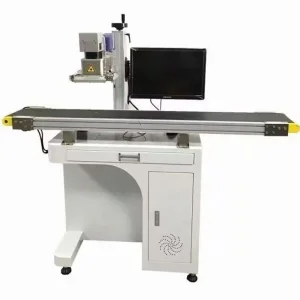
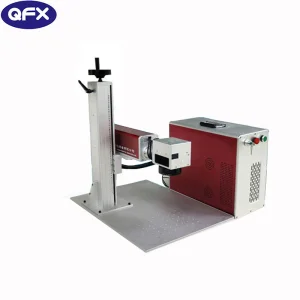
In the modern manufacturing era, high-precision micro-machining is no longer a luxury but an industry baseline. Industrial laser scribing stands at the vanguard of this evolution, presenting an alternative to mechanical sawing, chemical etching, and physical diamond scribing. As products shrink in size and grow in functional density—such as PV modules, semi-conductor wafers, automotive microchips, and medical stents—the demand for non-contact thermal micro-processing technologies has skyrocketed.
Laser scribing is the process of creating controlled micro-grooves, structural perforations, or stress lines on a material's surface using focused, coherent light energy. The primary objective is to facilitate high-yield wafer dicing, solar cell isolation, or marking without micro-cracking the underlying structural substrates.
"Precision micro-machining via laser irradiation offers a Heat Affected Zone (HAZ) of near-zero width, ensuring the structural integrity of thin-film elements is preserved under extreme manufacturing cycles."
By concentrating laser optical paths, global manufacturing industries achieve kerf widths down to sub-10 microns. This spatial containment of thermodynamic interactions translates directly into higher yield rates, reduced waste material, and an exceptional return on capital investments.
For global factories and distributors, a CE Certified system ensures compliance with directives on machinery safety (2006/42/EC), electromagnetic compatibility (EMC), and laser hazard classification (EN 60825-1).
Achieving line speeds up to 12,000 mm/s. Digital servo controls combined with optical encoder feedback systems guarantee precise repeatability for multi-pass scribing configurations.
Selecting the optimal wavelength, pulse duration, and power footprint is critical to achieving high efficiency on varying material structures.
Industrial laser scribing relies on custom-engineered optical pulses. Hangzhou Kinray Laser Co., Ltd. builds on two decades of manufacturing domain expertise, providing tailored platforms incorporating Fiber, UV (Ultraviolet), and CO2 laser configurations. Each technology targets specific absorption bands on organic, metallic, or composite substrates to minimize unwanted thermal distribution.
| Laser Source Type | Wavelength Range | Primary Industrial Substrates | Ideal Application Scenario | Key Performance Metrics |
|---|---|---|---|---|
| Fiber Laser (Standard/MOPA) | 1064 nm (Infrared) | Stainless Steel, Aluminum, Titanium, Brass, Engineered Ceramics | Deep scribing, metal marking, and structural ablation on high-hardness parts | High peak power, pulse width adjustment from 2ns to 500ns, long service life |
| UV Laser (Cold Laser processing) | 355 nm (Ultraviolet) | PCB/FPC Boards, Thin Plastics, Glass, Solar Wafers, Sapphire | Micro-scribing, ultra-thin slice separating, and non-thermal material marking | Minimal HAZ, sub-15µm spot diameter, zero thermo-mechanical deformation |
| CO2 Laser (Gas source) | 10.6 µm (Far-Infrared) | Acrylic, Wood, Leather, Paper, PET Films, Glass Panels | High-speed industrial packaging coding, organic material scribing/cutting | Excellent absorption curve on organic substrates, continuous wave options |
In high-volume solar cell processing (such as PERC and TOPCon cell architectures), UV and MOPA fiber lasers are the primary systems. The MOPA (Master Oscillator Power Amplifier) configuration allows for detailed adjustment of the pulse frequency and duration independently, making it possible to control the depth of each individual laser crater on silicon wafers down to nanometer resolution.
A rigorous review of safety directives ensures our machinery is ready for automated line integration in highly regulated markets.
CONFORMITE EUROPEENNE
When purchasing industrial equipment, global suppliers and factories must adhere to local occupational health regulations. Laser safety classification dictates how a machine is deployed. Class 4 laser installations require complete enclosure, safety interlocks, and dedicated exhaust management to protect operators from both direct laser radiation and secondary hazardous emissions.
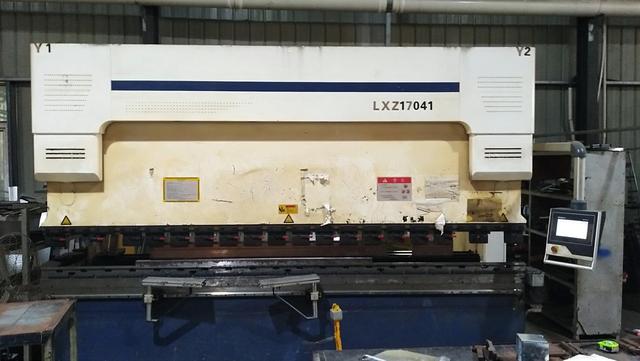
Hangzhou Kinray Laser Co., Ltd. is a leading China industrial laser marking machine manufacturer specializing in advanced fiber and UV laser solutions for global manufacturing industries. With a strong focus on innovation, precision, and intelligent manufacturing, Kinray Laser is committed to delivering high-performance laser equipment that improves production efficiency, product traceability, and marking quality.
Located in Hangzhou, China, the company integrates research and development, manufacturing, sales, and technical support to provide comprehensive laser processing solutions for customers worldwide. Our extensive product portfolio includes fiber laser marking machines, UV laser marking machines, CO2 laser marking systems, MOPA laser markers, flying laser marking machines, 3D laser marking equipment, and customized automated laser solutions.
Kinray Laser products are widely used in electronics, automotive, medical devices, precision hardware, jewelry, packaging, aerospace, consumer goods, and industrial manufacturing industries. Designed for high-speed, high-precision, and permanent marking applications, our systems are capable of processing a wide range of materials, including metals, plastics, ceramics, glass, and composite materials.
Equipped with advanced production facilities and rigorous quality management systems, Kinray Laser maintains strict quality control throughout every stage of manufacturing. Each machine undergoes comprehensive testing to ensure stable performance, reliability, and compliance with international standards.
To support global customers, we offer flexible OEM and ODM services for distributors, system integrators, equipment brands, and industrial manufacturers. Our experienced engineering team works closely with customers to develop customized laser solutions tailored to specific production requirements, automation needs, and industry applications.
Driven by technological innovation and customer satisfaction, Hangzhou Kinray Laser Co., Ltd. continues to expand its global presence and strives to become a trusted partner for intelligent laser processing solutions, helping manufacturers achieve smarter, more efficient, and sustainable production.
Transitioning from stand-alone machines to complete automated, smart factory marking ecosystems.
Smart camera modules track products in real-time on conveyors. The optical system auto-calibrates positioning angles, compensating for orientation shifts with a resolution of 0.01 mm.
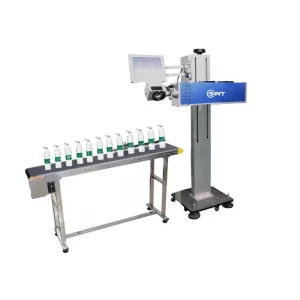
Ideal for pharmaceutical, beverage, and extrusion operations. Mark expiration dates, dynamic barcodes, and serialization codes directly on high-speed moving lines without stopping production.
Seamless database communication. Direct connection to central management servers allows for individual serialization data inputs, helping you meet medical and military track-and-trace requirements.
Critical operating insights compiled by our global engineering and quality inspection departments.
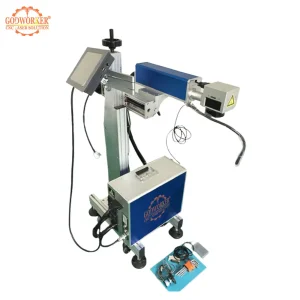
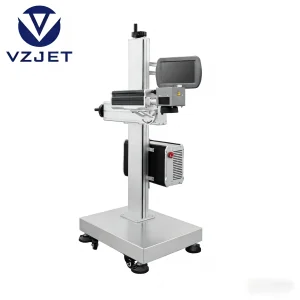
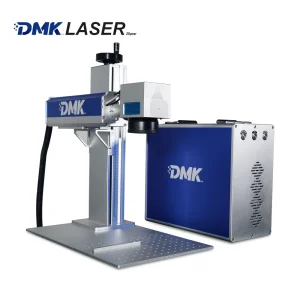
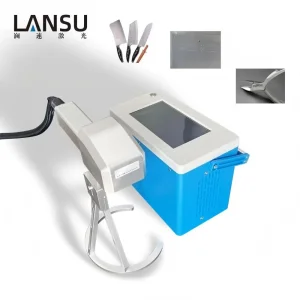
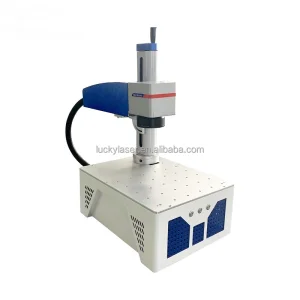
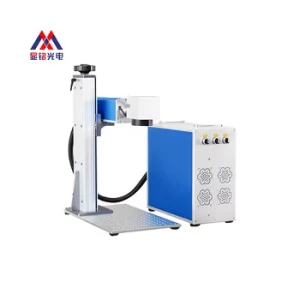
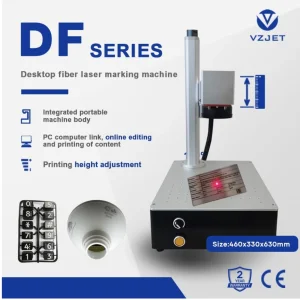
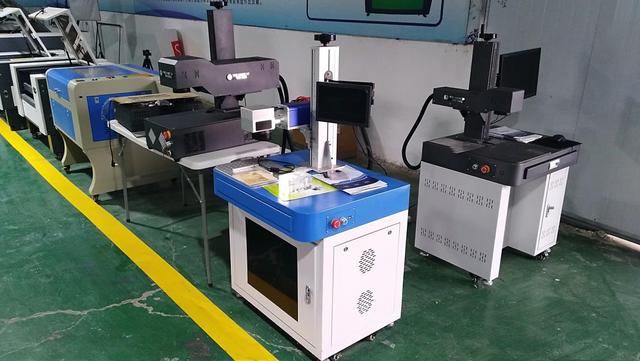
A selection of our high-durability desktop, flying, and custom-configured laser solutions for automated factories.
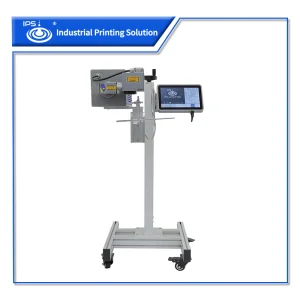
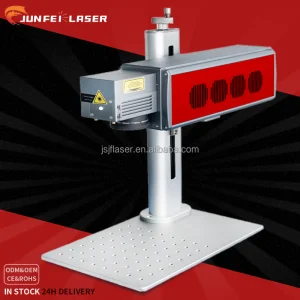
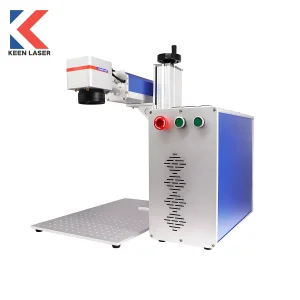
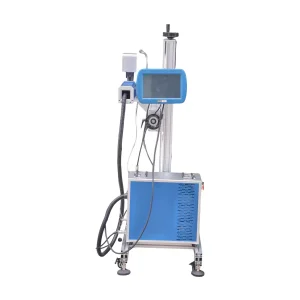
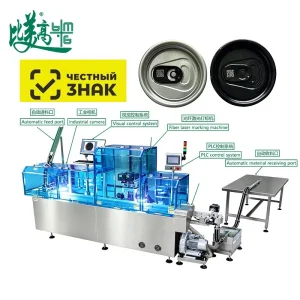
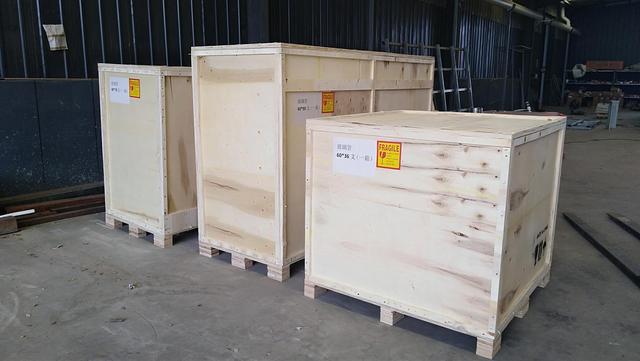
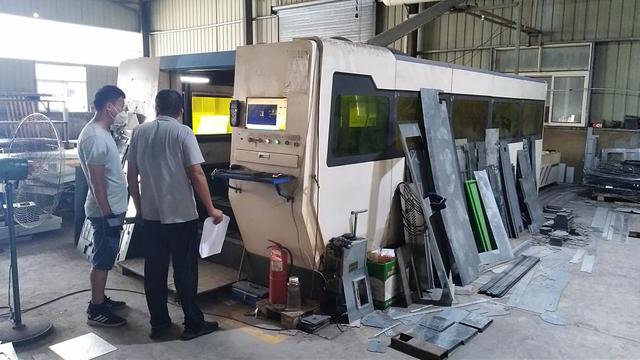
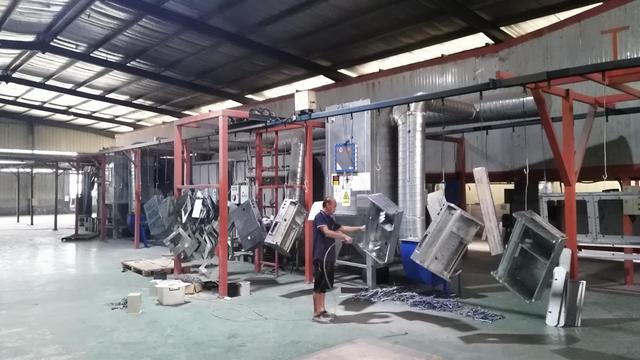
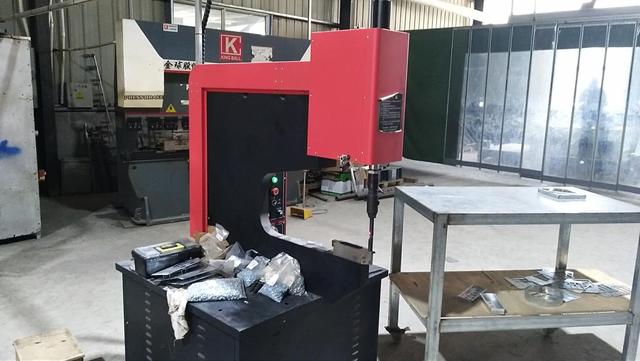
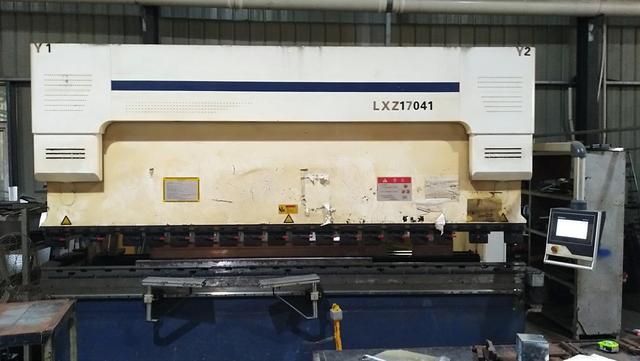
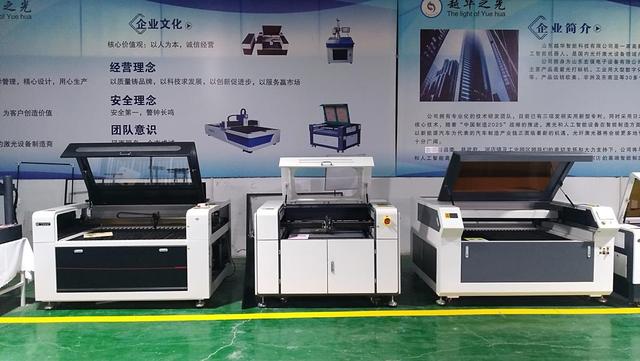
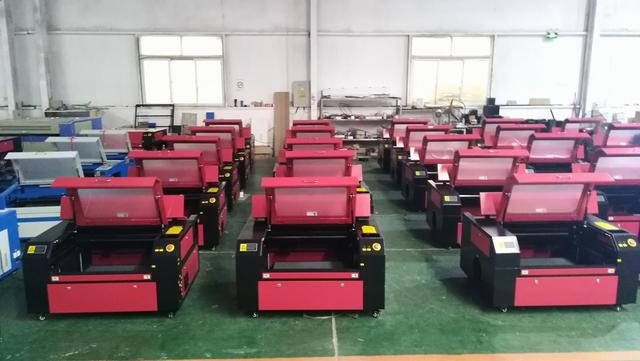
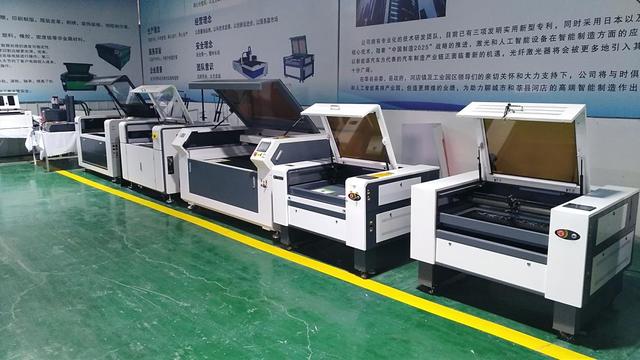
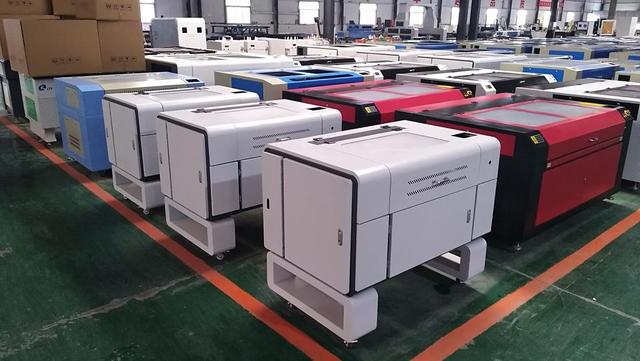
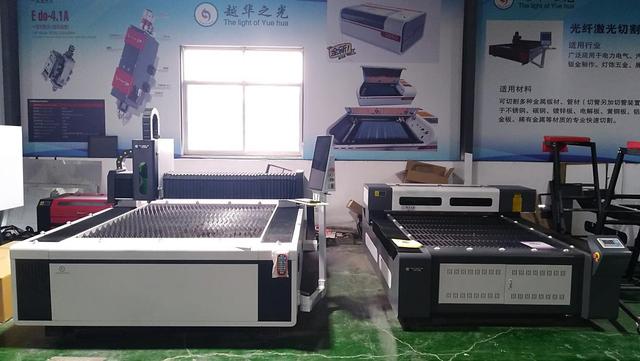
Take a virtual tour of Hangzhou Kinray Laser Co., Ltd.'s precision manufacturing workshops, engineering test stations, and component assembly lines.
 Kinray Laser