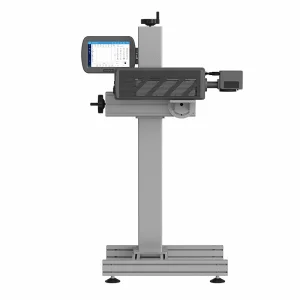
Engineered for high stability, micron-level precision, and long-term operating durability across diverse industrial substrates.

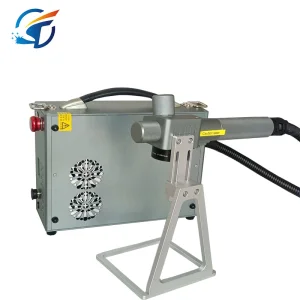
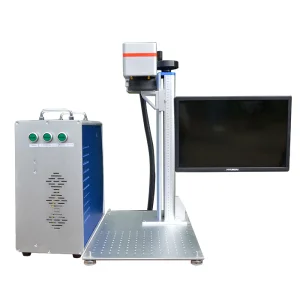
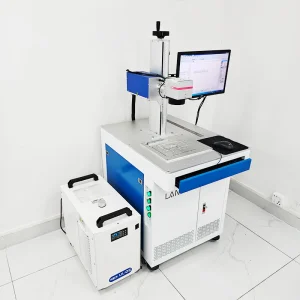
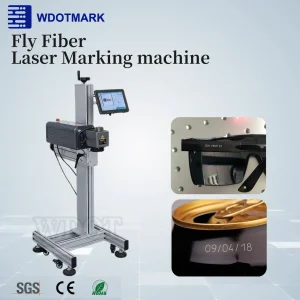
In high-throughput smart factories, laser marking systems are no longer standalone engraving tools; they are critical nodes for product lifecycle management, anti-counterfeiting tracking, and quality control. True Laser Performance Analysis evaluates parameters beyond nominal laser wattage. It encompasses beam quality ($M^2$), pulse duration modulation, peak power consistency, thermal stability, and scanning galvanometer linearity.
Understanding these critical metrics prevents micro-fracturing on sensitive materials, guarantees clean photolytic marking on medical grade polymers, and maximizes operational uptime on high-speed industrial bottling lines. Hangzhou Kinray Laser Co., Ltd. leads this initiative by supplying high-caliber laser systems engineered specifically to deliver optimal output profiles under sustained industrial operations.
A granular look into the optical attributes, wavelengths, and structural application suitability of the four primary laser engines deployed in modern assembly lines.
| Laser Type | Wavelength | Laser Source Lifetime | Thermal Footprint (HAZ) | Best Surface Match | Standard Optical Output (W) |
|---|---|---|---|---|---|
| Fiber Laser (Q-Switched) | 1064 nm | ~100,000 Hours | Moderate | Metals, Opaque Polymers | 20W, 30W, 50W, 100W |
| UV Laser (Diode Pumped) | 355 nm | ~20,000 Hours | Minimal (Negligible) | Glass, Polyimides, PET, PVC | 3W, 5W, 10W, 15W |
| CO2 Laser (RF Metal Tube) | 9.3μm / 10.6μm | ~40,000 Hours | High | Organic substrates, Paper, Wood | 30W, 40W, 60W, 100W |
| MOPA Fiber Laser | 1064 nm | ~100,000 Hours | Highly Controllable | Alloy, Anodized Alum, ABS | 20W, 30W, 60W, 120W |
Global procurement offices face a complex matrix when validating Chinese laser marking suppliers. The initial cost benefit is clear, but long-term profitability hinges on ensuring technical component quality, hardware compatibility, and consistent beam characteristics. Sourcing managers must look for vendors utilizing high-end galvanometer heads (e.g., Sino-Galvo or SCANLAB), stable laser sources (such as Raycus, JPT, or Maxphotonics), and robust controller systems (EZCAD-based software systems supporting automated scripts).
To reduce risk, international buyers should request verifiable documentation detailing laser stability over extended periods (24-hour continuous burn-in profiling), mechanical vibration analysis reports, and proof of electrical compliance (such as TÜV, CE, and FDA registration). Working with Hangzhou Kinray Laser Co., Ltd. bridges the gap between cost-efficiency and performance, offering comprehensive quality documentation, detailed parameter configuration, and dedicated English-speaking technical support engineers.
From high-speed bottling plants to sterile cleanroom medical operations, here is how we customize laser beam characteristics to meet specific industry standards.
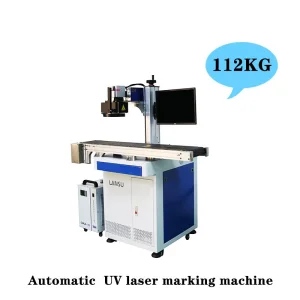
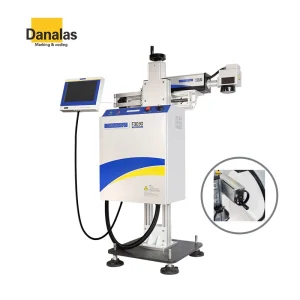
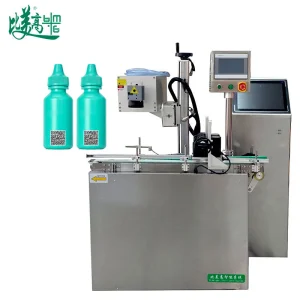
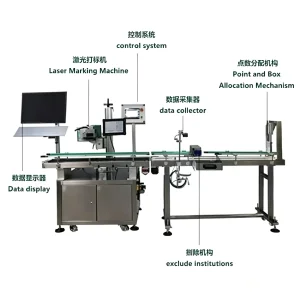
In high-speed production lines (e.g., bottling facilities processing milk powder cans or PET bottles), systems like the Flying UV Laser Printer or High-Speed CO2 Marking Machine are essential. They apply expiration dates, lot codes, and QR tracking codes on the fly at line speeds exceeding 250 meters per minute.
Required Feature: Integrated rotary encoders, photo-sensors for auto-triggering, and high-frequency RF CO2 or UV sources that prevent container compromise.
FDA requirements dictate that medical instruments feature a Unique Device Identifier (UDI) that remains legible through dozens of sterilization cycles. For surgical tools, standard fiber engraving is insufficient because it creates micro-fissures where bacteria can harbor and passivation layers degrade.
Required Feature: Picosecond UV lasers or MOPA lasers configured for shallow surface annealing, ensuring corrosion-resistant, high-contrast black marking on stainless steel without destroying the outer oxide film.
Automobile chassis parts, PCB housing, and high-frequency connectors require permanent, direct-part markings that withstand heat, friction, and fluid exposure. UV and high-powered Fiber systems are deployed for sub-micron precision barcodes, ensuring readability under microscopic scanners.
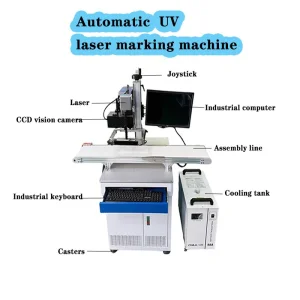
Required Feature: Integrated machine vision cameras for automated correction of component rotation, and automatic Z-axis focus adjusting sensors.
The next decade of laser marking technology will center on closed-loop control and smart vision integration. Instead of open-loop marking systems, next-generation platforms will feature coaxial optical sensors that monitor the beam's absorption rate in real time, automatically adjusting the output power to compensate for surface variation.
Furthermore, the integration of AI-enabled optical character verification (OCV) is accelerating. Systems will not only mark the code but also read and verify it in milliseconds, instantly flagging micro-defects or low-contrast marks. Kinray Laser is actively researching these developments, ensuring that our clients are prepared for tomorrow's manufacturing challenges.
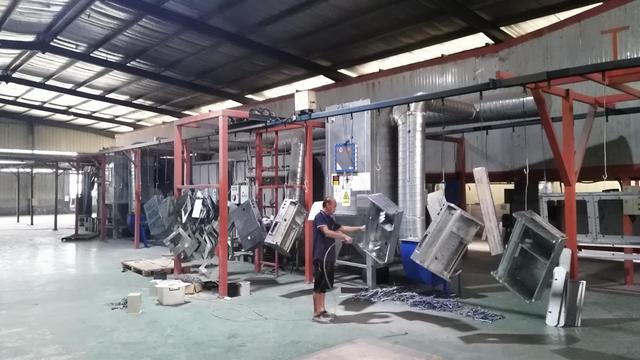
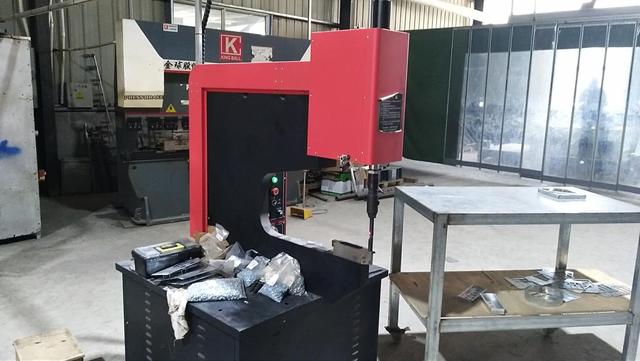
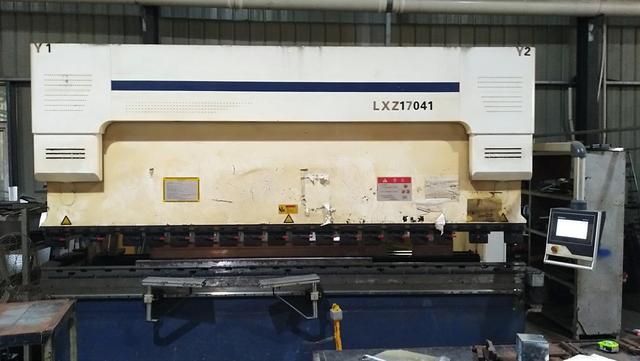
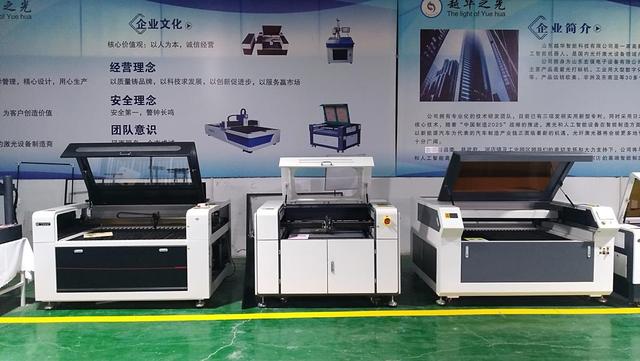
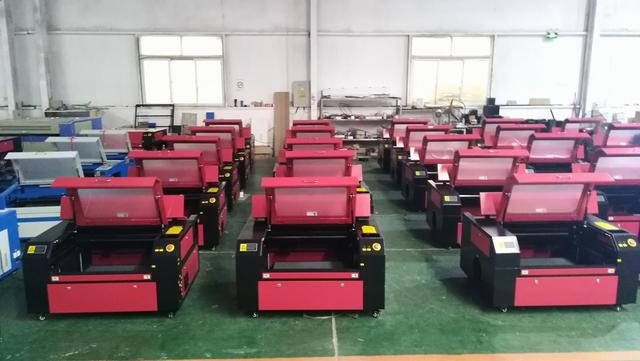
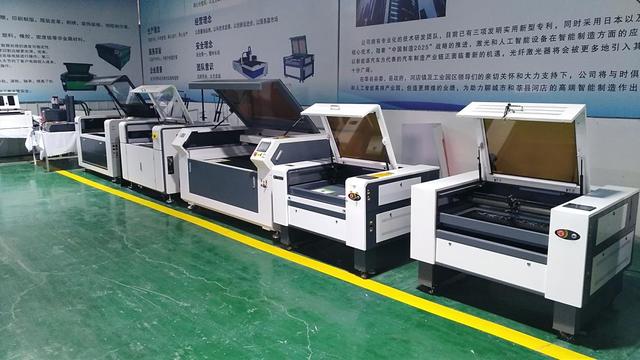
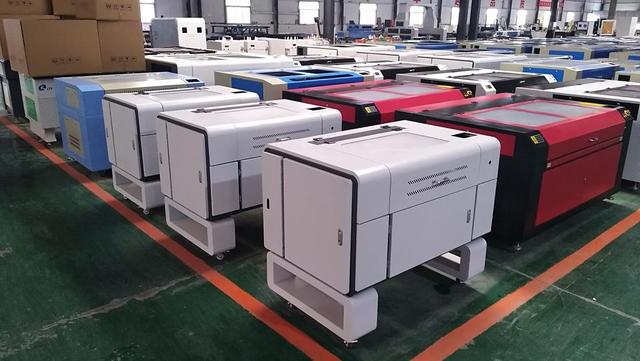
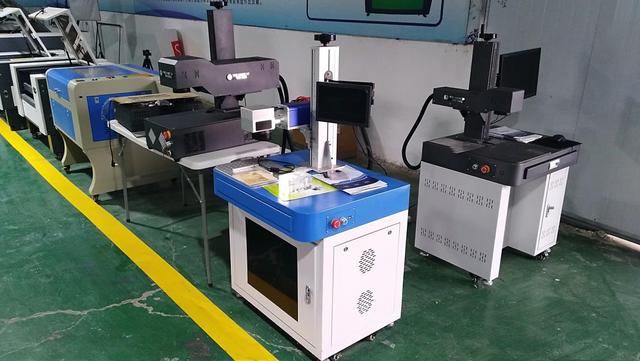
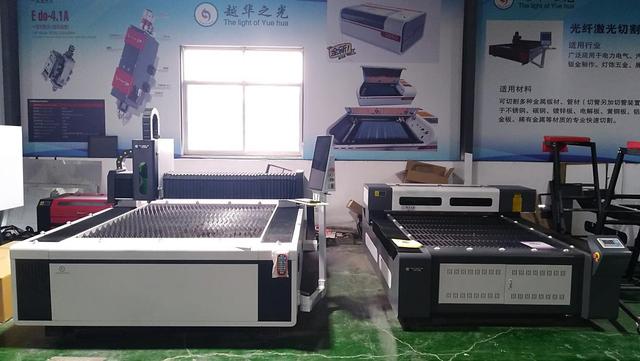
Take an inside look at our advanced manufacturing lines, rigorous R&D division, and specialized quality assurance areas in Hangzhou, China.
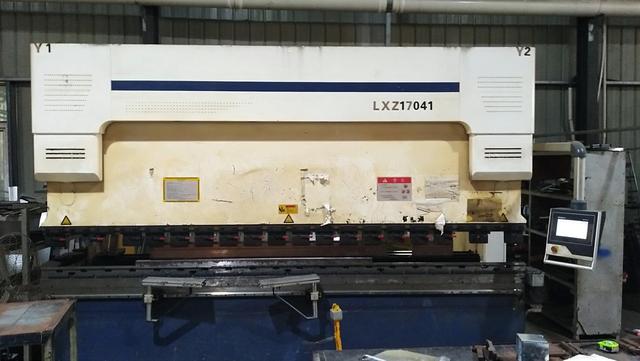
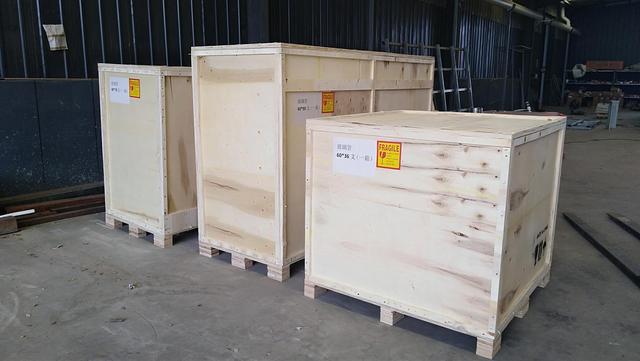
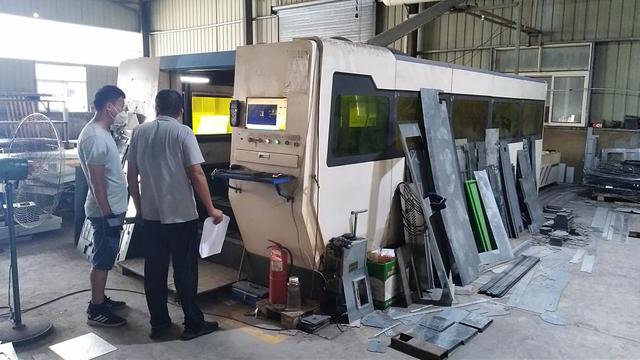
Industrial machinery must conform to safety regulations to clear customs and operate legally. Our entire product line is certified under CE (Europe), matches FDA CDRH standards (USA), and follows strict electrical shielding regulations under the RoHS directive. This compliance ensures that you can integrate our systems directly into high-safety environments.
To address the challenge of remote support, Kinray Laser maintains a dedicated English-speaking engineering team available for video diagnostics. Every system is shipped with a comprehensive system image recovery drive, setup manuals, and software profiles configured to match your pre-tested materials. Additionally, we work with distribution partners across Europe, North America, and Southeast Asia to offer localized repair services and replacement optics.
Clear answers to complex technical questions, helping engineers and procurement managers configure and select the right systems.
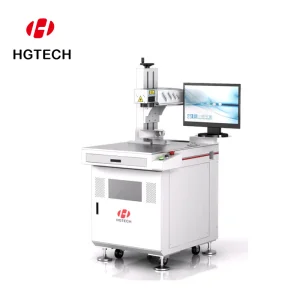
Review the technical options and configuration types available for global deployment.
 Kinray Laser