Explore our top-tier industrial systems engineered for high-performance laser marking, cutting, and engraving operations.
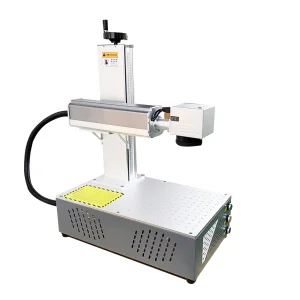

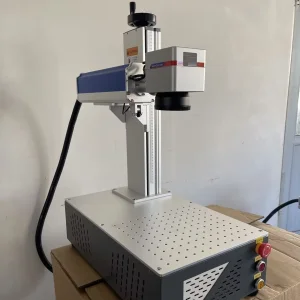
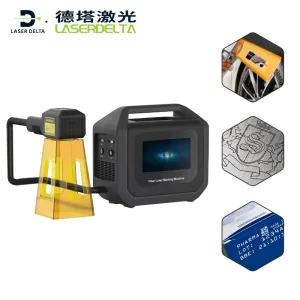
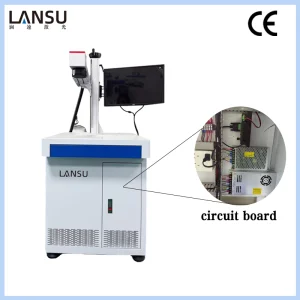
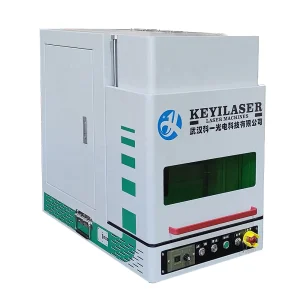
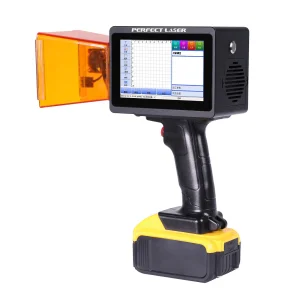
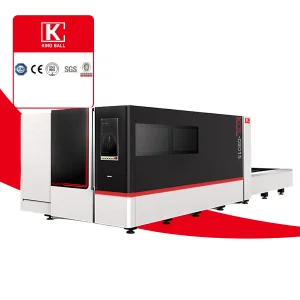
In modern manufacturing, laser marking, engraving, and cutting systems have transitioned from basic desktop machinery to highly complex, software-driven industrial project solutions. For global procurement officers, selecting a supplier is no longer just about procuring hardware; it is about establishing a long-term technical partnership that guarantees operational uptime, high yield rates, and direct integration into automation lines.
Hangzhou Kinray Laser Co., Ltd. is a premier industrial laser marking machine manufacturer and exporter based in Hangzhou, China. Specializing in advanced fiber, UV, CO2, MOPA, and ultra-fast picosecond laser technologies, Kinray Laser integrates comprehensive R&D, advanced manufacturing, strict quality control (QC), and localized technical support into one cohesive unit. We provide tailored laser solutions engineered for marking permanence, high speed, and micron-level precision across various substrates.
Understanding the technological shifts that define modern laser systems and how they impact industrial productivity.
Traditional lasers struggle with thermal stress on delicate electronic components. The industry is moving rapidly toward picosecond and ultra-short pulse fiber and UV systems that minimize the Heat-Affected Zone (HAZ), preventing micro-cracking and material deformation.
The integration of coaxial and off-axis camera-based visual inspection systems is standard. These systems locate part orientations, correct laser paths in real-time, execute the mark, verify marking quality, and reject out-of-spec products automatically.
Modern laser markers are connected to MES (Manufacturing Execution Systems) and ERP databases. They dynamically fetch serial numbers, batch IDs, and product configurations, then upload marking logs to ensure traceability across the supply chain.
For procurement specialists and manufacturing engineers aiming to minimize risks when sourcing industrial laser machines from China.
How Hangzhou Kinray Laser designs bespoke laser configurations to resolve specific production bottlenecks.
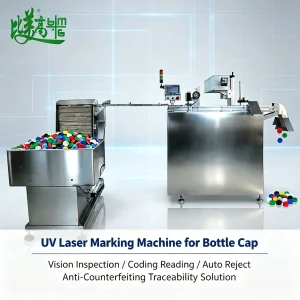
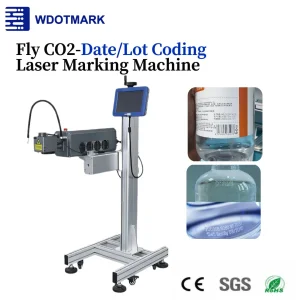
Kinray’s Fly CO2 and UV laser markers integrate with automated bottle feeding systems. This allows high-resolution batch numbers, expiry dates, and anti-counterfeit QR codes to be marked on moving targets (up to 300 meters per minute).
In the medical industry, laser marks must withstand repeated sterilization cycles without corroding. Kinray MOPA laser technology produces dark oxide marks on stainless steel scalpels and orthopedic implants without penetrating the protective passivation layer.
Heavy-duty automotive casting components, motor housings, and chassis structural pieces require deep fiber laser engraving. These marks remain legible under coats of rust preventative or paint, ensuring lifetime traceability of vehicle parts.
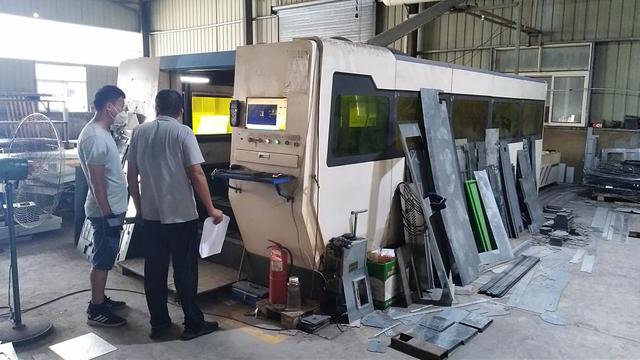
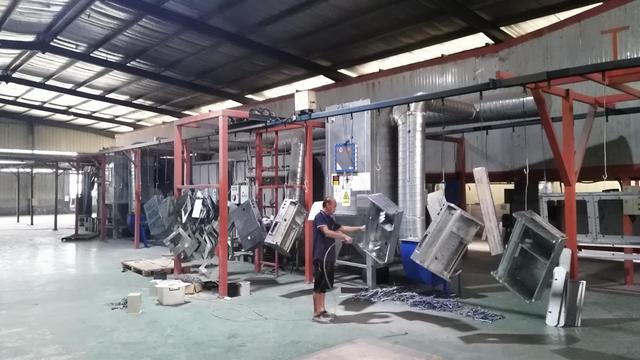
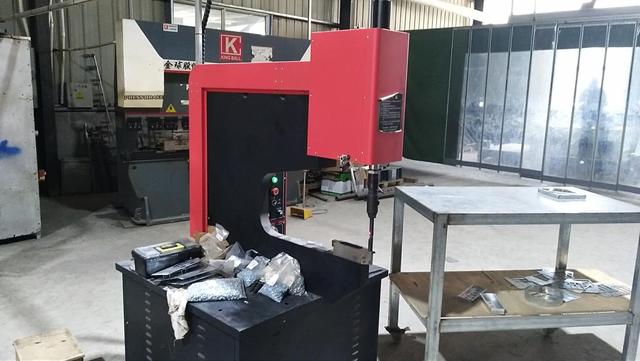
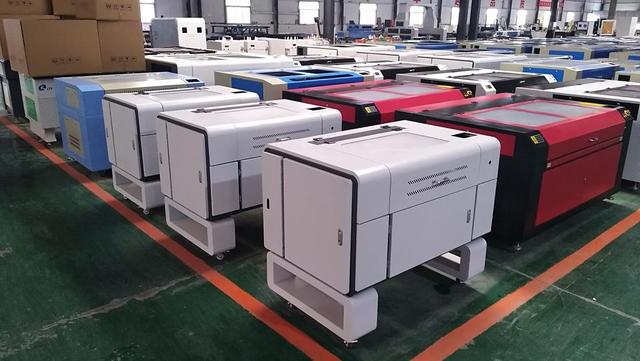
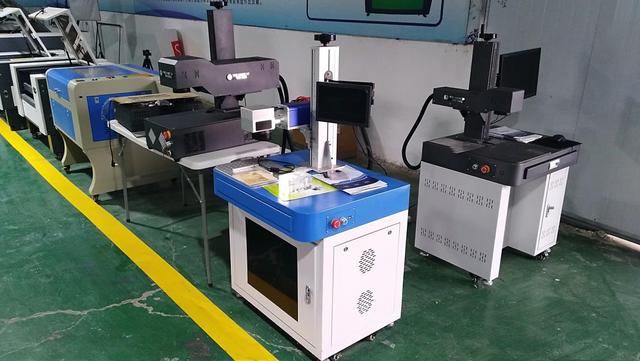
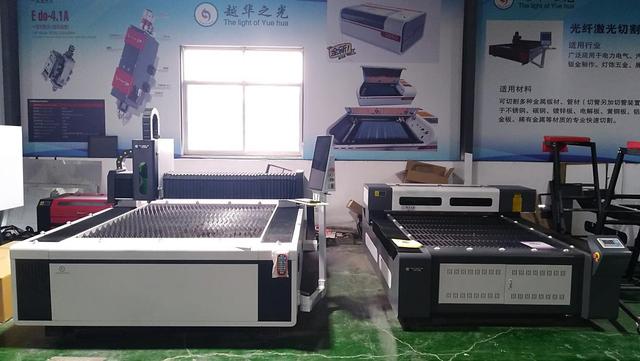
A look inside Hangzhou Kinray Laser Co., Ltd.'s modern manufacturing plant and quality control processes.
To ensure stable long-term performance under demanding industrial environments, every laser machine undergoes 24 to 72 hours of continuous load testing, optoelectronic calibration, laser power stability verification, and structural integrity checks.
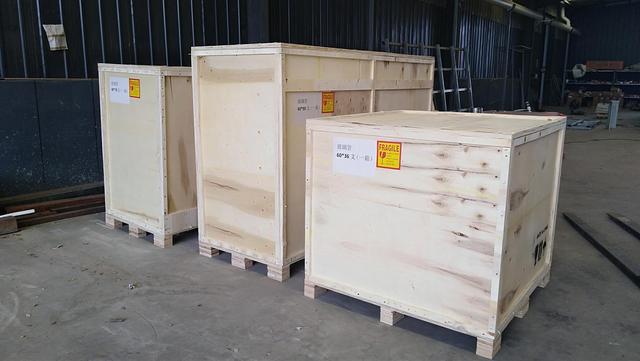
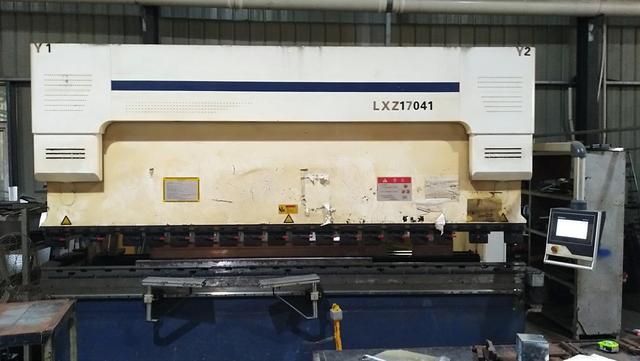
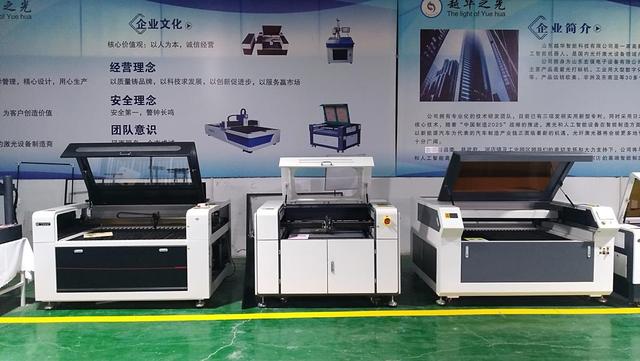
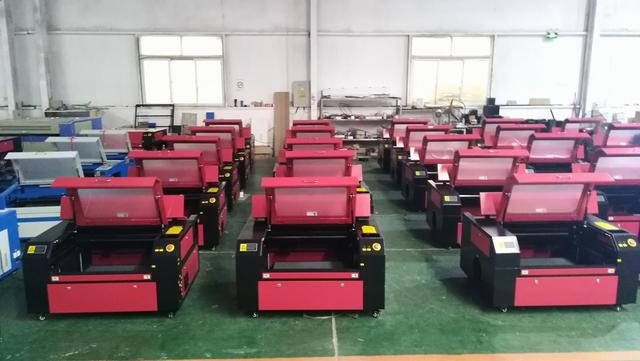
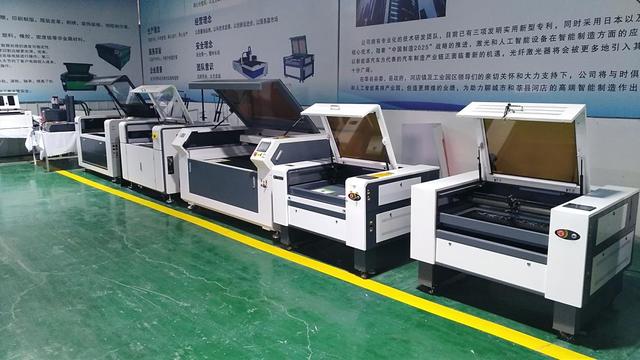
When exporting heavy machinery from China, dealing with customs compliance, regional certifications, and installation support can be challenging. Hangzhou Kinray Laser Co., Ltd. resolves these challenges by offering comprehensive support from pre-sales engineering validation to final delivery:
We work closely with machinery builders, system integrators, and plant engineers. Our engineering design process uses SolidWorks models and mechanical drawings. This guarantees that your laser marking, cutting, or custom automation system integrates smoothly with your existing layout.
An engineering-focused overview of the next generation of industrial laser processing platforms.
Integrating artificial intelligence with galvo scanner control software will allow real-time drift correction, automatic focus adjustment based on optical distance measurements, and predictive diagnostic alerts before laser source degradation occurs.
Development focuses on green laser modules (532nm) and deeper UV options that require less energy to mark plastic, silicon, and glass substrates. This significantly lowers operating carbon footprints for industrial manufacturers.
Shorter pulse widths reduce micro-cracking and HAZ. Transitioning to femtosecond systems will make precise cold marking possible on delicate electronics and high-purity medical implants.
Detailed technical answers to help you select, deploy, and maintain industrial laser solutions.
The main difference is the laser wavelength. Fiber lasers operate at 1064nm, which is ideal for engraving metals and select hard plastics. UV lasers operate at 355nm, offering a shorter wavelength that creates high-resolution photo-chemical marks on plastics, glass, and delicate electronic components with minimal thermal stress. CO2 lasers run at 10.6µm, making them the industry standard for organic materials like wood, paper, acrylic, leather, and cardboard.
MOPA (Master Oscillator Power Amplifier) lasers allow you to adjust pulse width, frequency, and waveform settings. Traditional Q-switched lasers have fixed pulse widths. By adjusting the pulse width, MOPA lasers can mark anodized aluminum with high-contrast black codes and produce clean color engravings on stainless steel without damaging the surrounding material.
Our systems use high-speed optical vision sensors paired with advanced software algorithms. The camera captures images of parts moving on the conveyor belt, detects their orientation and speed, and adjusts the laser path instantly. This setup supports high-speed, dynamic marking (flying marking) without needing precise mechanical positioning.
A high-quality fiber laser source has a rated diode life of roughly 100,000 hours, which translates to over 10 years of reliable 24/7 industrial use. Because the system is solid-state, it requires very little maintenance. Basic upkeep involves keeping the protective window clean, ensuring the ventilation filters are clear, and ensuring the chiller unit runs correctly.
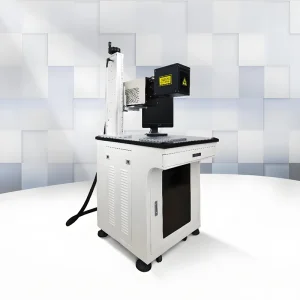
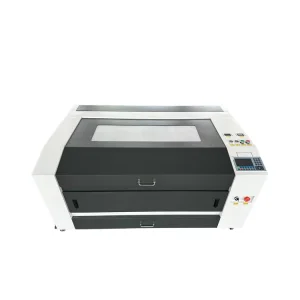
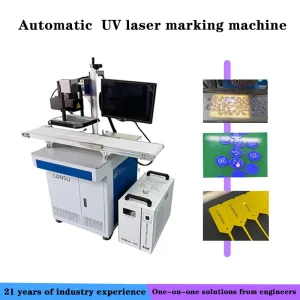
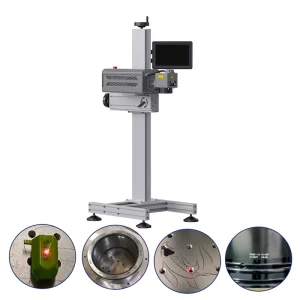
Browse our high-speed UV, CO2, and automated systems designed to optimize production throughput and line integration.
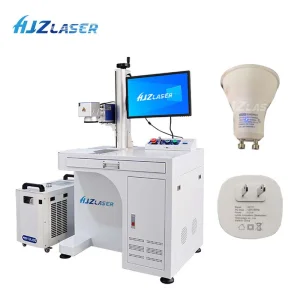

 Kinray Laser