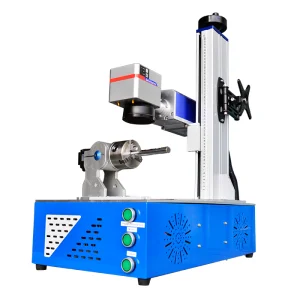
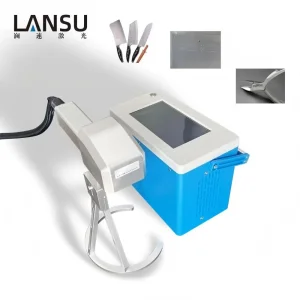
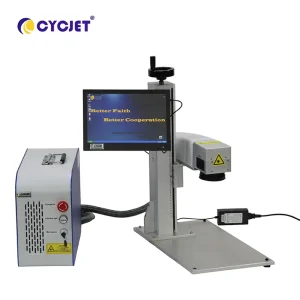
Explore our high-performance, industry-ready industrial laser systems engineered for inline and standalone automation tasks.
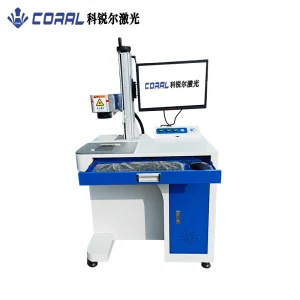
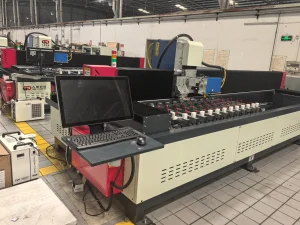
How Modern Smart Manufacturing Intent Drives the Need for Configurable Optical Cores, Ultra-Low Thermal Deformation, and Seamless CNC Integration.
In the landscape of modern high-speed manufacturing, procurement professionals and design engineers do not just search for off-the-shelf machinery. They seek customizable platforms. A Custom OEM CNC Laser Cutting System Exporter must address the specific technological parameters required by downstream industries. From the surgical accuracy needed in medical device marking to the robust throughput required by automated automotive parts production lines, "customization" means aligning optical output with localized materials, cycle times, and structural footprints.
In terms of semantic search intent, the phrase *OEM CNC Laser System* represents a bridge between raw optical power (like Fiber or CO2 laser sources) and intelligent software controls (G-Code interpreter, CAD/DXF integration, and PLCs). Buyers today are searching for systems that offer seamless protocol handshakes (such as EtherCAT or Profinet) and robust mechanical systems capable of running 24/7 without thermal degradation. In a marketplace filled with general exporters, the competitive edge goes to manufacturers that engineer localized optical configurations tailored to specific absorption rates of raw materials.
True OEM custom capability lies in matching the exact wavelength (1064nm for fiber, 355nm for ultraviolet, 10.6μm for CO2) with the specific mechanical frame, motion controllers, and localized software environments of the user. This ensures maximum efficiency and eliminates costly post-processing steps.
Furthermore, global buyers are intensely focused on the physical durability of components. When sourcing from China exporters, professional procurement engineers prioritize structural reliability: mechanical parts must utilize stress-relieved steel gantries, high-precision linear guide rails, and state-of-the-art galvanometer scanners. These components determine whether a CNC system can sustain sub-micron tolerances over millions of repetitions.
Why the Industrial Cluster in Hangzhou, China, Represents the Ultimate Convergence of Optical Innovation, Engineering Scale, and Cost Efficiency.
From local silicon rod refining and crystal doping to optical fiber drawing, high-reflectivity mirror coating, and custom metal chassis fabrication, China's industrial ecosystems keep entire supply chains localized. This eliminates import bottlenecks and ensures continuous parts availability.
Chinese CNC factories can prototype customized mechanical brackets, enclosures, and specialized galvanometer lenses in days rather than months. Rapid machining ecosystems allow us to design, assemble, debug, and ship tailored OEM hardware systems with unrivaled speed-to-market.
Proximity to top-tier technological universities in regions like Hangzhou feeds a continuous stream of advanced optical engineers and software developers into the private sector. This talent pool drives innovation in ultra-short pulse MOPA systems, hybrid UV/CO2 platforms, and deep-learning machine vision integration.
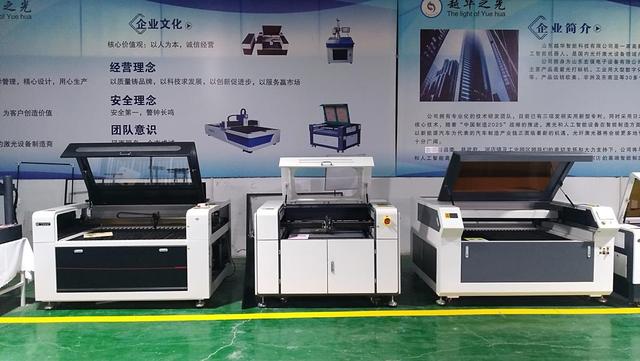
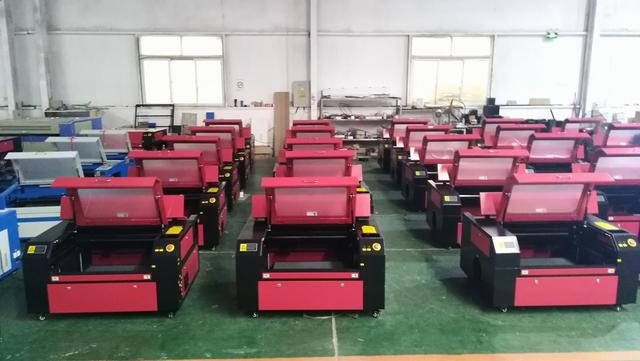
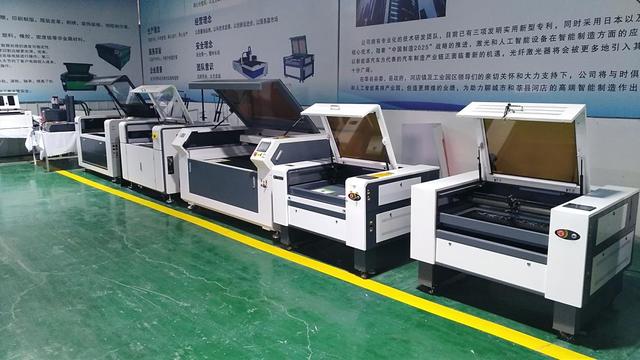
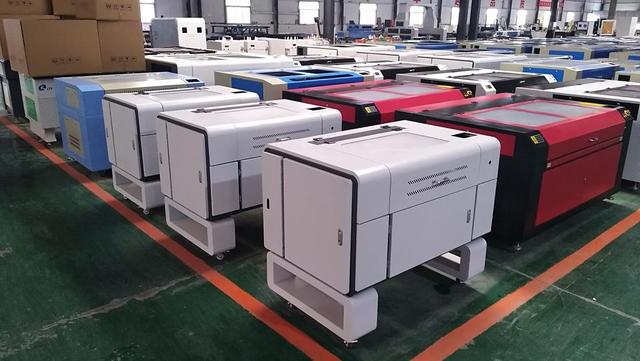
Hangzhou Kinray Laser Co., Ltd. is a leading China industrial laser marking machine manufacturer specializing in advanced fiber and UV laser solutions for global manufacturing industries. With a strong focus on innovation, precision, and intelligent manufacturing, Kinray Laser is committed to delivering high-performance laser equipment that improves production efficiency, product traceability, and marking quality.
Located in Hangzhou, China, the company integrates research and development, manufacturing, sales, and technical support to provide comprehensive laser processing solutions for customers worldwide. Our extensive product portfolio includes fiber laser marking machines, UV laser marking machines, CO2 laser marking systems, MOPA laser markers, flying laser marking machines, 3D laser marking equipment, and customized automated laser solutions.
Kinray Laser products are widely used in electronics, automotive, medical devices, precision hardware, jewelry, packaging, aerospace, consumer goods, and industrial manufacturing industries. Designed for high-speed, high-precision, and permanent marking applications, our systems are capable of processing a wide range of materials, including metals, plastics, ceramics, glass, and composite materials.
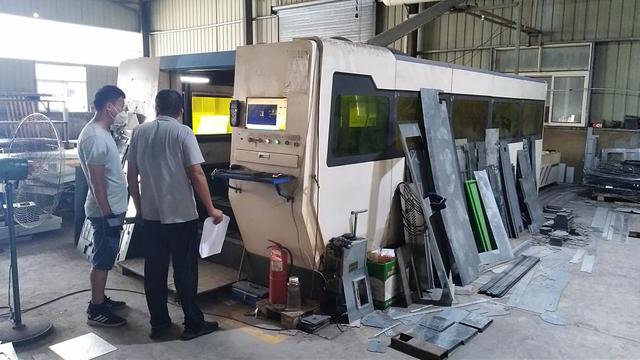
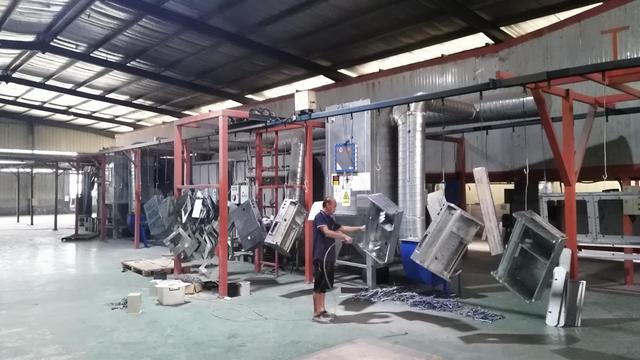
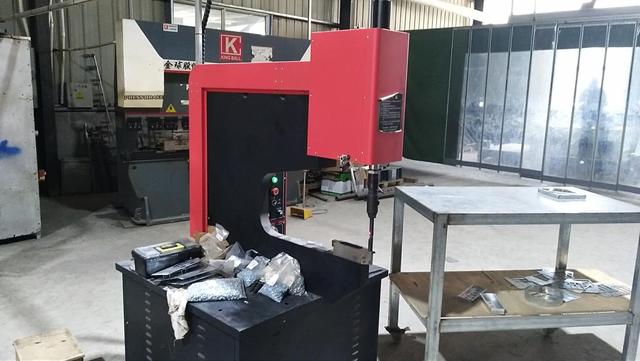
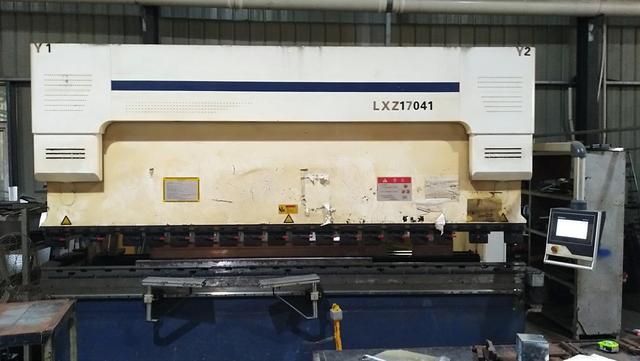
Equipped with advanced production facilities and rigorous quality management systems, Kinray Laser maintains strict quality control throughout every stage of manufacturing. Each machine undergoes comprehensive testing to ensure stable performance, reliability, and compliance with international standards. To support global customers, we offer flexible OEM and ODM services for distributors, system integrators, equipment brands, and industrial manufacturers.
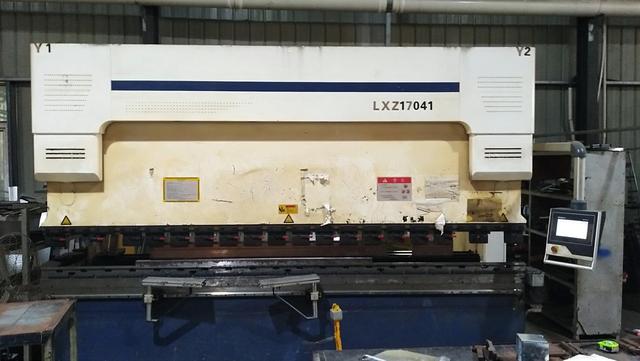
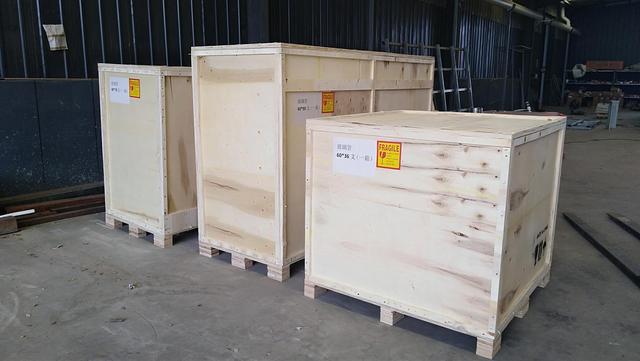
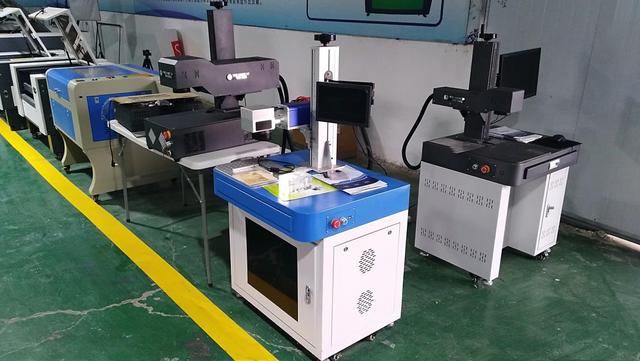
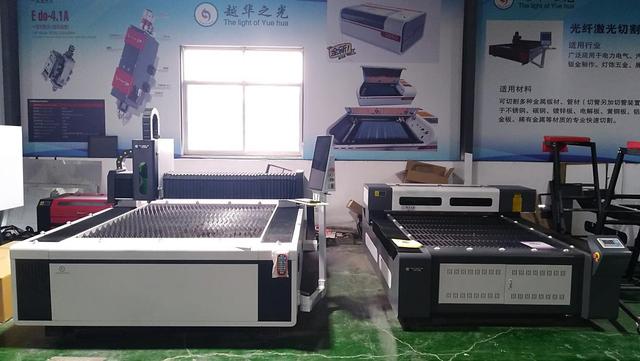
Enabling seamless integration into regulated markets with localized engineering, immediate spare parts response, and full international certification.
Every system shipped is built to exceed strict regulatory requirements. We certify our hardware for CE (Conformité Européenne), FDA (Access numbers for laser emitting devices), ISO9001 quality systems, and RoHS hazardous materials directives, assuring flawless customs clearance and labor protection audit compliance.
We configure software interfaces and technical manuals in your native language (English, Spanish, German, French, Portuguese, Russian, and Japanese). Our control dashboards utilize standard industry protocols, removing training barriers for operators and system configuration managers.
Through global distributorship agreements and engineering hubs, we deliver swift localized commissioning, preventative maintenance, and direct replacement parts. From replacement protective lenses to quick optical source swaps, our supply chain ensures minimal operational downtime.
Establishing authority through measurable manufacturing output and extensive global integration footprints.
Bridging the gap between machinery specs and real plant floor integration. How our custom configurations solve daily manufacturing challenges.
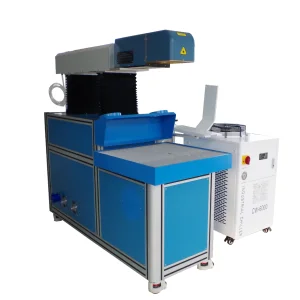
Engine components, transmission gears, and safety brackets require high-contrast, deep-etched serial codes capable of surviving thermal annealing and chemical washes. Our 3D MOPA dynamic laser systems mark directly on curved steel surfaces without structural micro-cracking.
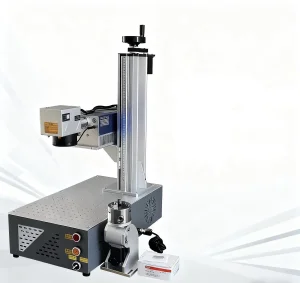
Using 355nm UV laser markers, medical device companies execute "cold marking" processes on PEEK, PE, and titanium alloys. Because this wavelength uses photochemical degradation rather than thermal burning, the plastic structure remains sterile and free of burrs or heat-affected zones.
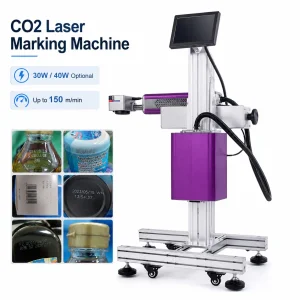
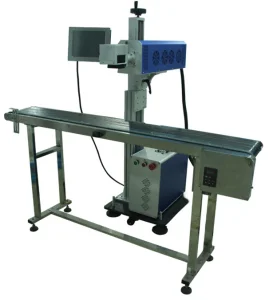
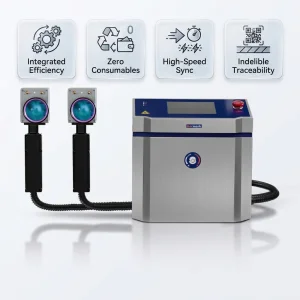
In bottling and carton lines, downtime costs thousands of dollars per hour. Our flying CO2 and fiber laser marking machines interface with packaging conveyors to generate dynamic QR codes, expiry dates, and batch numbers on the fly, eliminating the need for consumable ink cartridges.
Stay ahead of the technology curve with the engineering architectures shaping the next generation of smart manufacturing lines.
The global CNC laser cutting and marking industry is undergoing rapid changes, driven by IoT integration, real-time diagnostic systems, and vision-assisted alignment. Systems are evolving from passive tools to active, self-optimizing nodes in manufacturing lines. By integrating AI-driven optical sensors and closed-loop visual feedback systems, machines can detect part variations, adjust focal lengths, and verify engraving readability instantly.
Environmental sustainability is also pushing the market toward fiber and UV wavelengths. Traditional CO2 laser tubes are increasingly replaced by ultra-efficient diode-pumped systems that consume a fraction of the electricity and require virtually no gas consumables. For global enterprises focusing on carbon footprint reduction, switching to modern solid-state laser engines is a practical way to meet ESG goals.
Modern CNC systems feature built-in network interfaces. This allows engineers to monitor laser performance, monitor diode degradation, and update Galvo profiles remotely from any terminal on the plant network.
Additionally, modular CNC system frames are becoming the standard. OEMs want mechanical systems that can scale from manual loader setups to fully automated robotic arm configurations with minimal mechanical rework. Our modular design strategy ensures your investment remains viable as your production volume grows.
Clear, direct technical answers for procurement directors, product designers, and plant automation engineers.
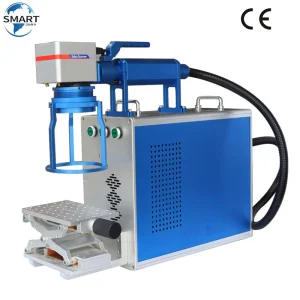
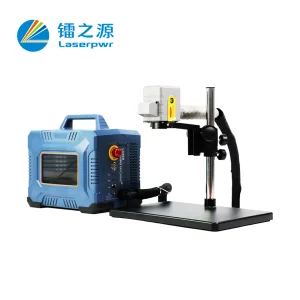
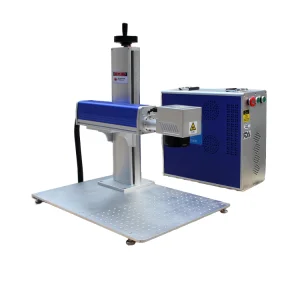
Explore our compact, portable, and multi-axis engraving machines designed for versatile and precise manufacturing environments.

 Kinray Laser