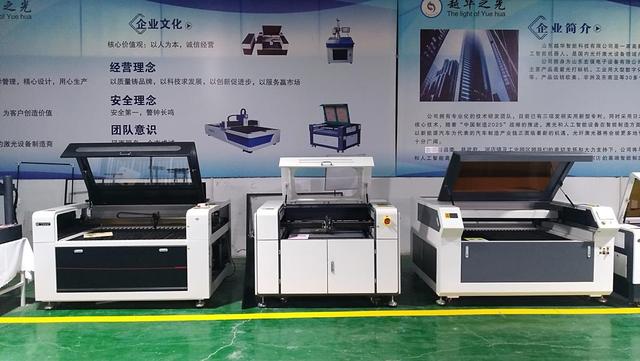
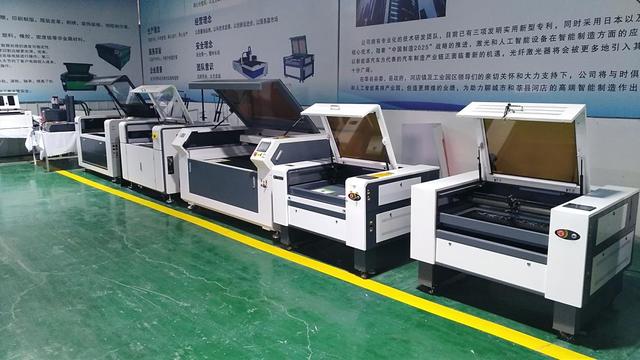
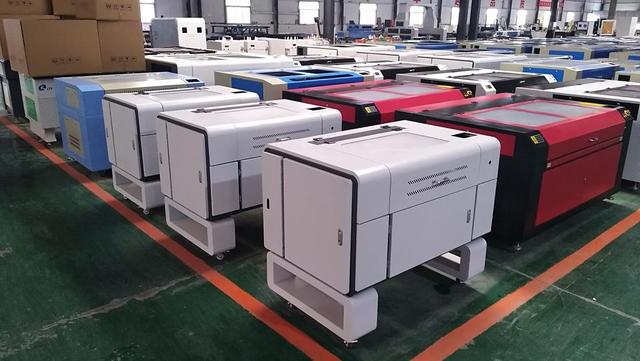
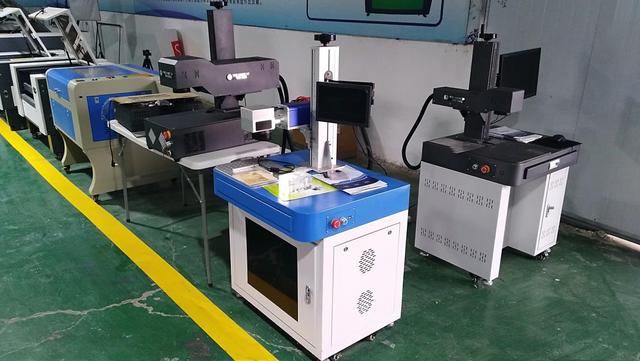
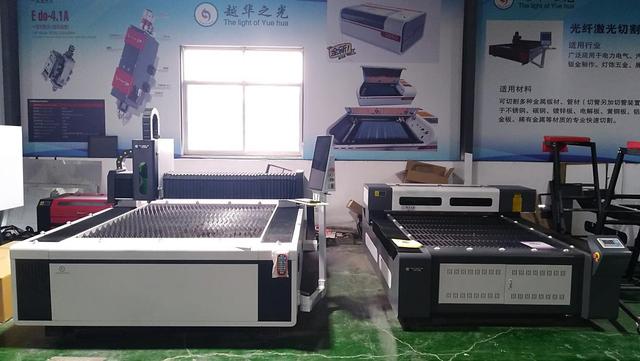
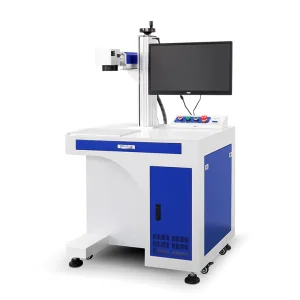
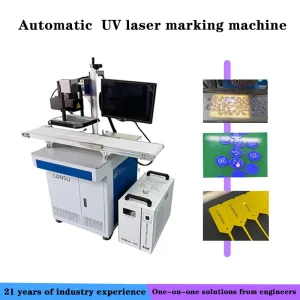
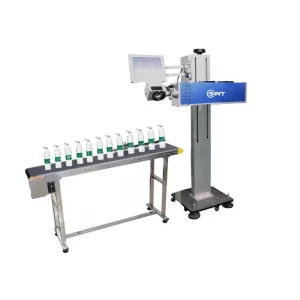
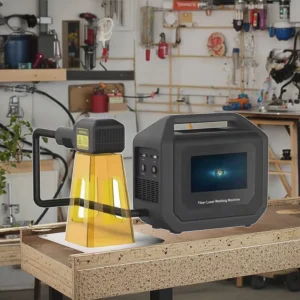
Explore our leading industrial-grade fiber, UV, and CO2 systems optimized for diverse material processing needs.
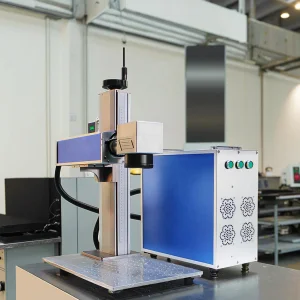
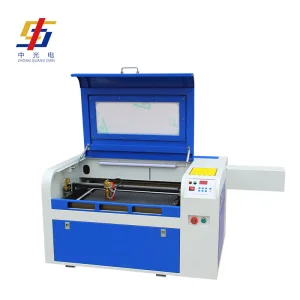
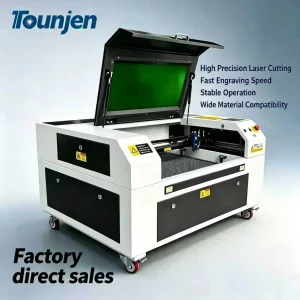
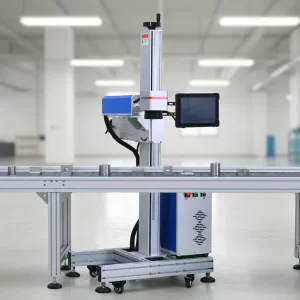
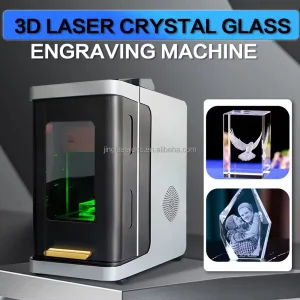
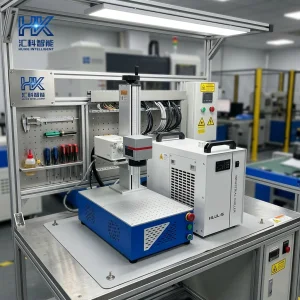
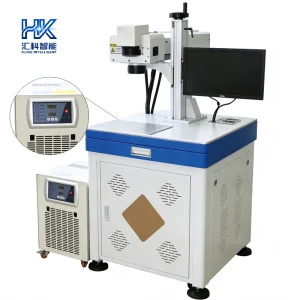
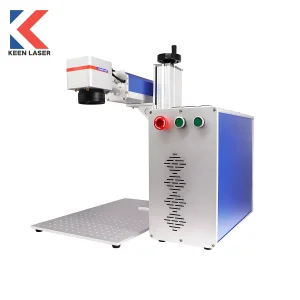
The global manufacturing landscape is undergoing a rapid transition toward automated, ultra-precise, and energy-efficient systems. At the center of this transformation is fiber laser technology. Operating at a nominal wavelength of 1064nm, fiber lasers provide unprecedented absorption rates in metallic substrates, allowing for higher cutting and marking speeds with reduced electrical overhead compared to legacy CO2 and YAG laser designs.
As a leading China industrial laser marker and cutter manufacturer, Hangzhou Kinray Laser Co., Ltd. has pioneered the structural optimization of these systems. Modern factories demand equipment that does not simply execute cutting tasks, but seamlessly interfaces with manufacturing execution systems (MES) and industrial IoT (IIoT) platforms. This evolution has driven Kinray's engineering team to design systems that feature advanced digital Galvo heads, field-programmable gate array (FPGA) control cards, and direct network integration protocols.
By leveraging active fiber amplification, our fiber systems concentrate coherent light to a spot size smaller than 20 microns. This intense power density is capable of instantaneous sublimation, rendering clean, burr-free cuts on carbon steel, stainless steel, aluminum, brass, and precious metals. The absence of gas-discharge mechanics and internal optical mirrors reduces operational maintenance costs to near-zero levels, making fiber systems the standard for high-throughput factories globally.
Industrial applications are rarely uniform. Standard off-the-shelf configurations often fail to meet the rigorous physical space constraints, cycle-time thresholds, or automation interfaces of modern factory floors. Hangzhou Kinray Laser Co., Ltd. addresses this disparity through a structured, multi-tier OEM and ODM system integration workflow.
We redesign sheet metal chassis layouts, optical path enclosures, and working areas to match custom footprint requirements, including specialized rotary axes, gantry tables, and fully enclosed safety housings.
Customizing EzCad, Ruida, and Kinray-proprietary control software to interface with ERP/MES systems. Supporting API development for dynamic database queries, serialized marking, and active feedback loops.
Integrating step-and-repeat feeder belts, rotary index tables, visual alignment cameras (CCD), and robotic arm interfaces for true lights-out manufacturing and maximum operational throughput.
For distributors and system integrators, Kinray Laser offers comprehensive private-label programs. From custom paint schemes and branded software interfaces to tailored user manuals and electrical safety schematics (complying with UL, CSA, or CE formats), we deliver ready-to-sell systems that position our partners at the forefront of their local markets.
Choosing the correct laser source is critical for maximizing yield rates and eliminating thermal distortion. Different materials react uniquely to wavelengths across the electromagnetic spectrum. The table below outlines the primary performance characteristics of our core product configurations, helping procurement teams align equipment selection with mechanical requirements.
| Laser Source Type | Wavelength | Optimal Materials | Primary Industrial Use Case | Heat-Affected Zone (HAZ) |
|---|---|---|---|---|
| Fiber (Raycus / MAX / JPT) | 1064 nm | Steel, Aluminum, Brass, Copper, High-density Plastics | High-speed metal marking, deep engraving, fine sheet metal cutting | Minimal to Moderate (High peak power mitigates dispersion) |
| MOPA Fiber (Variable Pulse) | 1064 nm (Adjustable) | Anodized Aluminum, Stainless Steel, Silicon, Thin Foils | High-contrast color marking on steel, black marking on alumina, striping | Extremely low (Variable pulse widths down to 2ns) |
| Ultra-Violet (UV) | 355 nm | Glass, Ceramics, Sapphire, PCB, Medical-grade Plastics | Cold marking, high-accuracy PCB trace routing, micro-hole drilling | Negligible (Photolytic bond-breaking without thermal melt) |
| Carbon Dioxide (CO2) | 10,600 nm (10.6µm) | Wood, Acrylic, Leather, Rubber, Glass, Paper | Organic material cutting, acrylic fabrication, packaging code ablation | Significant (Thermal melt mechanism) |
Our engineering team ensures that every machine's optical configuration is optimized for its target application. Fiber lasers rely on thermal ablation where high energy pulses vaporize the target zone. In contrast, UV lasers perform "cold processing," using short-wavelength UV light to break the molecular bonds of the material directly. This prevents micro-cracking in glass and eliminates melt-lip formation on sensitive polymer PCB components.
Procuring capital equipment from international manufacturers requires confidence in supply chain transparency, quality verification, and shipping security. Hangzhou Kinray Laser Co., Ltd. has structured its production lines and export divisions to mitigate risks for overseas buyers, offering structured progress updates and comprehensive FAT (Factory Acceptance Testing) validation.
Every unit leaving our Hangzhou factory undergoes a rigorous 72-hour continuous burn-in test under varying thermal cycles. We verify beam quality parameters using advanced Ophir power meters and laser beam profiling systems. All test data is archived and provided to the buyer alongside high-resolution operational videos prior to final export clearance. This level of quality verification guarantees that the machinery is ready to operate upon arrival.
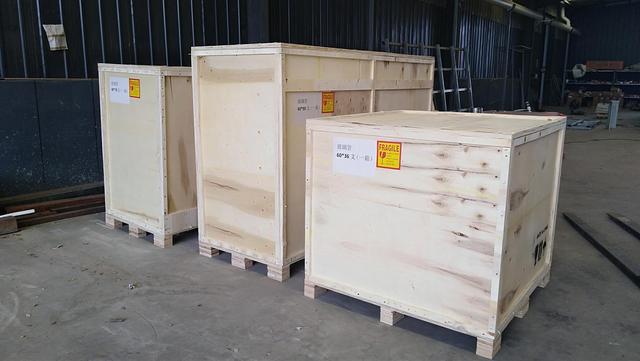
Equipment is vacuum-sealed in anti-static moisture-barrier bags, packaged inside heavy-duty, fumigated IPPC wooden crates, and secured with structural steel reinforcement rods.
Kinray provides HS code categorization, CE declarations of conformity, FDA accession numbers, and complete commercial invoicing to ensure smooth customs clearance globally.
We maintain regional spare parts inventories (lenses, power supplies, fiber source modules, and controllers) to reduce downtime and ensure quick delivery to international customers.
Operating laser machinery carries inherent safety risks that must be managed through appropriate engineering design. Kinray Laser systems prioritize operator safety and regulatory compliance. Our optical enclosures are built using certified viewing windows that filter out dangerous wavelengths (including 1064nm and 355nm protection), shielding operators from diffuse optical reflections.
From an electrical perspective, our manufacturing facilities adhere to strict standards. Control cabinets isolate high-voltage power paths from sensitive low-voltage control lines to prevent electromagnetic interference (EMI). We integrate dual-channel safety relays, dedicated emergency stop circuits, and active interlocks on all access panels. These features ensure that opening a panel instantly disables the laser, preventing accidental exposure.
Hangzhou Kinray Laser Co., Ltd. is a leading China industrial laser marking machine manufacturer specializing in advanced fiber and UV laser solutions for global manufacturing industries. With a strong focus on innovation, precision, and intelligent manufacturing, Kinray Laser is committed to delivering high-performance laser equipment that improves production efficiency, product traceability, and marking quality.
Located in Hangzhou, China, the company integrates research and development, manufacturing, sales, and technical support to provide comprehensive laser processing solutions for customers worldwide. Our extensive product portfolio includes fiber laser marking machines, UV laser marking machines, CO2 laser marking systems, MOPA laser markers, flying laser marking machines, 3D laser marking equipment, and customized automated laser solutions.
Kinray Laser products are widely used in electronics, automotive, medical devices, precision hardware, jewelry, packaging, aerospace, consumer goods, and industrial manufacturing industries. Designed for high-speed, high-precision, and permanent marking applications, our systems are capable of processing a wide range of materials, including metals, plastics, ceramics, glass, and composite materials.
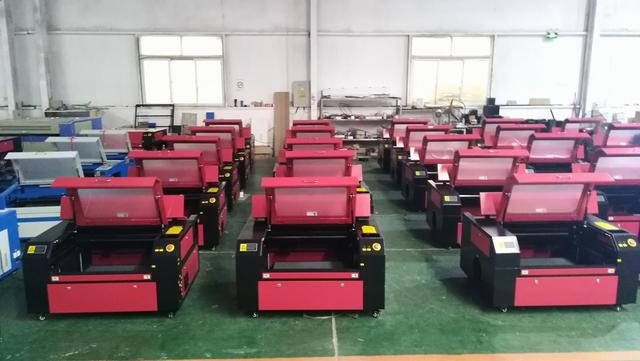
Equipped with advanced production facilities and rigorous quality management systems, Kinray Laser maintains strict quality control throughout every stage of manufacturing. Each machine undergoes comprehensive testing to ensure stable performance, reliability, and compliance with international standards.
To support global customers, we offer flexible OEM and ODM services for distributors, system integrators, equipment brands, and industrial manufacturers. Our experienced engineering team works closely with customers to develop customized laser solutions tailored to specific production requirements, automation needs, and industry applications.
Driven by technological innovation and customer satisfaction, Hangzhou Kinray Laser Co., Ltd. continues to expand its global presence and strives to become a trusted partner for intelligent laser processing solutions, helping manufacturers achieve smarter, more efficient, and sustainable production.
As we plan for the next generation of materials processing, the integration of coaxial machine vision and real-time artificial intelligence is changing laser operation. Historically, positioning tolerances depended on physical jigs and mechanical stops. Future industrial designs will utilize AI-driven vision engines to calculate component offsets instantly, correcting the galvo sweep path dynamically to eliminate part positioning errors.
Additionally, green manufacturing initiatives are driving the development of high-efficiency pumps. Future fiber systems will aim for wall-plug efficiencies exceeding 45%, significantly reducing cooling requirements and minimizing the carbon footprint of high-duty factory environments. Kinray Laser remains committed to these developments, ensuring our global partners receive highly efficient, future-proof processing systems.
Expert answers to common engineering and sourcing questions regarding industrial laser integration.
Q-switched fiber lasers rely on a fixed pulse duration (typically 100ns to 120ns), making them ideal for standard metal marking, deep engraving, and rust ablation. MOPA (Master Oscillator Power Amplifier) lasers allow users to adjust pulse widths from 2ns up to 500ns. This precise control over pulse duration reduces thermal impact on delicate materials, prevents structural distortion in thin foils, and enables high-contrast color marking on stainless steel and black marking on anodized aluminum.
We source core optical engines from trusted global providers like Raycus, JPT, and IPG. Optical lenses and mirrors feature high-threshold coatings to prevent thermal drift. Every completed laser scanner undergoes a 24-hour test to verify stability. The final assembled system then completes a 72-hour continuous test phase, ensuring reliable operation in demanding environments.
Our laser control architectures support standard TCP/IP Ethernet interfaces, Modbus protocols, and RS-232/RS-485 serial buses. These connections allow users to integrate our machines with PLC networks (such as Siemens, Beckhoff, and Allen-Bradley), enabling remote trigger controls, status monitoring, and automated file loading in automated production environments.
No, UV lasers are not designed for bulk metal engraving or deep cutting. The 355nm UV wavelength is highly absorbed by glass, polymers, and silicon, but has low absorption rates on reflective metals compared to 1064nm fiber lasers. For applications requiring micro-marking on precious metals without heat discoloration, UV can be used, but fiber lasers remain the preferred choice for standard metal engraving.
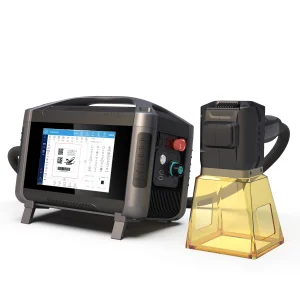
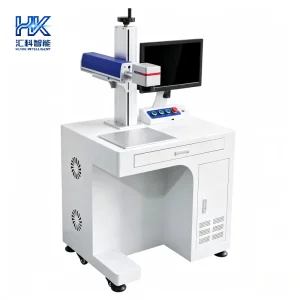
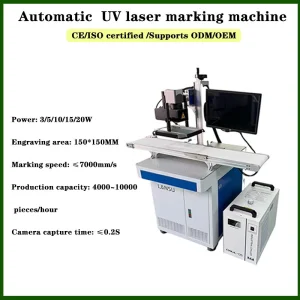
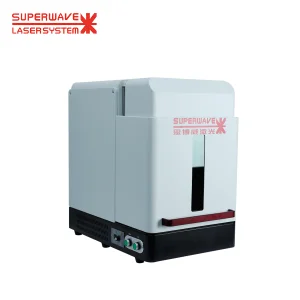
Explore our catalog of high-efficiency fiber, UV, and CO2 systems built for continuous industrial deployment.
 Kinray Laser