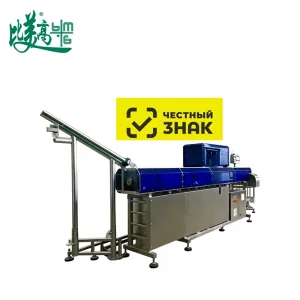
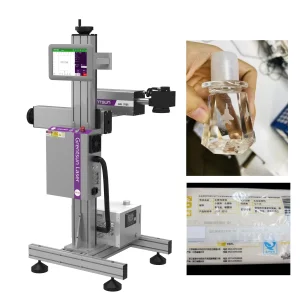
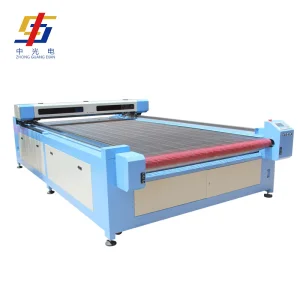
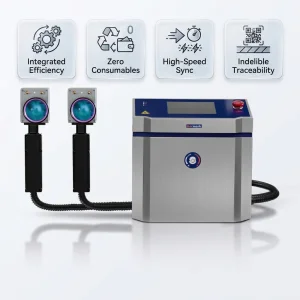
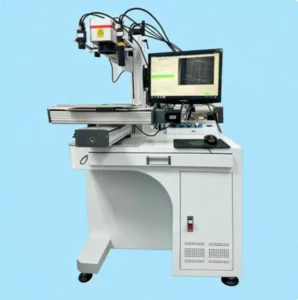
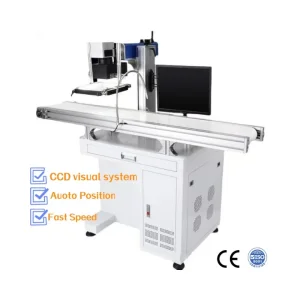
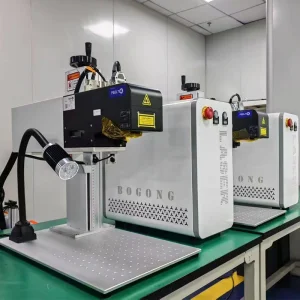
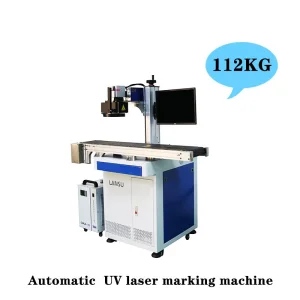
Explore our high-demand configurations engineered for high productivity, real-time logging, and deep industrial serialization.
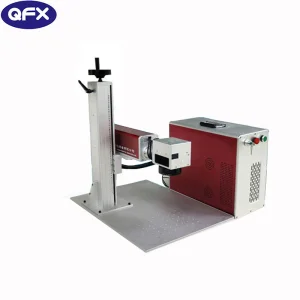
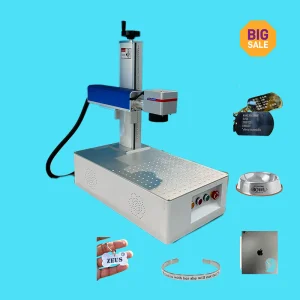
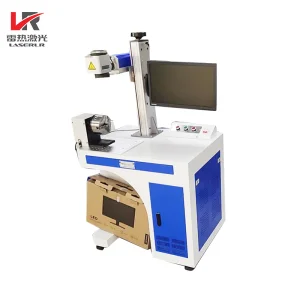
A trusted pioneer in industrial laser processing solutions and intelligent product serialization.
Hangzhou Kinray Laser Co., Ltd. is a leading China industrial laser marking machine manufacturer specializing in advanced fiber and UV laser solutions for global manufacturing industries. With a strong focus on innovation, precision, and intelligent manufacturing, Kinray Laser is committed to delivering high-performance laser equipment that improves production efficiency, product traceability, and marking quality.
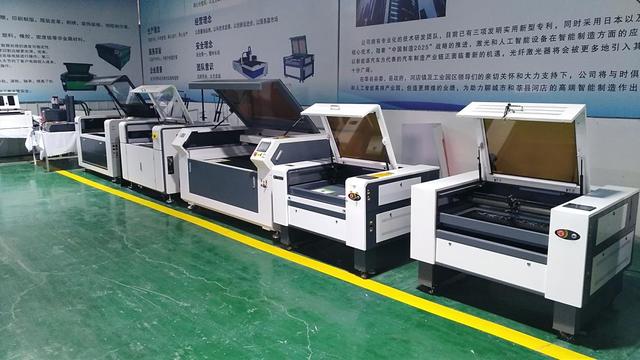
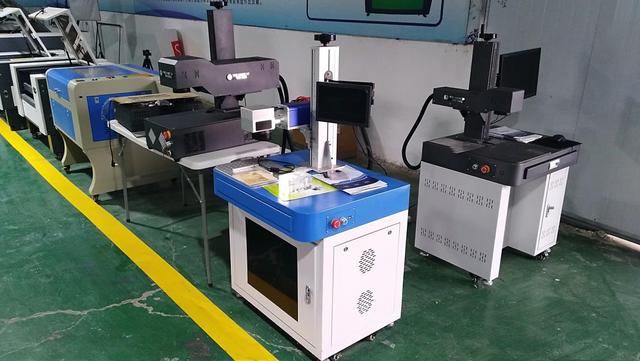
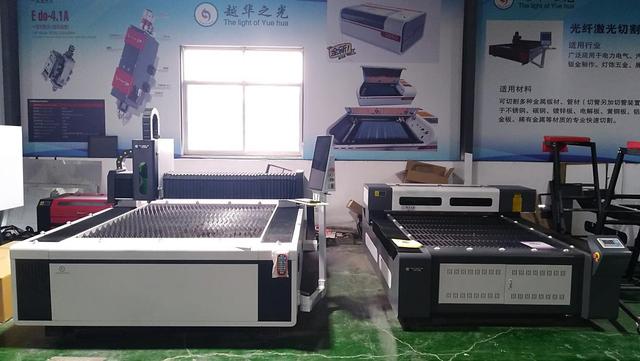
Located in Hangzhou, China, our corporation integrates advanced research and development, smart manufacturing facilities, international sales, and localized technical support to provide comprehensive laser processing solutions for customers worldwide. Our extensive product portfolio includes fiber laser marking machines, UV laser marking machines, CO2 laser marking systems, pulse-adjustable MOPA laser markers, flying laser marking machines, 3D dynamic focus engraving equipment, and highly customized automated laser solutions.
Kinray Laser products are widely used in electronics, automotive, medical devices, precision hardware, jewelry, packaging, aerospace, consumer goods, and heavy industrial manufacturing. Designed for high-speed, high-precision, and permanent marking applications, our systems are capable of processing a wide range of materials, including metals (stainless steel, brass, titanium), plastics (ABS, PVC, HDPE), glass, ceramics, and advanced composites.
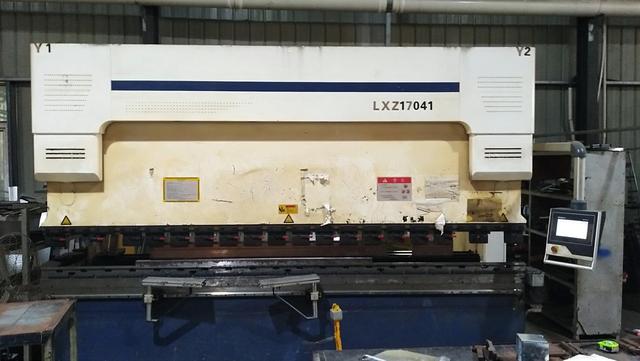
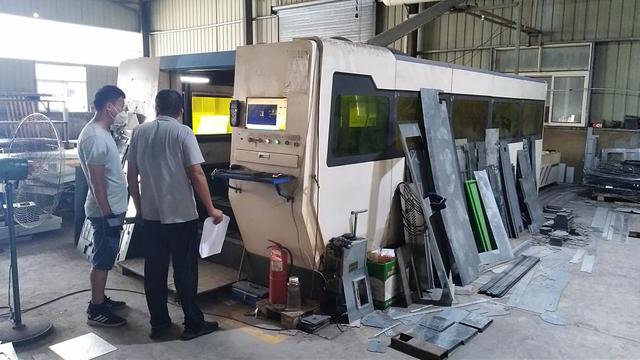
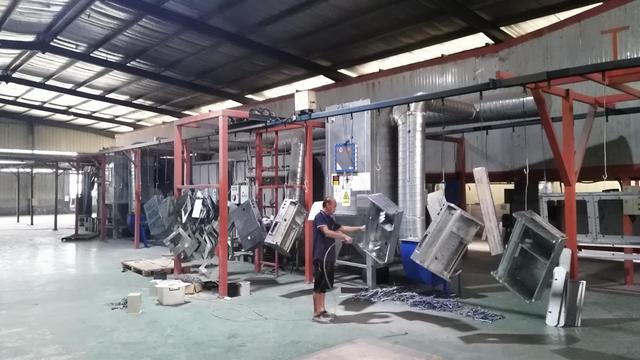
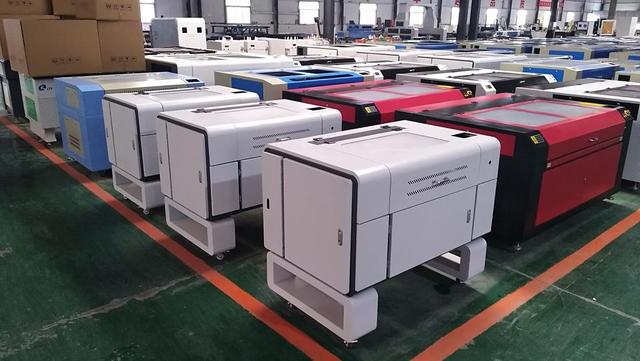
Equipped with advanced production lines and rigorous quality management systems, Kinray Laser maintains strict quality control throughout every stage of manufacturing. Each machine undergoes comprehensive testing—including stability calibration, beam quality testing, and endurance burns—to ensure stable performance, reliability, and compliance with strict international standards.
To support our global customers, we offer flexible OEM and ODM services for distributors, system integrators, equipment brands, and industrial manufacturers. Our experienced engineering team works closely with customers to develop customized laser configurations tailored to specific production line speeds, automation architectures, and unique material interaction profiles.
MTBF Light Source Hours
Exporting Countries & Regions
Patents in Dynamic Focus & Vision Control
Technical Support & Engineering Hotline
The convergence of Industry 4.0 automation, machine vision, and custom-wavelength laser deployment.
Modern production lines require dynamic marking solutions. High-speed flying lasers (CO2, Fiber, UV) are replacing traditional thermal transfer and inkjet printing due to zero consumables, near-zero maintenance, and compatibility with factory PLCs via Modbus/TCP, Profinet, and EtherCAT interfaces.
High-resolution CCD visual alignment systems execute automatic focusing and positioning correction in milliseconds. This is vital for small components like PCB marking, electronic chips, and irregular surface jewelry, reducing alignment rejects to absolute zero.
Global regulatory bodies are shifting manufacturing away from ink chemical solvents. Laser coding has emerged as the global benchmark for carbon-neutral processing, reducing production footprints, material wastes, and operating energy consumption.
Determine the optimal light source and laser architecture based on your physical substrate, surface topography, and throughput needs.
| Laser Type | Target Wavelength | Primary Target Materials | Industrial Application Focus |
|---|---|---|---|
| Fiber Lasers (20W - 100W) | 1064 nm | Stainless steel, titanium, brass, carbon steel, high-density polymers | High-speed marking of heavy-duty components, serial numbers, automotive parts, structural steel plates. |
| MOPA (Pulse Adjustable) | 1064 nm (variable pulse) | Aluminums, multi-colored stainless steel, thin metal foils, delicate plastics | Precise color markings on metals, high-contrast marks on electronic housings without structural metal penetration. |
| UV Lasers (3W - 15W) | 355 nm (Cold processing) | Polycarbonate (PC), PET films, silicon wafers, medical-grade plastics, glassware | Delicate wire marking, pharmaceutical packaging, UDI medical instruments, damage-free cosmetic engraving. |
| CO2 Lasers (20W - 100W) | 10600 nm | Wood, acrylic, paper boards, leathers, organic packaging materials | Production line packaging, high-speed coding on plastic bags, bottles, box packaging, and structural engraving. |
When selecting an OEM/ODM laser manufacturer, technical procurers must look beyond raw cost to verify systemic performance benchmarks. Our manufacturing processes at Kinray Laser focus on optimizing the following architectural points:
Kinray Laser designs tailored hardware assemblies that meet the strict standard operating procedures (SOPs) of major industrial verticals.
FDA regulations mandate that all medical devices bear a Unique Device Identification (UDI) code. Our UV and MOPA systems generate highly contrastive, corrosion-resistant markings on surgical steels and biocompatible medical plastics that withstand repeated sterilization cycles without toxic chemical run-offs.
Fast-Moving Consumer Goods (FMCG) packaging lines operate at speeds of up to 300 meters per minute. Our flying CO2 and UV laser markers integrate with industrial line encoders to apply real-time GS1 barcodes, expiration dates, and QR codes to paperboards, films, and PET bottles on the fly.
From aluminum casting parts to silicon microchips, components must carry persistent markings that resist grease, friction, and extreme temperatures. Our high-power fiber laser solutions deliver permanent deep engravings on engine blocks and high-density polymer housings, supporting raw material sourcing tracking.
Investing in the future of material interaction, optical delivery systems, and real-time control software.
We are expanding our standard laser product portfolios into sub-nanosecond pulse regimes. Ultrafast lasers eliminate thermal diffusion effects, allowing for highly precise micro-machining, clean drilling, and marking of semiconductor substrates without micro-cracking risks.
Next-generation systems will feature real-time AI-based verification. Instead of post-process scanning, our active cameras will read the marking quality mid-process, automatically adjusting pulse duration and frequency to maintain high marking contrast across variable material densities.
Our upcoming controller series supports secure cloud integration. Manufacturing plants can track the health of hundreds of laser light sources simultaneously, predicting diode decay levels and scheduling maintenance to prevent unexpected production line downtime.
Securing cross-border shipments through certifications, safety protocols, and rapid logistics engineering.
When implementing machinery internationally, navigating compliance standards is a key requirement for success. Kinray Laser systems are built to meet CE and ISO 9001 quality management guidelines. For specialized markets, we offer systems configured to support FDA CDRH laser safety standards (Class 1 enclosed workstations or Class 4 open systems with integrated laser safety viewing windows).
Our global engineering service provides system integrators with rapid 3D CAD modeling, custom-fit mounting brackets, and specialized galvo-scanner lens optimizations. We also support localized safety and warning labels in multiple target languages to facilitate smooth customs clearance and quick domestic audits.
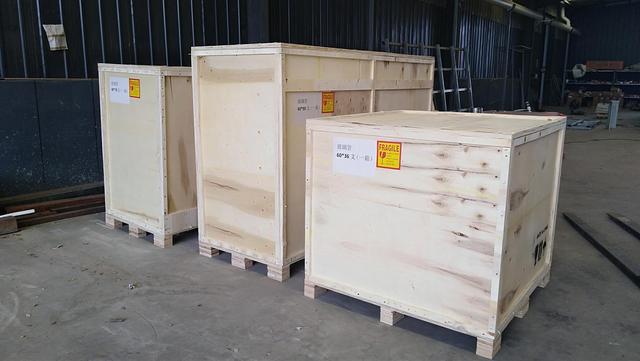
Additionally, we work with localized technicians and distributors across Europe, North America, and Southeast Asia to offer direct troubleshooting, optic alignments, field calibrations, and prompt warranty parts distribution.
Technical guidance for system integrators, manufacturing managers, and global procurement officers.
Standard fiber lasers rely on Q-switching technology, which maintains a fixed pulse duration (typically 100ns to 120ns). MOPA (Master Oscillator Power Amplifier) lasers allow adjustable pulse widths (ranging from 2ns to 500ns). This flexibility enables precise heat control, allowing for dark, high-contrast marking on anodized aluminum and color markings on stainless steel, and prevents melting on delicate plastics.
Yes. Our industrial flying laser markers support integration with popular PLCs (such as Siemens, Beckhoff, and Rockwell). By using a JCZ control card along with standard connection blocks, the laser can receive trigger signals (such as start marking, stop, and layout change) over Modbus, TCP/IP, or I/O ports, while sending status signals back to the main control system.
Organic materials like paper, cardboard, wood, leathers, and certain polymers absorb energy best at mid-infrared wavelengths. A CO2 laser operating at 10.6 μm (10600 nm) is the industry standard for these materials. For thin PET films or delicate plastic bags, a 355nm UV laser is often preferred to mark the surface cleanly without puncturing the material.
Our integrated CCD cameras scan the marking field, detect target components, and automatically adjust the marking layout coordinates to match the orientation of the piece. This compensates for alignment errors on conveyor belts, eliminating the need for expensive mechanical positioning fixtures.
All customized hardware configuration components undergo a 72-hour continuous burn-in test. We utilize optical power meters, beam profiling sensors, and environmental chambers to test the light source, galvo scanner, and power supply under simulated harsh factory conditions. We provide complete test logs and sample marking reports before dispatch.
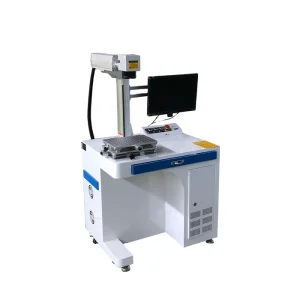
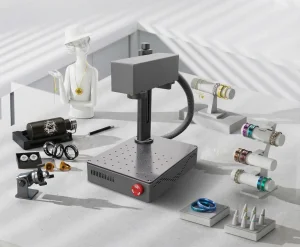
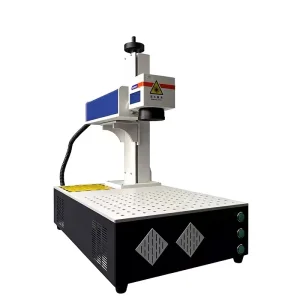
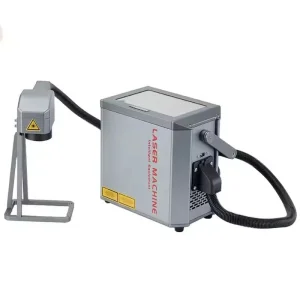
Discover our range of advanced configurations, from dynamic focus marking to high-speed PVC engraving systems.
 Kinray Laser