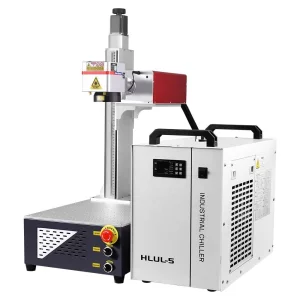
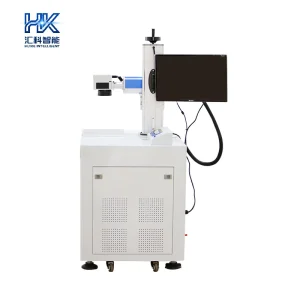
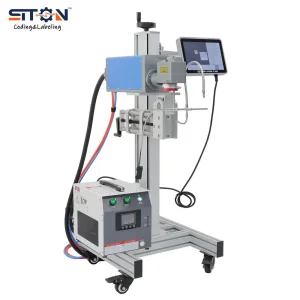
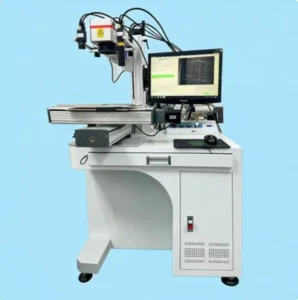
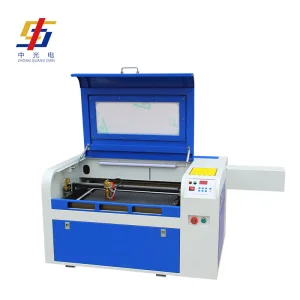
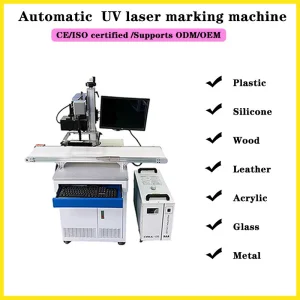
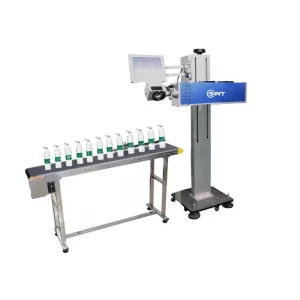
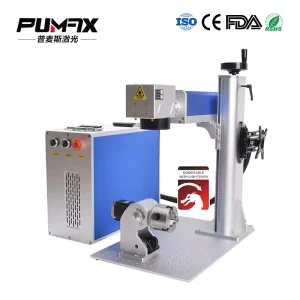
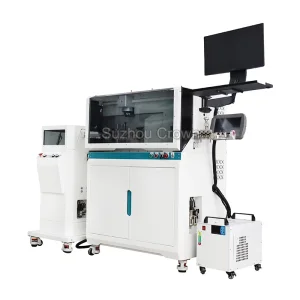
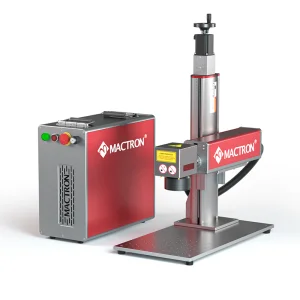
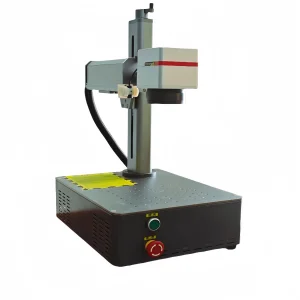
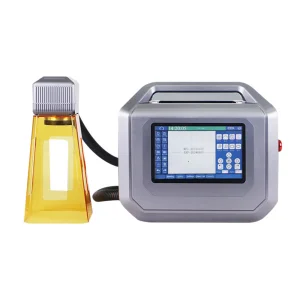
Explore the baseline technical architectures of desktop laser processing. From high-speed galvanometer UV markings to portable fiber integrations, these machines represent the leading technological configurations of global industrial benchmarks.
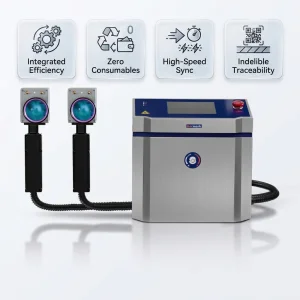
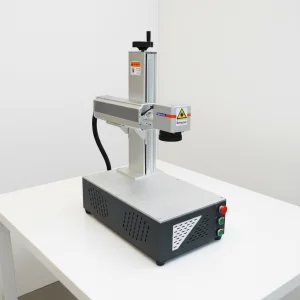
Industrial laser processing is transitioning rapidly from high-footprint, specialized plant installations to compact, modular, and cloud-integrated desktop systems. Understanding this macro shift is critical for supply chain heads and procurement managers.
Modern desktop systems pack multi-kilowatt pulsed fiber, ultra-violet (UV) cold-processing, and high-frequency CO2 gas geometries into footprints smaller than 0.75 m³. High-speed optical galvanometers have replaced heavy gantry systems to maintain sub-micron repeatability while drastically lowering mechanical wear.
Integration of low-latency coaxial CCD cameras and automated vision recognition systems allows automated parts orientation. This eliminates manual positioning and jig building, lowering unit processing times by up to 68% in high-mix, low-volume contract manufacturing setups.
Industrial demand requires multi-source compatibility. By alternating between 1064nm (Fiber), 355nm (UV), and 10.6μm (CO2) laser systems, production facilities can address metals, engineered engineering plastics, borosilicate glassware, and composite substrates inside a standardized desktop matrix.
Choosing the appropriate laser core architecture depends strictly on the molecular structure of the processed material. Use the industry benchmark framework below to match materials with optimal wavelength sources.
| Laser Source Wavelength | Primary Substrates | Thermal Influence Area (HAZ) | Typical Industrial Target Application |
|---|---|---|---|
| Fiber Laser (1064nm) | Stainless steel, titanium, brass, carbon steel, high-density ABS | Moderate to High (thermal vaporization) | Part serialization, aerospace tag coding, metal deep engraving |
| UV Laser (355nm) | Glassware, thin films, medical grade plastics, silicon wafers | Negligible (cold photochemical reaction) | Medical trace marking, high-density PCB coding, wire stripping |
| CO2 Laser (10.6μm) | Acrylic, wood, leather, silica crystals, natural stones | High (localized combustion and vaporization) | Packaging date codes, non-metallic component cuts, organic engraving |
| MOPA / Fiber (Var. Pulse) | Alumina, anodized aluminum, structural plastics, thin metals | Precisely controlled pulse parameters | High-contrast black-marking on plastics, color-marking on stainless steel |
A Premier Global Manufacturer of Industrial Laser Marking & Engraving Technology
Hangzhou Kinray Laser Co., Ltd. is a leading China industrial laser marking machine manufacturer specializing in advanced fiber and UV laser solutions for global manufacturing industries. With a strong focus on innovation, precision, and intelligent manufacturing, Kinray Laser is committed to delivering high-performance laser equipment that improves production efficiency, product traceability, and marking quality.
Located in Hangzhou, China, the company integrates research and development, manufacturing, sales, and technical support to provide comprehensive laser processing solutions for customers worldwide. Our extensive product portfolio includes fiber laser marking machines, UV laser marking machines, CO2 laser marking systems, MOPA laser markers, flying laser marking machines, 3D laser marking equipment, and customized automated laser solutions.
Kinray Laser products are widely used in electronics, automotive, medical devices, precision hardware, jewelry, packaging, aerospace, consumer goods, and industrial manufacturing industries. Designed for high-speed, high-precision, and permanent marking applications, our systems are capable of processing a wide range of materials, including metals, plastics, ceramics, glass, and composite materials.
Equipped with advanced production facilities and rigorous quality management systems, Kinray Laser maintains strict quality control throughout every stage of manufacturing. Each machine undergoes comprehensive testing to ensure stable performance, reliability, and compliance with international standards.
To support global customers, we offer flexible OEM and ODM services for distributors, system integrators, equipment brands, and industrial manufacturers. Our experienced engineering team works closely with customers to develop customized laser solutions tailored to specific production requirements, automation needs, and industry applications.
Driven by technological innovation and customer satisfaction, Hangzhou Kinray Laser Co., Ltd. continues to expand its global presence and strives to become a trusted partner for intelligent laser processing solutions, helping manufacturers achieve smarter, more efficient, and sustainable production.
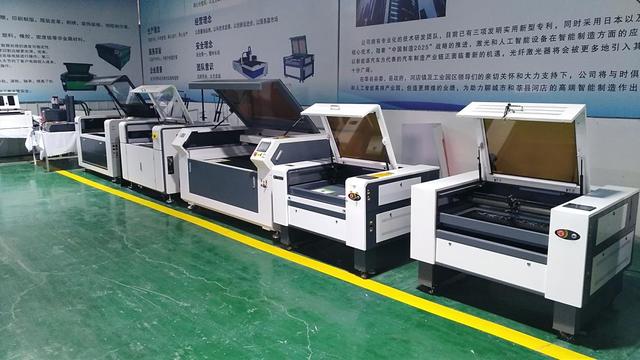
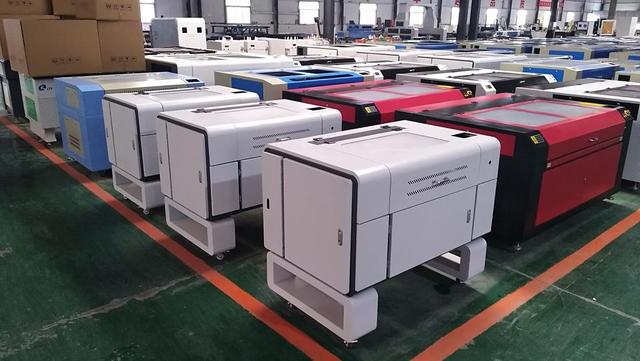
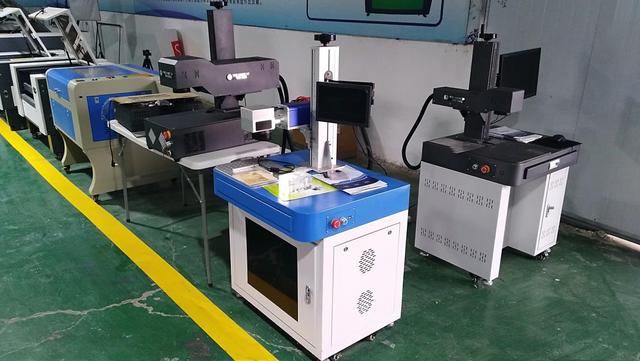
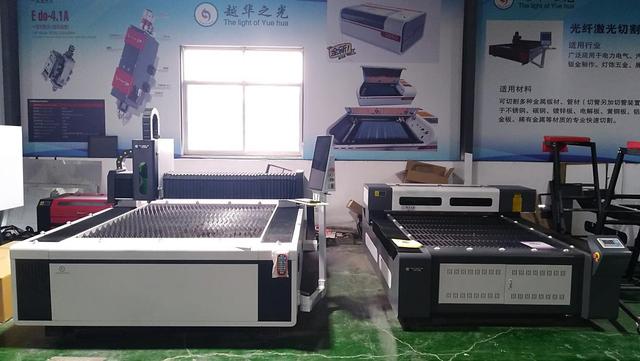
Sourcing desktop laser machinery from exporters demands strict engineering criteria to avoid downstream production bottlenecks, safety recalls, or compliance delays.
Ensure your supplier conforms to CDRH Laser Safety Classification (Class 1 for fully enclosed systems, Class 4 for open galvanometer systems) and maintains valid CE/ISO/FDA registrations. Sourcing without these will lead to customs impoundments at Western ports of entry.
Review the duty cycle ratings. Air-cooled systems are lightweight but might experience drift under sustained runs. Water-cooled systems (essential for 10W+ UV lasers) maintain stable temperatures to minimize thermal lensing during high-volume marking.
Demand EzCad or JCZ board systems that support native vector files (AI, DXF, PLT) and allow direct communication via TCP/IP or Modbus. Avoid proprietary software lock-ins that limit your ability to integrate with ERP inventory workflows.
What does the next decade look like for desktop laser configurations? Our engineering team outlines three key structural directions.
By integrating convolutional neural networks (CNN) directly on the local DSP control card, laser systems can scan workpiece surface profiles in real-time, correcting focus distances to compensate for curved surfaces or non-uniform casting parts without Z-axis movement.
Environmental laws like EU’s REACH push manufacturers to build active dust filtration systems. Modern systems link the laser firing signal to multi-stage particulate and gas extraction filters to capture volatile organic compounds (VOCs) and microparticles directly.
Technical operational answers to help engineering, procurement, and operations teams plan their integration.
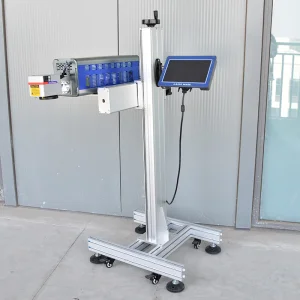
Review these automated options designed for demanding production lines, including integrated cable strippers, high-power coding systems, and multi-dimensional MOPA configurations.
 Kinray Laser