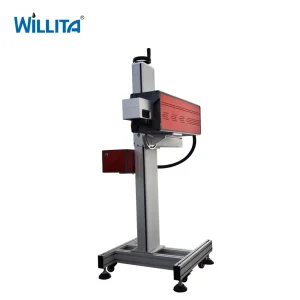
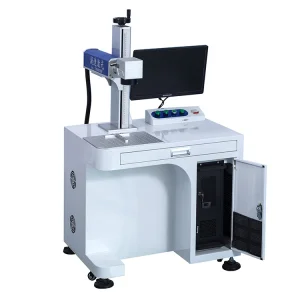
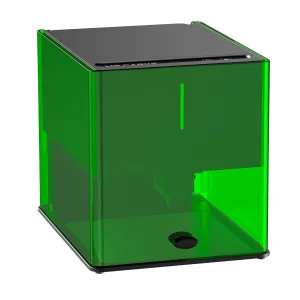
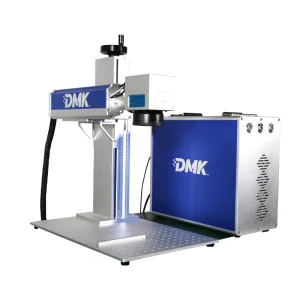
Explore our elite range of fiber, UV, and high-performance CO2 laser marking, engraving, and cutting systems engineered for maximum operational uptime.
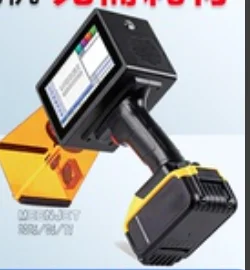
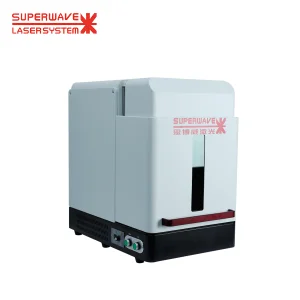
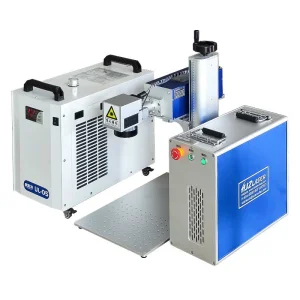
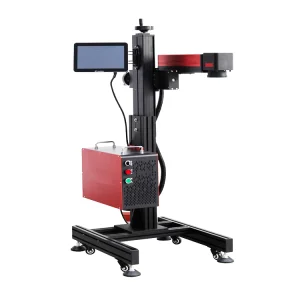
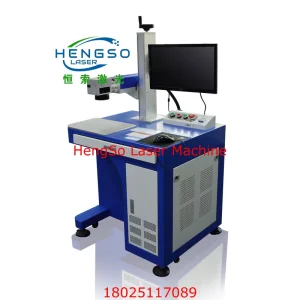
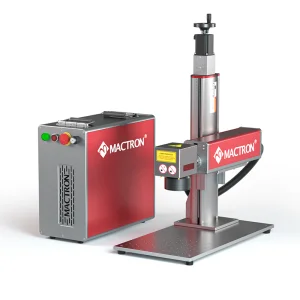
As global supply chains shift toward high-speed automation and uncompromising precision, Hangzhou Kinray Laser Co., Ltd. stands at the forefront as a premier China industrial laser marking and cutting machine manufacturer. Specializing in advanced fiber, UV, and CO2 laser solutions, the company addresses the rigorous demands of modern manufacturing. Driven by technical innovation and robust quality systems, Kinray Laser delivers turnkey machinery that significantly optimizes production line throughput and product traceability.
Based in the high-tech hub of Hangzhou, China, our company houses state-of-the-art research laboratories, vertical manufacturing facilities, and a dedicated international logistics network. Kinray Laser’s machinery portfolio includes fiber laser marking machines, UV laser systems, CO2 laser cutters, MOPA configurations, flying online markers, and custom 3D gantries. This comprehensive line serves over 80 countries, enabling industries to process metals, technical polymers, glass, organics, and multi-layer composite materials with ease.
Carbon Dioxide (CO2) lasers operate at a wavelength of 10.6 μm, 9.3 μm, or 10.2 μm, making them highly compatible with non-metallic substrates and thin films. As industrial requirements transition from manual fabrication to continuous smart-factory runs, the technologies powering CO2 laser sources have undergone significant upgrades. Below is the active technological roadmap detailing key engineering milestones:
| Feature / Parameter | DC Glass Tube Laser | RF Metal Tube Laser | Hybrid Multi-Wave Laser |
|---|---|---|---|
| Operating Principle | Direct Current high-voltage discharge | Radio Frequency gas excitation | Co-axial CO2 + Fiber laser optics |
| Beam Quality (M²) | M² < 1.4 - 1.6 (Average) | M² < 1.1 - 1.2 (Ultra-high focus) | Dynamic adjustments per material |
| Estimated Lifespan | 3,000 to 10,000 Operational Hours | 20,000 to 50,000 Hours (Refillable) | Varies by diode & tube cycle |
| Modulation Speed | Low (< 20 kHz pulse frequency) | High (Up to 100 kHz+ pulse rate) | Synchronized pulse profiles |
| Target Substrates | General acrylics, wood, leather | High-precision PET, electronic films, glass | Multi-layer composites, metal/non-metal joints |
Traditional direct current (DC) glass laser tubes are cost-effective but possess limitations in rise-and-fall response time and lifespan. The industry has shifted rapidly toward RF metal-ceramic slab waveguides. By utilizing radio frequency excitation, these tubes produce a smaller, cleaner beam spot size, facilitating extremely fine, micro-scale laser engraving on delicate packaging and polymers.
Modern CO2 laser cutting and marking machines now feature integrated high-resolution camera modules (e.g., our Lansu Vision and Vision Guided series). Operating on coaxial path configurations, these cameras track fiducials and irregular part placements on the fly, auto-correcting toolpaths within fractions of a millisecond. This minimizes scrap rates in high-value industries like flexible printed circuit board (FPCB) processing.
The reputation of Chinese laser machinery manufacturers has transformed. Today, China’s industrial ecosystem is defined by deep structural efficiency, robust supply chain resilience, and advanced automation. As an industry leader in Hangzhou, Kinray Laser leverages these cluster dynamics to deliver premium equipment at optimal price-to-performance ratios.
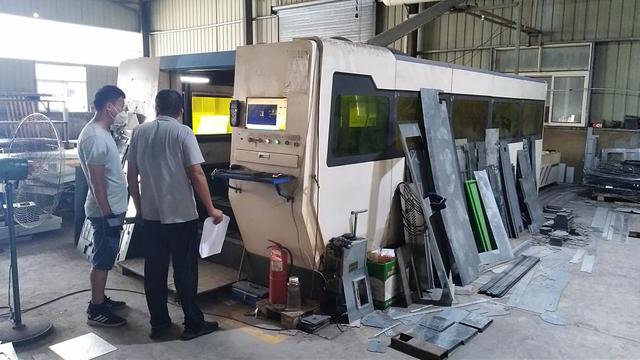
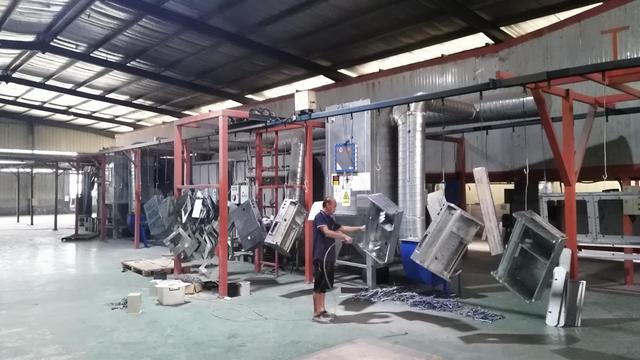
Our factory utilizes automated assembly stations, optical alignment chambers, and structural heat-treatment ovens. By keeping mechanical gantry machining, high-voltage power testing, and software calibration under one roof, we eliminate bottlenecks associated with outsourced sub-assemblies.
Furthermore, the localized sourcing of high-grade optical glass, precision linear rails, and robust structural frames allows us to offer shorter lead times and custom configurations. This supply chain advantage is backed by rigorous testing: every laser system undergoes a minimum 72-hour continuous test burn to ensure stable power output and thermal equilibrium.
Different manufacturing sectors require specific wavelengths, powers, and safety levels. Here is how Kinray Laser’s machinery line addresses key industrial applications:
Delivering high-power fiber and CO2 marking systems for direct-part-marking on engine blocks, electrical casings, and interior plastics, ensuring lifelong legibility against friction and heat.
Utilizing high-contrast, heat-free UV laser systems to engrave catheters, surgical instruments, and medical-grade polymers without compromising structural integrity or introducing toxicity.
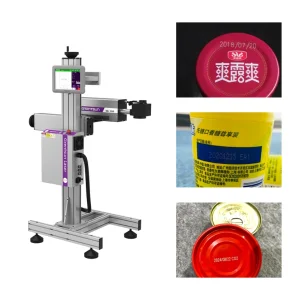
Using our flying (online) laser marking printers to apply barcodes, expiry dates, and batch codes on PE, PVC, and paperboards at linear speeds exceeding 300 meters per minute.
For engineering leads and procurement heads, selecting the right Chinese manufacturing partner requires assessing technical specifications and design features. Below is the criteria recommended to ensure long-term ROI:
Navigating import requirements for industrial laser systems can be complex. At Kinray Laser, we design and document our machinery to meet the certification standards of major destination markets:
To support our overseas distributors and customers, Kinray provides remote telemetry diagnostics, video setups, and detailed English manual kits. If a system requires physical component replacement, our spare parts depots in North America and Europe expedite replacements, minimizing downtime.
We provide custom paint schemes, white-label software, custom-configured frame geometries, and direct factory training for integration partners looking to expand their regional offerings.
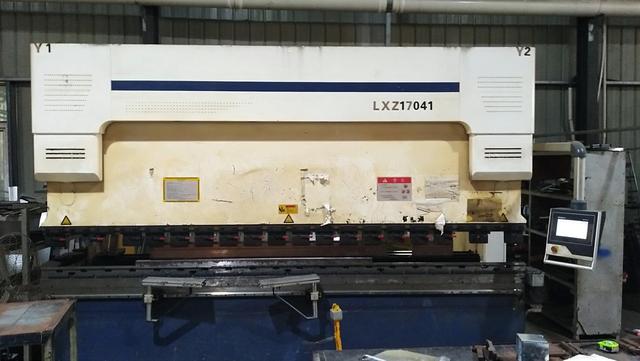
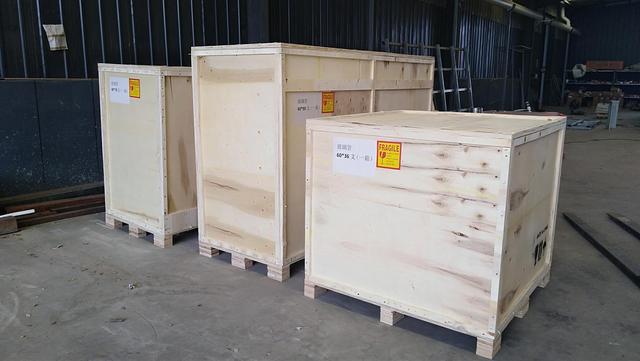
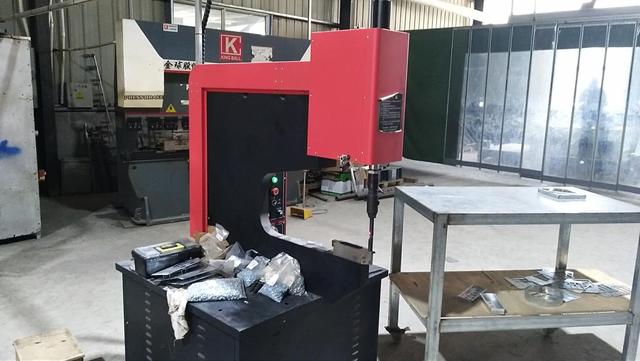
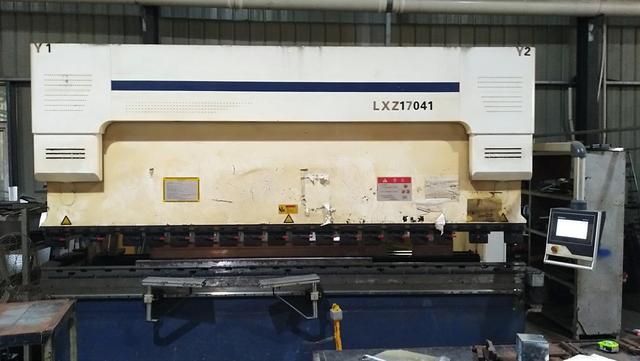
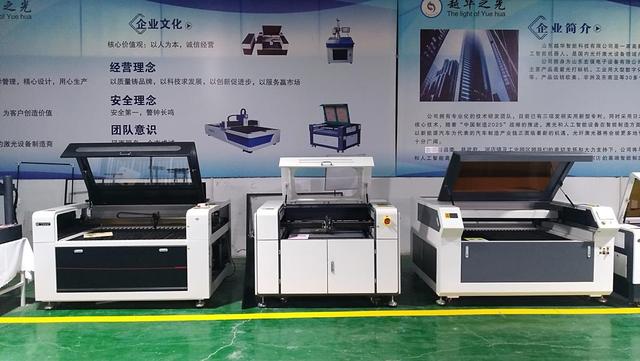
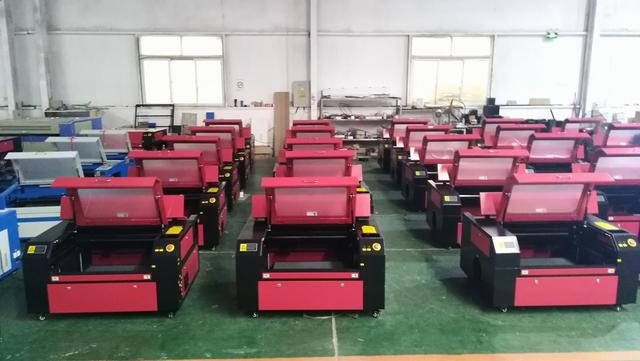
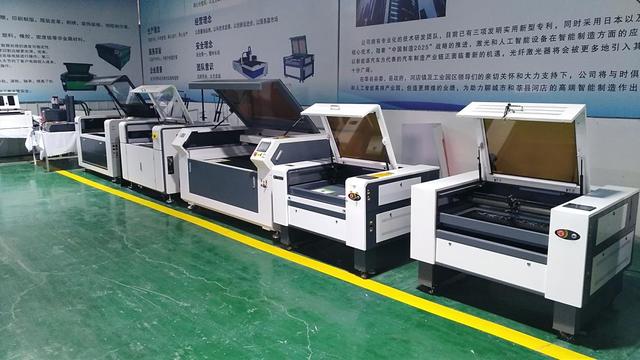
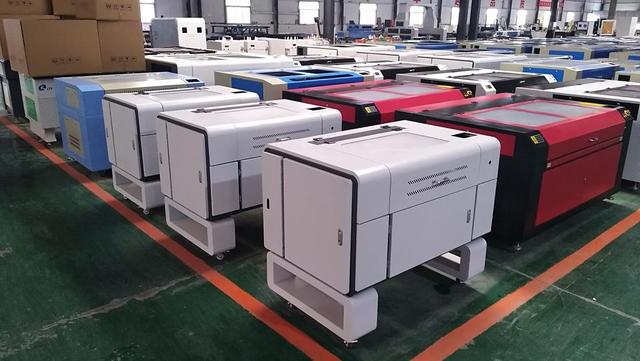
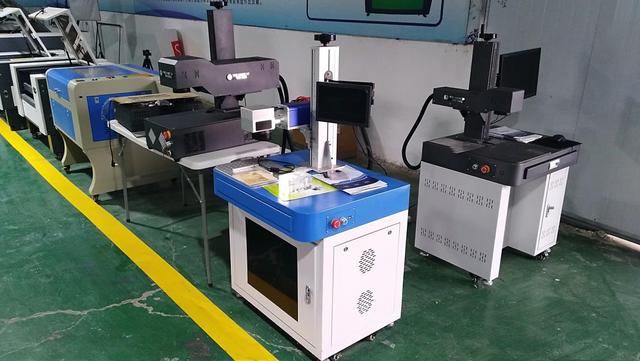
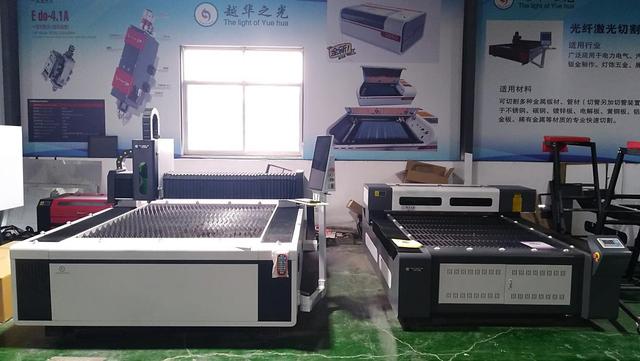
A look inside the Hangzhou Kinray Laser Co., Ltd. manufacturing plant, featuring clean assembly areas, testing lines, and quality control systems.
Answers to common technical and operational questions from plant managers and procurement leads.
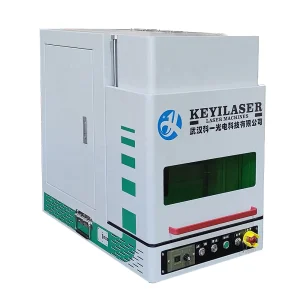
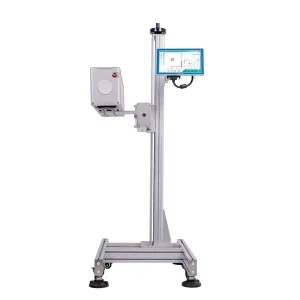
Discover our secondary lineup of specialized markers, MOPA systems, and integrated inspection machines designed for custom production workflows.
 Kinray Laser