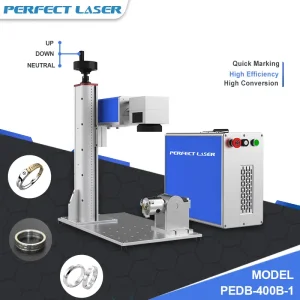
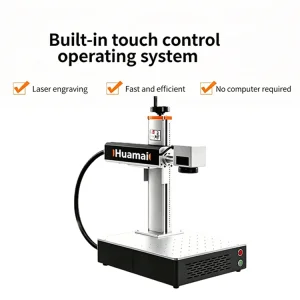
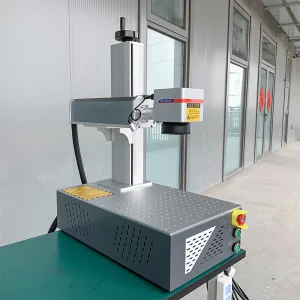
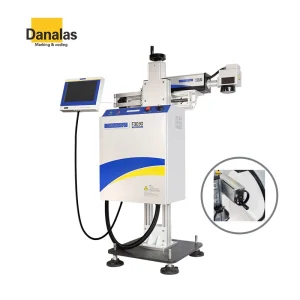
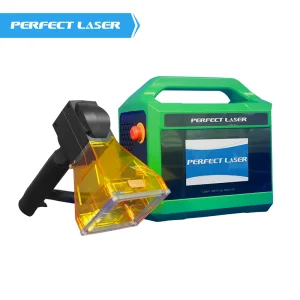
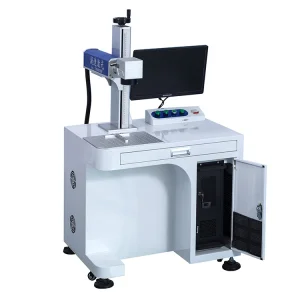
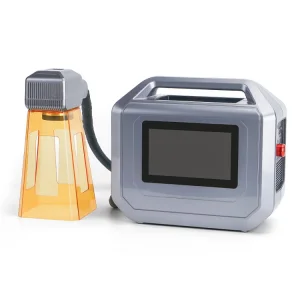
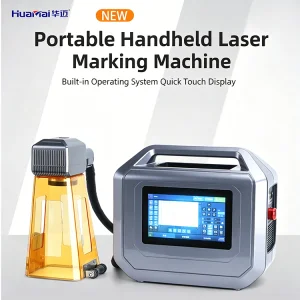
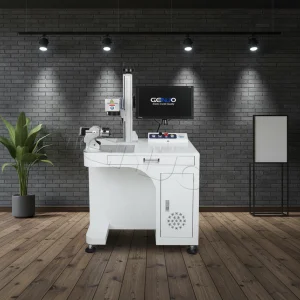
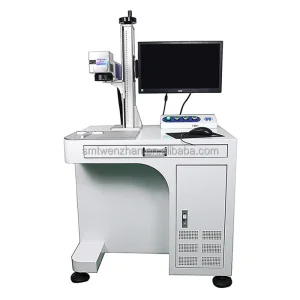
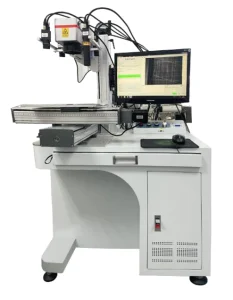
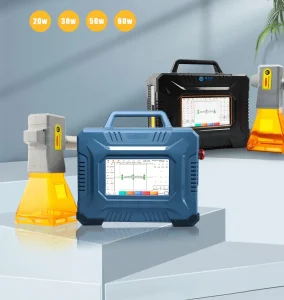
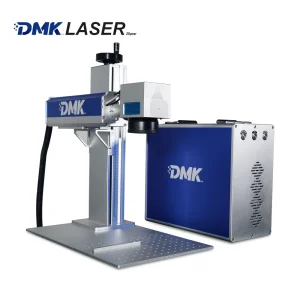
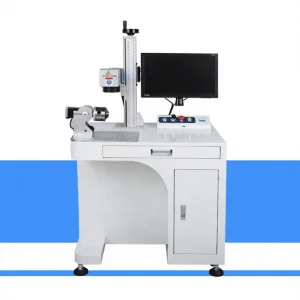
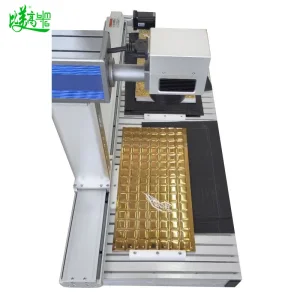
Engineered with high-stability fiber laser sources, high-speed digital galvanometers, and field-tested in high-humidity industrial environments.
Optimizing localized traceability systems for Thane, Belapur, MIDC clusters, Pune, and the greater Maharashtra industrial belt.
The industrial landscape of Mumbai and its satellite manufacturing clusters—including TTC Industrial Area (Mahape), Taloja MIDC, Ambernath, Vasai-Virar, and the Pune-Chakan manufacturing expressway—has shifted rapidly towards high-precision smart manufacturing. As global compliance mandates for track-and-trace systems tighten, manufacturers in the automotive, medical device, aerospace, and electronics sectors require robust industrial equipment that can operate 24/7 in harsh subtropical conditions. Traditional methods like inkjet printing and chemical etching are being replaced by solid-state fiber laser marking due to zero consumable costs, environment-friendly operations, and permanent engraving capabilities.
In highly humid industrial zones, electronics and precision components are highly susceptible to corrosion. Using mechanical stamp markers or chemical etching compromises surface integrity and can trigger microscopic oxidation. Fiber lasers use a concentrated light beam of 1064nm wavelength to modify the surface layer of metals and engineered polymers, leaving a permanent mark without affecting the physical integrity of the surrounding structure. This process is crucial for medical devices requiring passivation treatments or high-precision automotive components subjected to mechanical stress.
Deciding between Q-Switched, MOPA, JPT, Raycus, and IPG systems for specific material interactions.
| Feature / Specification | Q-Switched (Raycus / Max) | MOPA (JPT M7 / M8) | UV Laser Source (355 nm) |
|---|---|---|---|
| Pulse Width Range | Fixed (typically ~100ns to 150ns) | Variable (2ns to 500ns) | Ultra-short (< 15ns) |
| Pulse Frequency Control | 20 kHz to 80 kHz | 1 kHz to 4000 kHz | 10 kHz to 200 kHz |
| Primary Materials | Stainless steel, carbon steel, raw brass | Anodized alumina, colored metals, plastics | Glass, silicon wafers, fragile polymers |
| Black Marking on Alumina | No (causes surface burning) | Yes (highly controlled oxidation) | No (too shallow/cold marking) |
| Heat Affected Zone (HAZ) | Moderate (localized heating) | Very Low (highly tunable energy) | Minimal (cold photochemical ablation) |
When selecting a fiber laser marker for factory deployment in Mumbai, the choice of the resonator is critical. Raycus and Maxphotonics offer excellent cost-to-performance ratios for standard deep metal engraving, direct marking, and metal sheet cutting. For complex applications, such as high-contrast markings on medical polymers or colors on titanium alloys, JPT MOPA (Master Oscillator Power Amplifier) platforms are superior. The variable pulse width allows users to optimize peak power levels, minimizing surface deformation and preventing thermal cracking on sensitive substrates.
Integrating China's manufacturing speed with global quality control to support Indian distribution channels.
Hangzhou Kinray Laser Co., Ltd. is a leading China industrial laser marking machine manufacturer specializing in advanced fiber and UV laser solutions for global manufacturing industries. With a strong focus on innovation, precision, and intelligent manufacturing, Kinray Laser is committed to delivering high-performance laser equipment that improves production efficiency, product traceability, and marking quality.
Located in Hangzhou, China, the company integrates research and development, manufacturing, sales, and technical support to provide comprehensive laser processing solutions for customers worldwide. Our extensive product portfolio includes fiber laser marking machines, UV laser marking machines, CO2 laser marking systems, MOPA laser markers, flying laser marking machines, 3D laser marking equipment, and customized automated laser solutions.
Kinray Laser products are widely used in electronics, automotive, medical devices, precision hardware, jewelry, packaging, aerospace, consumer goods, and industrial manufacturing industries. Designed for high-speed, high-precision, and permanent marking applications, our systems are capable of processing a wide range of materials, including metals, plastics, ceramics, glass, and composite materials.
Equipped with advanced production facilities and rigorous quality management systems, Kinray Laser maintains strict quality control throughout every stage of manufacturing. Each machine undergoes comprehensive testing to ensure stable performance, reliability, and compliance with international standards.
To support global customers, we offer flexible OEM and ODM services for distributors, system integrators, equipment brands, and industrial manufacturers. Our experienced engineering team works closely with customers to develop customized laser solutions tailored to specific production requirements, automation needs, and industry applications.
Driven by technological innovation and customer satisfaction, Hangzhou Kinray Laser Co., Ltd. continues to expand its global presence and strives to become a trusted partner for intelligent laser processing solutions, helping manufacturers achieve smarter, more efficient, and sustainable production.
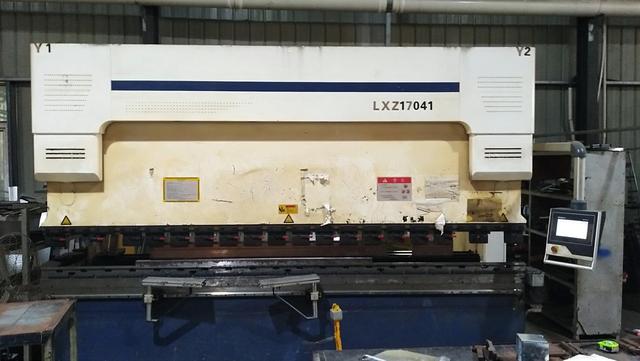
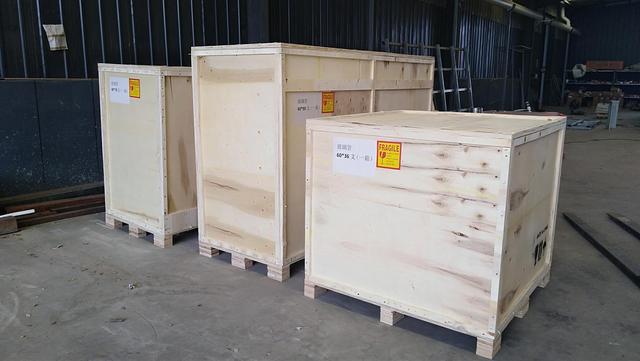
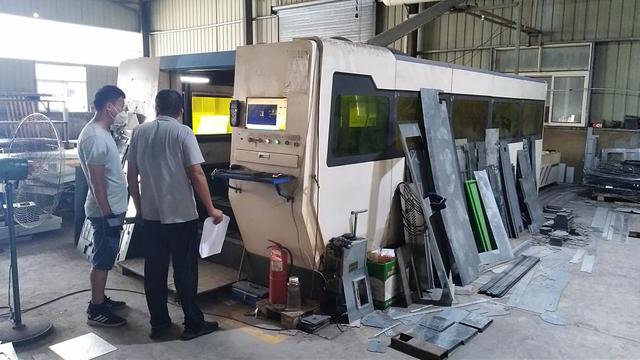
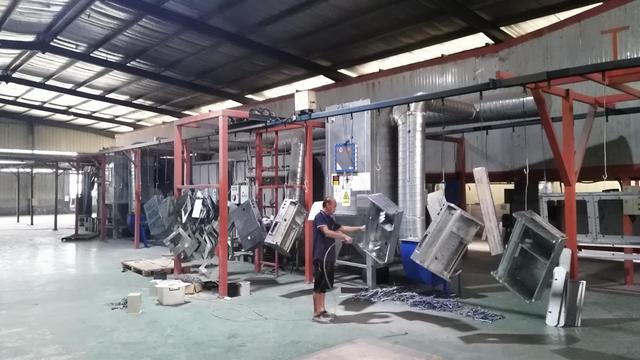
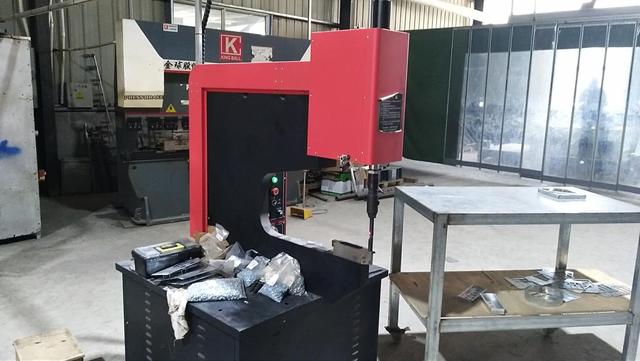
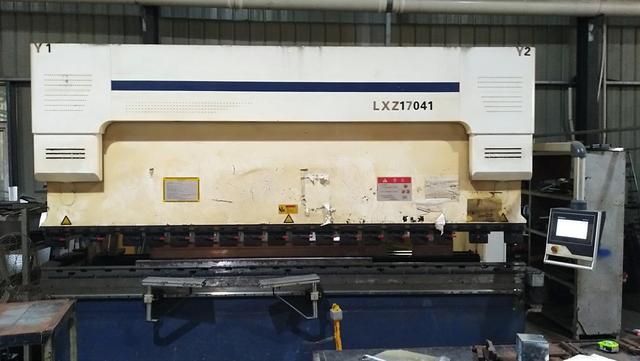
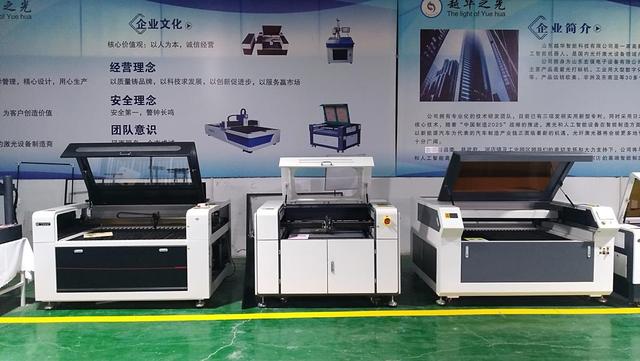
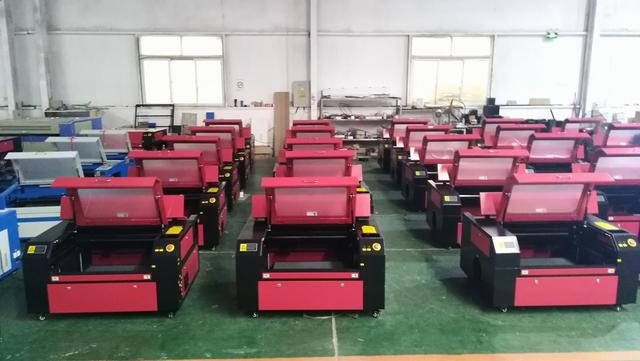
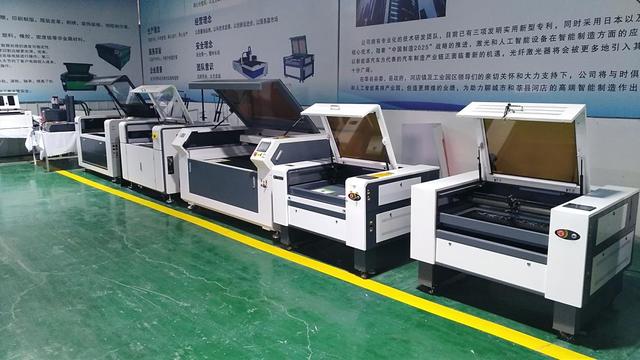
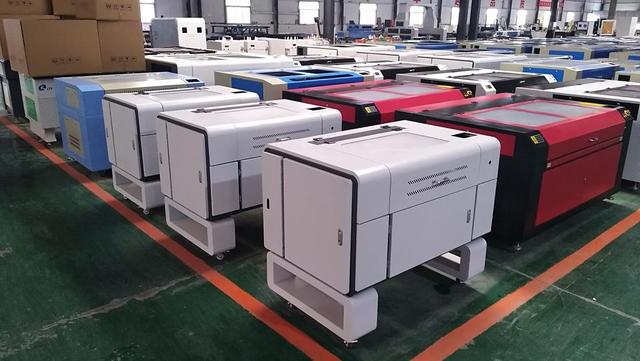
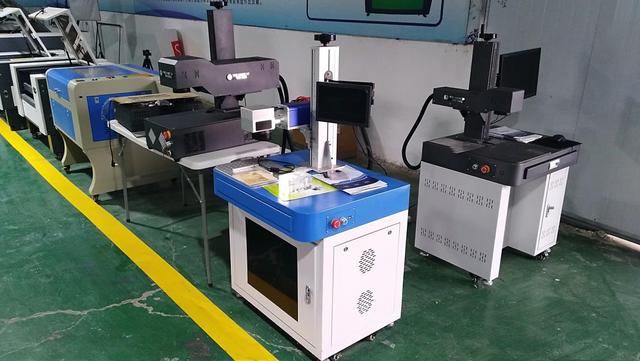
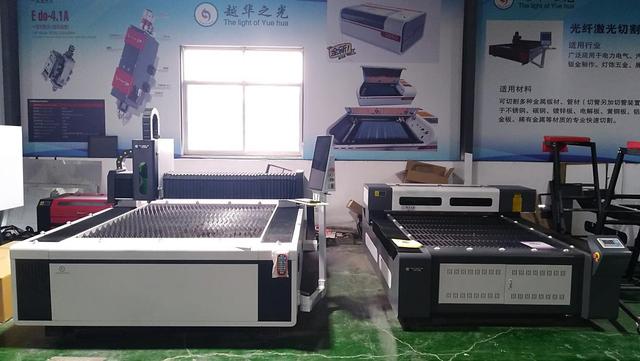
From desktop models for custom workshops to heavy-duty integrated platforms for continuous assembly lines.
How Kinray Laser bridges international manufacturing with localized installation in Maharashtra.
Deploying CNC industrial machinery in India requires careful alignment with local regulatory and operational conditions. At Kinray Laser, we understand that power quality, environmental factors, and safety compliance are critical considerations for operations managers. We ensure that our systems are fully optimized for local success.
Industrial sectors in regions like Thane, Ambernath, and Navi Mumbai can experience voltage fluctuations that challenge delicate CNC circuits and optic fiber drivers. All fiber laser markers exported to India are equipped with integrated, heavy-duty electrical filtering, optoelectronic isolation, and transient voltage surge suppressors (TVSS). Additionally, we provide documentation support for Indian customs clearance, including BIS (Bureau of Indian Standards) compliance protocols and CE safety declarations.
We work in collaboration with specialized equipment importers and system integrators based in Mumbai and Pune. This allows us to offer on-site commissioning, field maintenance, and spare parts supply (such as replacement field lenses, scanning mirrors, and control cards). Our technical engineering team provides digital diagnostics support, helping you optimize EZCAD software parameters, design automated inline fly-marking scripts, and trouble-shoot galvo dynamics via remote desktop protocols.
The future of direct part marking: Automation, IoT, and high-speed vision inspection systems.
Modern factories are transitioning from standalone workstation units to fully automated, networked processing cells. The Kinray Laser engineering roadmap focuses on integrating laser marking into broader Industry 4.0 systems, helping you future-proof your capital investment.
Manual alignment of irregular or small components introduces human error and increases cycle times. Our advanced visual systems automatically recognize part geometry and adjust marking placement accordingly. The integrated industrial camera captures part orientation in milliseconds, transmitting coordinates to the galvo controller to ensure precise vector alignment, regardless of component placement on the conveyor belt.
Modern quality assurance programs rely on real-time data flow. Our control software supports API and SDK connections to ERP (Enterprise Resource Planning) and MES (Manufacturing Execution Systems) databases. As parts move along the production line, the system queries the active database to retrieve dynamic product details (such as batch numbers, date codes, and testing results) and burns it onto the component instantly. This creates a highly secure, automated record chain.
Answering technical queries for production managers and purchasing agents.
IPG is a German-headquartered pioneer in fiber lasers, representing the highest level of stability and beam quality, but at a premium price. Raycus is China’s largest laser source manufacturer, offering excellent reliability and cost-to-performance ratio for general metal etching. JPT specializes in high-end MOPA technology, providing variable pulse widths which offer superior performance when marking delicate plastics and performing colored engraving on titanium.
High relative humidity and dust levels in Mumbai industrial corridors can cause condensation inside optics and electronics. Kinray Laser addresses this by using IP54/IP64 sealed enclosures for critical components. We advise users to operate high-power lasers in air-conditioned environments or utilize industrial dust collectors to extract airborne particulates, maintaining optical path cleanliness.
Fiber laser marking machines (typically 20W to 100W) are designed primarily for surface engraving and annealing. While they can cut thin metal foils (up to 0.5mm brass or silver) using multiple repetitive vector passes, they are not a substitute for high-power fiber laser cutting machines (which start at 1000W and above).
Fiber lasers are solid-state systems with zero routine consumables—no inks, ribbons, or chemicals required. The only ongoing cost is electrical power. Maintenance is minimal, typically limited to keeping the protective window on the field lens clean and ensuring the exhaust system filters are periodically cleaned or replaced.
Need a custom marking system or system integration for your factory line? Contact our engineering team for expert assistance.
Send Inquiry Now Kinray Laser