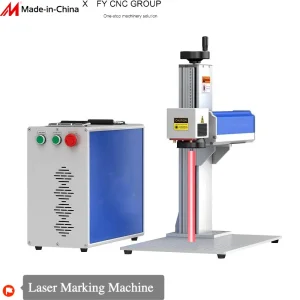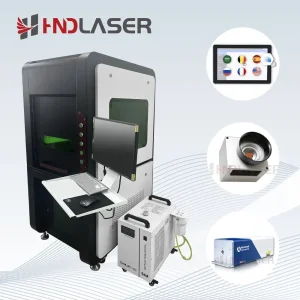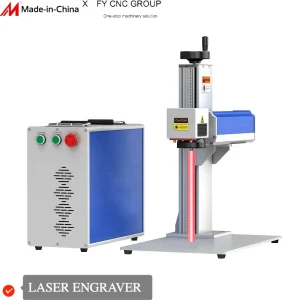

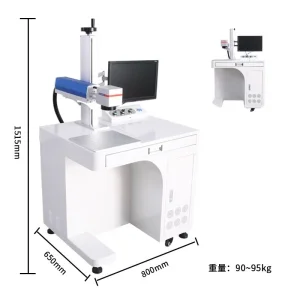
As Mexico solidifies its position as the premier global manufacturing hub driven by the massive Nearshoring boom under the USMCA (United States-Mexico-Canada Agreement) framework, industrial quality expectations have skyrocketed. In automotive clusters like Querétaro, Guanajuato, Nuevo León, and Chihuahua, manufacturers face stringent requirements for product traceabilty, such as UID (Unique Identification) and direct part marking (DPM). Standard Q-switched fiber lasers, though economical, often fall short of meeting these precision standards without damaging the integrity of the substrate. This is where MOPA (Master Oscillator Power Amplifier) laser technology has emerged as a disruptive technological solution.
Unlike traditional fiber lasers, MOPA lasers allow independent control of pulse duration (ranging from 2 ns to 500 ns) and frequency (up to 4000 kHz). This structural flexibility is crucial for Mexico’s specialized industries:
Delivers high-contrast, corrosion-resistant black marking on anodized aluminum chassis parts, brackets, and engine valves without removing the protective oxide layer.
Enables ultra-clean micro-marking on implantable devices and surgical steels in the medical manufacturing hubs of Baja California and Ciudad Juárez.
Guarantees non-destructive structural labeling of titanium and composite parts, meeting aerospace requirements for zero micro-fracturing under high-stress conditions.
For procurement officers and process engineering directors in Mexican maquiladoras, selecting the correct laser wavelength and pulse characteristics directly impacts line throughput, cycle times, and scrap rates. Standard fiber lasers utilize Q-switching technology, which operates on fixed pulse durations (typically 100 ns to 120 ns) with a limited frequency range. While suitable for basic carbon steel engraving, they create massive Heat-Affected Zones (HAZ) on delicate materials.
The MOPA laser source, utilizing a Master Oscillator (laser seed) combined with a Power Amplifier, offers step-less adjustment of pulse duration, pulse frequency, and peak power. This permits fine tuning of energy input, eliminating surface deformation, melting, or micro-cracking.
| Functional Parameter | MOPA Fiber Laser Systems (JPT M7 / Raycus MOPA) | Q-Switched Fiber Lasers (Standard Raycus / Max) | Mexico Market Application Value |
|---|---|---|---|
| Pulse Width Range | Adjustable: 2 ns – 500 ns | Fixed: 90 ns – 130 ns | Allows customized heat profiles for diverse polymers and thin metal foils. |
| Frequency Range | 1 kHz – 4000 kHz (highly flexible) | 20 kHz – 80 kHz (limited) | High frequency allows high-speed vector marking and precise scanning overlap. |
| Anodized Aluminum Marking | High-contrast white or rich matte black (adjustable) | Only grey/white marking; often breaches oxide layer | Essential for consumer electronics, automotive interior panels, and cosmetic housings. |
| Stainless Steel Coloration | Vibrant, repeatable multi-color spectrum marking | No color capability (only black/brown oxidation) | Highly utilized for brand differentiation, high-end cutlery, and identification. |
| Heat Affected Zone (HAZ) | Near-zero; cold-processing capability on thin layers | Moderate to high; risks buckling thin metals | Protects underlying circuits in sensors, PCBs, and automotive electronics. |
Hangzhou Kinray Laser Co., Ltd. is a leading China industrial laser marking machine manufacturer specializing in advanced fiber and UV laser solutions for global manufacturing industries. With a strong focus on innovation, precision, and intelligent manufacturing, Kinray Laser is committed to delivering high-performance laser equipment that improves production efficiency, product traceability, and marking quality.
Located in Hangzhou, China, the company integrates research and development, manufacturing, sales, and technical support to provide comprehensive laser processing solutions for customers worldwide. Our extensive product portfolio includes fiber laser marking machines, UV laser marking machines, CO2 laser marking systems, MOPA laser markers, flying laser marking machines, 3D laser marking equipment, and customized automated laser solutions.
Kinray Laser products are widely used in electronics, automotive, medical devices, precision hardware, jewelry, packaging, aerospace, consumer goods, and industrial manufacturing industries. Designed for high-speed, high-precision, and permanent marking applications, our systems are capable of processing a wide range of materials, including metals, plastics, ceramics, glass, and composite materials.
Equipped with advanced production facilities and rigorous quality management systems, Kinray Laser maintains strict quality control throughout every stage of manufacturing. Each machine undergoes comprehensive testing to ensure stable performance, reliability, and compliance with international standards.
To support global customers, we offer flexible OEM and ODM services for distributors, system integrators, equipment brands, and industrial manufacturers. Our experienced engineering team works closely with customers to develop customized laser solutions tailored to specific production requirements, automation needs, and industry applications.
In Mexico's industrial heartlands, the diversity of substrates demands highly engineered laser configurations. Kinray Laser’s MOPA systems are calibrated for these regional demands, providing high efficiency, stability under continuous 24/7 assembly line operations, and integration-ready architectures.
Automotive components, from transmission gears to cast-aluminum engine blocks, require high-contrast markings that survive heat treating, oil baths, and chemical washdowns. Our MOPA systems produce deep metal engraving or non-destructive black annealing. They easily integrate with PLC interfaces via Profinet or Ethernet/IP, sending marking commands directly from factory MES platforms.
Guadalajara, known as the Silicon Valley of Mexico, produces advanced telecommunications equipment and home appliances. These components often feature composite plastics, ABS, and polycarbonates. Traditional lasers bubble these plastics, creating messy, unreadable codes. Our short-pulse MOPA lasers execute cold-marking, yielding high-contrast white marks on dark plastics or crisp black marks on light plastics without structural deformation.
Implantable medical devices, surgical instrumentation, and catheters manufactured in Mexico must comply with international FDA UDI standards. The marking must remain sterile and corrosion-resistant. MOPA lasers mark stainless steels with passivating oxide layers that resist acid cleaning and autoclave sterilization cycles, preventing rust formation around marked regions.
Expanding manufacturing lines in Mexico means strict adherence to safety and import regulations. Importing industrial lasers requires partners who understand Mexican customs frameworks, tariff codes (e.g., Chapter 8456), and safety compliance.
Kinray Laser's systems are built with international safety standards in mind. For the Mexican market, we supply configurations that comply with NOM-001-SCFI (electronic safety) and laser class protocols. Safety interlocks, protective optical enclosures (Class 1 designs), and certified laser safety glasses are standard accessories to safeguard operators on the production floor.
We work directly with top-tier customs brokers handling entry through key ports like Manzanillo and Laredo, ensuring swift customs clearance without delays. For manufacturing operations operating under IMMEX or maquiladora programs, we provide complete compliance documentation, HS code certification, and origin statements to ensure a smooth transition of capital machinery.
Additionally, we understand that manufacturing downtime in modern assembly lines can cost thousands of dollars per hour. Kinray Laser provides dedicated remote diagnostics and localized parts inventory through partners, ensuring fast replacement of laser modules, optics, and galvo scanners across Mexico.
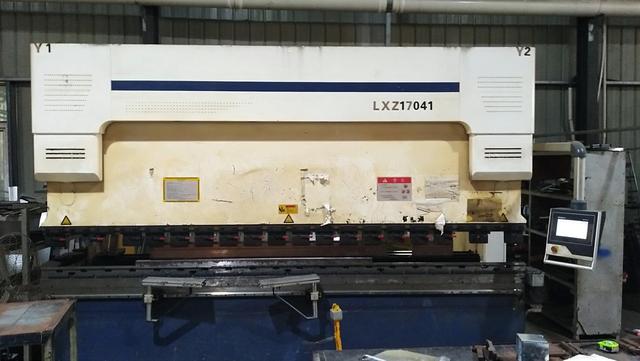
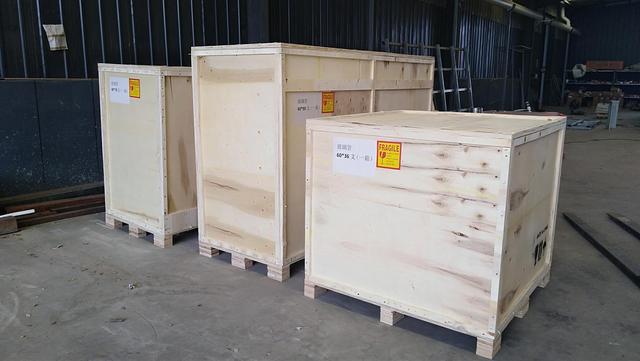
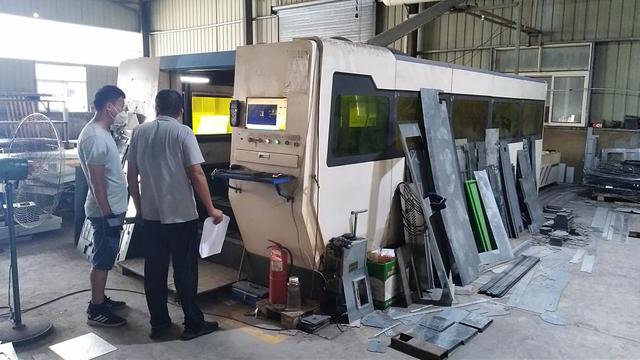
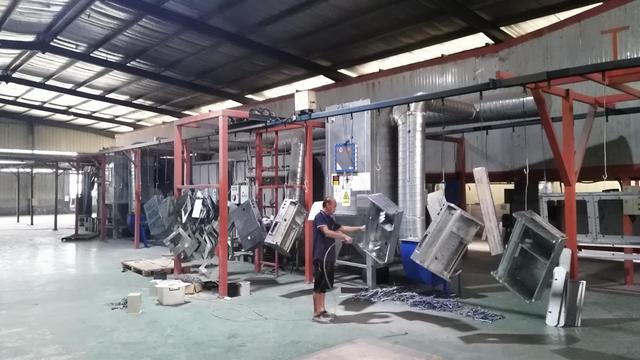
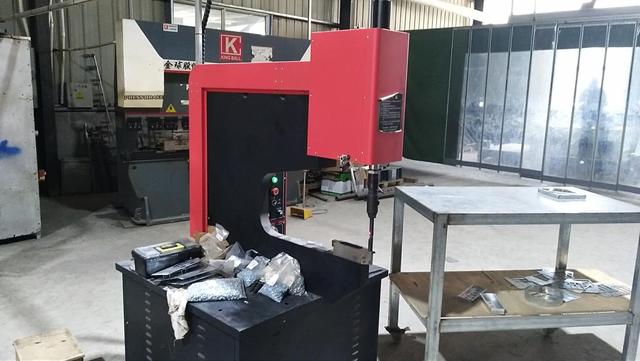
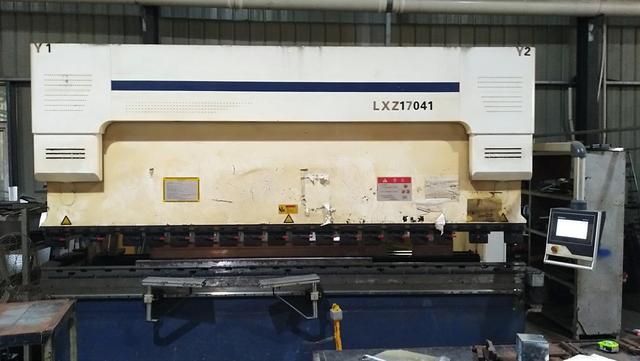
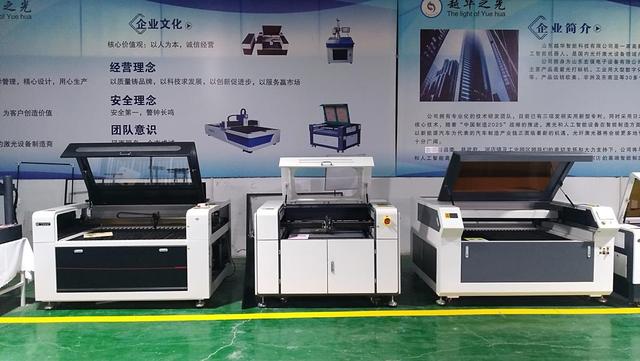
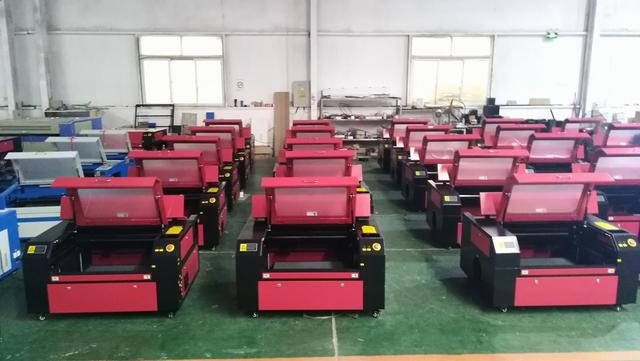
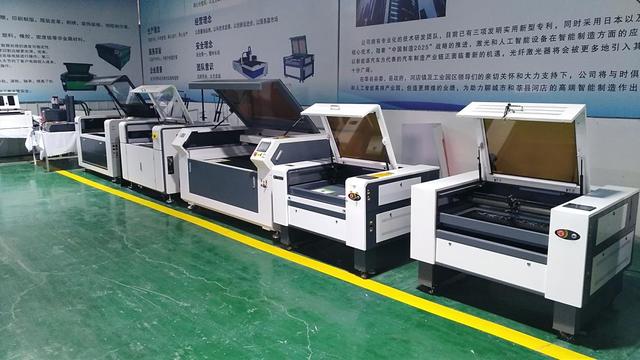
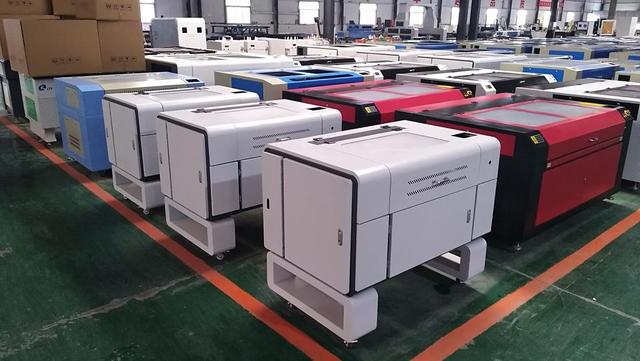
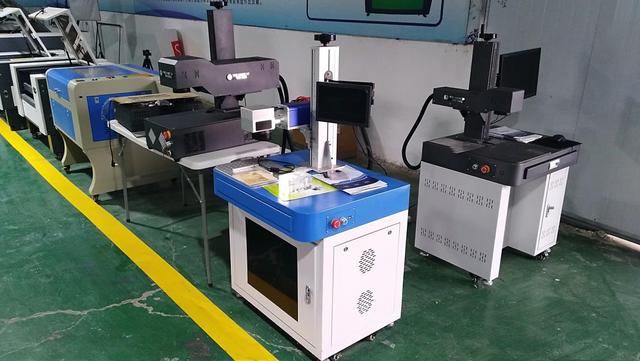
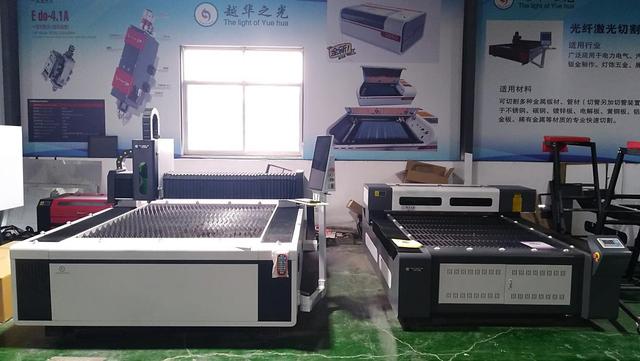
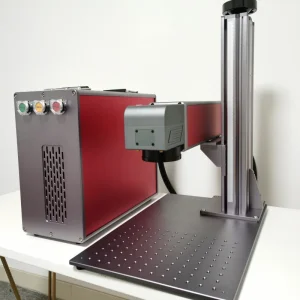
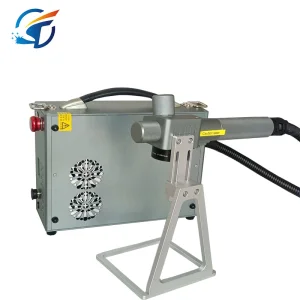
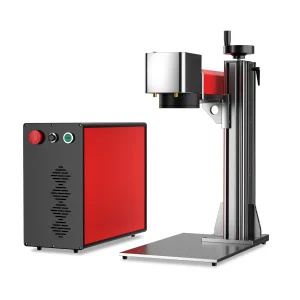
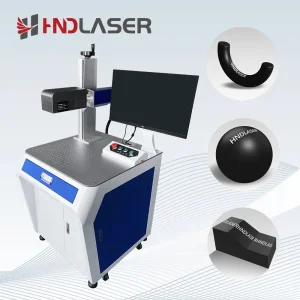
Our state-of-the-art production facility in Hangzhou is equipped with advanced optical testing chambers, clean rooms, and structural fabrication departments. Every MOPA system undergoes a 72-hour continuous aging test to ensure the laser source stability, galvo response time, and overall system longevity before exporting to Mexico. See our manufacturing workspace below:
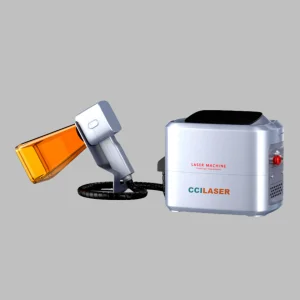
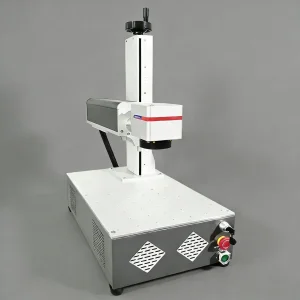
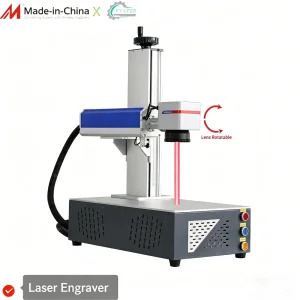
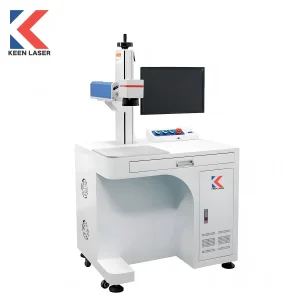
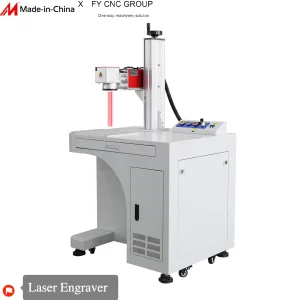
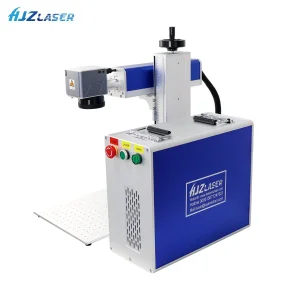
Gain insights from our applications team to make informed purchasing and operating decisions for MOPA laser hardware in Mexico.
 Kinray Laser