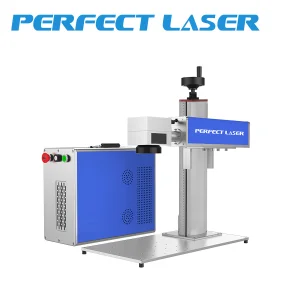
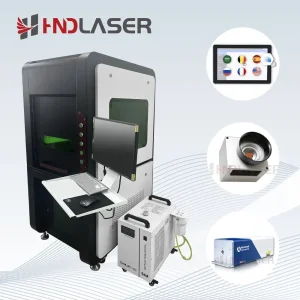
Advanced marking units optimized for Hamburg’s leading aerospace, maritime, and medical industries
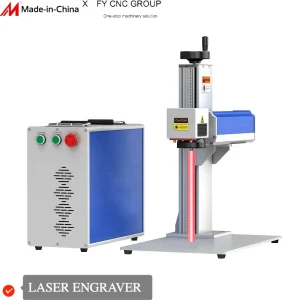
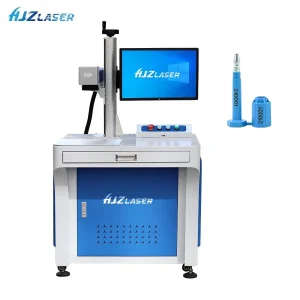
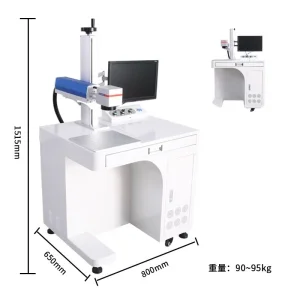
As the largest logistics hub in Germany and a critical center for global aviation (anchored by Airbus in Hamburg-Finkenwerder), Hamburg demands uncompromising engineering standards. The local manufacturing ecosystem—spanning aerospace components, marine engineering, medical devices (such as the Life Science Nord cluster), and high-reliability automotive assemblies—relies heavily on strict component traceability. This is where MOPA (Master Oscillator Power Amplifier) laser technology becomes indispensable.
Traditional Q-switched fiber lasers suffer from limitations in pulse parameters, often generating excessive heat that deforms delicate substrates. In contrast, MOPA laser marking systems provide independent control over pulse width (ranging from 1 to 350 ns) and frequency. This precise temporal pulse shaping allows local German manufacturers to perform structural alterations on materials without causing micro-cracking, thermal deformation, or surface corrosion.
Adjust pulse duration from 1ns to 350ns to precisely regulate the Heat Affected Zone (HAZ), eliminating melt-back on thin plastics and delicate metals.
Generate highly consistent chromium-oxide layers on stainless steel (V2A/V4A), leaving the material completely smooth and resistant to acid cleaners.
Operation frequencies up to 4000 kHz allow high-speed processing without compromising spot overlap, essential for high-throughput assembly lines.
Global procurement specialists in Northern Germany face stringent regulatory standards. The aerospace industry requires compliance with ATA Spec 2000 for direct part marking (DPM) on structural titanium and aluminum components. In the medical sector, the Medical Device Regulation (MDR) mandates the implementation of Unique Device Identification (UDI) codes on medical-grade stainless steel instruments. These codes must withstand hundreds of autoclaving cycles without degrading or rusting.
Kinray Laser’s MOPA systems, utilizing JPT M7 and Raycus MOPA sources, provide the precise optical parameters needed to achieve these permanent, compliant marks. Below is a comparative look at how MOPA technology is applied across critical manufacturing verticals:
| Industry Sector | Common Substrates | Marking Requirement | Optimal Pulse Width | MOPA Benefit |
|---|---|---|---|---|
| Aerospace | Titanium, Inconel, Carbon Fiber | Deep engraving & corrosion-free DPM | 60 – 120 ns | Prevents structural fatigue and preserves metallurgical integrity. |
| Medical Technology | Surgical Stainless Steel (316L) | Autoclave-resistant UDI coding | 4 – 15 ns | Maintains passive layer structure, preventing subsequent rust formation. |
| Consumer Electronics | Anodized Aluminum, Polymers | High-contrast white & black logos | 2 – 10 ns | Ablates or alters colors within the anodized layer without breaching down to raw metal. |
| Automotive | ABS Plastics, Copper, Alloy Steels | Day & Night backlight symbols, raw copper marking | 20 – 60 ns | High contrast marking without burning the plastic substrate. |
When procurement managers in Hamburg or Rotterdam source industrial laser marking systems, they look beyond the machine's price tag. Total Cost of Ownership (TCO), Mean Time Between Failures (MTBF > 100,000 operating hours), ease of automation interface (such as SDK/API support and Profinet integration), and strict compliance with EU Directives (Machinery Directive 2006/42/EC, Laser Safety Standards EN 60825-1) are the primary benchmarks. Our export team ensures that all exported systems undergo meticulous Quality Assurance and electrical testing configured to German VDE standards.
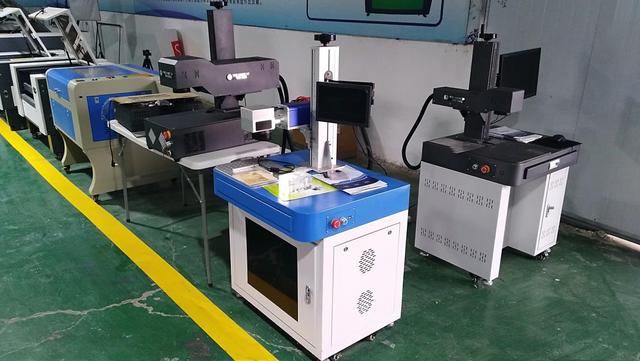
Hangzhou Kinray Laser Co., Ltd. is a leading China industrial laser marking machine manufacturer specializing in advanced fiber and UV laser solutions for global manufacturing industries. With a strong focus on innovation, precision, and intelligent manufacturing, Kinray Laser is committed to delivering high-performance laser equipment that improves production efficiency, product traceability, and marking quality.
Located in Hangzhou, China, the company integrates research and development, manufacturing, sales, and technical support to provide comprehensive laser processing solutions for customers worldwide. Our extensive product portfolio includes fiber laser marking machines, UV laser marking machines, CO2 laser marking systems, MOPA laser markers, flying laser marking machines, 3D laser marking equipment, and customized automated laser solutions.
Kinray Laser products are widely used in electronics, automotive, medical devices, precision hardware, jewelry, packaging, aerospace, consumer goods, and industrial manufacturing industries. Designed for high-speed, high-precision, and permanent marking applications, our systems are capable of processing a wide range of materials, including metals, plastics, ceramics, glass, and composite materials.
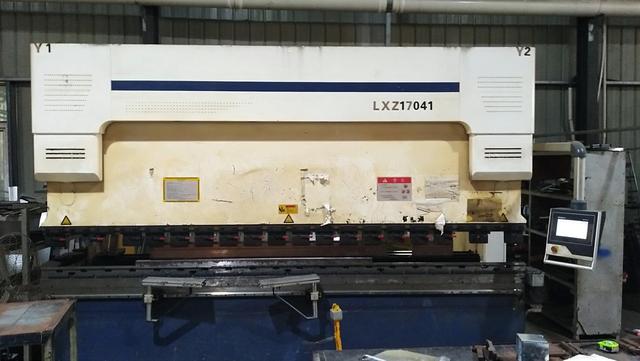
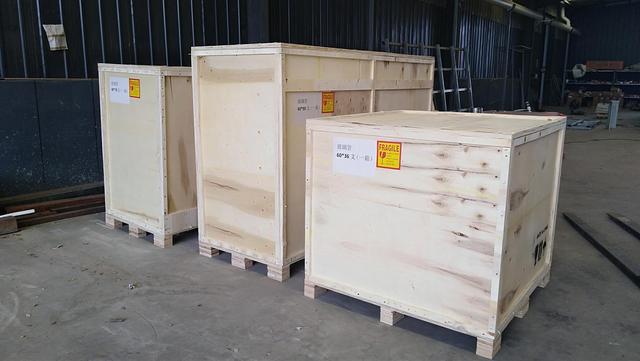
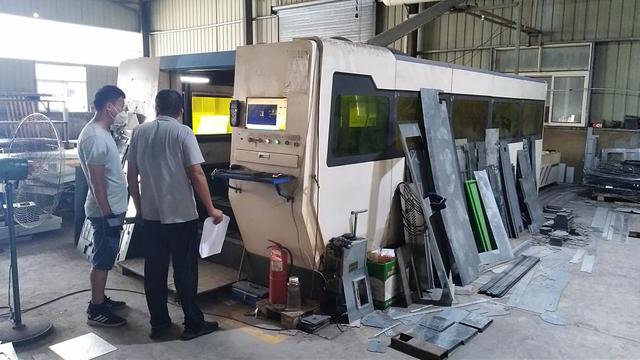
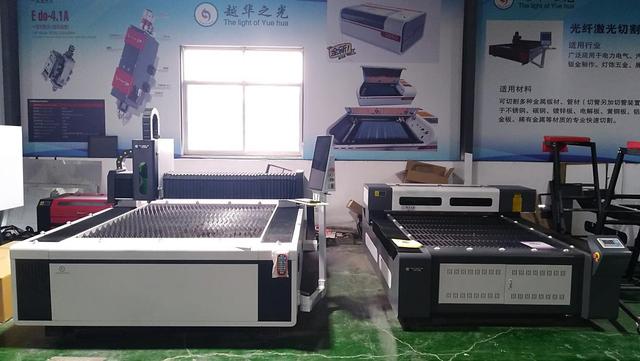
As industry standards transition towards the digitalization of smart factories (Industry 4.0), the requirements for marking systems are expanding. Future-proofing your manufacturing lines requires marking equipment designed for seamless fieldbus communication (Profinet, EtherCAT) and built-in diagnostic systems.
Development of laser sources operating in the picosecond regime, allowing cold processing of ultra-thin glass and multi-layered semiconductor wafers.
Real-time optical positioning feedback with inline camera inspection (vision system detection) to prevent marking misalignments on micro-electronics.
Integration of OPC UA protocol stacks into the laser controller software, enabling direct cloud logging and predictive maintenance analytics.
Operating laser equipment in the EU requires compliance with CE and DIN standards. All our exported MOPA systems are designed with high-quality isolation components to resist electromagnetic interference (EMI). We offer optional Class 1 fully enclosed safety workstations with safety interlocks, certified viewing windows (protecting against 1064nm wavelengths), and integrated fume extractors to meet occupational health rules (Gefahrstoffverordnung).
Select from our complete range of certified CNC marking, engraving, and coding equipment
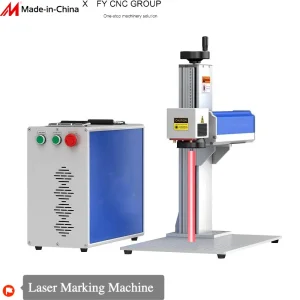
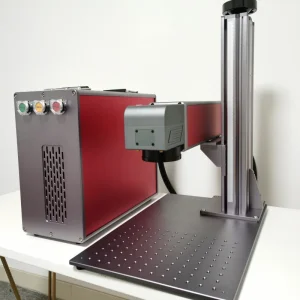
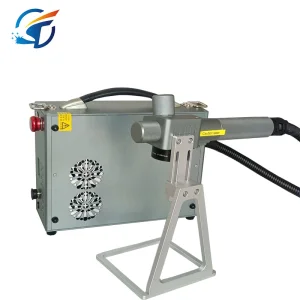
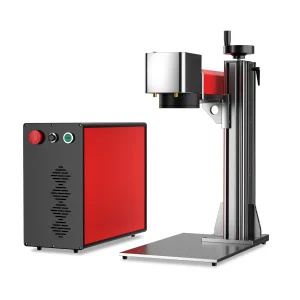
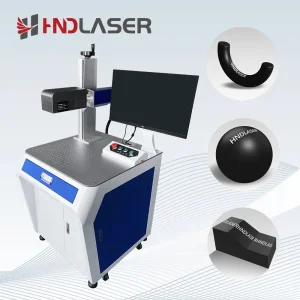
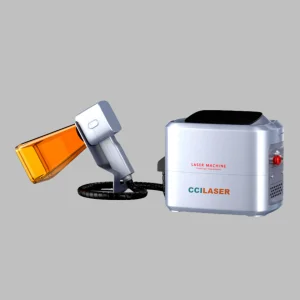
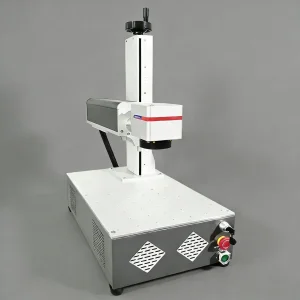
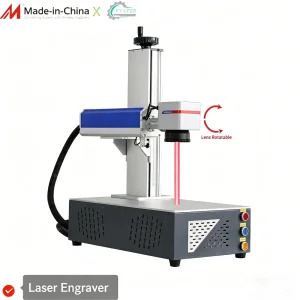
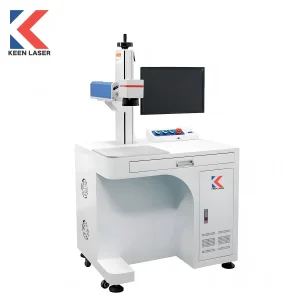
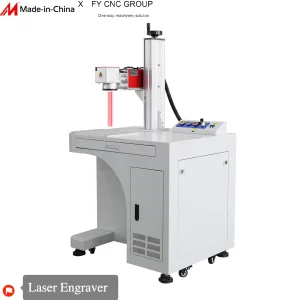
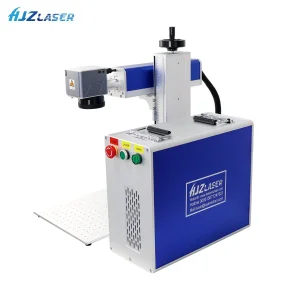
Technical guidance and application engineering support for industrial laser selection
A standard Q-switched laser has fixed pulse durations (typically around 100ns) and limited frequency ranges (20-80 kHz). A MOPA laser uses a Master Oscillator Power Amplifier design that allows independent control over both pulse width (from 1ns to 350ns) and frequency (up to 4000 kHz). This flexibility lets you adjust the energy density and thermal impact on the material, enabling black marking on anodized aluminum and color marking on stainless steel without destroying the protective surface oxide layer.
By using short, highly controlled pulses and high frequencies, the MOPA laser heats the surface of the stainless steel to create a thin, uniform oxide layer. The thickness of this oxide layer determines the color generated through light interference. By adjusting laser speed, power, frequency, and pulse width, you can create a wide spectrum of stable colors without removing material or reducing corrosion resistance.
Yes. In fact, MOPA technology is the industry standard for medical-grade stainless steel marking (UDI compliance). By using short pulse widths (4-15 ns), it creates high-contrast black marks without disturbing the passive chromium oxide layer of the steel. This preserves the material's resistance to corrosion, meaning the markings remain legible and rust-free even after hundreds of autoclave sterilization cycles.
We supply both Class 4 open systems (designed for integration into production lines with external shielding) and Class 1 fully enclosed workstation cabins. Our Class 1 systems feature safety interlock switches, certified safety glass, and built-in exhaust ports, complying with EU Machinery Directive 2006/42/EC and EN 60825-1 laser safety standards.
Contact our engineering and procurement team today to request a material testing report, custom automation design, or a formal quote.
Send Inquiry Now Kinray Laser