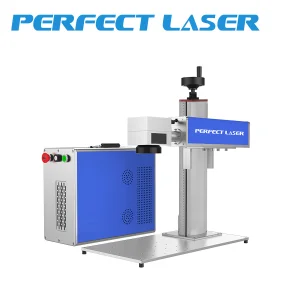
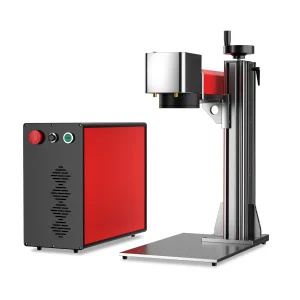
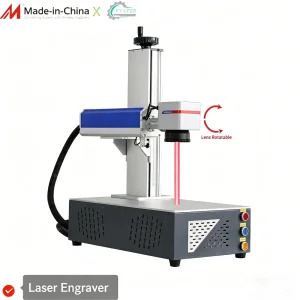
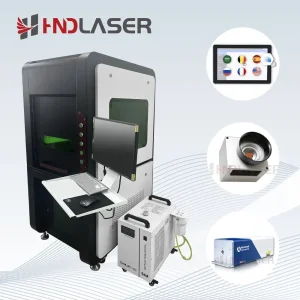
Direct from China's leading engineering hub to Baku’s growing commercial sectors. High pulse-frequency flexibility for complex surface treatments.
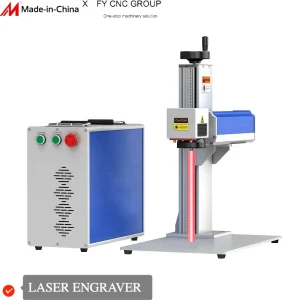
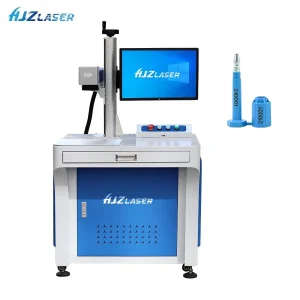
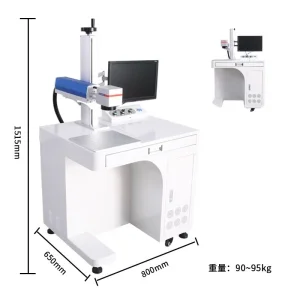
Azerbaijan is undergoing a strategic economic transformation. Guided by national industrialization initiatives and the growth of Special Economic Zones (SEZs)—such as the Alat Free Economic Zone (AFEZ) and the Sumgait Technologies Park (STP)—manufacturing is rapidly shifting from primary oil and gas extraction towards advanced processing, electrical engineering, metal construction, and domestic packaging.
This macro-economic pivot has generated unprecedented demand for permanent marking, precise asset tracking, and regulatory serialization. Whether marking pipelines for SOCAR, coding polymeric electrical cables in STP, or branding agricultural and caviar packaging, local enterprises require high-speed marking solutions capable of operating in demanding Caspian climates. MOPA (Master Oscillator Power Amplifier) fiber lasers offer the dynamic pulse configuration required to satisfy both GOST-standard certifications and modern ISO compliance.
A technical comparison for manufacturing managers seeking process control over material deformation and color generation.
In standard Q-switched fiber lasers, the pulse width (duration) is fixed (usually between 100ns to 120ns), limiting processing control on sensitive substrates. MOPA technology utilizes a seed laser coupled with a fiber amplifier, allowing developers to adjust the pulse width from 2ns to 500ns, and frequency up to 4000 kHz.
This control over temporal pulse shaping reduces the Heat-Affected Zone (HAZ) on thin metals and polymers. By utilizing ultra-short pulses (e.g., 2ns–10ns), you can mark plastics and delicate medical stainless steel without causing structural deformation or corrosion-prone oxide layers. Conversely, extending the pulse duration enables deep engraving on structural steel parts used in Caspian offshore rigs.
| Feature Parameter | Kinray MOPA Laser Systems (JPT M7 / Raycus MOPA) | Standard Q-Switched Fiber Lasers | Azerbaijan Application Relevance |
|---|---|---|---|
| Pulse Width Adjustability | Variable: 2 ns to 500 ns | Fixed: ~100 ns to 150 ns | Necessary for damage-free marking on delicate electrical polymer sheaths. |
| Repetition Frequency Range | 1 kHz to 4,000 kHz | 20 kHz to 80 kHz (limited) | Higher frequencies enable high-speed continuous industrial marking. |
| Color Engraving on Stainless Steel | Supported (precise control over thin-film oxide layers) | Not supported (crude thermal oxidation only) | High-end cosmetic marking for architectural and local retail products. |
| Black Marking on Anodized Aluminum | Exceptional (fine grain structural control, no bare metal exposure) | Greyish/poor contrast (strips away anodized layer) | Mobile electronics assemblies and localized telecom device branding. |
| Heat Affected Zone (HAZ) | Minimal (cold marking configurations) | Significant (high risk of thermal distortion) | Critical for precise instrumentation panels in Baku refineries. |
By investing in MOPA technology, manufacturing facilities in Baku do not need separate systems for plastic marking, color stainless steel engraving, and bare metal ablation. A single Kinray MOPA laser acts as a multi-wavelength simulator through variable pulse control.
Perfect for localized fabrication shops, custom jewelry design houses in Baku's historical center, and electronics integration plants.
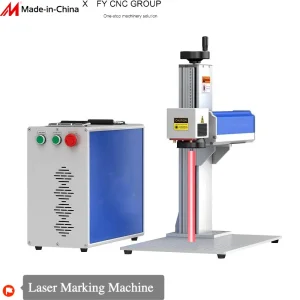
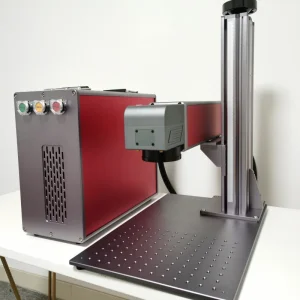
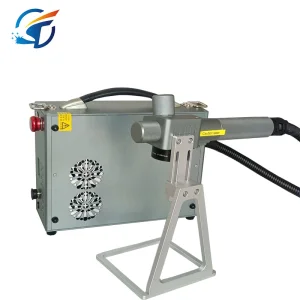
Engineered to adapt to the unique operating realities, material specifications, and regulatory frameworks of trans-Caspian manufacturing.
Integration with high-speed production lines. Low thermal pulses permit crisp, high-contrast black marking on HDPE/PVC cable sheathing without degrading the insulation properties of wire harnesses.
With high-wattage configurations (up to 100W), engineers execute deep engraving (up to 1.5mm) on structural steel valves, oil transport lines, and subsea flange components to resist saline degradation.
Azerbaijan's growing luxury goods, metal structure fabrication, and souvenir industries benefit from oxidation-controlled steel color engraving, generating vivid, non-fading logos and labels.
Purchasing directly from Hangzhou Kinray Laser Co., Ltd. connects industrial buyers in Azerbaijan to the epicenter of high-tech laser R&D. China's mature photonics ecosystem yields significant cost and performance benefits over European-built equipment.
By leveraging our deep partnerships with primary component manufacturers like JPT, Raycus, and IPG, alongside domestic optical scanner and software developers, Kinray delivers systems with a lower Total Cost of Ownership (TCO). All laser components undergo a continuous 72-hour burn-in phase and optical calibration before shipping.
Additionally, the commercial corridors connecting China and Azerbaijan via the Middle Corridor (Trans-Caspian East-West Trade Route) ensure secure, duty-efficient freight options directly into Baku customs hubs via rail and sea, shortening lead times compared to standard logistics channels.
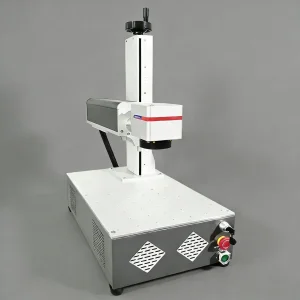
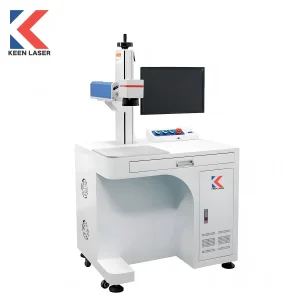
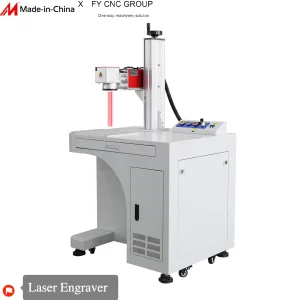
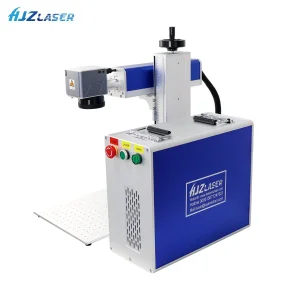
Explore our complete catalog of industrial, handheld, and 3D Galvo laser marking machines engineered for maximum operational uptime.
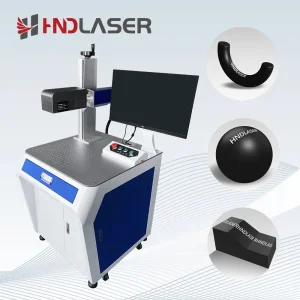
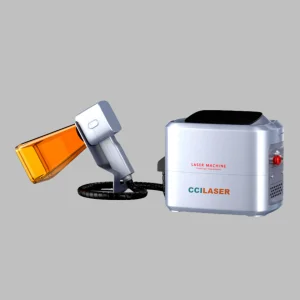
Essential selection criteria for engineers and procurement managers managing technology lifecycle costs.
The core engine (e.g., JPT M7 source or Raycus MOPA) determines the signal stability of the system. Systems built with genuine optical isolators prevent back-reflection damage when processing high-reflectivity metals like copper, gold, or brass.
Kinray incorporates high-speed digital Sino-Galvo scan heads. By utilizing optical encoder sensing, these heads prevent thermal drift during long shifts, maintaining accuracy under 10 microradians.
Modern production facilities require connection to MES (Manufacturing Execution Systems) and ERP systems. Our systems utilize EzCad3 software and fully support industrial SDKs, facilitating automated text, barcoding, and datamatrix generation linked to SQL databases.
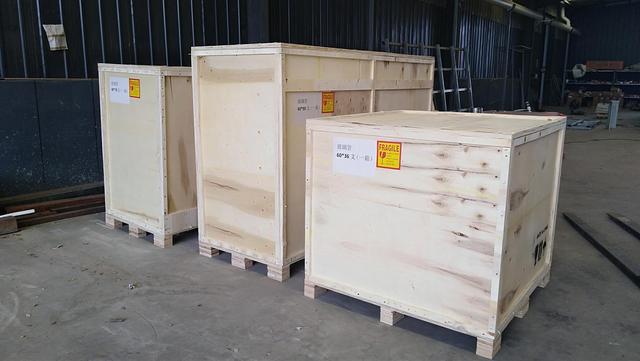
For industrial buyers located in Baku, Ganja, or Sumgait, Kinray Laser offers direct shipping models via regular Trans-Caspian multimodal corridors. Transit options include:
Engineering responses to common deployment and maintenance questions for MOPA laser platforms.
China's leading industrial developer of high-precision material processing systems.
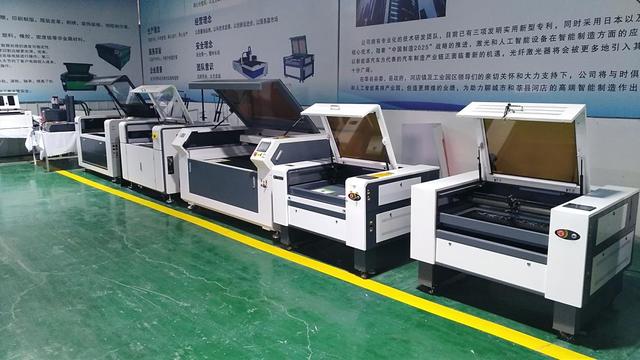
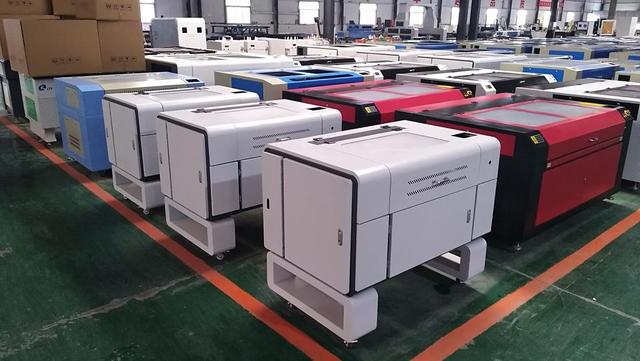
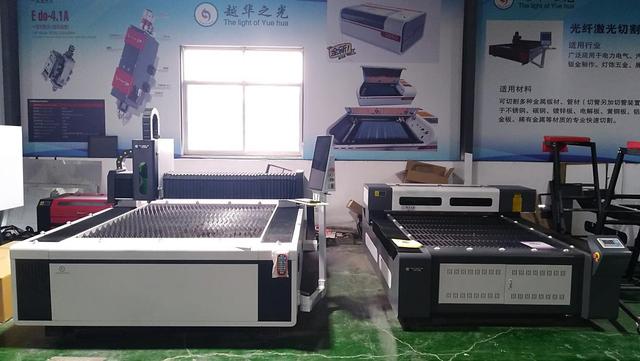
Hangzhou Kinray Laser Co., Ltd. is a leading China industrial laser marking machine manufacturer specializing in advanced fiber and UV laser solutions for global manufacturing industries. With a strong focus on innovation, precision, and intelligent manufacturing, Kinray Laser is committed to delivering high-performance laser equipment that improves production efficiency, product traceability, and marking quality.
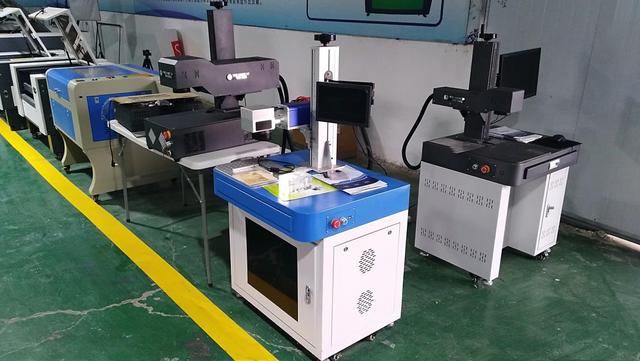
Located in Hangzhou, China, the company integrates research and development, manufacturing, sales, and technical support to provide comprehensive laser processing solutions for customers worldwide. Our extensive product portfolio includes fiber laser marking machines, UV laser marking machines, CO2 laser marking systems, MOPA laser markers, flying laser marking machines, 3D laser marking equipment, and customized automated laser solutions.
Kinray Laser products are widely used in electronics, automotive, medical devices, precision hardware, jewelry, packaging, aerospace, consumer goods, and industrial manufacturing industries. Designed for high-speed, high-precision, and permanent marking applications, our systems are capable of processing a wide range of materials, including metals, plastics, ceramics, glass, and composite materials.
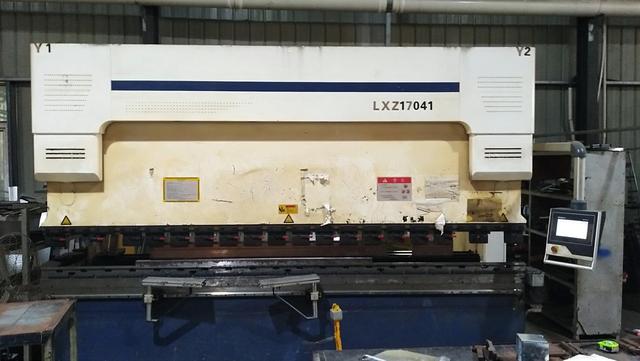
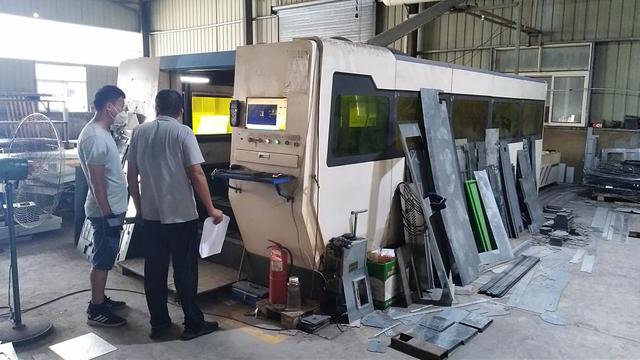
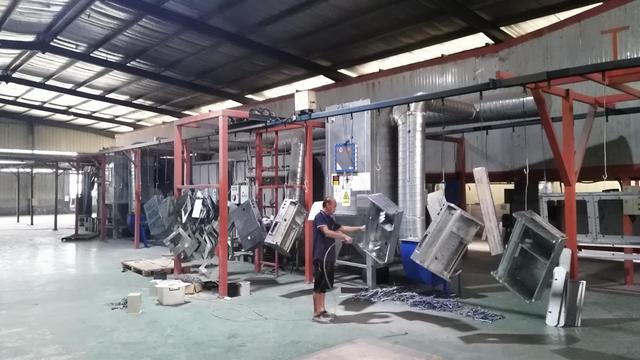
Equipped with advanced production facilities and rigorous quality management systems, Kinray Laser maintains strict quality control throughout every stage of manufacturing. Each machine undergoes comprehensive testing to ensure stable performance, reliability, and compliance with international standards.
To support global customers, we offer flexible OEM and ODM services for distributors, system integrators, equipment brands, and industrial manufacturers. Our experienced engineering team works closely with customers to develop customized laser solutions tailored to specific production requirements, automation needs, and industry applications.
Driven by technological innovation and customer satisfaction, Hangzhou Kinray Laser Co., Ltd. continues to expand its global presence and strives to become a trusted partner for intelligent laser processing solutions, helping manufacturers achieve smarter, more efficient, and sustainable production.
 Kinray Laser