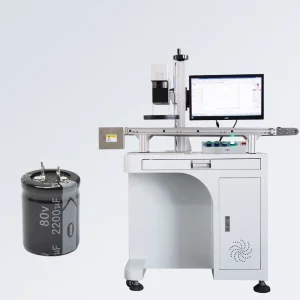
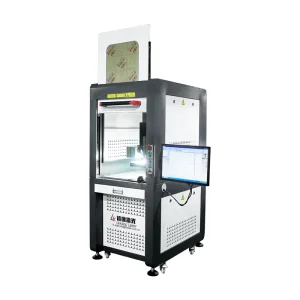
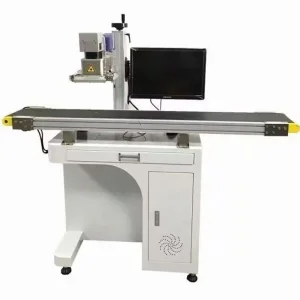
Explore our leading vision positioning and auto-alignment laser marking machines customized for Denmark's strict quality, traceability, and medical-grade production requirements.
Denmark has built a global reputation for high-value advanced manufacturing, environmental sustainability, and rigorous quality metrics. From the life science hubs of Copenhagen and Zealand to the precision engineering and wind turbine sectors in Jutland, Danish factories operate on the leading edge of Industry 4.0. In these high-tech environments, conventional mechanical fixturing for laser engraving is no longer sufficient. Precision demands visual intelligence.
The implementation of vision-guided laser marking systems addresses critical challenges in modern Danish manufacturing:
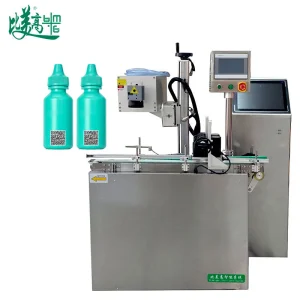
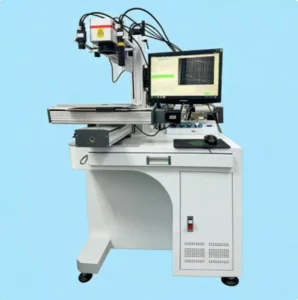
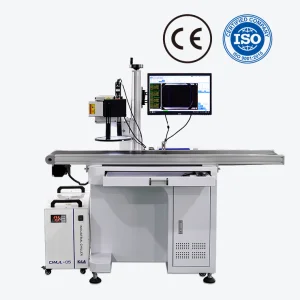
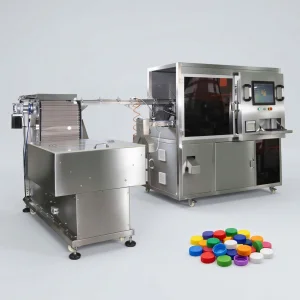
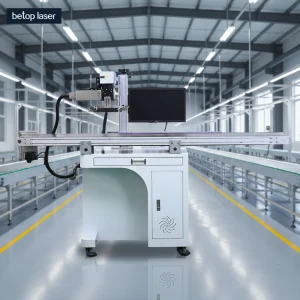
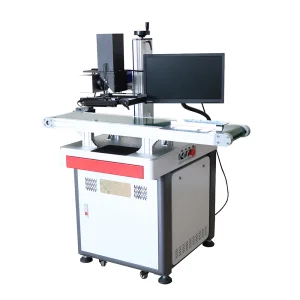
Our vision-guided laser marking machines integrate high-resolution industrial CCD cameras, telecentric lenses, and powerful image processing algorithms directly with the laser control board. The machine captures an image of the incoming parts, recognizes their orientation, position, and geometry, and calculates coordinates in real-time.
Key technical components include:
Instantly corrects angular (theta) and linear (X/Y) offsets. Ideal for high-density components on automated production lines without requiring fixture jigs.
Reads and logs QR codes, Barcodes, and alphanumerics instantly. Integrates with industry standard protocol stacks and MES architectures for complete traceability.
Processing and laser firing sequences occur in milliseconds. Streamlines throughput by removing manual alignment steps and part orientation bottlenecks.
Hangzhou Kinray Laser Co., Ltd. is a leading China industrial laser marking machine manufacturer specializing in advanced fiber, UV, and CO2 laser solutions for global manufacturing industries. Located in the innovation-rich city of Hangzhou, China, our company integrates world-class research and development, engineering, high-capacity manufacturing, global sales, and ongoing technical support.
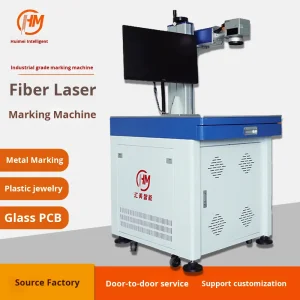
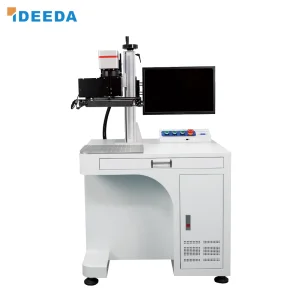
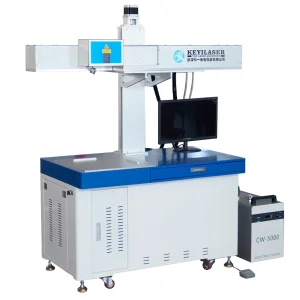
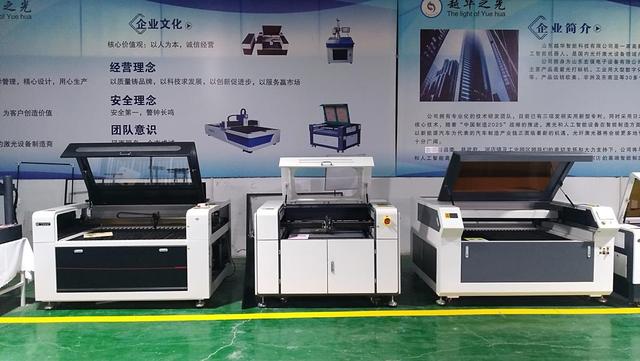
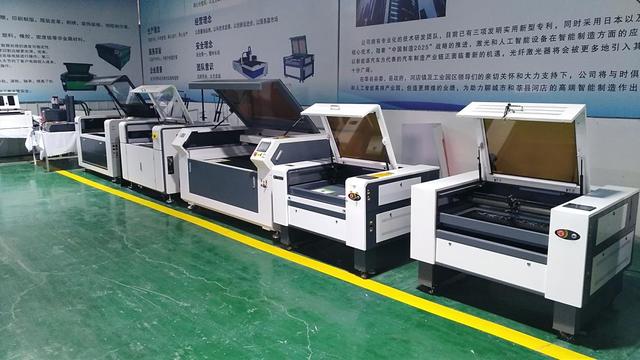
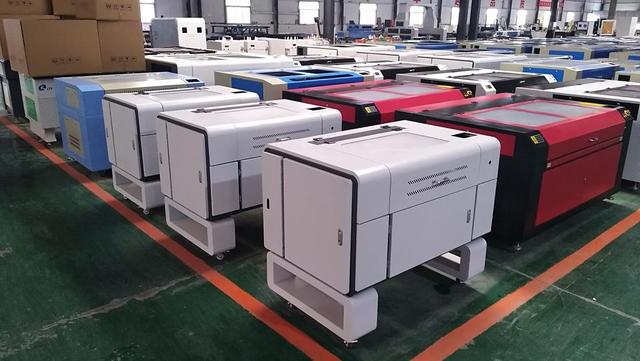
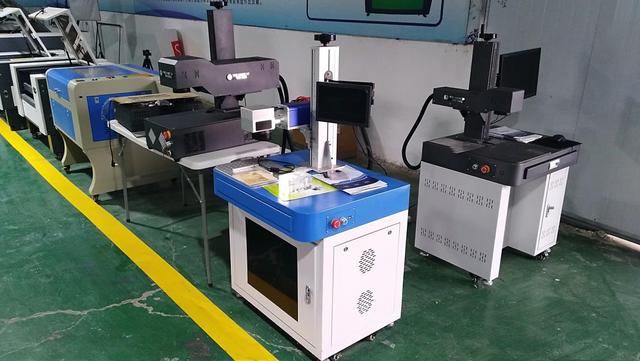
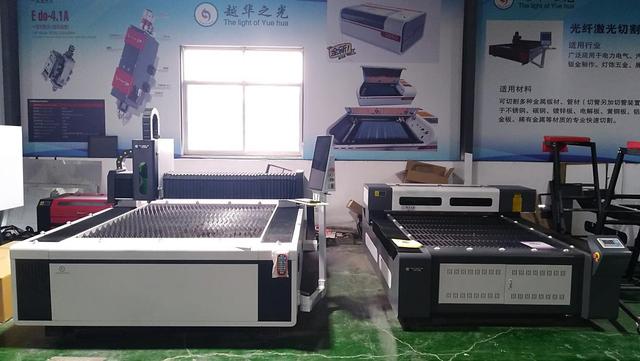
Our comprehensive portfolio, engineered for Danish and global markets, includes fiber laser marking machines, UV laser marking machines, CO2 laser marking systems, MOPA laser markers, high-speed flying laser marking machines, 3D dynamic-focus laser marking equipment, and completely customized automation cells. Kinray Laser systems are engineered for high-speed, high-precision, and permanent marking on challenging materials including engineering plastics, medical metals, optical glass, silica, and laminated composites.
Procuring industrial machinery from Kinray Laser allows Danish integrators and factories to combine the commercial advantages of Chinese industrial scaling with the rigorous engineering standards expected in Western Europe:
We understand that importing machinery into Denmark requires strict adherence to European regulations. Kinray Laser machines are built with international standards at their core:
Read through expert answers regarding operations, technical integration, customs clearance, and localization support for our vision-guided laser marking systems.
How does the CCD vision system handle parts scattered at random angles?
Our vision systems utilize pattern matching algorithms that analyze the geometric features of the product contour. Once the target template is stored, the CCD camera captures the full field of view (FOV), detects the offset angle (up to 360 degrees) and position (X and Y coordinates), and adjusts the marking pattern in milliseconds before firing the laser. No manual centering is required.
Can these laser systems integrate directly into pre-existing Danish conveyor assembly lines?
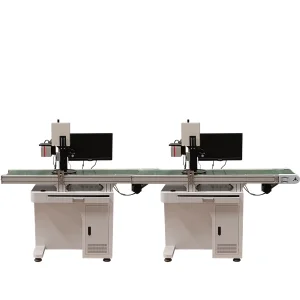
Yes. We offer fully integrated fly-marking setups with standard industrial communications (I/O, TCP/IP, Modbus, Profinet). The optical sensor detects line velocity, while the camera handles spatial positioning on-the-fly, allowing rapid, uninterrupted processing on moving conveyors.
What safety certifications do you provide for importing into Denmark?
We provide full CE declaration certificates, complying with EU Machinery Safety Standards (EN ISO 12100), Laser Safety Standards (EN 60825-1), and electrical standards. If your factory has specific local Danish work environment safety requirements (Arbejdstilsynet standards), we can adapt our system housings and interlocks to meet those parameters.
How is technical support and training handled for Denmark-based engineers?
We provide comprehensive English language remote diagnostics via secure VPN connections. Our engineering team handles virtual commissioning, software calibration training, and system checks. For major installations, physical technical representatives can be dispatched or local European service partners can assist.
Which laser wavelength is ideal: Fiber, UV, or CO2?
Fiber lasers (1064nm) are excellent for high-density metals and hard plastics. UV lasers (355nm) are perfect for cold marking plastics, glass, and sensitive medical materials without thermal damage. CO2 lasers (10600nm) are best suited for organic materials such as wood, paper, textiles, and acrylic. Our engineering team is happy to test-mark your product samples to find the optimal source.
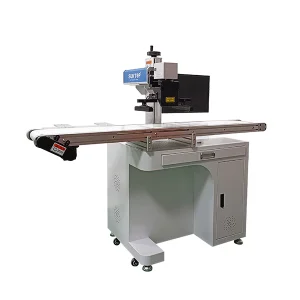
Select from our comprehensive industrial portfolio, engineered to scale with your production volume and factory floor requirements.
Ready to optimize your assembly lines with advanced vision marking systems?
Send Inquiry Now Kinray Laser