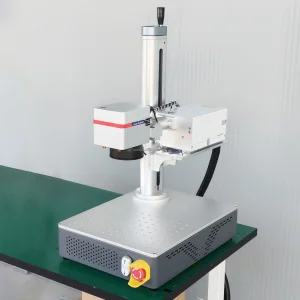
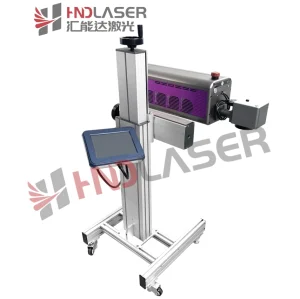
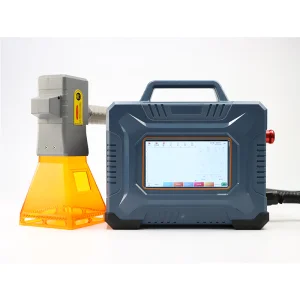
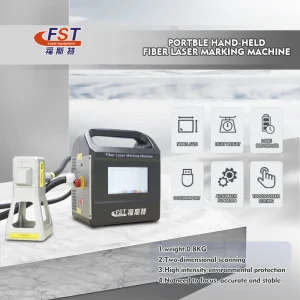
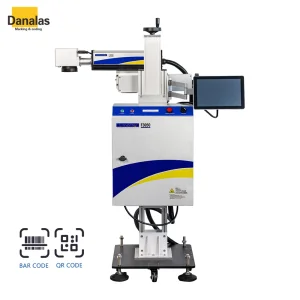
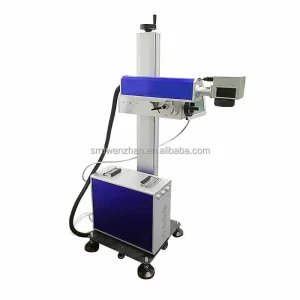
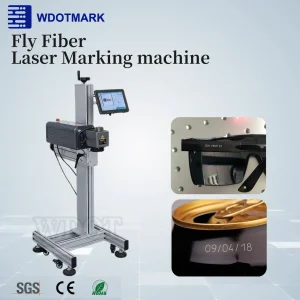
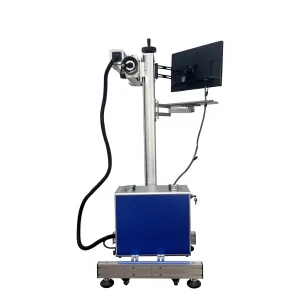
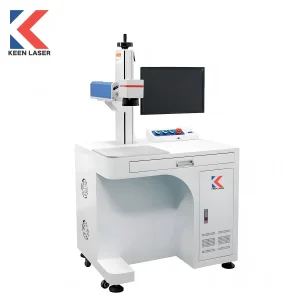
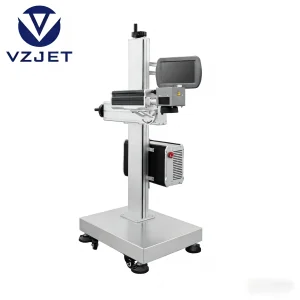
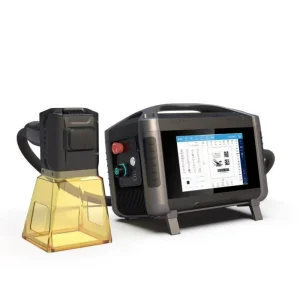
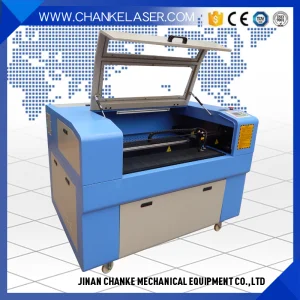
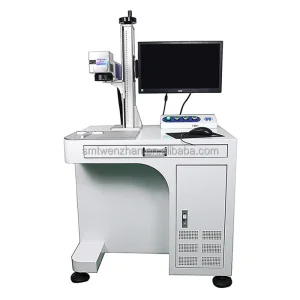
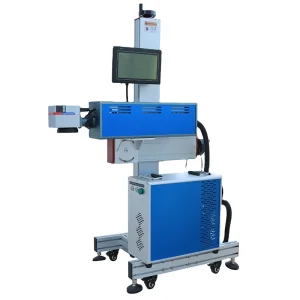
Explore our core range of high-efficiency industrial laser markers and processing systems, built for automated integration and high reliability.
Global manufacturing is undergoing a paradigm shift. Traditional 2D flatbed cutting systems are no longer sufficient to meet the geometrical complexities demanded by modern aerospace, automotive body-in-white (BIW), and medical device production. Complex, multi-layered, and hydroformed structural components require highly dynamic spatial processing.
3D Laser Cutting Systems, featuring five-axis mechanical linkage or advanced dynamic focusing optics, enable the precise trimming, beveling, and piercing of complex curved surfaces in a single setup. This minimizes part-handling cycles and eliminates the need for expensive mechanical stamping dies, significantly shortening product development pipelines.
As a leading 3D laser supplier, we specialize in delivering systems that achieve micron-level precision across highly complex spatial contours. By integrating robust optical paths with intelligent multi-axis motion controls, our machinery meets the demands of high-throughput global assembly lines.
Precise processing of high-strength hot-formed steel structural members without inducing micro-cracks or heat-affected zone (HAZ) damage.
Trimming and drilling combustor liners, turbine blades, and auxiliary duct systems made from superalloys like Inconel and Titanium.
Achieving stable, long-term operational repeatability requires high-quality engineering. Here is a breakdown of our advanced system features.
Real-Time Tool Center Point (RTCP) rotation kinematics dynamically adjust the focal position to maintain perpendicular alignment with 3D paths, even at high acceleration.
Equipped with high-performance optical isolators that prevent reverse reflections from reflective metals like copper and brass, protecting the laser cavity.
Integrated camera tracking locates fiducial markers in real-time, allowing the control software to correct coordinate offsets automatically before cutting.
Importing industrial laser equipment into highly regulated markets requires strict adherence to international safety and quality standards. Our 3D laser systems are certified compliant with the European Union's Machinery Directive 2006/42/EC, Low Voltage Directive 2014/35/EU, and EMC Directive 2014/30/EU.
Key safety systems implemented under our CE certification include:
By prioritizing these compliance standards, Hangzhou Kinray Laser Co., Ltd. ensures that every system exported is ready for quick custom clearance, safety inspection, and immediate deployment in factories worldwide.
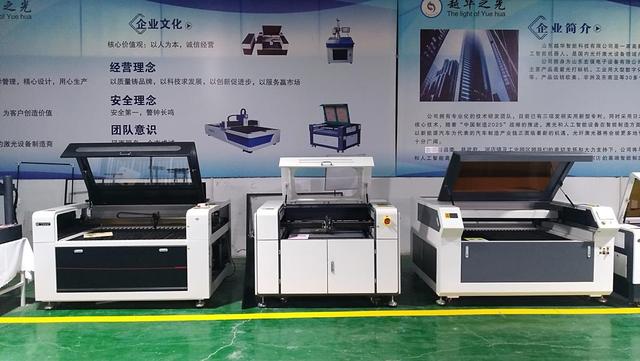
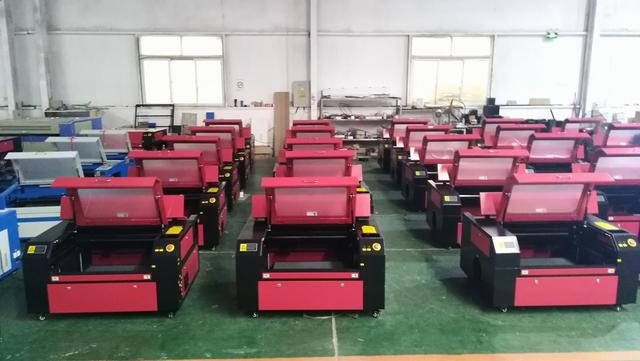
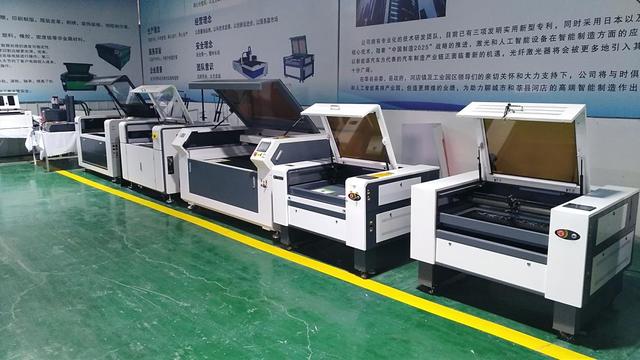
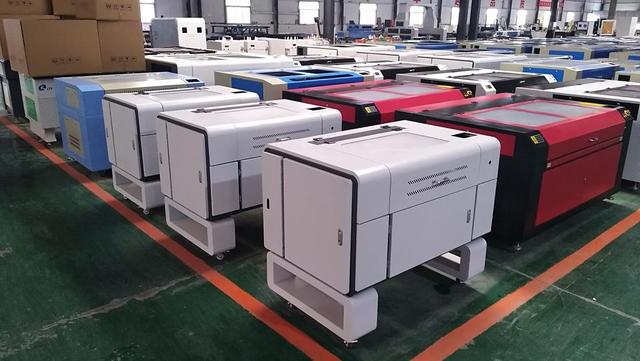
Hangzhou Kinray Laser Co., Ltd. is a leading China industrial laser marking machine manufacturer specializing in advanced fiber and UV laser solutions for global manufacturing industries. With a strong focus on innovation, precision, and intelligent manufacturing, Kinray Laser is committed to delivering high-performance laser equipment that improves production efficiency, product traceability, and marking quality.
Located in Hangzhou, China, the company integrates research and development, manufacturing, sales, and technical support to provide comprehensive laser processing solutions for customers worldwide. Our extensive product portfolio includes fiber laser marking machines, UV laser marking machines, CO2 laser marking systems, MOPA laser markers, flying laser marking machines, 3D laser marking equipment, and customized automated laser solutions.
Kinray Laser products are widely used in electronics, automotive, medical devices, precision hardware, jewelry, packaging, aerospace, consumer goods, and industrial manufacturing industries. Designed for high-speed, high-precision, and permanent marking applications, our systems are capable of processing a wide range of materials, including metals, plastics, ceramics, glass, and composite materials.
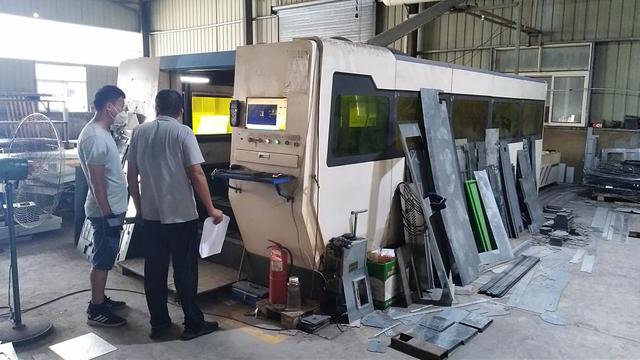
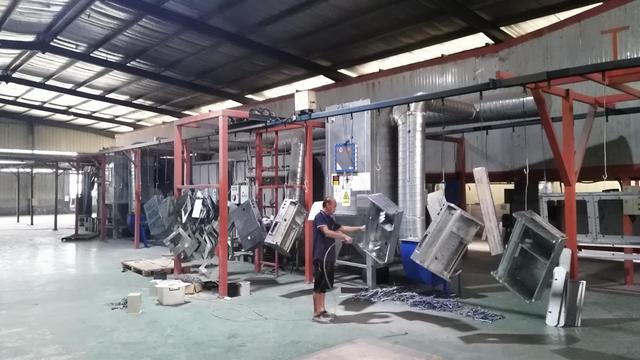
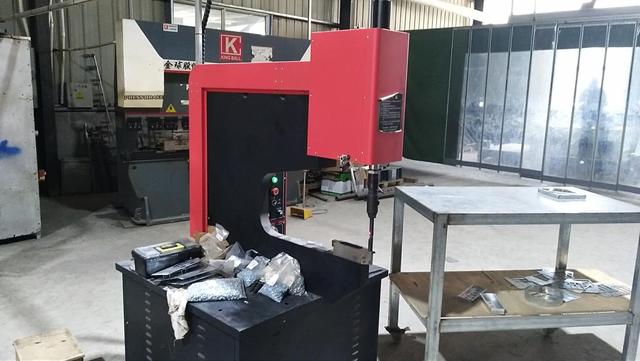
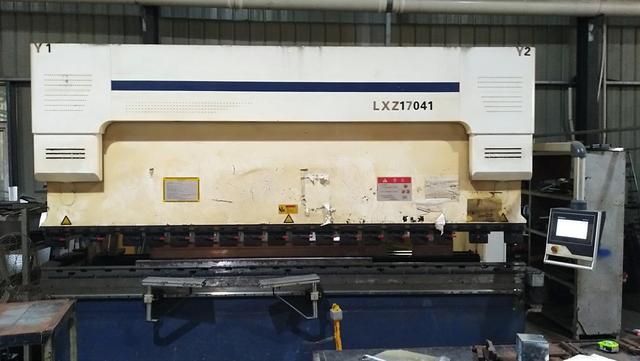
Equipped with advanced production facilities and rigorous quality management systems, Kinray Laser maintains strict quality control throughout every stage of manufacturing. Each machine undergoes comprehensive testing to ensure stable performance, reliability, and compliance with international standards.
To support global customers, we offer flexible OEM and ODM services for distributors, system integrators, equipment brands, and industrial manufacturers. Our experienced engineering team works closely with customers to develop customized laser solutions tailored to specific production requirements, automation needs, and industry applications. Driven by technological innovation and customer satisfaction, Hangzhou Kinray Laser Co., Ltd. continues to expand its global presence and strives to become a trusted partner for intelligent laser processing solutions.
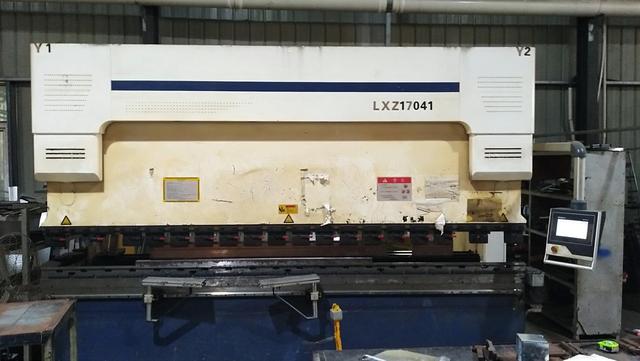
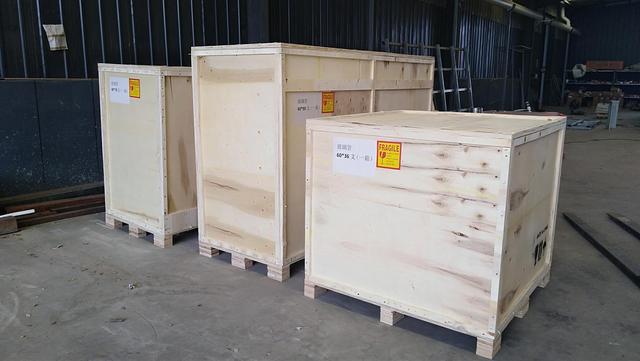
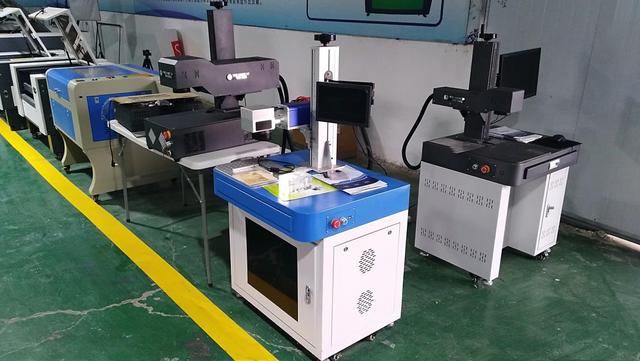
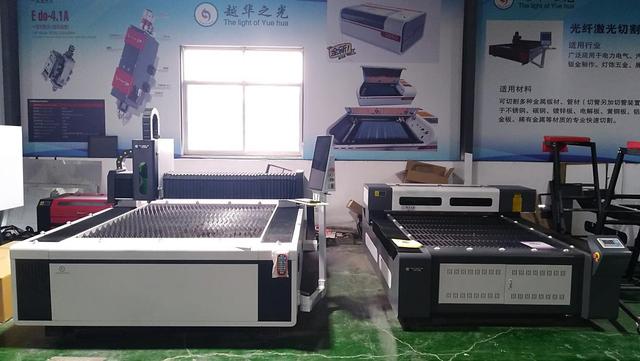
We are continuously refining our laser systems to stay at the forefront of speed, accuracy, and automation.
Development of neural-network-based motion planning systems. Real-time path optimization calculates cutting paths dynamically, shortening cycles and lowering mechanical wear.
Expanding the product lineup to support cold ablation processing, minimizing thermal stress on delicate multi-layer composite structures.
Integrating OPC UA and MQTT protocols into all machines to enable real-time telemetry tracking, predictive wear alerts, and automated diagnostic workflows.
Get answers to common questions about technical specifications, compliance, and international shipping for 3D laser machines.
Select from our range of high-precision fiber, UV, and CO2 laser machines designed for varied industrial environments.
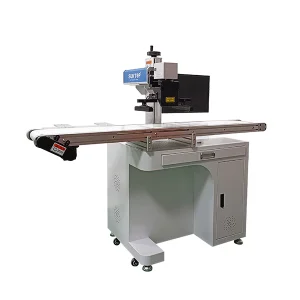
 Kinray Laser