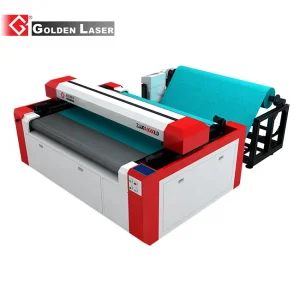
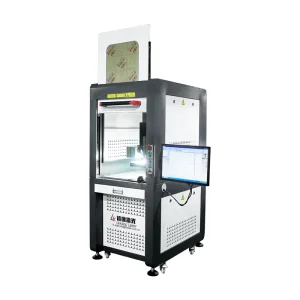
High-performance configurations certified for absolute safety, operational longevity, and seamless production line integration.
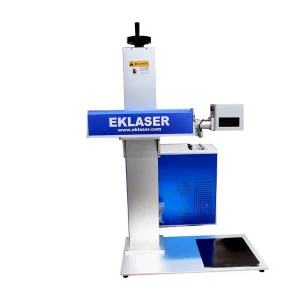
In the era of Industry 4.0, traceability, precision, and processing efficiency have become critical performance metrics across global manufacturing lines. Laser application modules—integrating high-precision laser sources, advanced galvanometers, localized control architectures, and specialized software interfaces—form the heart of modern marking, engraving, coding, and micro-machining ecosystems. The global market is transitioning rapidly from monolithic, static engraving setups to dynamic, modular, and deeply integrated laser application systems that sync directly with factory automation protocols.
As international supply chains become more sophisticated, the demand for CE-certified laser application modules has surged. Compliance with European safety standards (CE certification) is no longer just a regulatory box to check; it is a critical benchmark indicating robust engineering, electromagnetic compatibility (EMC), and operational safety in high-stress industrial environments. Global enterprises require equipment that can run 24/7 without degrading laser power, losing precision, or exposing operators to hazardous scattered radiation. Kinray Laser addresses these market mandates by engineering ruggedized, modular architectures designed for seamless drop-in integration into automotive, electronics, medical device, and packaging lines.
Exporting high-precision laser modules requires strict adherence to international safety profiles. CE marking verifies that products sold in the European Economic Area (EEA) have been assessed to meet high safety, health, and environmental protection requirements. For industrial lasers, this specifically refers to:
Engineered for global standards, manufactured with local precision.
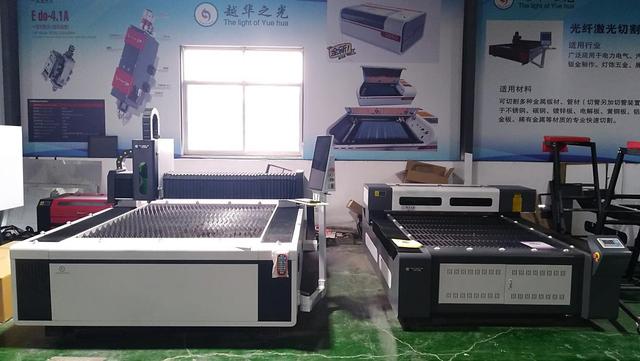
Located in Hangzhou, China—a premier global hub for high-technology development, software engineering, and optical manufacturing—Hangzhou Kinray Laser Co., Ltd. leverages a highly localized supply chain cluster. This physical proximity to key components (such as industrial optics, advanced optical fibers, and precise CNC machining facilities) allows us to significantly compress production times while maintaining strict control over build quality and material integrity.
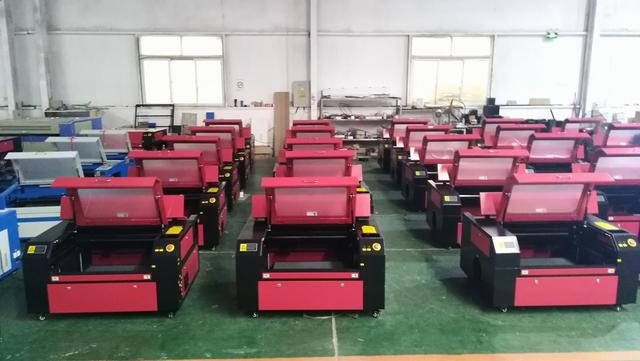
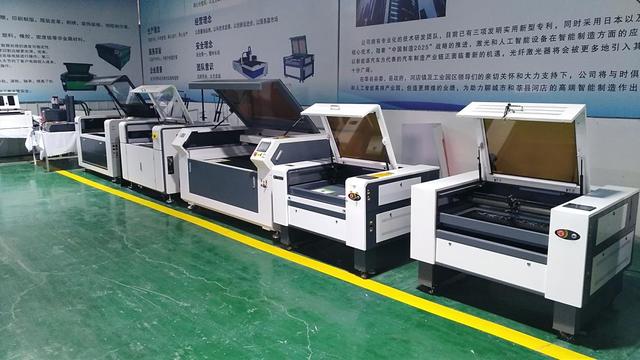
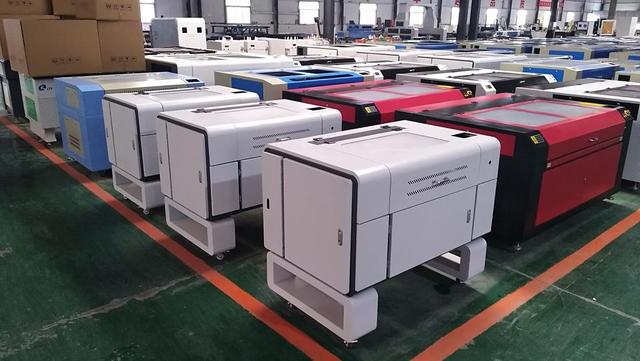
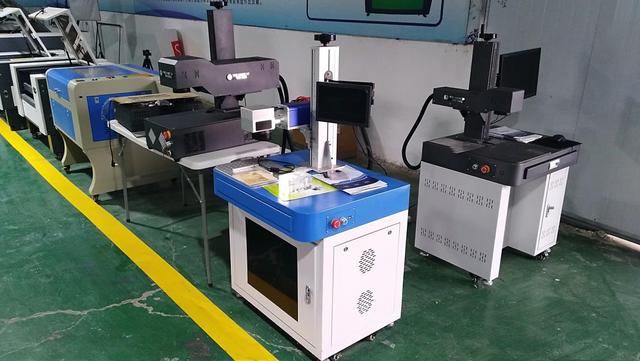
Our factory processes combine highly automated sub-assembly paths with manual optical alignment checks by experienced calibration engineers. We utilize specialized cleanrooms for the integration of optical galvanometers and laser diodes, preventing dust contamination that leads to focal drift or power degradation. Every laser application module exported by Kinray Laser undergoes a standardized testing regime:
This systematic efficiency enables Kinray Laser to offer highly competitive pricing structures without compromising on international standards. Global distributors and system integrators benefit from reduced lead times, enabling rapid deployment of projects with guaranteed product repeatability.
Exploring the core technological components that power our CE-certified modules.
Capable of supporting fiber (1064nm) for metals/plastics, UV (355nm) for cold marking sensitive glass and polymers, and CO2 (10600nm) for organic packaging materials.
Supports robust vector formats including DXF, PLT, BMP, and AI. Connects easily with Windows/Linux/PLC platforms via standard Ethernet or RS232 serial interfaces.
Utilizes air-cooled designs for compact setups and specialized liquid chilling channels for high-power systems to maintain a stable operating temperature.
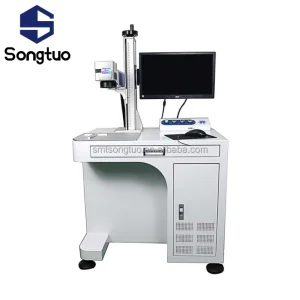
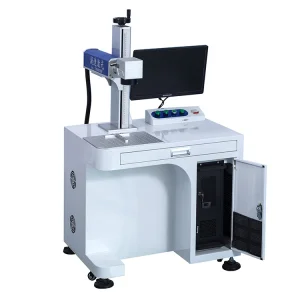
In high-density electronics assembly, tracking PCBs is essential for warranty management and process refinement. Kinray's Desktop Fiber and UV Laser Marking Systems are integrated directly into automated SMT lines. The systems mark tiny, high-contrast 2D DataMatrix codes on circuit boards without causing thermal damage to surrounding micro-circuitry, maintaining a 99% pass rate.
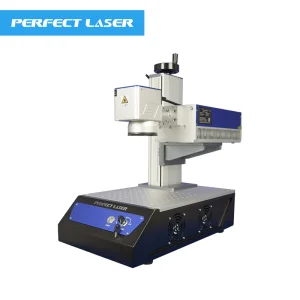
Medical devices, such as surgical instruments and implants, require direct part marking (DPM) that must remain legible after repeated sterilization cycles. UV laser modules are deployed here because they perform "cold marking," which reorganizes the surface molecules of plastics or medical-grade steel without producing micro-cracks or heat-affected zones where bacteria could breed.
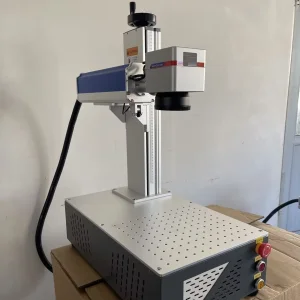
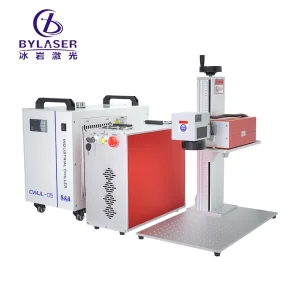
From engine blocks to minor suspension components, metals undergo challenging environments. Kinray’s 30W/50W High-Accuracy Air-Cooled Fiber Laser Marking Machines are optimized to engrave deep, structural serial codes and QR codes that survive painting, coating, and thermal exposure during vehicle manufacturing.
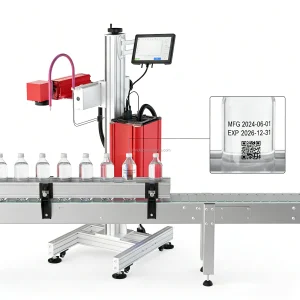
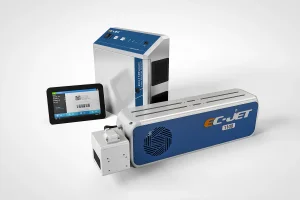
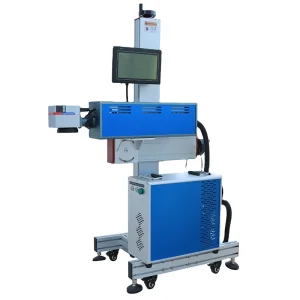
High-speed CO2 and UV flying laser markers are positioned over conveyor lines to print date codes, expiration stamps, and batch numbers on PET bottles, glass jars, and paper packaging at linear speeds exceeding 150 meters per minute.
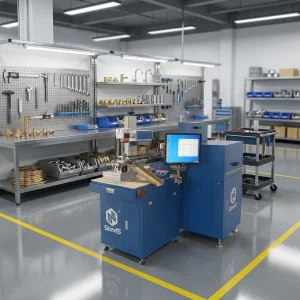
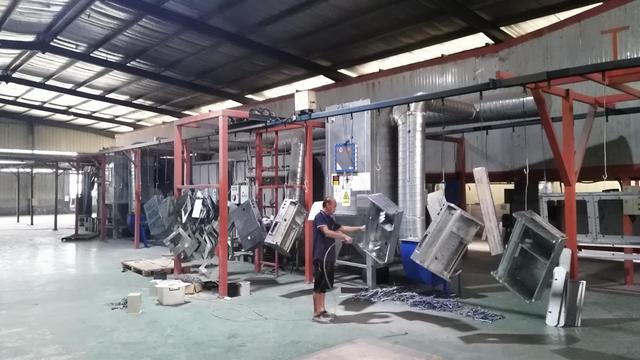
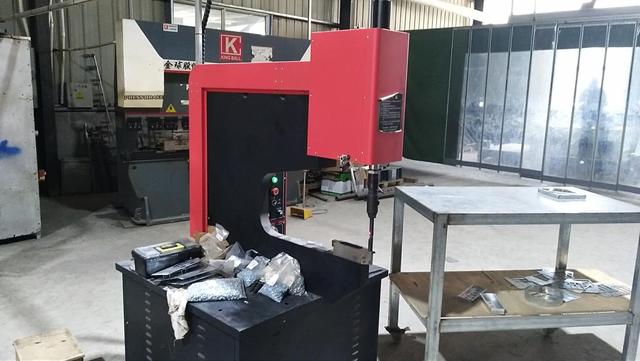
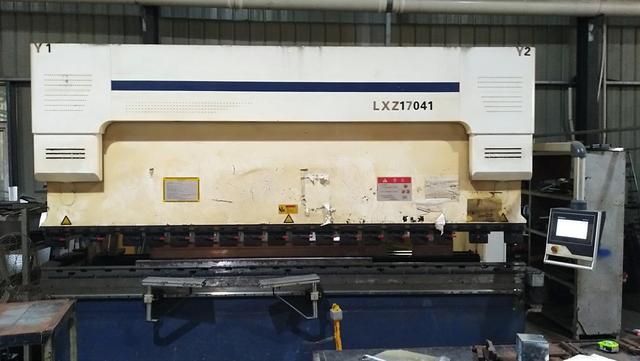
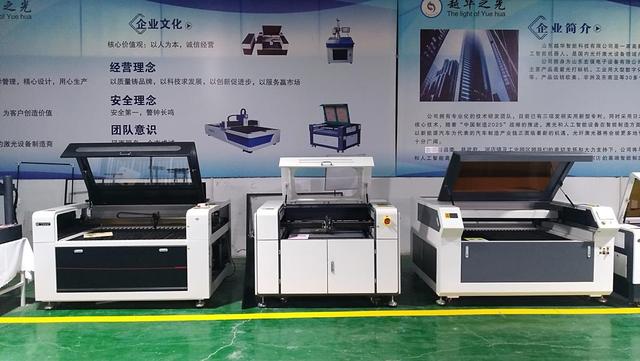
Inside our quality-controlled laboratories and assembly lines in Hangzhou.
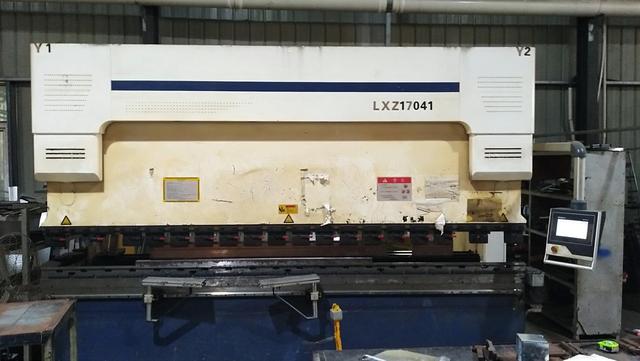
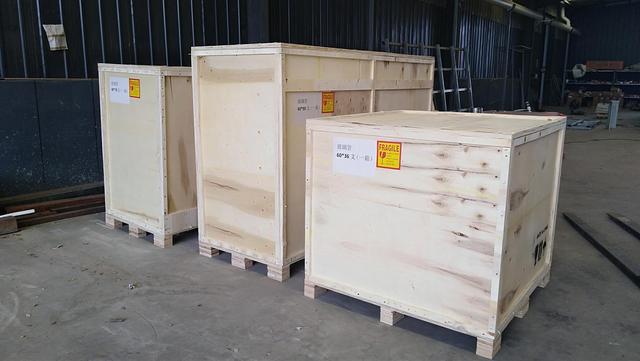
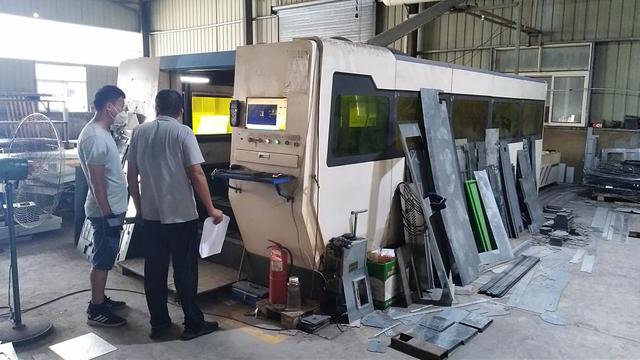
As industrial automation advances, the laser marking sector is shifting toward several core developments:
Procurement teams sourcing laser equipment must look beyond raw machine costs to minimize the Total Cost of Ownership (TCO). Focus on these factors:
Detailed technical and logistics information for global industrial procurement.
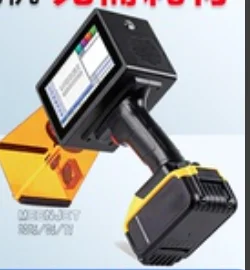
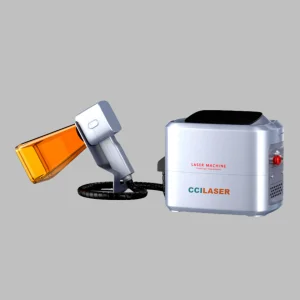
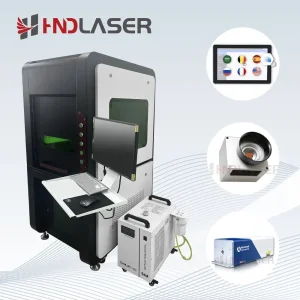
Explore our full line of industrial solutions, ranging from handheld markers to automated enclosed stations.
 Kinray Laser