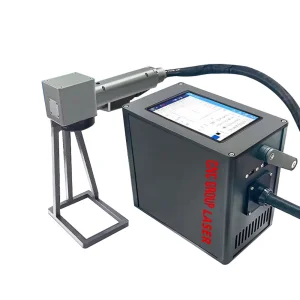
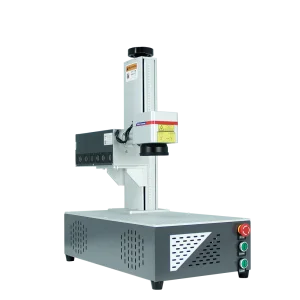
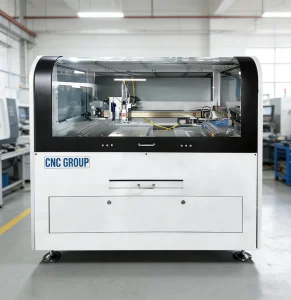
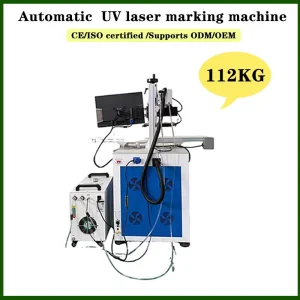
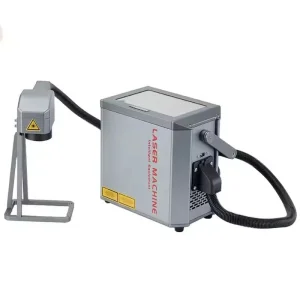
High-efficiency smart marking platforms designed for real-time marking, traceability, and localized manufacturing control.
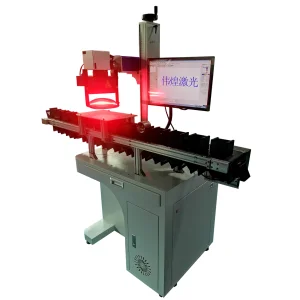
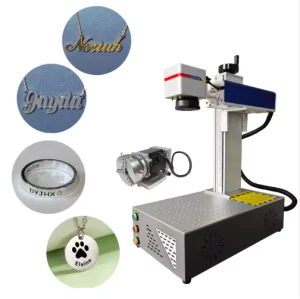
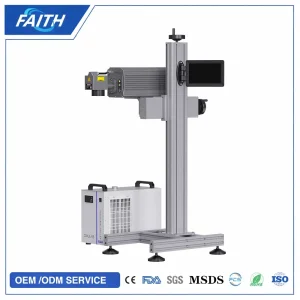
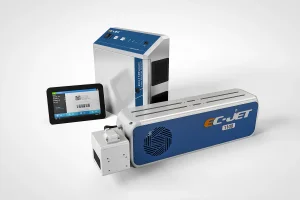
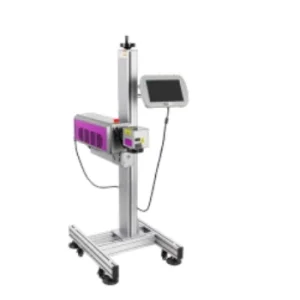
Transforming physical surfaces into dynamic data touchpoints for intelligent global supply chains.
In modern manufacturing ecosystems, components are no longer static entities. Regulatory requirements, coupled with zero-defect quality parameters in the medical, automotive, and semiconductor sectors, demand that every single part carry a permanent, machine-readable digital ID. A Laser Data Management System is the convergence of high-precision optical laser marking systems and real-time database interfaces. It serves as the physical execution layer of your enterprise trace strategy.
These systems generate dynamic variable data—such as dynamic serialization codes, UID (Unique Identifier) matrices, 2D Datamatrix codes, and complex vector graphics—on the manufacturing line. By encoding components at millisecond speeds, they bridge the gap between physical production states and central ERP or MES systems. Consequently, manufacturers obtain total transparency over product life cycles, processing parameters, and materials genealogy.
Evaluating the shifts in direct part marking (DPM) technology and database systems driving today's smart factories.
Modern laser marking controllers operate as active IoT nodes. Instead of receiving passive commands, they fetch real-time serialization blocks directly from host databases, maintaining internal buffers to ensure zero data omission even during network interruptions.
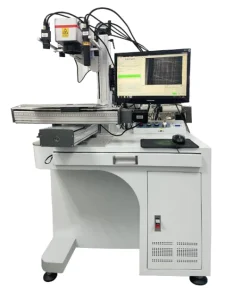
Integrating high-speed smart cameras directly inside the galvo scanning head allows for instant pre-marking positioning validation and post-marking contrast grading (according to ISO/IEC 15415 or 29158 criteria) in under 100 milliseconds.
A major shift is occurring from nanosecond lasers to MOPA, sub-nanosecond, and femtosecond pulse lasers. These configurations generate high-contrast marks on sensitive polymers and medical alloys without altering structural material characteristics.
For B2B procurement managers and systems integrators in Europe and the Americas, compliance is not optional. Operating laser hardware demands strict adherence to safety directives to protect workforce health and guarantee operational safety under high duty cycles.
When selecting a supplier for laser data management solutions, verify that the engineering documentation covers the following details:
How industrial enterprises deploy our laser data management solutions to optimize throughput and fulfill demanding regulatory standards across core industry sectors.
Automobile chassis parts, high-stress powertrain components, and cast aluminum housings must carry deep, high-contrast marks that can survive paint, surface coatings, and thermal stress. MOPA and fiber lasers create highly durable Direct Part Markings (DPM) that remain scannable through the vehicle's entire lifetime.
Stainless steel instruments, implants, and medical-grade polymers require corrosion-resistant, high-resolution marking. UV laser systems deliver cold-processing marking, preserving surface passivation layers and satisfying stringent EU MDR and FDA UDI regulations without altering physical geometries.
As electronic packages shrink, marking micro-sized codes on PCBs, IC packages, and silicon substrates requires sub-micron positioning accuracy. Co-axial vision systems align laser scanners to board fiducials, and integrated data systems log each completed scan to manufacturing execution systems (MES).
Precision-engineered fiber, UV, and CO2 laser solutions for high-demand industrial production lines.
Hangzhou Kinray Laser Co., Ltd. is a leading China industrial laser marking machine manufacturer specializing in advanced fiber and UV laser solutions for global manufacturing industries. With a strong focus on innovation, precision, and intelligent manufacturing, Kinray Laser is committed to delivering high-performance laser equipment that improves production efficiency, product traceability, and marking quality.
Located in Hangzhou, China, the company integrates research and development, manufacturing, sales, and technical support to provide comprehensive laser processing solutions for customers worldwide. Our extensive product portfolio includes fiber laser marking machines, UV laser marking machines, CO2 laser marking systems, MOPA laser markers, flying laser marking machines, 3D laser marking equipment, and customized automated laser solutions.
Kinray Laser products are widely used in electronics, automotive, medical devices, precision hardware, jewelry, packaging, aerospace, consumer goods, and industrial manufacturing industries. Designed for high-speed, high-precision, and permanent marking applications, our systems are capable of processing a wide range of materials, including metals, plastics, ceramics, glass, and composite materials.
Equipped with advanced production facilities and rigorous quality management systems, Kinray Laser maintains strict quality control throughout every stage of manufacturing. Each machine undergoes comprehensive testing to ensure stable performance, reliability, and compliance with international standards.
To support global customers, we offer flexible OEM and ODM services for distributors, system integrators, equipment brands, and industrial manufacturers. Our experienced engineering team works closely with customers to develop customized laser solutions tailored to specific production requirements, automation needs, and industry applications.
Driven by technological innovation and customer satisfaction, Hangzhou Kinray Laser Co., Ltd. continues to expand its global presence and strives to become a trusted partner for intelligent laser processing solutions, helping manufacturers achieve smarter, more efficient, and sustainable production.
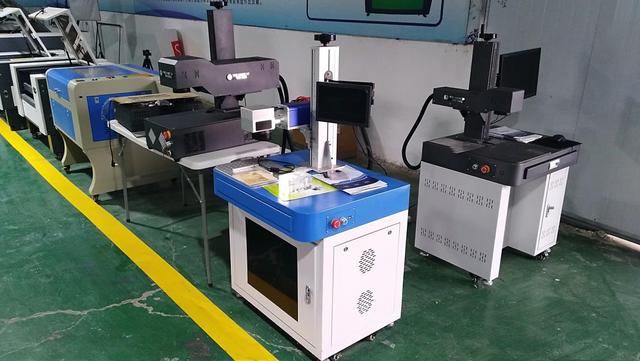
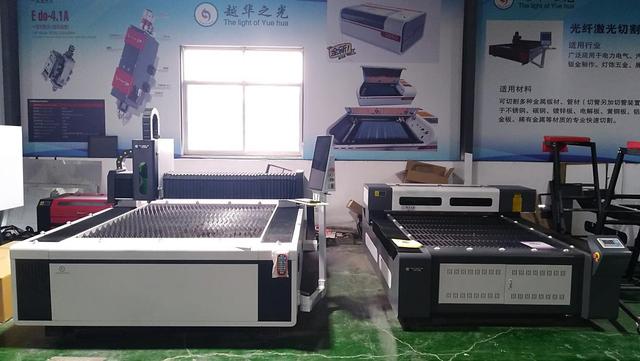
An inside look at our manufacturing center, engineering laboratories, and dynamic quality assurance lines in Hangzhou, China.
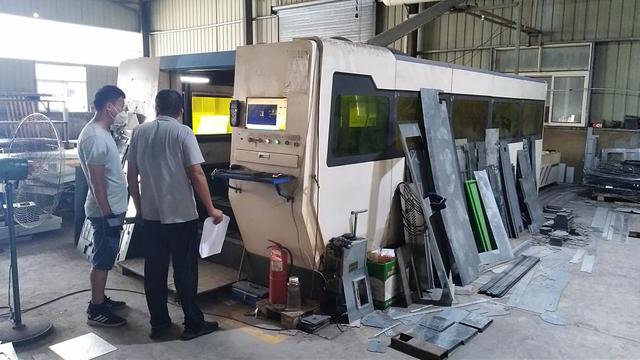
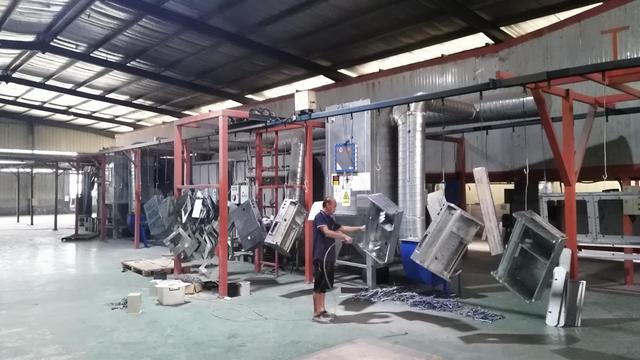
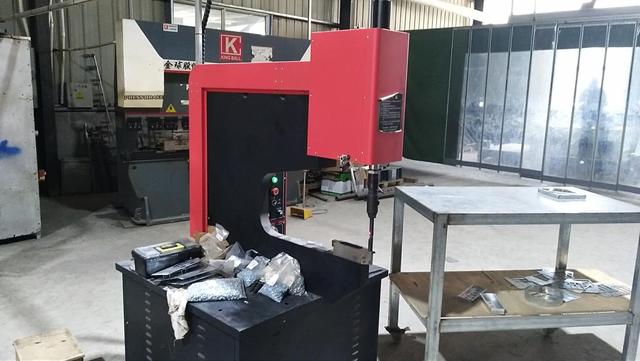
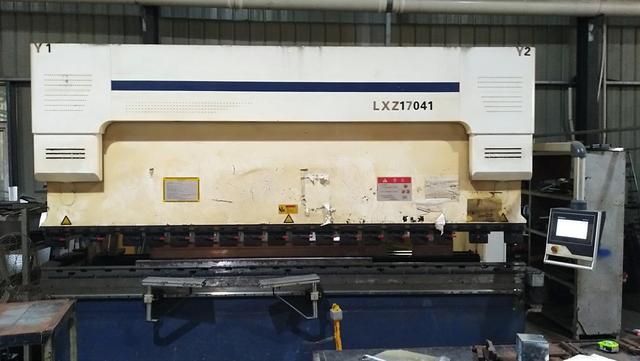
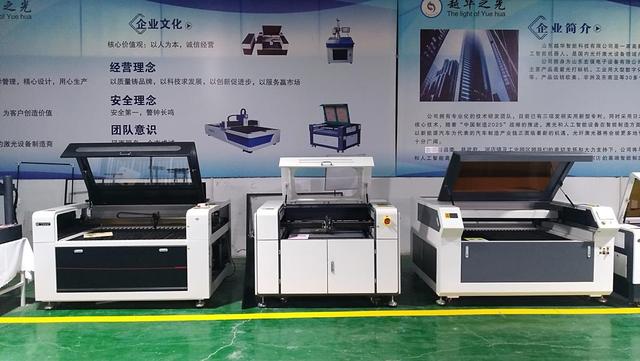
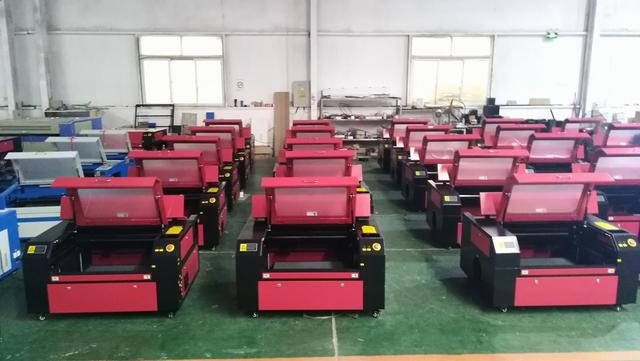
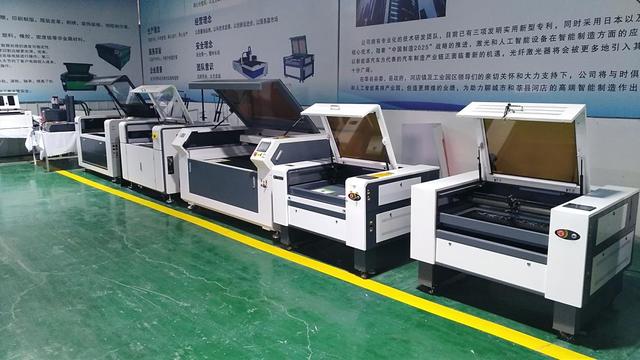
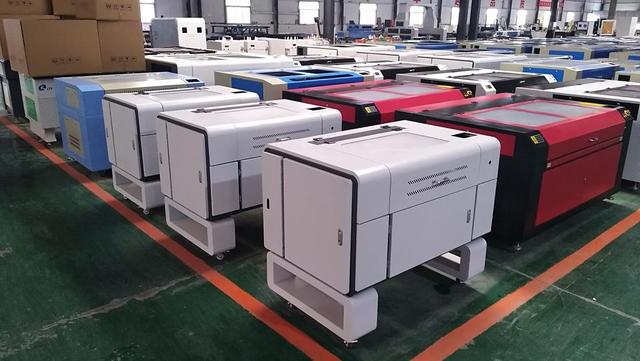
Bridging intelligent hardware design with cutting-edge software to power autonomous manufacturing.
Future laser data controllers will bypass intermediate IPCs (industrial PCs), communicating directly with manufacturing databases using encrypted WebSockets or MQTT protocols. This simplifies hardware layouts and decreases single points of failure on the assembly line.
Integrating machine learning directly onto the controller's processor allows optical systems to verify mark placement, evaluate engraving depth, and check code readability in real time. Systems can automatically adjust laser parameters on the fly if readability grades drop below target standards.
Modern factories process mixed material batches on the same conveyor lines. Future systems will combine multiple laser sources (such as Fiber, UV, and CO2) into a single scanning module, dynamically selecting the optimal wavelength based on the incoming component detected by vision sensors.
New generations of air-cooled laser systems reduce electrical draw by up to 40% compared to legacy water-cooled configurations. This transition lowers carbon footprints and simplifies maintenance routines in high-volume production plants.
Answers to technical, regulatory, and integration queries from global procurement officers and system engineers.
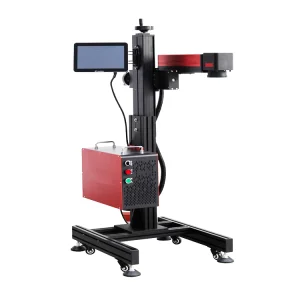
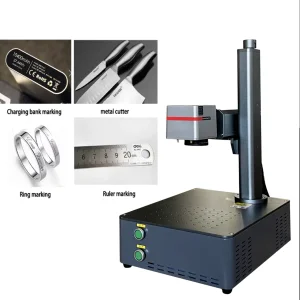
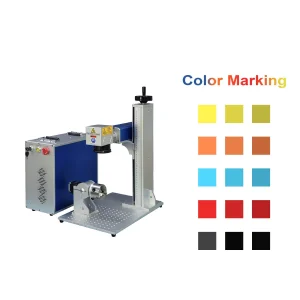
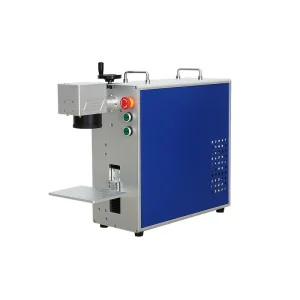
Select specialized equipment designs engineered for inline packaging, pipe extrusion, jewelry design, and electronics manufacturing.

 Kinray Laser