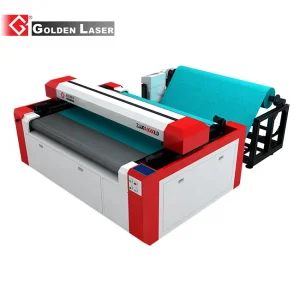
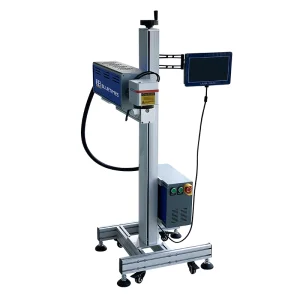
The global manufacturing paradigm is transitioning rapidly from rigid, single-purpose assembly lines to flexible, software-driven robotic workcells. Central to this transformation is the integration of advanced multi-axis articulated arm robots with fiber and gas laser oscillators. Traditionally, flatbed CO2 and fiber laser cutters dominated sheet metal fabrication; however, their mechanical limits restrict processing to flat, 2D planes.
To process complex, 3D stamped structural components (such as automotive body-in-white panels, formed aerospace tubes, and deep-drawn hardware), a 3D solution is critical. A modern Robotic Laser Cutting System integrates high-speed fiber laser beam delivery with 6-axis mechanical articulators, offering unparalleled access to intricate geometric shapes. The combination of spatial coordination and high power density delivers cutting paths that traditional CNC machines simply cannot replicate.
Automotive body-in-white (BIW) fabrications rely on robotic cutting to trim and profile structural rails, roof pillars, and complex stamped door frames with high accuracy and speed.
Cutting titanium, Inconel, and aerospace grade aluminum alloys without thermal deformation is achievable through modulated, pulsed fiber laser sources paired with stable robotic movement.
Large structural machinery cabs, heavy agricultural equipment frames, and structural tubes demand the broad reach of custom ceiling-mounted or track-mounted robotic arms.
China has consolidated its position as the ultimate supply chain hub for industrial laser systems. Hangzhou Kinray Laser Co., Ltd. sits at the heart of this technological cluster, leveraging a dense ecosystem of optical component manufacturers, high-precision galvanometer developers, and advanced mechanical robotic arm integrators.
Chinese laser cutting manufacturers provide unmatched cost-performance advantages due to continuous design iterations and domestic raw material sourcing. Key components like collimators, protective windows, and cutting heads are fabricated alongside state-of-the-art software systems. The proximity to key global shipping hubs and direct material channels ensures swift delivery cycles, allowing global industrial enterprises to go from engineering blueprint to fully operational cell setup in half the time compared to Western counterparts.
Robotic laser cutting combines optics, mechanical design, thermodynamics, and real-time control. Understanding the components helps buyers select the best configuration for their manufacturing floor.
Utilizing wavelength emissions near 1070nm, fiber laser sources provide high electrical-to-optical conversion efficiency. We integrate premium brand sources including JPT, Raycus, and IPG to deliver continuous, stable laser beam power levels from 1.5kW up to 20kW.
Equipped with a non-contact capacitive auto-focus sensor, the cutting head automatically adjusts the distance between nozzle and metal sheet. This dynamic tracking maintains focus position even during high-speed, multi-axis spatial movements.
By employing high-speed, high-precision industrial robots with rigid carbon fiber/cast aluminum components, the system achieves a repeatability tolerance of ±0.03mm. This allows for smooth, continuous cuts along intricate geometries.
When purchasing a robotic laser cutting machine for industrial setups, procurement managers must evaluate several critical parameters to ensure long-term ROI and operational compatibility:
Select laser power based on thickness requirements. While a 1.5kW system cuts thin carbon/stainless steel sheets, thick armored plates require 6kW+ engines.
Ensure compatibility with major CAM solutions (e.g., AlmaCAM, FastSUITE, or Lantek). Offline programming saves production hours by verifying collisions virtually.
Evaluate dual gas line systems (Oxygen for mild steel, Nitrogen/Compressed Air for stainless and aluminum) to ensure clean cuts without oxidation.
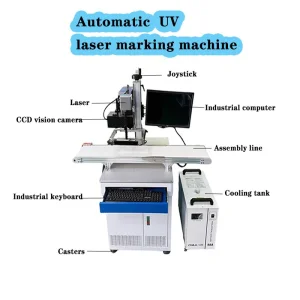
Hangzhou Kinray Laser Co., Ltd. is a leading China industrial laser marking machine manufacturer specializing in advanced fiber and UV laser solutions for global manufacturing industries. With a strong focus on innovation, precision, and intelligent manufacturing, Kinray Laser is committed to delivering high-performance laser equipment that improves production efficiency, product traceability, and marking quality.
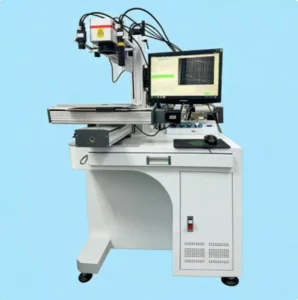
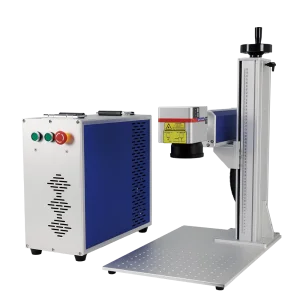
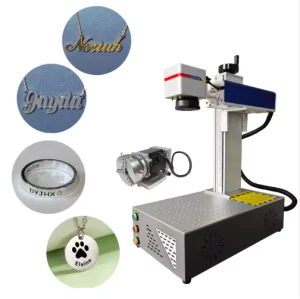
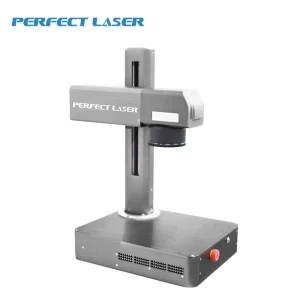
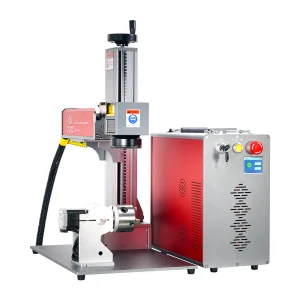
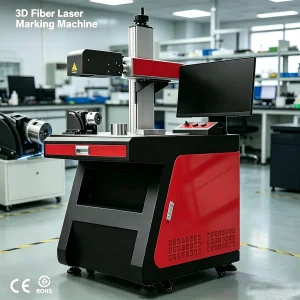
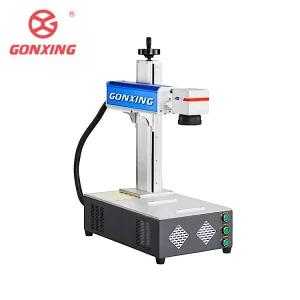
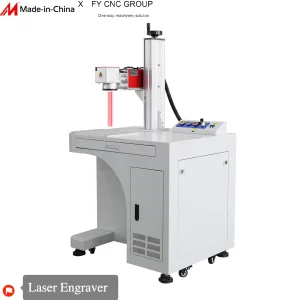
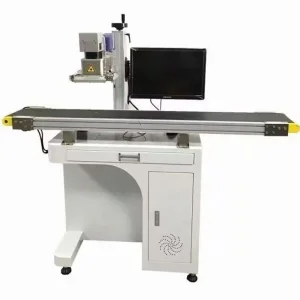
Located in Hangzhou, China, the company integrates research and development, manufacturing, sales, and technical support to provide comprehensive laser processing solutions for customers worldwide. Our extensive product portfolio includes fiber laser marking machines, UV laser marking machines, CO2 laser marking systems, MOPA laser markers, flying laser marking machines, 3D laser marking equipment, and customized automated laser solutions.
Kinray Laser products are widely used in electronics, automotive, medical devices, precision hardware, jewelry, packaging, aerospace, consumer goods, and industrial manufacturing industries. Designed for high-speed, high-precision, and permanent marking applications, our systems are capable of processing a wide range of materials, including metals, plastics, ceramics, glass, and composite materials.
Equipped with advanced production facilities and rigorous quality management systems, Kinray Laser maintains strict quality control throughout every stage of manufacturing. Each machine undergoes comprehensive testing to ensure stable performance, reliability, and compliance with international standards.
To support global customers, we offer flexible OEM and ODM services for distributors, system integrators, equipment brands, and industrial manufacturers. Our experienced engineering team works closely with customers to develop customized laser solutions tailored to specific production requirements, automation needs, and industry applications.
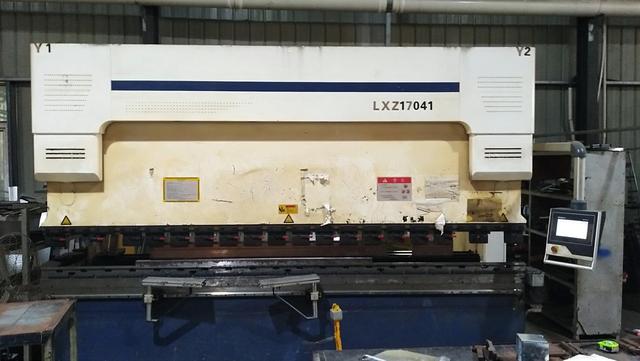
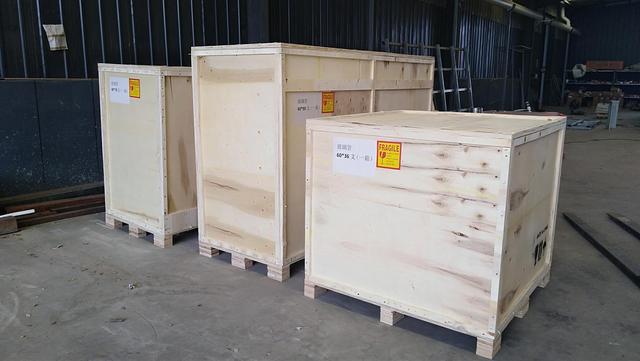
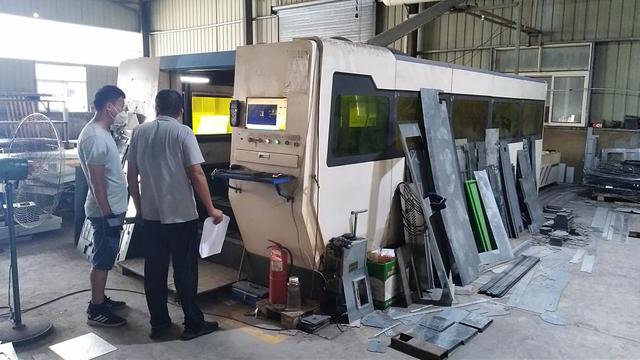
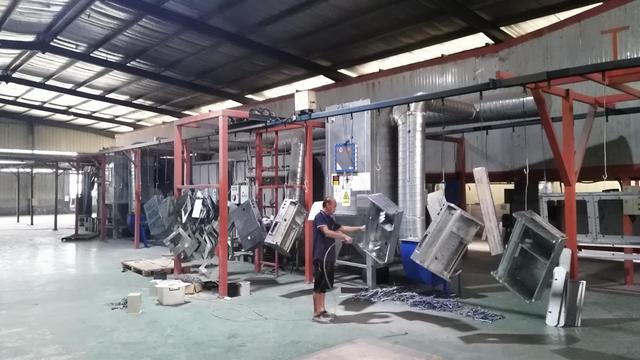
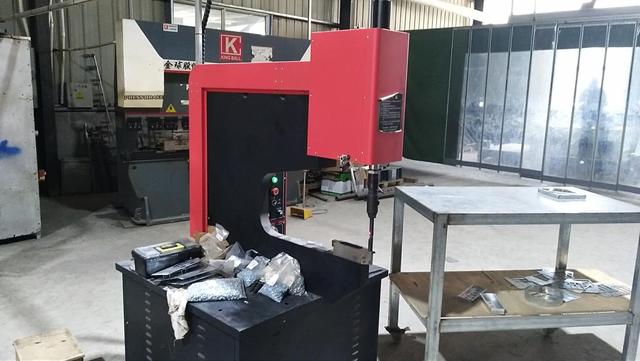
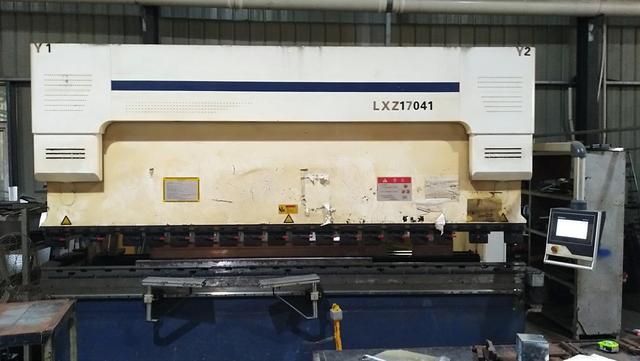
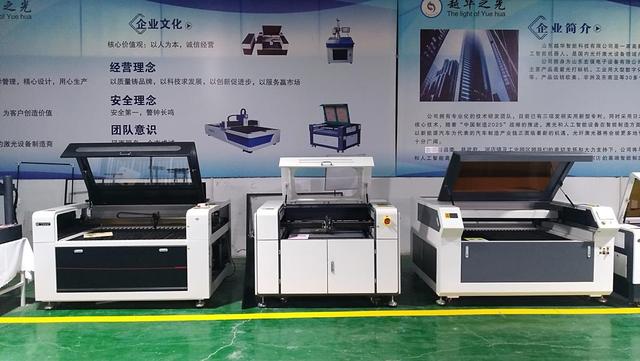
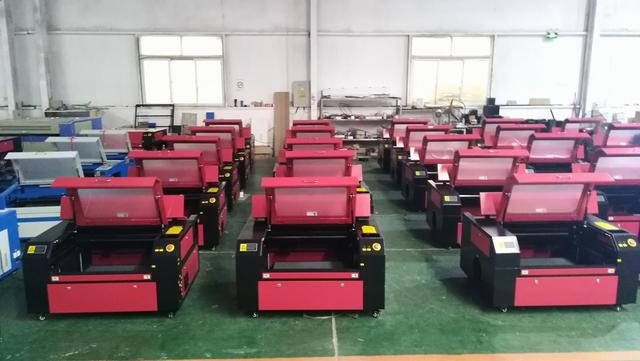
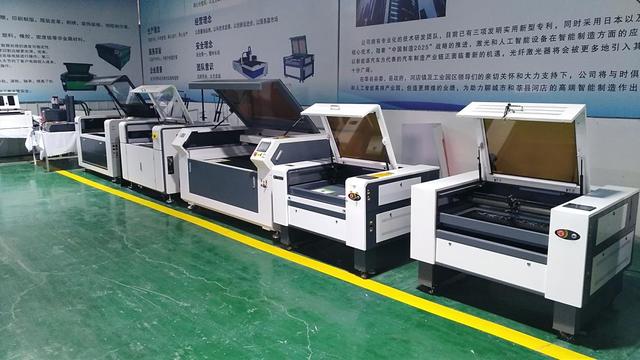
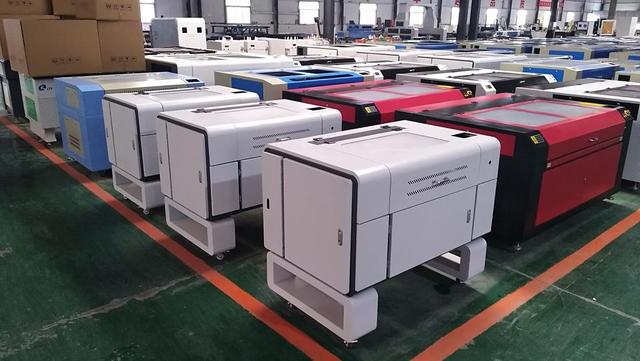
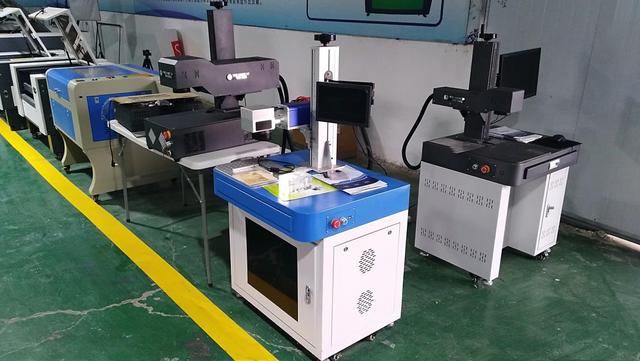
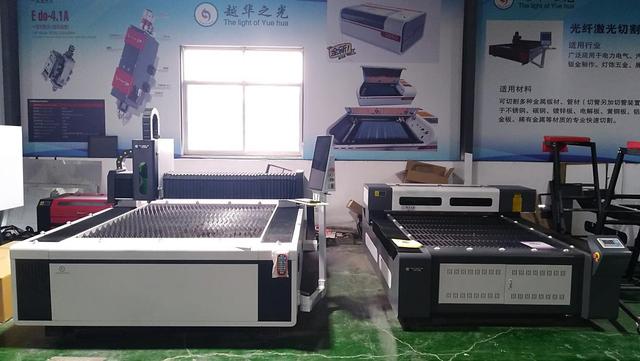
A glance at our production line, strict QA areas, assembly floors, and specialized shipping bays.
2D laser cutting is restricted to flat sheet metals moving on an X-Y axis. A 3D robotic laser cutting system uses a 6-axis articulated robotic arm to manipulate the laser nozzle around fixed 3D structures, including stampings, bent tubes, and curved assemblies. This eliminates the need for expensive structural dies and secondary setup cycles.
The capacitive sensor continuously monitors the electrical capacitance between the metal workpiece and the cutting nozzle, maintaining a precise distance. If the workpiece surface is uneven or contains imperfections, the z-axis unit on the cutting head dynamically adjusts focus height, preventing structural collisions and protecting the focal optics from damage.
Yes. Modern robotic laser cells are designed with standard communication protocols (such as Profinet, DeviceNet, or EtherCAT) that allow seamless connection to PLC networks, material loading towers, and central MES software systems. Offline programming software simplifies path generation from standard CAD data.
MOPA (Master Oscillator Power Amplifier) fiber lasers offer adjustable pulse widths, allowing fine control over pulse parameters and frequencies. Unlike Q-switched lasers, MOPA sources can deliver consistent peak power across a wider frequency range, enabling high-contrast marking and thermal control on sensitive materials like plastics, copper, and stainless steel.
We provide comprehensive remote diagnostics, custom programming assistance, and localized technical services through our global networks. By offering detailed training materials, real-time video setups, and fast replacement parts, we minimize downtime for all exported systems.
 Kinray Laser