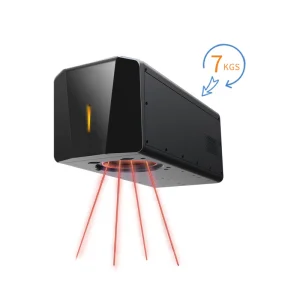
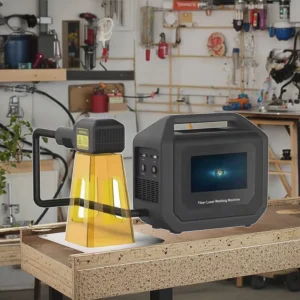
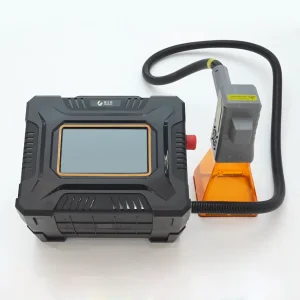
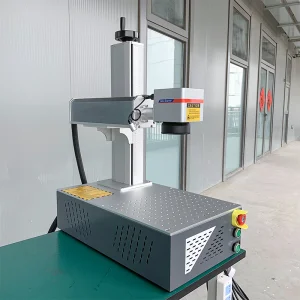
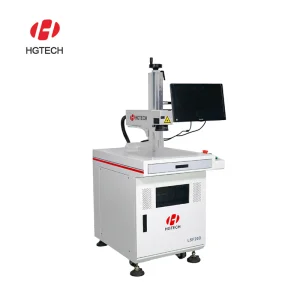
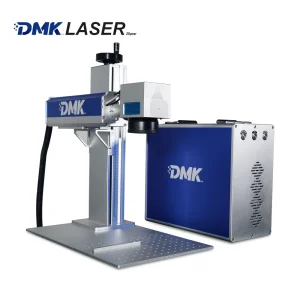
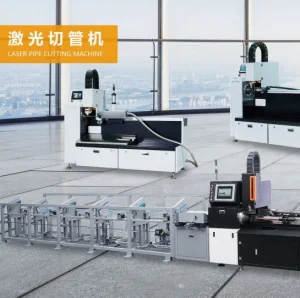
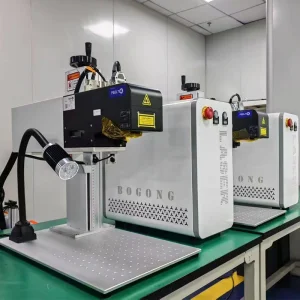
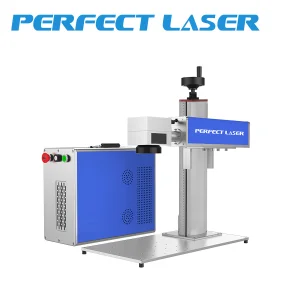
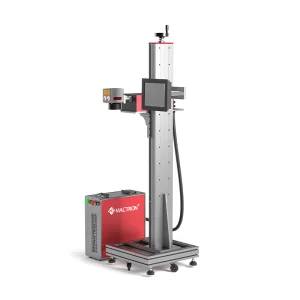
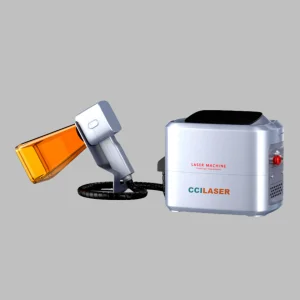
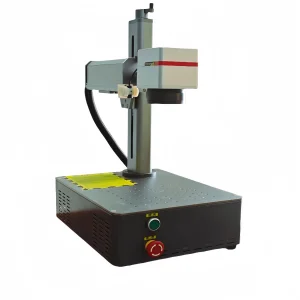
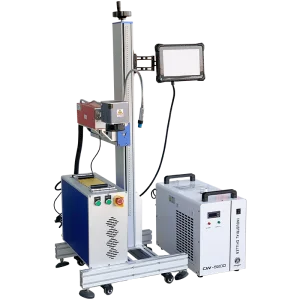
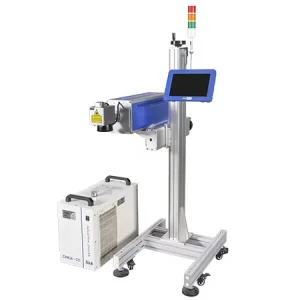
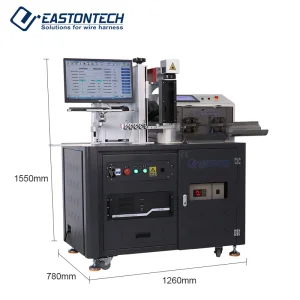
Explore our cutting-edge selection of laser markers, engravers, and cutting systems designed to optimize speed, accuracy, and operational longevity.
In the modern commercial landscape, component traceability, micro-precision processing, and permanent identification are non-negotiable parameters. As manufacturing moves toward higher complexity and automation, industrial laser processing systems have transitioned from optional secondary tools to core production line assets.
From micro-markings on semiconductor silicon wafers to heavy-duty industrial pipe engraving in automotive and aerospace fields, modern factories require laser technologies that offer minimum heat-affected zones (HAZ), rapid processing speeds, and software compatibility with advanced ERP systems.
Hangzhou Kinray Laser Co., Ltd. sits at the intersection of this technology curve. We specialize in developing state-of-the-art fiber, UV, and CO2 laser solutions engineered to perform seamlessly under rigorous multi-shift factory environments globally.
Years R&D Exp.
Global Regions
Stability Rate
Global Support
The transition toward smart factories has driven significant innovations in optical technology and software interfaces. Stay ahead of the competition with our state-of-the-art integrations.
MOPA (Master Oscillator Power Amplifier) fiber lasers offer adjustable pulse duration and pulse frequency controls. This empowers manufacturers to achieve color marking on stainless steel, high-contrast dark marks on anodized aluminum, and clean marking on delicate plastics without thermal deformation.
355nm UV laser systems deliver extremely short wavelengths and minimal thermal impact. Ideal for medical-grade plastics, silicon wafers, glass, and high-density PCBs, our UV lasers perform non-destructive, ultra-fine marking without micro-cracking.
Integrating high-resolution coaxial CCD cameras with scanning systems allows for real-time part orientation recognition, instant positioning calibration, and post-marking QR-code readability validation on automated assembly lines.
Operating out of Hangzhou, one of China's premier technology and digital manufacturing hubs, Hangzhou Kinray Laser Co., Ltd. utilizes a completely integrated supply chain ecosystem. From premium laser sources (Raycus, Max, JPT) to high-speed digital galvanometer scanners and custom automated feed units, we minimize material bottlenecks to ensure rapid lead times.
Our localized engineering expertise allows us to provide advanced customization (ODM/OEM) services at competitive prices. While European or North American system integrators require months to modify hardware and control software, our agile R&D team designs, tests, and validates customized automation configurations in weeks.
This efficiency does not compromise quality. Every machine is subjected to rigorous aging protocols, vibration tests, and power-meter calibrations before shipping to verify strict compliance with CE, FDA, and international ISO quality directives.
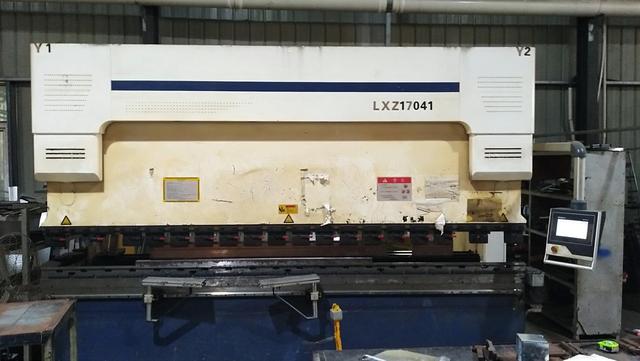
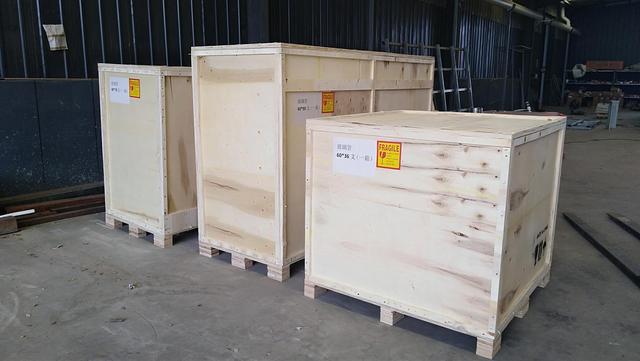
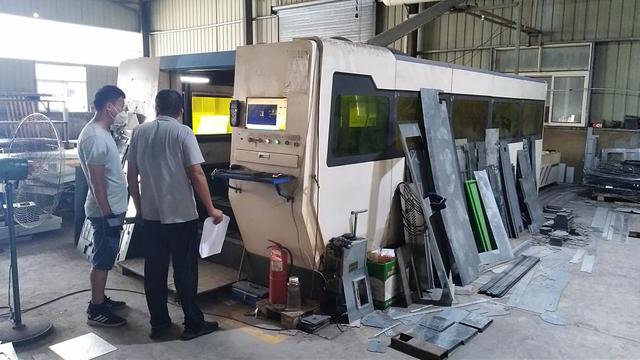
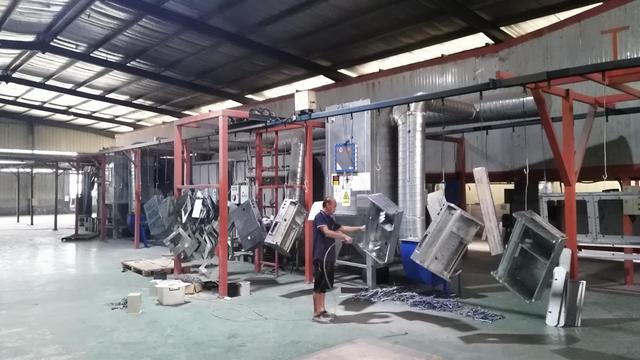
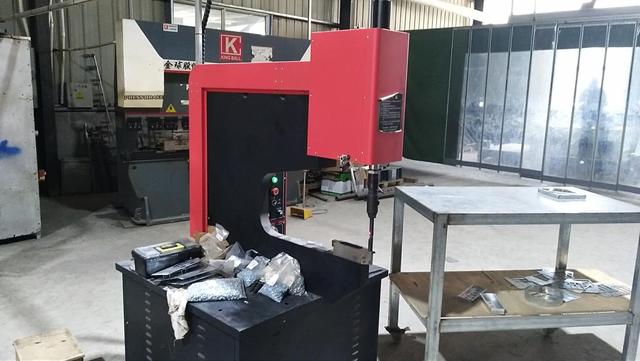
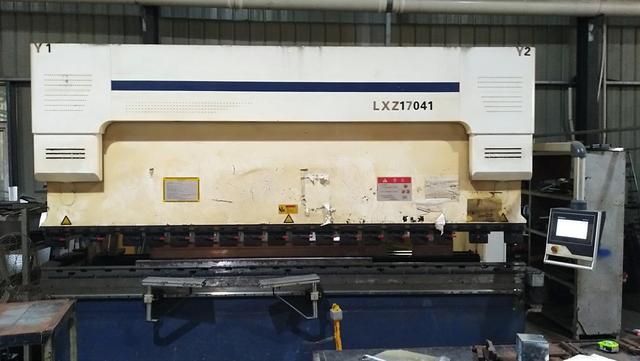
Explore some of the technical setups and precision work areas where our machines undergo rigorous testing and calibration before dispatch to global partners.
Choosing the correct laser medium is critical for operational efficiency. Compare our core configurations below to find the best match for your manufacturing demands.
| Laser Source Type | Wavelength | Primary Target Materials | Industrial Strengths | Typical Applications |
|---|---|---|---|---|
| Fiber Laser (Raycus/JPT/Max) | 1064 nm | Metals (Steel, Brass, Copper, Aluminum) & Dense Plastics | High speed, zero consumables, 100,000 hrs lifespan | Automotive VIN parts, metal components, tools |
| MOPA Fiber Laser (JPT M7 Series) | 1064 nm (Adjustable pulse) | Stainless Steel, Anodized Alum, Mixed Plastics | Fine heat control, color markings, no-burn engraving | Smartphones, electronics, medical equipment |
| UV Laser (Cold Light) | 355 nm | Glass, Ceramics, PCB, Silicon, Thin Films | No thermal distortion, extreme micro-details | Pharmaceutical vials, microchips, high-end packaging |
| CO2 Laser (RF/Glass Tube) | 10.6 μm | Wood, Acrylic, Paper, Leather, Rubber, Fabrics | Exceptional absorption on organic materials | Packaging date coding, leather goods, architectural models |
Whether you require high-speed assembly integration or ultra-compact portable systems, we optimize our design parameters for your localized workflow.
Traceability demands in the consumer electronics sector require high-density 2D matrix codes marked directly onto PCBs and micro-connectors. Our UV flying laser marking systems line up seamlessly with high-speed automated SMD lines to print clean, high-contrast symbols without generating heat stress on vulnerable silicon layers.
Automotive components endure harsh friction, extreme chemical exposure, and elevated temperatures. Our high-power 50W to 100W fiber systems engrave high-depth serials, VIN numbers, and standard codes into hardened cast iron, alloy steels, and anodized aluminum with structural integrity that withstands secondary heat treatments.
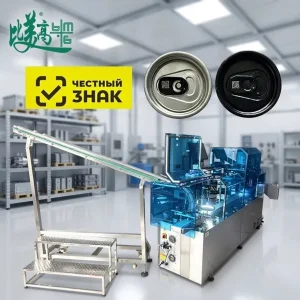
To eliminate manual stamping and ink consumption, our automated aluminum cap marking setups with integrated vibratory bowl feeders use flying UV and CO2 lasers to apply clean production dates and anti-counterfeiting QR codes on up to 500 units per minute.
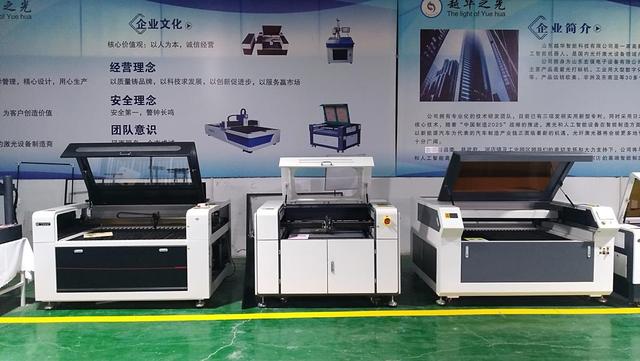
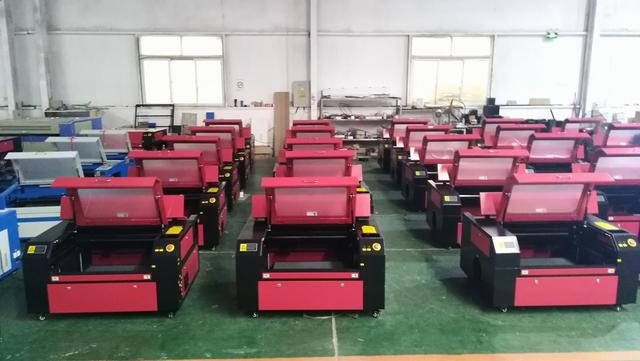
Explore our industrial production ecosystem. As a dedicated OEM/ODM manufacturing supplier, our testing floors are equipped with high-performance optical diagnostic tools, automated assembly tracks, and aging chambers.
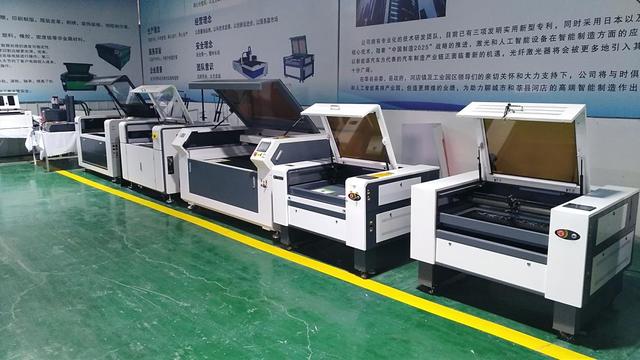
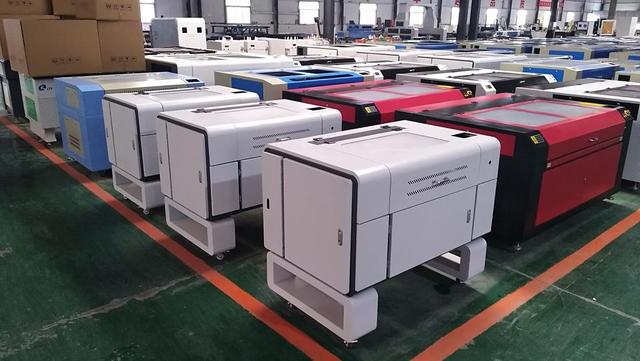
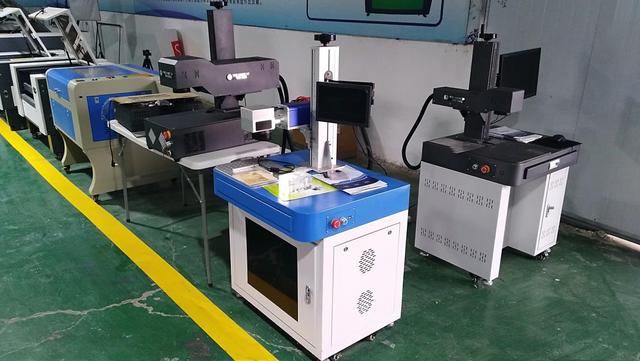
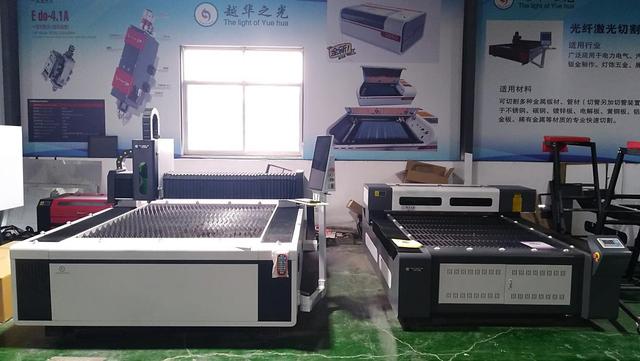
Hangzhou Kinray Laser Co., Ltd. coordinates research and development, manufacturing, sales, and global support out of Hangzhou, China. Our engineering teams closely partner with regional distributors, system integrators, and industrial brands to supply customized laser markers, 3D relief engravers, and industrial cutting setups. Every shipment includes thorough manual guides, certified parameters, and plug-and-play installation kits to assure a quick system start-up at your facility.
Detailed technical advice and supply-chain answers compiled by our senior engineers to help you make informed buying decisions.
A: The core difference lies in the emission wavelength and processing mechanism. Fiber lasers operate at 1064nm, utilizing thermal energy to melt or vaporize material surfaces (hot engraving). They are highly suited for robust metals and thick plastics. UV lasers operate at a much shorter 355nm wavelength. They break molecular bonds inside the material without generating significant heat (cold processing). This cold action makes UV lasers ideal for glass, high-sensitivity electronics, silicon, and specialized medical-grade polymers where thermal stress must be prevented.
A: A MOPA laser utilizes a master oscillator coupled with a power amplifier, allowing operators to adjust pulse duration (ranging from 2ns to 500ns) and frequency independently. For anodized aluminum, a short pulse width cleanly strips the oxide film without damaging the metal underneath, producing a distinct black mark. On stainless steel, adjusting the pulse parameters creates varying oxide film thicknesses on the surface, which refracts light to produce colorful designs without destroying the corrosion-resistant chromium layer.
A: Yes. Our systems feature high-speed flying marking configurations (on-the-fly marking) and modern software interfaces compatible with I/O signals, TCP/IP commands, RS232 protocols, and external PLC controllers. This setup enables automatic code updates, triggers, and synchronization with conveyor speeds. Additionally, our vision-guided systems with integrated CCD cameras handle component orientation checks and reject non-compliant items automatically.
A: All machines undergo ISO9001 certified manufacturing controls, CE certification safety runs, and FDA laser safety inspections. Prior to dispatch, each system is subjected to a continuous 72-hour aging and stability test, optical power stability checks, alignment testing, and electronic insulation tests. We supply calibration logs with every shipped unit to ensure reliability.
A: Yes, we provide full OEM and ODM services. This includes custom structural designs, sheet metal color personalization, private labeling, software interface rebranding, and specialized mechanical integration. Our engineers can develop tailored systems matching specific workspace envelopes, local power regulations, and production workflows.
Discover our specialized laser line-up, featuring fly-marking modules, automatic feeders, and precision 3D surface engraving equipment designed for advanced production tasks.
 Kinray Laser