Explore our top-tier precision systems engineered for high-performance cleaning, marking, and industrial surface modification.
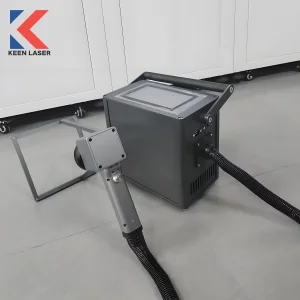
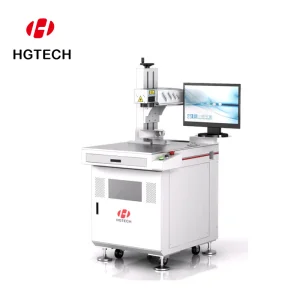
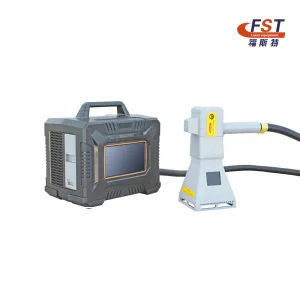
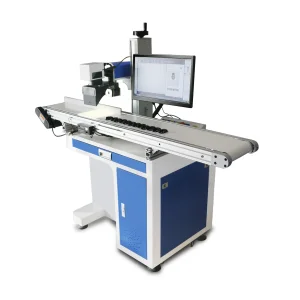
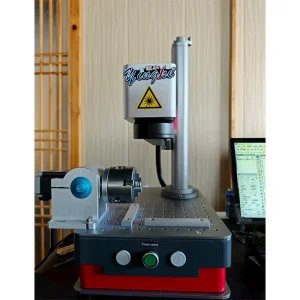
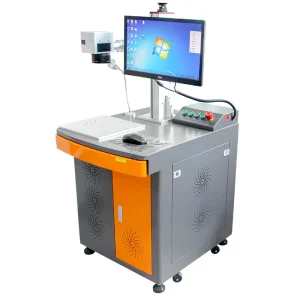
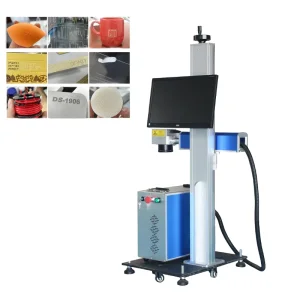
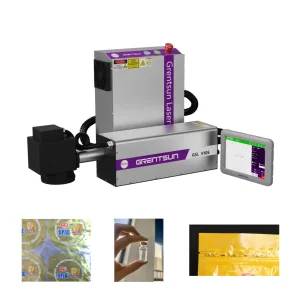
Establishing Global Benchmarks in Advanced Laser Surface Modification and Precision Marking Technologies.
Hangzhou Kinray Laser Co., Ltd. stands as a premier Chinese industrial manufacturer and exporter, delivering forward-thinking surface solutions. We specialize in design, manufacture, and validation of advanced fiber laser systems, MOPA precision marking platforms, and state-of-the-art laser cleaning machines built for intensive industrial cycles.
Located in Hangzhou, China's core high-tech corridor, we control our entire value chain—from initial optics design to localized control software integration. Our equipment features certified internal architectures, including Raycus and Maxphotonics excitation sources, specialized field optics, and customized automation interfaces.
In modern global manufacturing, traceability and clean substrate preparation are critical parameters. Hangzhou Kinray Laser designs machinery that directly integrates into existing production workflows.
Whether processing highly reflective materials like aluminum and copper, or delivering non-destructive surface preparation via high-energy pulsed laser ablation, our hardware achieves superior repeatability. We minimize heat-affected zones (HAZ) and deliver uniform mechanical anchoring profiles without environmental run-off.
Decentralized supply chains and localized vertical integration create unmatched performance-to-cost advantages.
From semiconductor pumping diodes to custom-designed F-Theta galvo lenses, the Chinese domestic supply network allows rapid component sourcing, testing, and volume output scale with zero logistical lag.
Collaborating with Chinese solid-state laser innovators like Raycus and Maxphotonics gives exporters access to stable, high-reliability laser resonators that deliver stable optical profiles under continuous shifts.
We tailor chassis geometries, laser output power profiles, field lens selections, and software interfaces to meet the distinct safety standards and workflow configurations of different countries.
How pulsed and continuous wave (CW) laser cleaning technologies resolve surface prep and traceability challenges across diverse sectors.
Laser cleaning uses precise light pulses to strip primers, oxides, and composite residues from sensitive fuselage parts. This non-abrasive process leaves the underlying substrate structurally sound. Unlike chemical stripping or media blasting, it creates zero hazardous waste and eliminates tool wear.
Key technology: Pulsed fiber laser cleaning (100W - 300W) with narrow pulse durations to limit thermal stresses.
High-strength steel and aluminum alloys require completely clean surfaces before welding. Our laser systems remove anti-corrosion oils and structural sealants in milliseconds. This process creates clean joint surfaces, ensuring strong welds and reducing defects like porosity in automated EV battery lines.
Key technology: High-power continuous wave (CW) lasers for rapid paint/oil strip-off on heavy-duty components.
Ship maintenance demands heavy-duty cleaning methods. Our high-power continuous laser cleaning systems remove thick rust layers, salt buildup, and old marine paint. The handheld laser gun allows operators to reach tight corners, leaving surfaces ready for immediate recoating.
Key technology: 1500W to 3000W continuous wave laser cleaners with active dust extraction filters.
Tire molds, composite tools, and precision dies require regular cleaning to prevent buildup. Traditional methods often damage fine details. Laser cleaning vaporizes vulcanized residues, carbon deposits, and release agents without affecting the mold's base metal.
Key technology: High-precision MOPA fiber laser systems with tailored pulse frequency and duration controls.
Key technical parameters global engineering managers must evaluate when selecting laser cleaning and marking suppliers.
Understanding the threshold dynamics of laser ablation is crucial. Pulsed lasers deliver high peak power but low average heat, making them ideal for precise molds, components, and thin coatings where thermal distortion is not allowed. CW lasers deliver continuous beams with high average thermal loads, making them the industry standard for fast, large-scale rust removal on thick structural steel plates.
Exported machinery must comply with Class 4 laser safety protocols. Reliable setups require safety features like interlock circuits, visual target guides, and active optical backreflection protection. This prevents backreflection damage when cleaning highly reflective metals like brass, copper, and aluminum.
For smart factories, marking and cleaning systems must communicate with central control networks. The system should support standard protocols like Modbus, Profinet, or EtherCAT. This allows the laser power, scan width, and pulse frequency to adjust automatically based on real-time feedback from production line PLCs.
Technical clarity and insights on industrial laser cleaning and marking operations.
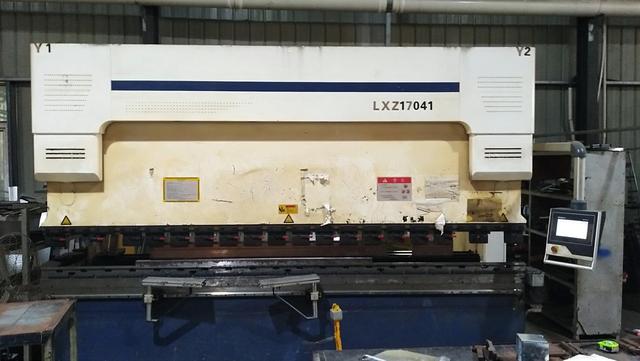
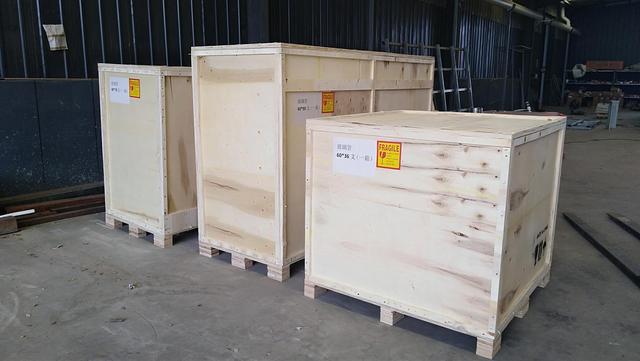
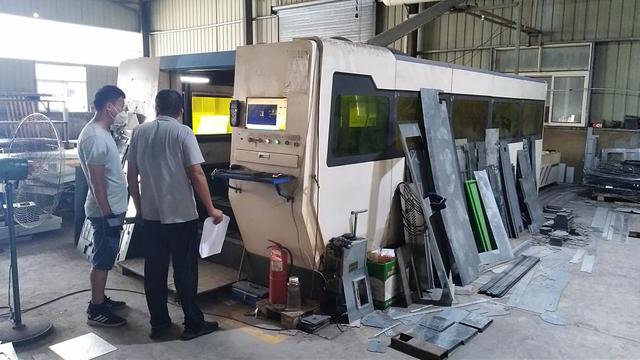
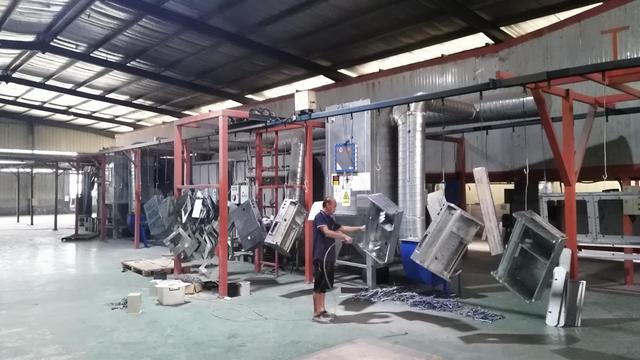
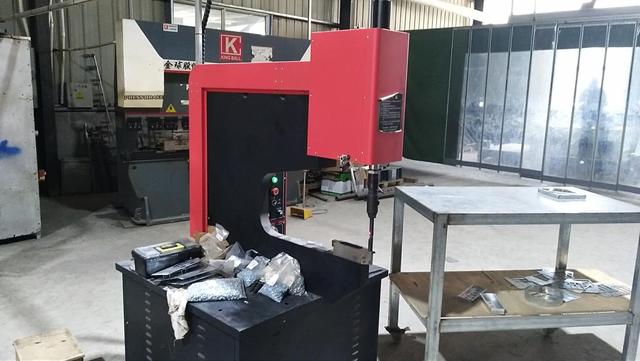
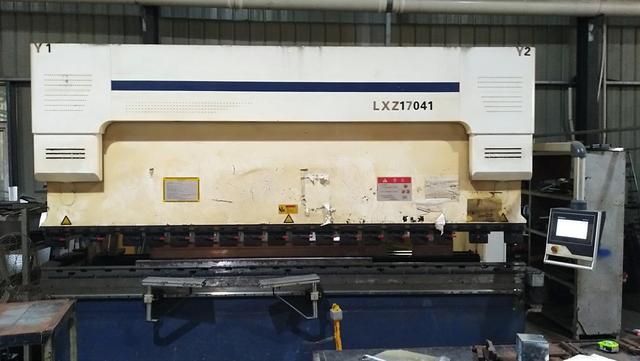
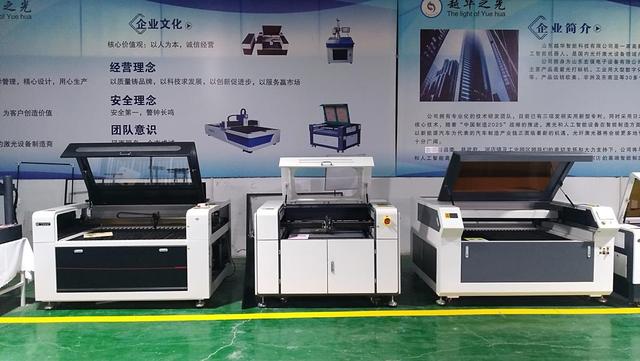
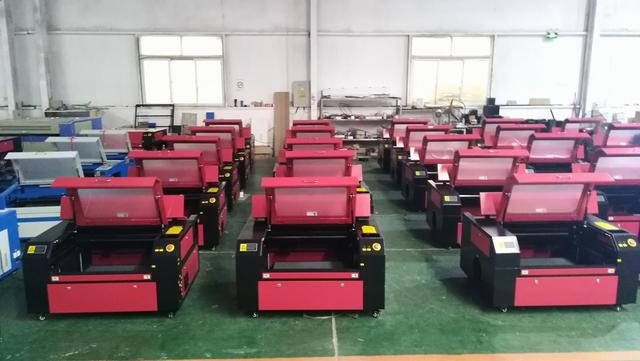
Every machine undergoes strict calibration and testing to ensure performance stability before export.
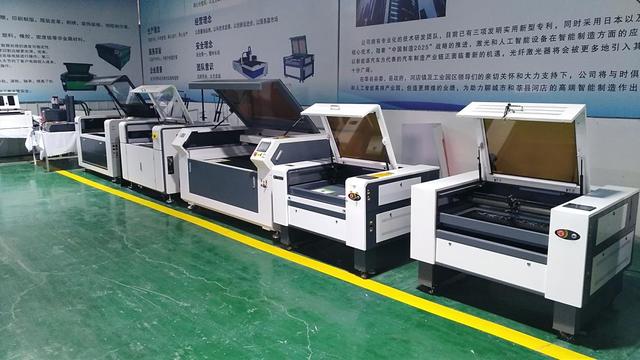
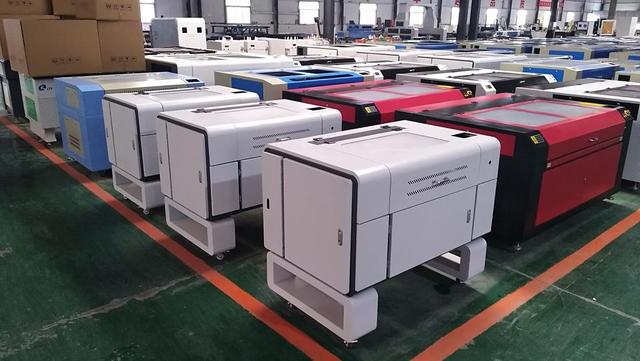
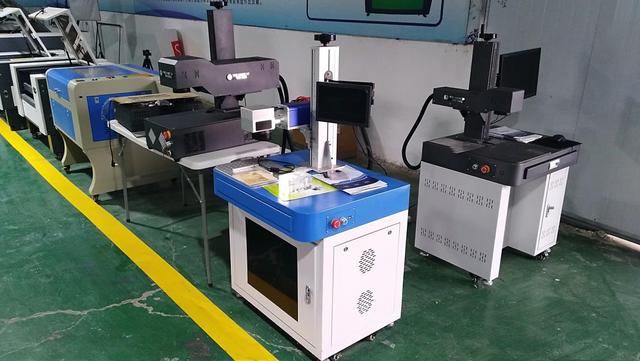
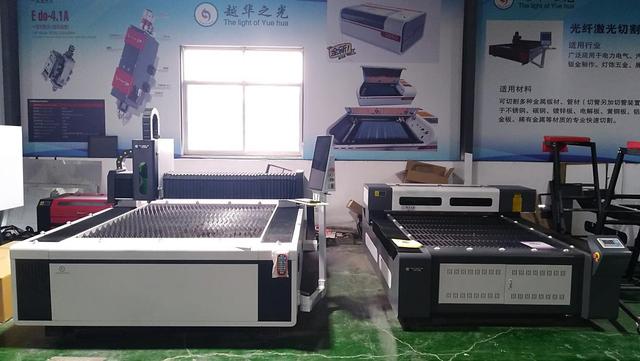
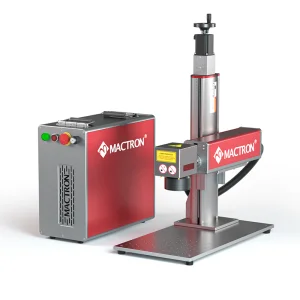
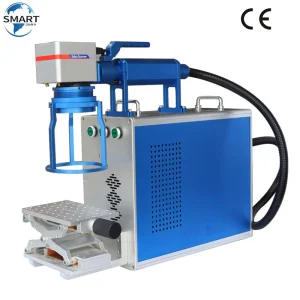
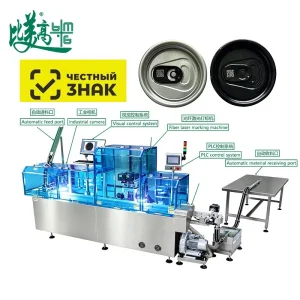
Explore our line marking platforms, UV online coding systems, and high-speed CNC fiber integrations.

 Kinray Laser