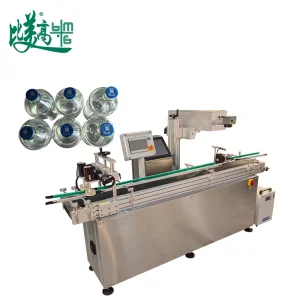
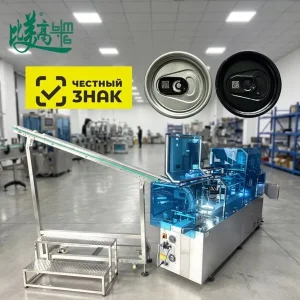
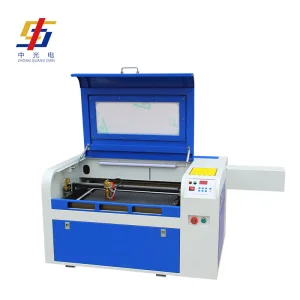
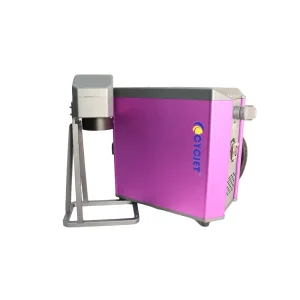
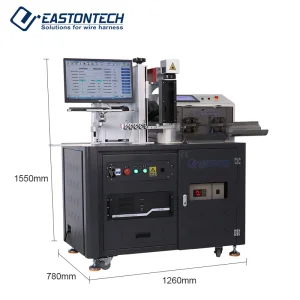
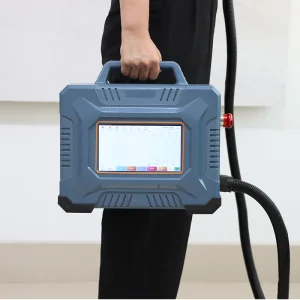
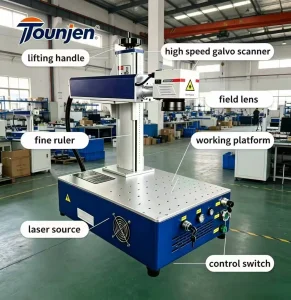
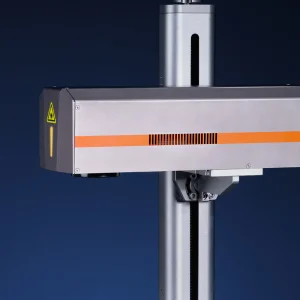
Select, integrated hardware configurations built for continuous operation and unmatched precision.
How Hangzhou Kinray Laser Co., Ltd. is defining standard practices in optical quality control and high-speed material coding.
In modern manufacturing, quality assurance has evolved from a final inspection phase into a real-time, closed-loop control system. At the core of this transition lies the integration of high-speed laser marking systems and real-time vision verification. As a leading China industrial laser marking machine manufacturer, Hangzhou Kinray Laser Co., Ltd. specializes in advanced fiber, UV, and CO2 laser solutions that sit at the intersection of material processing and automated quality control.
Historically, manufacturers treated coding (applying lot numbers, serials, or 2D barcodes) and inspection (evaluating dimensions, checking alignment, verifying character integrity) as separate operational silos. Kinray Laser addresses this inefficiency by designing integrated inline environments. These systems marking at the microsecond level while immediately verifying output through optical cameras, and rejecting anomalies before products exit the assembly cell. By merging high-precision laser output with real-time feedback loops, global manufacturers reduce waste, secure complete traceability, and prevent catastrophic quality excursions.
Based in Hangzhou, China, our company integrates research and development, manufacturing, sales, and technical support. We serve high-tech industrial segments where error rates are measured in parts-per-million (PPM). Our extensive portfolio includes fiber laser marking machines, UV laser marking machines, CO2 laser marking systems, MOPA laser markers, flying laser systems, 3D laser marking systems, and fully custom automated laser solutions. From simple marking units to fully integrated vision-rejection systems, we ensure every marking matches the CAD source and satisfies regulatory tracking requirements.
Decoupling the innovations driving the next generation of industrial lasers and optical inspection systems.
Standard Q-switched fiber lasers rely on fixed pulse durations, which can cause excessive heat damage to sensitive substrates. Kinray’s MOPA (Master Oscillator Power Amplifier) tech features adjustable pulse widths (from 1 ns to 500 ns). This precise thermal management enables high-contrast black marking on anodized aluminum and mark processing on polymers without surface deformation.
Future inspection solutions embed vision hardware directly co-axial with the laser scanning head. The laser marks, and a high-resolution camera uses the same galvo mirror path to capture the marked image instantly. Deep-learning-based OCR/OCV systems then compare the mark against database records to confirm placement accuracy, stroke thickness, and high readability.
Ultra-short pulse UV lasers (operating at 355 nm wavelength) produce a minimal Heat Affected Zone (HAZ). This allows the system to break chemical bonds directly inside the material rather than melting it. This "cold processing" is critical for medical implants, silicon wafers, and sensitive multi-layer PCBs, preventing micro-cracking and material degradation.
Why global enterprises rely on Kinray’s vertically integrated manufacturing center in Hangzhou.
Procuring industrial laser platforms requires a balance of advanced technology, long-term durability, and capital efficiency. Operating within the Yangtze River Delta manufacturing corridor, Kinray Laser accesses a highly integrated supply chain. We manufacture structural frames, optical assemblies, galvo systems, and control electronics in-house or through closely monitored regional partners. This concentration reduces lead times and lowers production costs compared to Western manufacturers.
This localized manufacturing base allows us to configure and deliver complex OEM/ODM projects quickly. Whether integrating a 30W UV marking system into an automated conveyor or designing a high-speed aluminum cap laser coding system with an integrated vision rejection setup, our engineers can prototype, calibrate, and ship systems weeks faster than traditional machinery vendors.
Through our rigorous testing protocol, every system undergoes 72 hours of continuous laser burn-in, optical alignment verification, and stress testing. This ensures each unit operates reliably at maximum duty cycle upon installation at client facilities.
Engineered optical solutions tailored for high-throughput sectors requiring extreme reliability.
Challenge: Applying permanent, corrosion-resistant UDI (Unique Device Identification) codes to surgical instruments without creating surface pockets that host bacteria.
Solution: Picosecond UV lasers generate a high-contrast dark mark via molecular alteration. The surface of the stainless steel or titanium remains completely smooth and corrosion-resistant through repeated autoclave cycles.
Challenge: Marking ultra-fine 2D Datamatrix codes on sub-millimeter areas of multi-layered PCBs without damaging underlying circuits.
Solution: High-precision UV split laser marking machines featuring optical beam focus under 20 microns. Automated vision systems position the marking scan, verifying readability down to Grade A standards.
Challenge: Applying expiry dates and tracking codes to plastic caps and glass bottles at speeds exceeding 1,200 parts per minute.
Solution: Flying laser marking platforms with high-speed CO2 or Fiber laser sources. Integrated with vision systems, these lines verify code accuracy and reject imperfect marks automatically.
Critical specifications for engineering departments evaluating wholesale laser investments.
Purchasing agents and plant managers must look beyond unit costs. A complete technical review includes evaluating beam quality, software compatibility, and structural integration with existing PLC environments. Below is a checklist for evaluating Kinray industrial lasers:
How we address regulatory standards and support international clients post-purchase.
Kinray systems comply with international laser safety standards. Our platforms carry CE marking and FDA accession numbers, ensuring smooth entry into European and North American markets. Systems feature proper shielding, emergency stop circuitry, and interlocks to meet Class 1 laser safety standards.
To minimize production downtime, our service engineers offer remote diagnostic support. By connecting directly to the local PC controller, our team can adjust galvo offsets, tune laser power settings, and upgrade software versions without requiring an on-site visit.
For system integrators and distributors, we offer flexible labeling, custom enclosure designs, and software modification. This allows partners to market our solutions under their own brand while benefiting from our manufacturing and design capabilities.
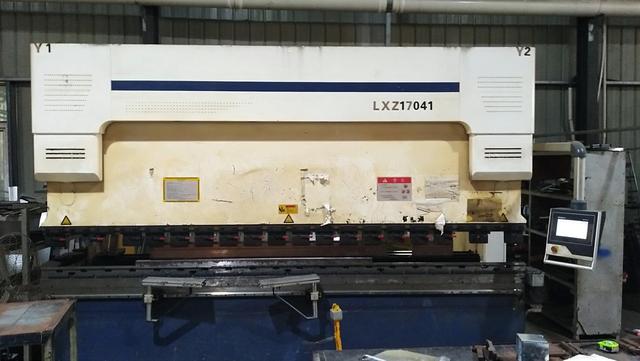
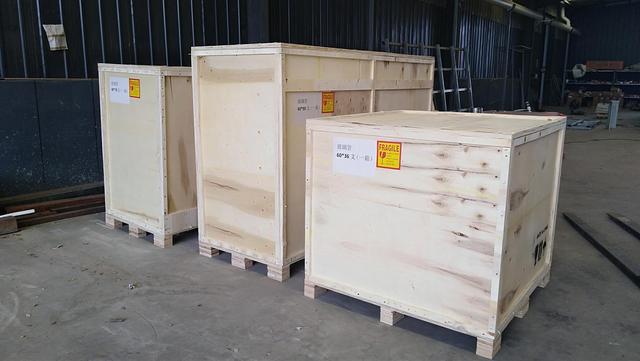
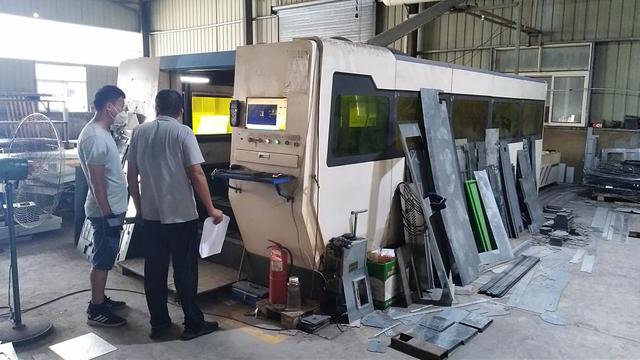
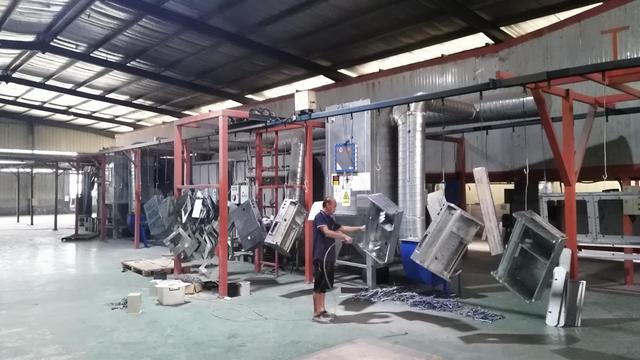
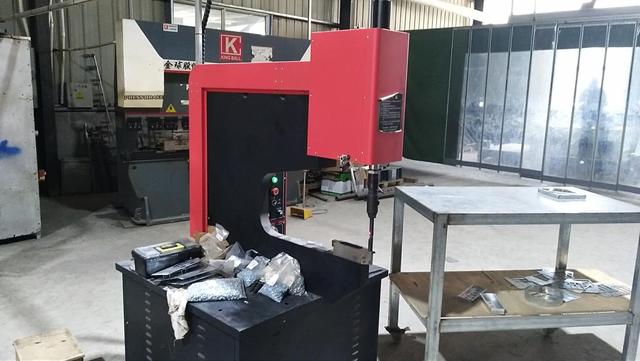
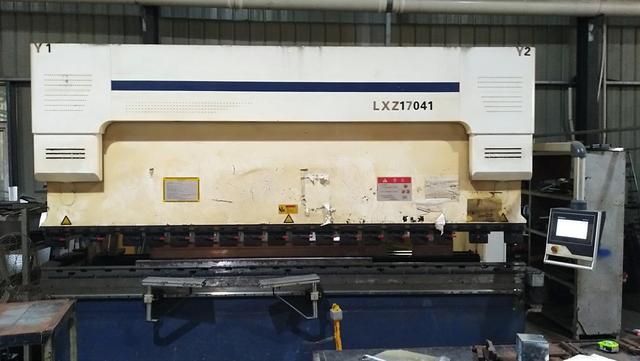
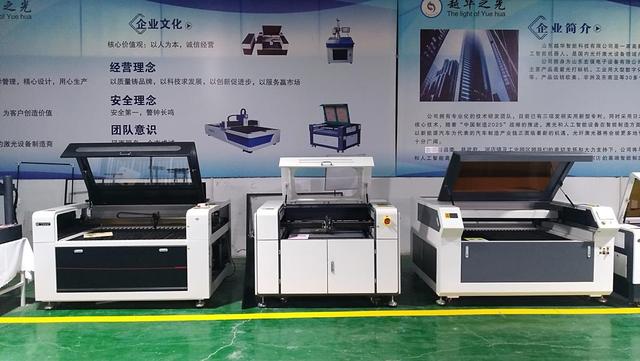
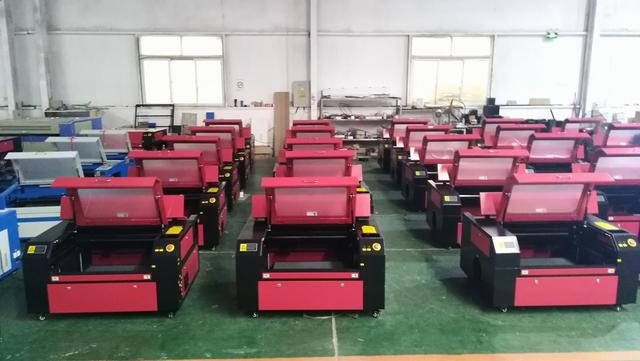
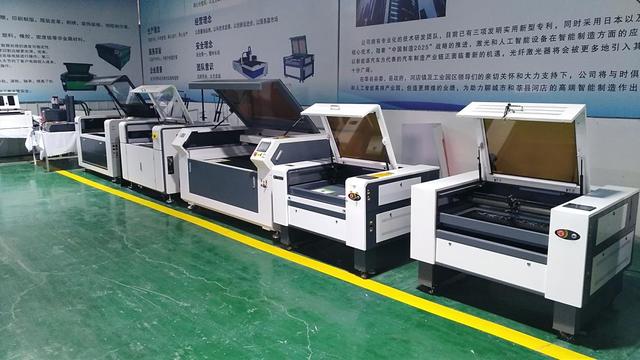
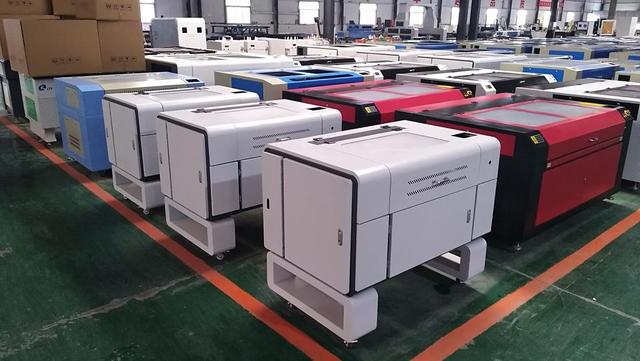
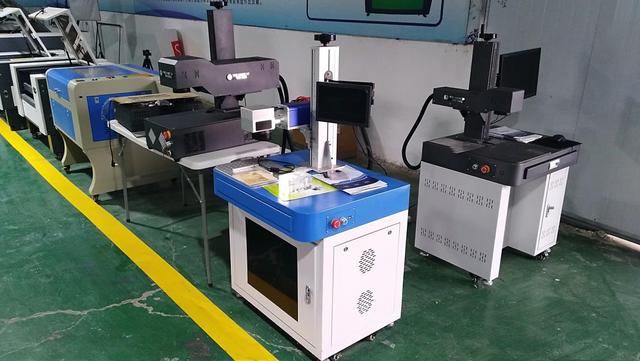
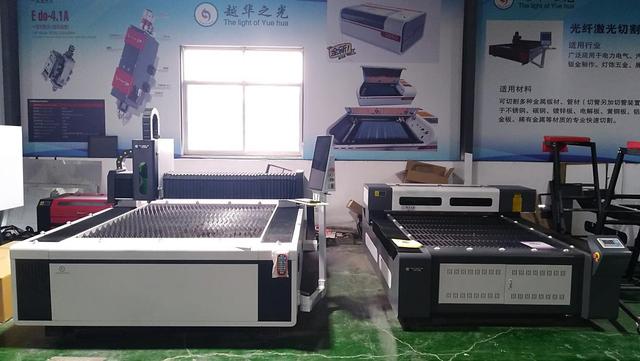
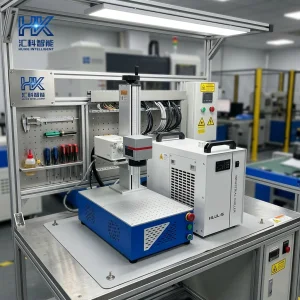
A inside look at Kinray Laser's testing chambers and assembly lines in Hangzhou.
Answers to technical and commercial questions regarding laser selection, configuration, and integration.
Fiber lasers operate at a 1064 nm wavelength and rely on thermal alteration (heating and melting) to mark materials. This makes them ideal for high-density metals and hard plastics. UV lasers operate at a 355 nm wavelength and perform "cold marking" by breaking chemical bonds directly. This minimizes heat transfer and prevents thermal stress, making UV lasers the choice for medical packaging, delicate plastics, PCBs, and glass.
Our integrated vision setups use industrial cameras and smart sensors to inspect each marking immediately after it is applied. The system compares the marked output against the target design in real-time. If it detects an anomaly (e.g., incomplete characters or low contrast), it sends an electronic signal to a pneumatic pusher or air jet system on the conveyor, rejecting the product without stopping the line.
Yes. Our industrial control software supports direct integration with external databases via API, TCP/IP, or RS232 protocols. This allows the laser to dynamically fetch variable data (such as serial numbers or batch codes) directly from your ERP or SCADA systems, apply the marking, and send back a confirmation log for inventory tracking.
We provide structural engineering customization, custom paint finishes, localized user interfaces, and custom branding options. Our team also provides detailed technical documentation, SDK integration kits, and remote engineering training to help distributors deploy and service our machines locally.
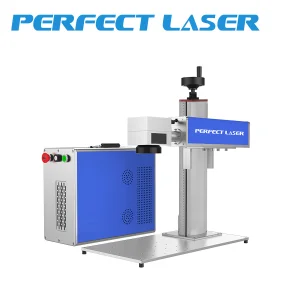
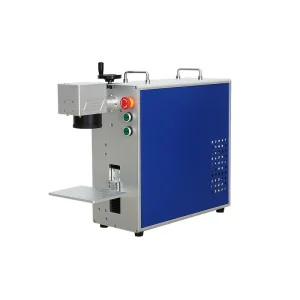
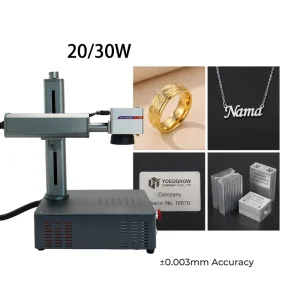
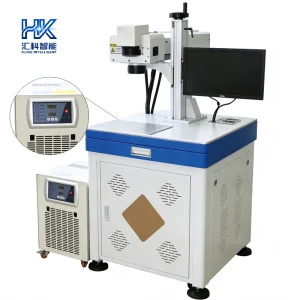
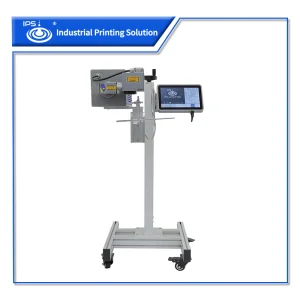
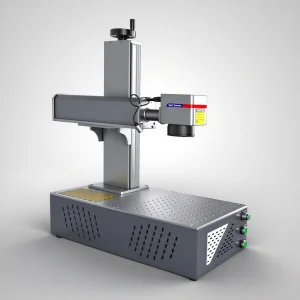
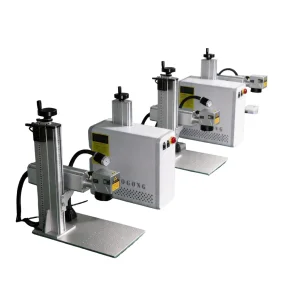
Configurable laser hardware platforms for specialized and general industrial applications.
 Kinray Laser