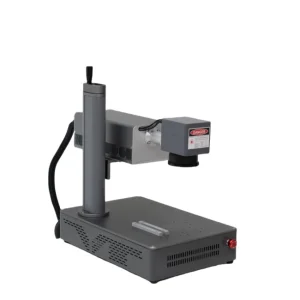
Explore our leading collection of industrial fiber, UV, and portable laser tools optimized for reliability, high-definition marking, and long-term durability.
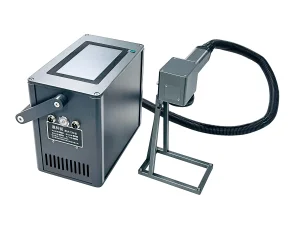
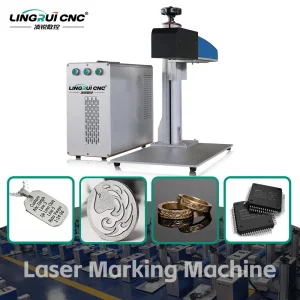
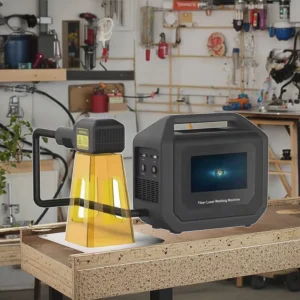
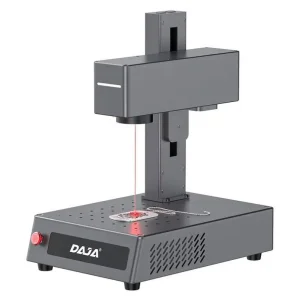
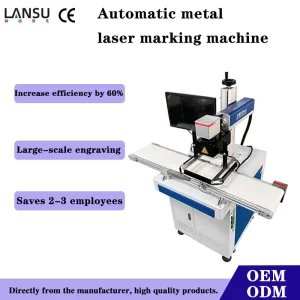
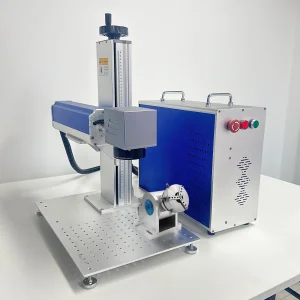
Global Pioneer in Smart Laser Integration, Manufacturing, & Quality Assurance
Hangzhou Kinray Laser Co., Ltd. is a leading China industrial laser marking machine manufacturer specializing in advanced fiber and UV laser solutions for global manufacturing industries. With a strong focus on innovation, precision, and intelligent manufacturing, Kinray Laser is committed to delivering high-performance laser equipment that improves production efficiency, product traceability, and marking quality.
Located in Hangzhou, China, the company integrates research and development, manufacturing, sales, and technical support to provide comprehensive laser processing solutions for customers worldwide. Our extensive product portfolio includes fiber laser marking machines, UV laser marking machines, CO2 laser marking systems, MOPA laser markers, flying laser marking machines, 3D laser marking equipment, and customized automated laser solutions.
Kinray Laser products are widely used in electronics, automotive, medical devices, precision hardware, jewelry, packaging, aerospace, consumer goods, and industrial manufacturing industries. Designed for high-speed, high-precision, and permanent marking applications, our systems are capable of processing a wide range of materials, including metals, plastics, ceramics, glass, and composite materials.
Equipped with advanced production facilities and rigorous quality management systems, Kinray Laser maintains strict quality control throughout every stage of manufacturing. Each machine undergoes comprehensive testing to ensure stable performance, reliability, and compliance with international standards.
To support global customers, we offer flexible OEM and ODM services for distributors, system integrators, equipment brands, and industrial manufacturers. Our experienced engineering team works closely with customers to develop customized laser solutions tailored to specific production requirements, automation needs, and industry applications.
Driven by technological innovation and customer satisfaction, Hangzhou Kinray Laser Co., Ltd. continues to expand its global presence and strives to become a trusted partner for intelligent laser processing solutions, helping manufacturers achieve smarter, more efficient, and sustainable production.
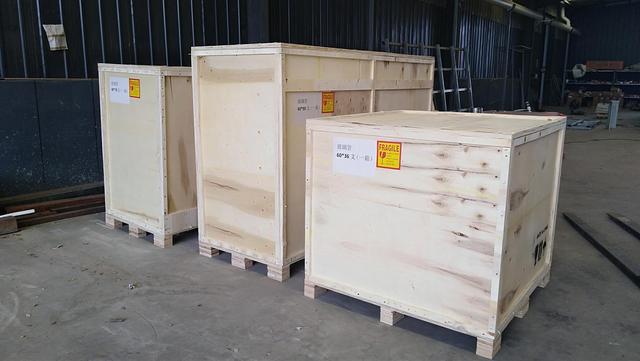
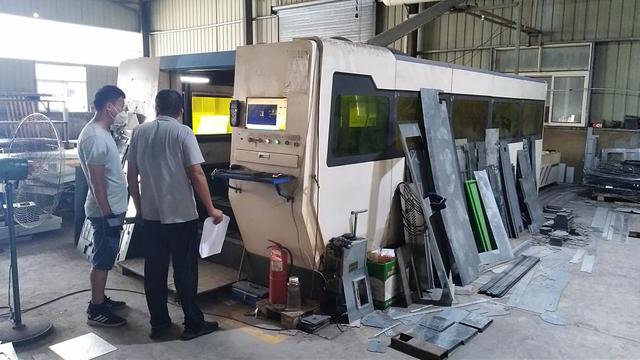
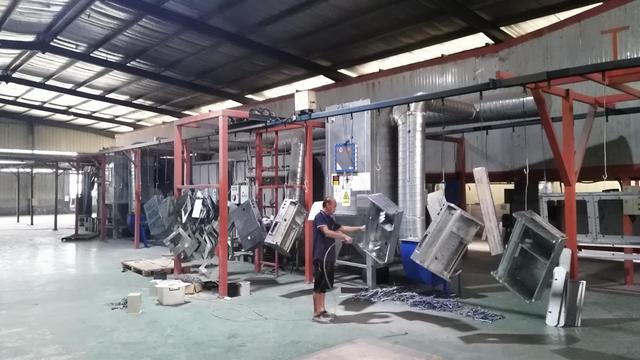
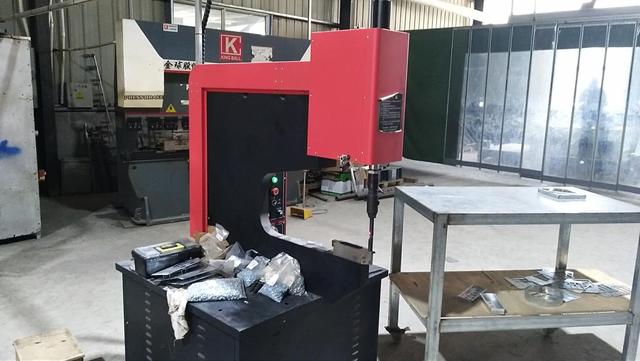
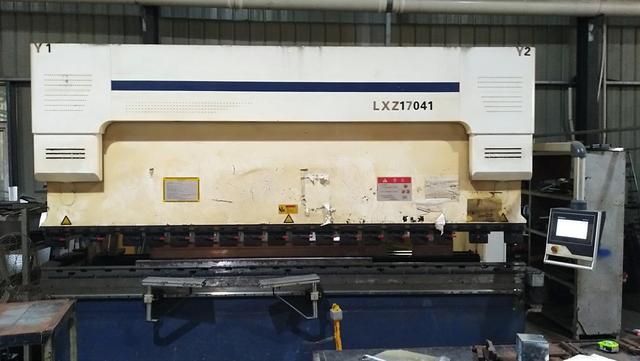
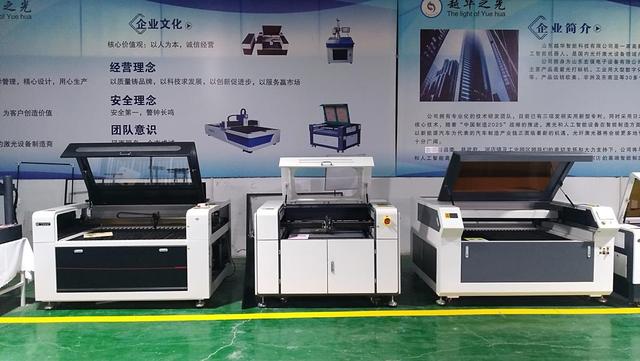
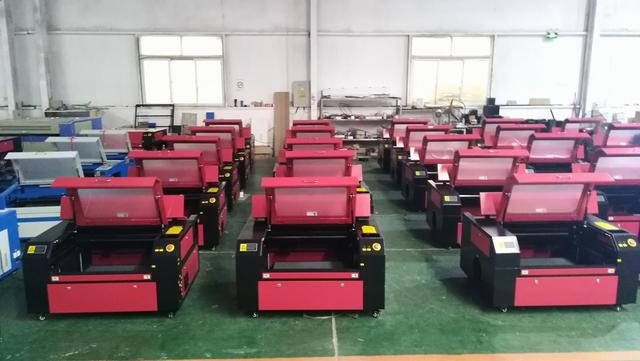
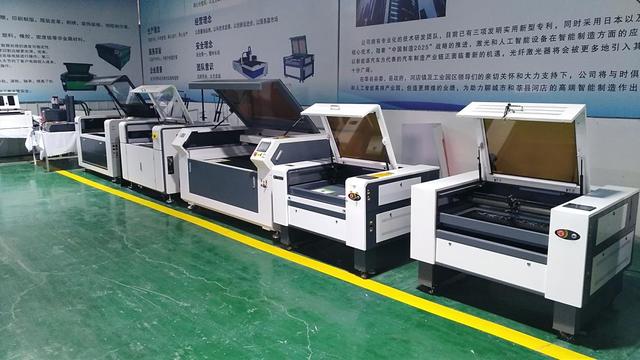
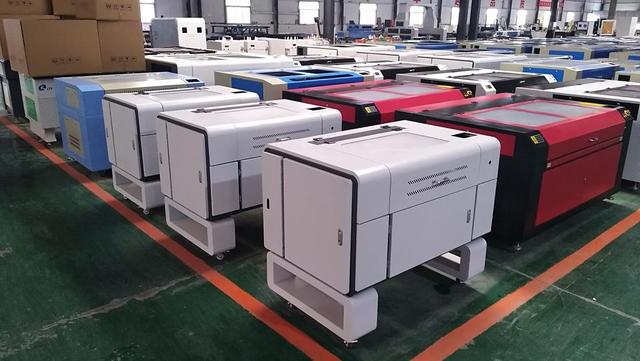
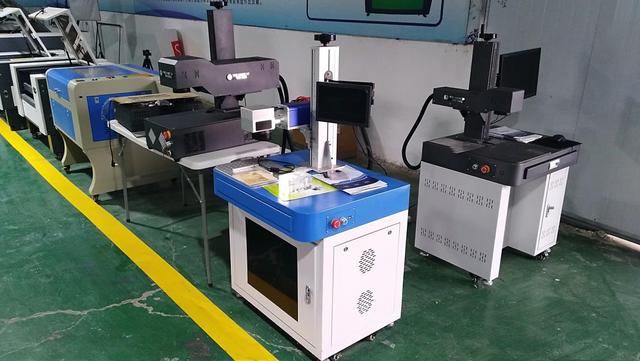
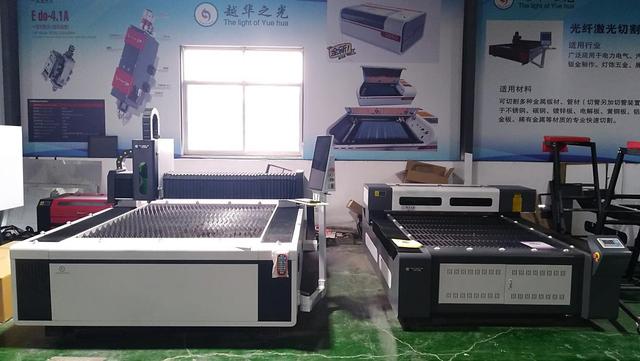
Step inside our state-of-the-art facility in Hangzhou, where strict testing parameters ensure maximum uptime for our export fleets.
Continuous Uptime Hours
Exporting Nations Served
CE & ISO 9001 Compliance
Industrial Marking Accuracy
How Hangzhou Kinray Laser Leverages Advanced Infrastructure to Deliver High-Tier Laser Systems Globally
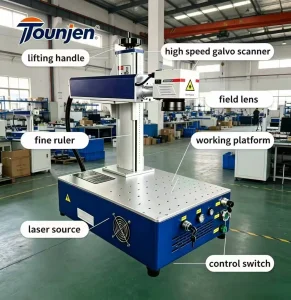
Hangzhou is positioned within China's premier optoelectronics cluster. This allows us to source high-grade optical fibers, ultra-stable laser sources (Raycus, JPT, Maxphotonics), and Sino-Galvo mirrors at direct component costs, eliminating multi-layered export markups.
Every laser system leaves our facility after completing a 72-hour continuous burn-in test. We utilize advanced beam profilers, high-frequency oscilloscope diagnostics, and power meters to certify that laser focal drift and pulse widths match specifications precisely.
Unlike standard off-the-shelf exporters, our engineering division adapts electrical wiring, cooling systems, and software protocols (EZCAD 2/3, LightBurn) to align directly with your regional safety standards (such as CDRH Class 1 enclosed configurations or multi-voltage systems).
The global laser processing sector is experiencing a massive paradigm shift. The demand for trace identification in aerospace components, medical implants, and microelectronics has rendered traditional mechanical or thermal marking obsolete. Today’s industrial standard is defined by ultra-short pulse UV and MOPA (Master Oscillator Power Amplifier) fiber lasers.
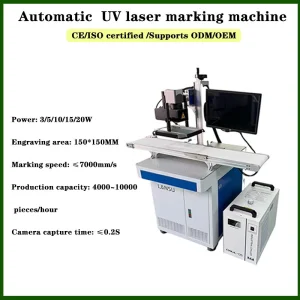
Ultra-violet lasers, operating at a wavelength of 355nm, operate through "cold processing." Rather than burning or melting the substrate (which causes a heat-affected zone, or HAZ), the high-energy UV photons directly break the molecular bonds within materials. This is crucial for electronic PCB assemblies, glass substrates, and medical plastics, where thermal drift would compromise the structural integrity of the component.
The integration of smart machine vision systems (Lansu Vision Series) into industrial marking systems represents the second major evolutionary trend. Historically, operators manually aligned workpieces, leading to placement errors and prolonged setup times. Modern batch marking applications utilize coaxial or extra-axial vision systems powered by AI algorithms. These systems capture structural features of the target object instantly, allowing the galvo scanner to adjust its focal coordinate offsets in real-time, even if components are placed randomly on a conveyor.
To assist global procurement officers in selecting the appropriate wavelength and power output, our engineering team has developed the following application reference:
Procuring industrial machinery from China requires verifiable evidence of manufacturing rigor, technical capability, and reliable after-sales support. At Hangzhou Kinray Laser Co., Ltd., our operations conform to the highest E-E-A-T guidelines to secure risk-managed supply chains for international purchasers.
Every fiber, UV, and CO2 marking machine built at Kinray features serialized components. We integrate high-reliability optical engines with documented histories of mean time between failures (MTBF > 100,000 hours). Through direct partnerships with Sino-Galvo and Raycus, we provide our global customers with verified component authenticity.
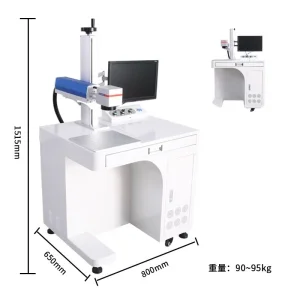
Different industrial environments require unique electrical and safety certifications. We construct dual-voltage (110V/220V) and specialized grounding designs compliant with CE safety standards. The physical chassis of our stationary systems features integrated interlocks and optical shielding to safely operate inside Class 1 environments.
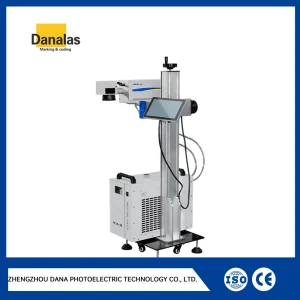
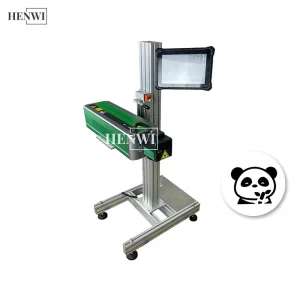
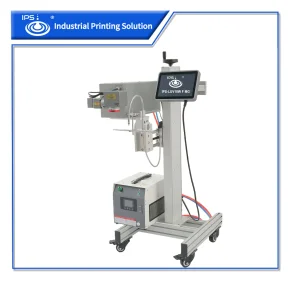
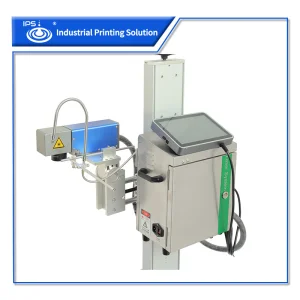
For industrial plants running automated lines, we supply our Online Flying Fiber and CO2 systems equipped with encoder-ready boards. Our systems integrate with PLC units via standard IO and TCP/IP protocols to mark QR codes, barcodes, and serial numbers at high velocity without line stops.
Answering key queries from engineers, facility managers, and distributors.
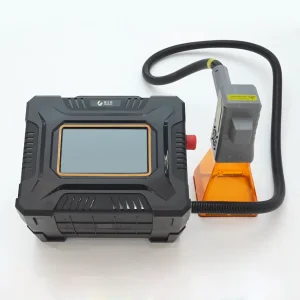
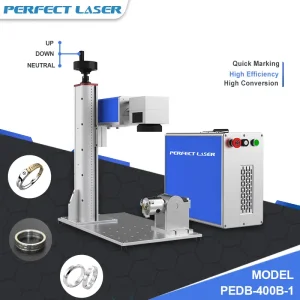
Heavy-duty, high-speed, and specialized UV/CO2 solutions for industrial assembly and marking lines.
 Kinray Laser