Explore our highly integrated laser energy platforms configured for high throughput, sub-micron precision, and structural material processing.

Years of Optoelectronic R&D
Global Export Destinations
Systems Configured Annually
Field Defect & Downtime Rate
In modern intelligent manufacturing, selecting the right industrial laser energy source is not just a question of mechanical alignment but a deep exploration of optoelectronic interactions. As a premier global OEM Laser Energy Systems factory and supplier, Hangzhou Kinray Laser Co., Ltd. builds solutions centered around photon-material dynamics. Each material—whether a refractory alloy, high-density polyethylene (HDPE), medical-grade glass, or a multi-layered semiconductor substrate—possesses a unique absorption profile that determines the success of your etching, marking, or cutting processes.
Our systems leverage the complete electromagnetic spectrum utilized in industrial fabrication. Solid-state Ytterbium fiber lasers operating at 1064nm provide superior thermal matching for high-reflectivity metals. For molecular polymers and organic substrates, our carbon dioxide (CO2) lasers emitting at 9.3µm to 10.6µm exploit high vibrational molecular absorption levels. When micro-crack formations or heat-affected zones (HAZ) must be completely eliminated, our UV (355nm) cold laser systems perform photochemical molecular bond-breaking, ensuring micron-scale precision with zero thermal deformation.
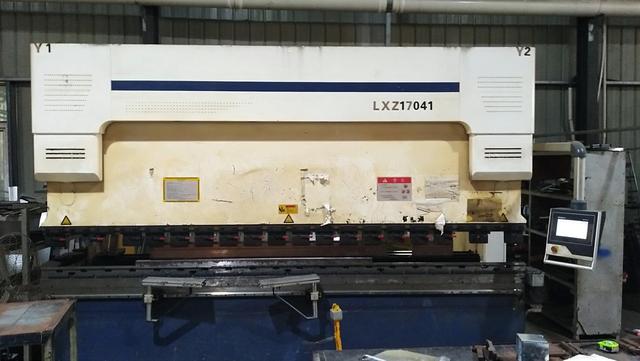
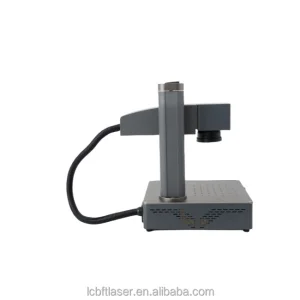
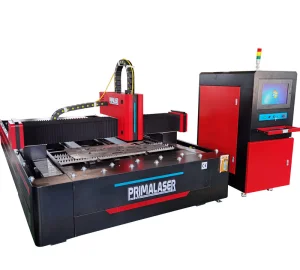
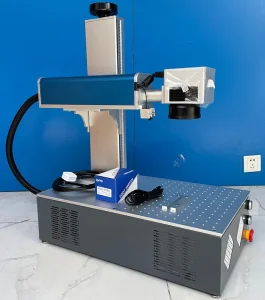
An overview of the advanced light sources and mechanical frameworks integrated into our OEM/ODM systems.
Engineered with exceptional beam parameter products (BPP) and M² factor close to 1, delivering high-speed, stable energy densities optimized for refractory metals, carbon steel, and aerospace-grade structural alloys.
By shortening the laser wavelength to 355nm, we deliver high-energy photons that directly break chemical bonds rather than generating heat. Ideal for semiconductor chips, PCB trace coding, and fragile medical-grade polymers.
With fully adjustable pulse widths (from 2ns to 500ns) and frequencies up to 2MHz, MOPA systems allow fine control over the heat input, enabling oxide color marking on stainless steel and non-destructive marking on anodized aluminum.
Ensuring our OEM systems conform to strict local compliance frameworks and industrial automation environments.
Industrial integration demands more than mounting a laser source onto a gantry. For system integrators in North America, the European Union, and developed Asian economies, Kinray Laser builds equipment compliant with FDA (CDRH) Class I / Class IV certifications and the European Union's Machinery Directive 2006/42/EC. Our machines are designed with isolated dual-channel safety interlocks, optical filtering viewing windows conforming to EN 207 standards, and integrated exhaust ports for gas extraction to protect human operators from hazardous particulate matter generated during processing.
Our OEM control architectures are built around high-speed communication buses. We support Modbus, Profinet, EtherCAT, and simple I/O protocols, enabling Kinray laser sources to interface seamlessly with centralized PLC control units (Siemens, Beckhoff, Rockwell) in automated manufacturing environments. Our software systems feature full compatibility with SDK and DLL files, allowing factory engineers to program customized user interfaces, retrieve direct logging telemetry for MES systems, and implement barcode-triggered marking tasks on the fly.
Additionally, our high-precision CCD camera systems automatically locate and target parts in real-time. By applying vision algorithms to correct positioning offsets on 2D planes and 3D curved surfaces, we completely eliminate the need for mechanical jigs, reducing production setup times and lowering human error rates.
Why manufacturing with Hangzhou Kinray Laser Co., Ltd. gives global distributors a sustainable competitive edge.
Hangzhou, located at the core of China's advanced manufacturing corridor, provides Kinray Laser with unparalleled access to top-tier optoelectronic components, advanced semiconductor diodes, and precision mechanical component suppliers. This geographical concentration allows us to shorten our procurement cycles, perform rapid prototyping, and mitigate global logistics bottlenecks. Our supply chain is structured to ensure that even during severe raw material volatility, our production costs remain highly competitive without compromising on structural component quality.
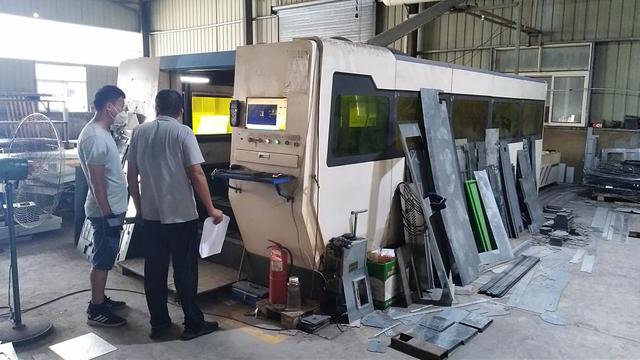
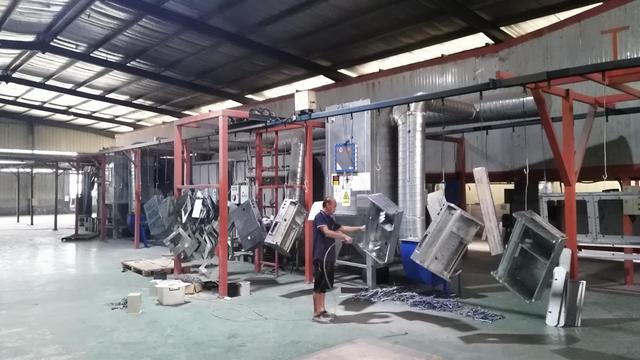
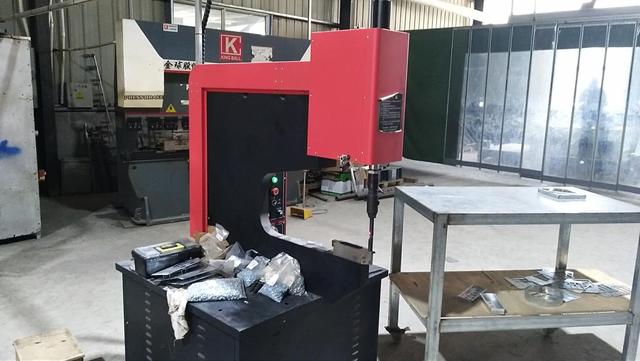
By leveraging local vertical integration—ranging from the initial precision machining of structural gantries to the final calibration of the galvo scanning mirrors and software programming—we pass significant cost savings to our OEM partners. Every laser module undergoes a continuous 72-hour stress-test protocol under fluctuating thermal loads to guarantee reliability before shipment, ensuring you receive robust, industrial-grade equipment designed to run 24/7/365.
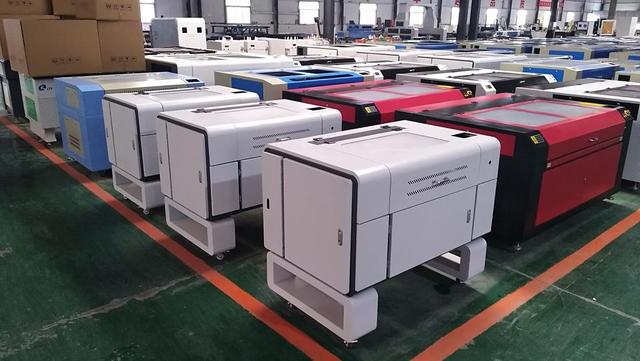
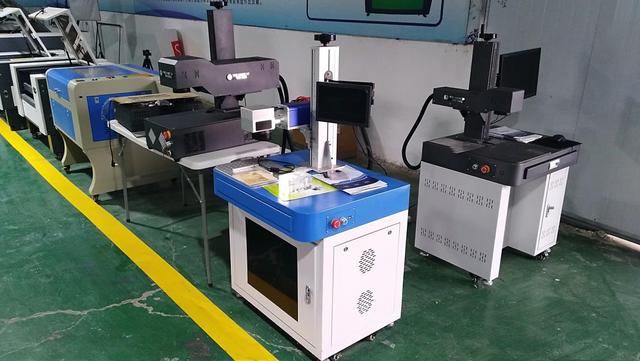
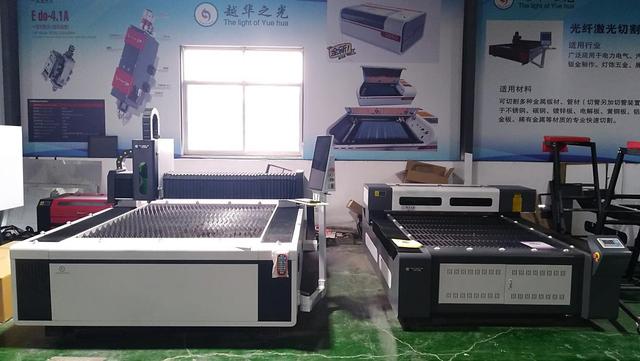
Developing the next generation of laser materials processing technologies.
The industrial laser processing landscape is rapidly evolving towards higher energy efficiency, shorter wavelengths, and intelligent automation. Kinray Laser's research roadmap focuses on several key areas:
Answers to common engineering and commercial questions about integrating our OEM laser energy systems.
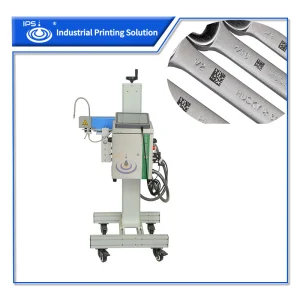
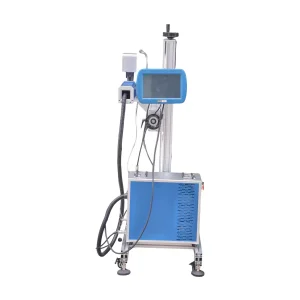
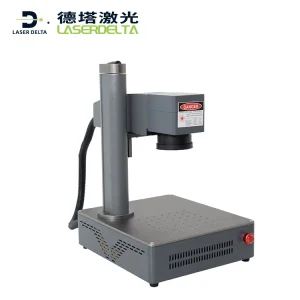
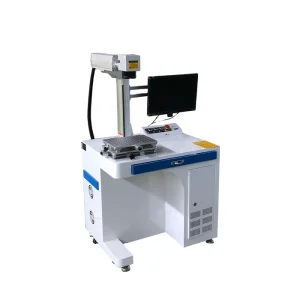
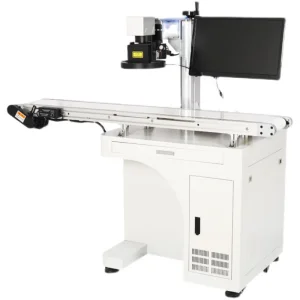
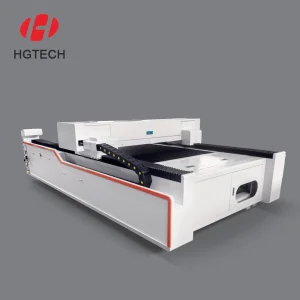
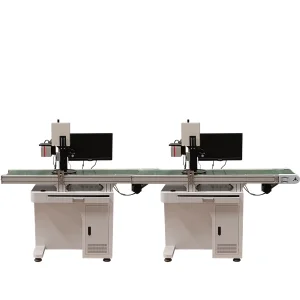
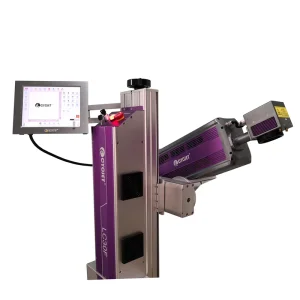
Explore our specialized solutions, including online laser coding systems and high-power CO2 CNC systems.
 Kinray Laser