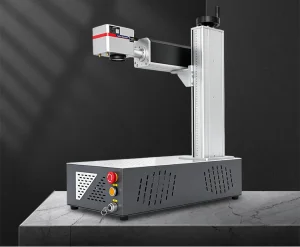
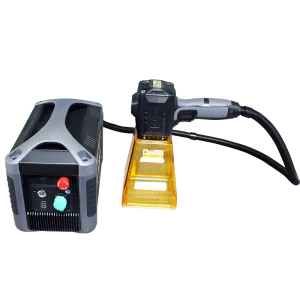
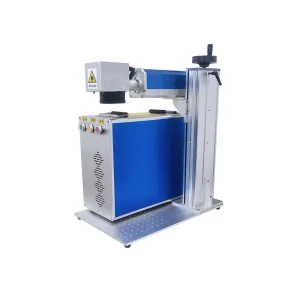
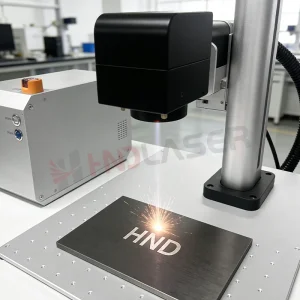
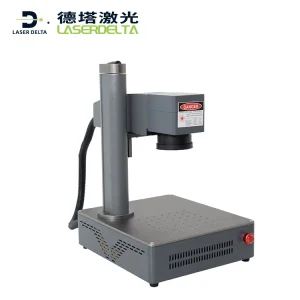
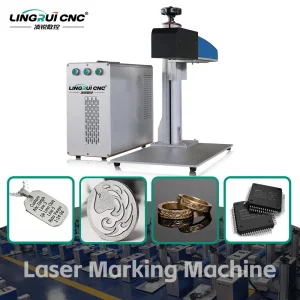
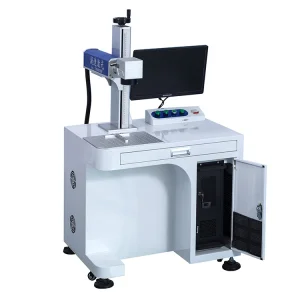
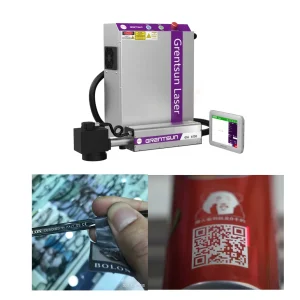
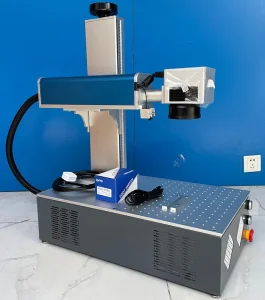
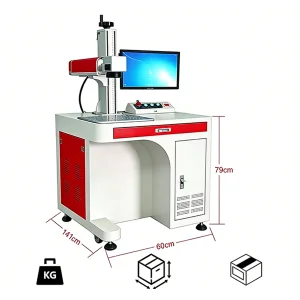
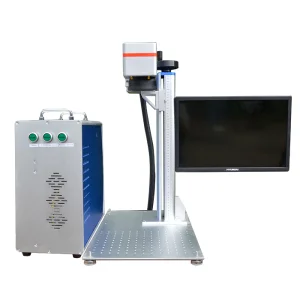
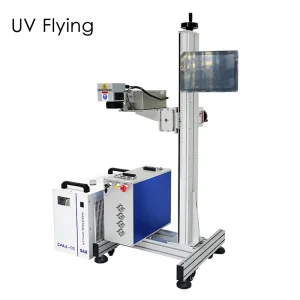
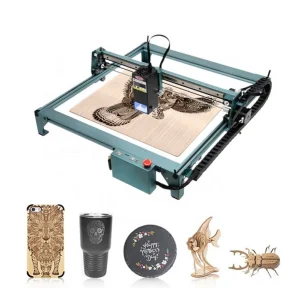
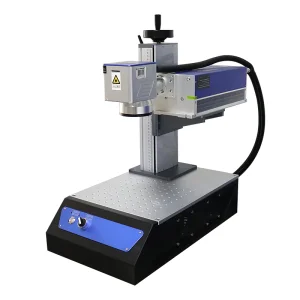
Discover our signature line of heavy-duty, high-performance laser engraving and marking equipment designed for global production integration.
The shift toward absolute component traceability and green digital marking processes.
In the era of Smart Manufacturing and Industry 4.0, Direct Part Marking (DPM) and component-level tracking have transitioned from regulatory mandates to essential operational practices. Traditional marking methods like chemical etching, mechanical stamping, and thermal inkjet printing are rapidly being phased out. Modern manufacturers demand permanent, non-contact, high-speed, and clean marking alternatives—demands that are fulfilled by advanced laser labeling systems.
Global dynamics in the aerospace, semiconductor, automotive (particularly Electric Vehicles), and medical device industries have accelerated the adoption of custom OEM laser labeling setups. Today's procurement teams are looking for more than off-the-shelf equipment. They require customized, system-integrated laser solutions that offer native support for ERP/MES software, high-speed galvo scanners, and automated optical inspections. This ensures zero defects and seamless throughput across the supply chain.
Selecting the optimal wavelength and pulse control parameters for your manufacturing application.
Operates at a wavelength of 1064nm. Best suited for high-density metal engraving (stainless steel, carbon steel, brass) and robust engineering plastics. Offers extreme thermal efficiency, long laser life, and rugged structural dependability.
Operating at 355nm (ultraviolet), UV lasers use photolytic degradation, breaking molecular bonds with minimal heat generation. Essential for heat-sensitive plastics, glass, medical-grade silicones, and thin packaging films.
Allows adjustments to pulse duration (from 2ns to 500ns) and frequency. This control prevents surface deformation in thin foils, enables high-contrast black marking on anodized aluminum, and produces multi-color marking on stainless steel.
Why leading global corporations source custom OEM systems from Hangzhou's industrial hubs.
Purchasing laser markers from a reputable Chinese manufacturer like Hangzhou Kinray Laser Co., Ltd. offers access to a highly integrated laser technology ecosystem. This cluster houses state-of-the-art optical glass suppliers, advanced structural steel metal fabrication, galvo controller card developers, and robust semiconductor packaging firms.
At Kinray Laser, our production facilities utilize advanced manufacturing technology (Factory 4.0 processes), integrating automated quality control stations, laser interferometers, and environmental testing chambers. The result is a substantial reduction in production lead times, immediate scalability for large OEM orders, and highly competitive pricing—all without compromising mechanical or optical quality. Our location in Hangzhou also provides quick access to international shipping ports, streamlining global shipping pipelines.
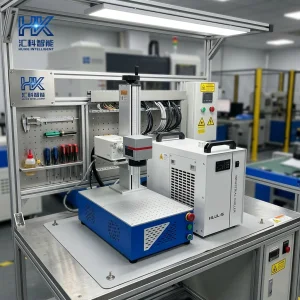
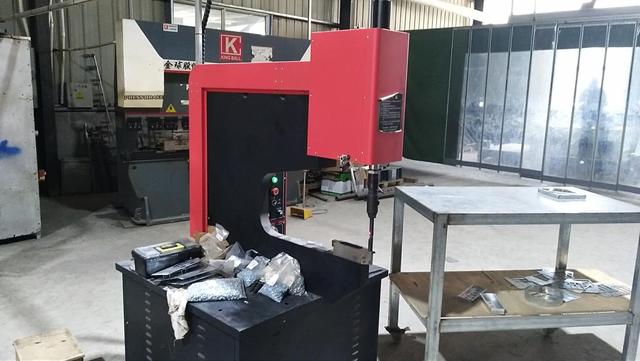
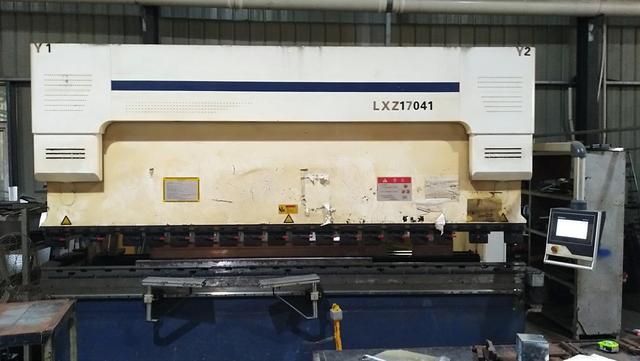
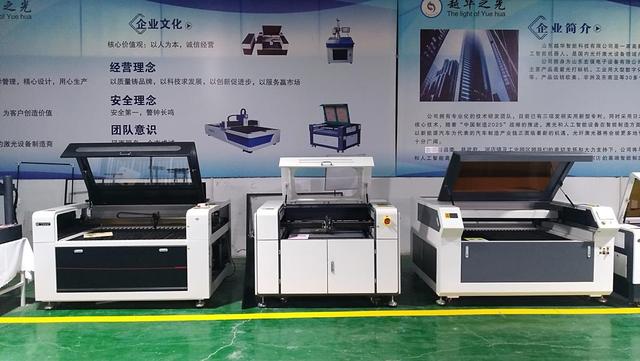
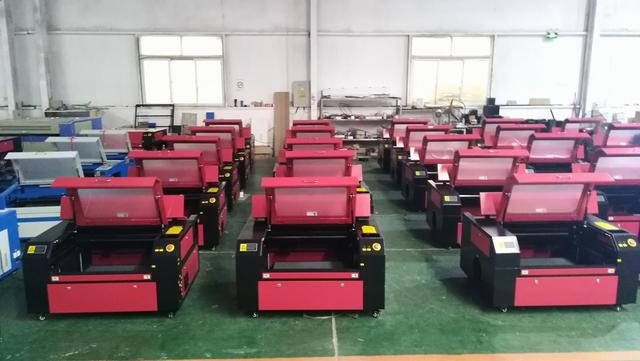
Our production floor, technical testing facilities, assembly lines, and design headquarters.
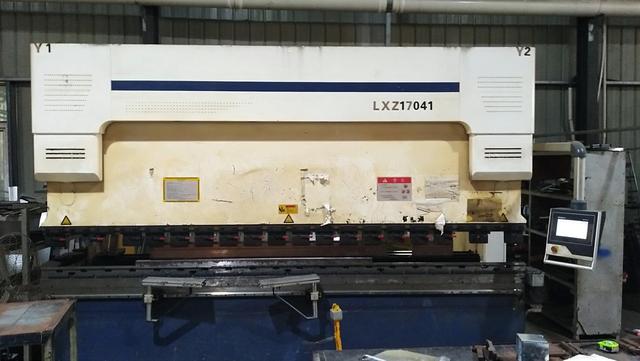
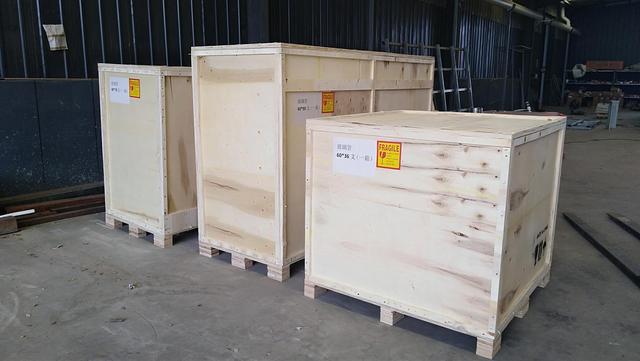
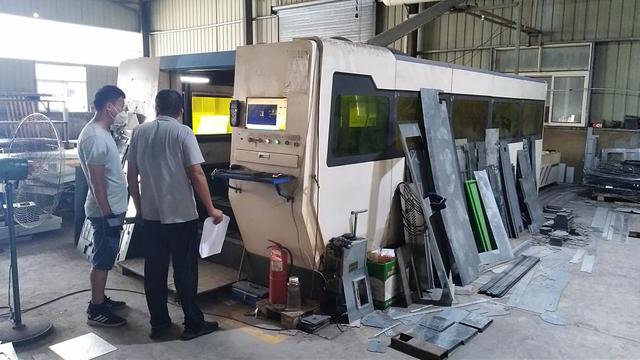
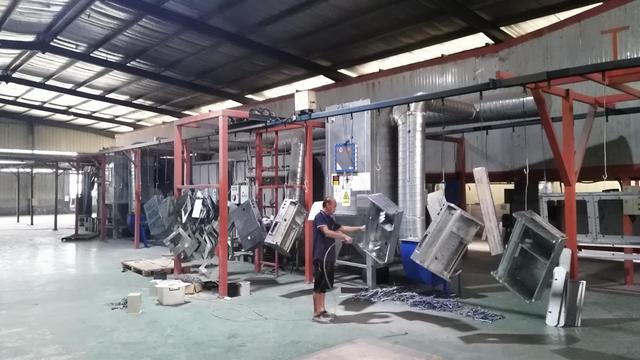
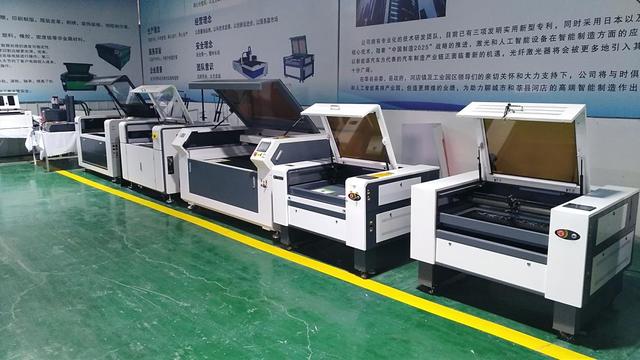
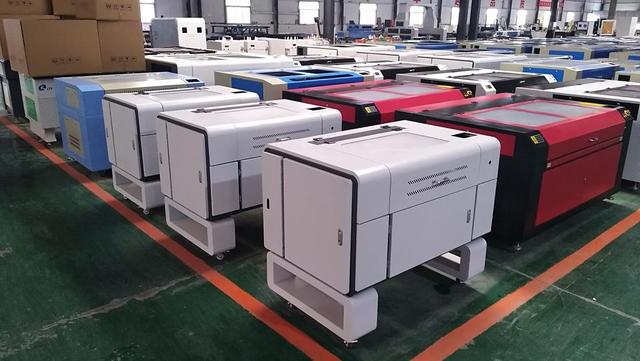
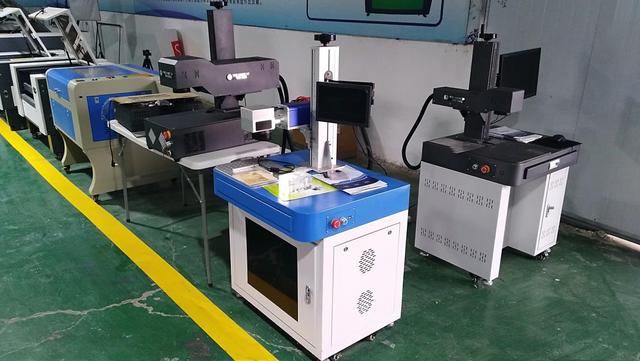
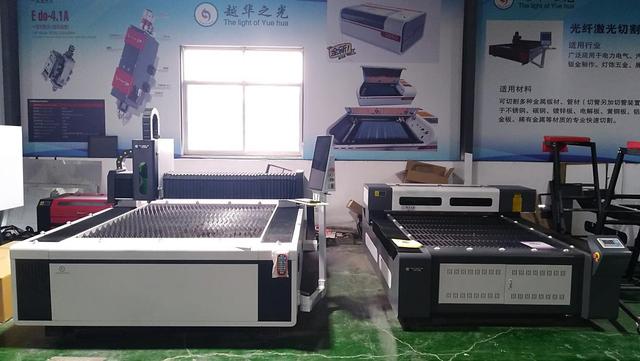
How we support machinery integrators, factory operators, and OEM product partners worldwide.
Hangzhou Kinray Laser Co., Ltd. is a leading Chinese manufacturer specializing in advanced fiber and UV laser solutions for global manufacturing industries. Located in Hangzhou, China, the company integrates R&D, manufacturing, sales, and technical support to deliver comprehensive laser processing solutions.
We work closely with global industrial partners, system integrators, and equipment brands to offer flexible OEM and ODM services. Our customization options cover every element of the machine configuration:
How our laser systems perform under rigorous field conditions across major sectors.
Aerospace fasteners, engine components, and automotive steering elements require highly durable identification markings. Our 30W and 50W Fiber Laser Marking Machines produce clean, high-contrast, permanent alphanumeric codes and 2D Data Matrix codes directly on alloy steel, titanium, and aluminum without weakening the part's mechanical structure.
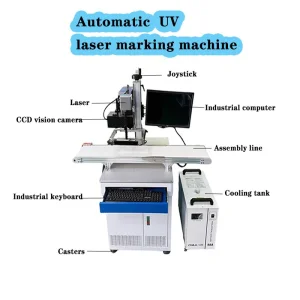
Medical compliance mandates Unique Device Identification (UDI) marks on devices and tubing. Using our 5W UV Vision Laser System, medical manufacturers mark medical-grade silicone tubing. The 355nm UV laser prevents thermal cracking or micro-structural alterations on plastic or polymer surfaces, keeping the material smooth, sterile, and free of toxic residue.
Extrusion plants for PVC, PE, and PP pipes require continuous marking solutions. Kinray's Flying Online Laser Coding Machines match line speeds exceeding 250 meters per minute. The system syncs with the line encoder to apply exact meter marks and batch numbers on the fly, eliminating the consumable costs and messy cleanup associated with industrial inkjet printers.
Boutique workshops and mass jewelry manufacturers require clean micro-markings on ring bands, watches, and necklaces. Utilizing MOPA and UV desktop laser systems, operators can perform thin-kerf engraving on gold, silver, and platinum. Our systems enable high-precision engravings and micro-lettering without damaging nearby polished surfaces.
Technical details, compliance questions, and purchasing guidelines for manufacturing leads.
Q1: What are the primary differences between Fiber and UV laser sources?
Fiber lasers (1064nm) rely on a photothermal reaction, heating the target material to engrave or anneal it. They are ideal for high-density plastics and metals. UV lasers (355nm) utilize a photochemical reaction called "cold marking," which breaks chemical bonds without generating heat. This makes UV lasers ideal for heat-sensitive plastics, glass, paper, and medical-grade materials.
Q2: How does Kinray Laser customize machines for automated production lines?
We offer custom system integration using software APIs and PLC interface modules (such as RS232, TCP/IP, and Modbus). This allows the laser marking system to receive trigger signals, fetch unique serialization data from the customer's ERP/MES database, verify the marking via integrated CCD cameras, and output a go/no-go status signal to the line PLC.
Q3: What certifications do Kinray Laser systems hold for export to Western markets?
Our complete product range carries CE certification, ensuring compliance with relevant European safety and electromagnetic compatibility standards. Additionally, we use class-compliant components, and our factory adheres to the ISO 9001 quality management standard to ensure build consistency.
Q4: Can these systems print dynamic variable data like batch barcodes, QR codes, and micro-text?
Yes, our laser marking control systems natively support dynamic data processing. This includes real-time system clocks, auto-incrementing serial numbers, shift codes, batch numbering, and the direct conversion of input strings into high-resolution 2D barcodes (such as Data Matrix, PDF417, or QR Codes) that comply with ISO/IEC standards.
Q5: What is the typical lifespan of the laser source, and what maintenance is required?
High-quality Fiber laser sources are rated for approximately 100,000 operational hours, while UV laser sources typically offer a lifespan of 20,000 to 30,000 hours, depending on system usage. Because these systems do not require ink, ribbons, or pins, maintenance is limited to keeping the external optical lens clean and ensuring the cooling system works correctly.
Q6: How does Kinray Laser manage quality control throughout the manufacturing phase?
Every laser machine undergoes a strict multi-step testing phase. This includes a 48-hour continuous burn-in test of the laser source, precision optical alignment using specialized power meters, cabinet structural checks, and actual materials testing on customer-supplied samples to verify marking accuracy and speed before shipping.
Q7: How do you handle shipping, and what is the typical lead time for custom OEM orders?
Standard configurations are typically shipped within 7 to 10 working days. Custom OEM orders (which may require specialized housing, automatic feeding conveyors, or vision alignment systems) are delivered in 15 to 25 working days. We work with major ocean freight lines and express couriers to manage worldwide shipping.
Select the right technical configuration for your assembly floor or OEM manufacturing application.
 Kinray Laser