High-speed engraving, marking, and etching configurations tailored for modern industrial production lines.
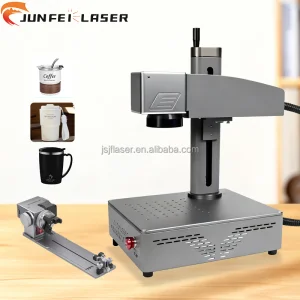
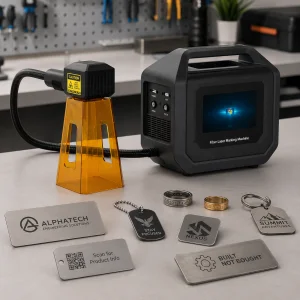
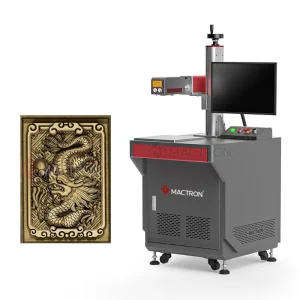
The global manufacturing ecosystem is undergoing an unprecedented shift toward traceability, regulatory compliance, and rapid customization. At the core of this transition are custom laser solutions, which have replaced traditional mechanical engraving, inkjet printing, and chemical etching methods. Modern industrial sectors require micro-precision markings that can withstand harsh environments, sterilization, and lifetime wear without compromising the structural integrity of the substrate material.
From aerospace components requiring low-stress component marking to medical tools demanding biocompatible passivation-resistant markings, the flexibility of custom laser integration has become a major growth vector. The demand for customized solutions—where laser wavelengths, pulse widths, scan speeds, and automated handling systems are specifically engineered for distinct assembly lines—is projected to grow significantly over the next decade. Industry 4.0 connectivity demands that laser systems no longer operate as isolated workstations but as fully integrated, IoT-enabled nodes capable of dynamic data ingestion and automatic adjustments.
SEO Insight & Intent: Industrial buyers do not search for generic laser systems; they search for applications. Customization refers to the synergy between hardware (galvo scanning heads, specific optical path designs) and software (SDK interfaces, ERP/MES integrations) that adapts to specialized substrates like curve metals, carbon fibers, and engineering plastics.
China's industrial laser manufacturing hubs, particularly in advanced tech zones like Hangzhou, have redefined the cost-to-performance ratio of custom laser solutions. Hangzhou Kinray Laser Co., Ltd. serves as a prime example of how integrated domestic supply chains reduce manufacturing bottlenecks while boosting innovation speed.
Unlike Western suppliers that rely heavily on distributed global components—resulting in extended lead times and high pricing structures—Chinese manufacturers leverage a dense cluster of optical component suppliers, software engineers, and precision CNC fabrication shops. This allows companies like Kinray Laser to achieve several distinct advantages:
Furthermore, Chinese laser manufacturers are highly flexible. While large global conglomerates dictate rigid catalog options, manufacturers like Kinray provide agile OEM and ODM services, tailoring the laser generator (IPG, Raycus, Maxphotonics, or JPT MOPA), galvo scanner speed parameters, and specific software controls to the customer’s precise specifications.
Different materials and production setups require distinct laser wavelengths. Understanding these localized application scenarios is critical to selecting the correct system configuration.
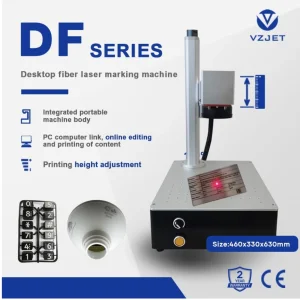
For VIN plates, chassis numbers, and powertrain casting codes, Fiber Laser systems (such as Kinray’s 20W, 30W, and 50W models) are the gold standard. They provide deep ablation, high contrast, and permanent tracking marks that survive post-process heat treatments, e-coating, and decades of environmental exposure.
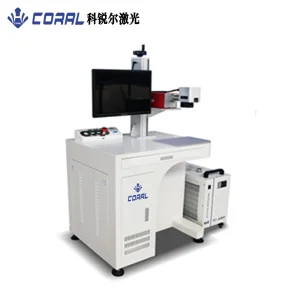
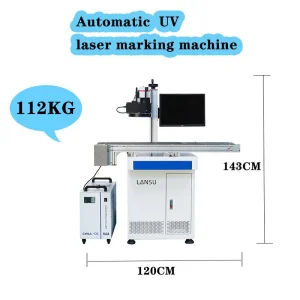
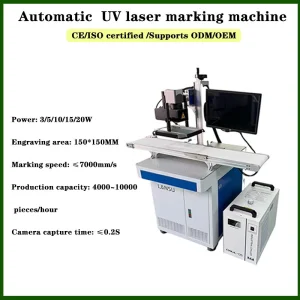
Printed Circuit Boards (PCBs) and micro-scale plastic housings are highly sensitive to thermal stress. A CO2 or high-power fiber laser may scorch or damage surrounding circuitry. Here, 3W and 5W UV laser systems utilize "cold engraving"—a photochemical ablation process where the high-energy UV light breaks molecular bonds without generating high heat. This ensures crisp QR codes, barcode markings, and serial letters without delaminating delicate substrates.
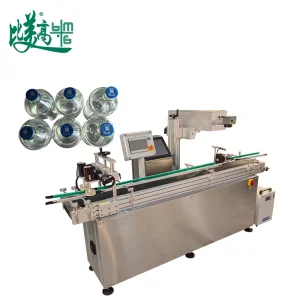
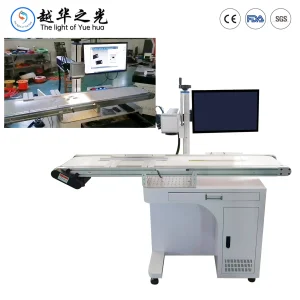
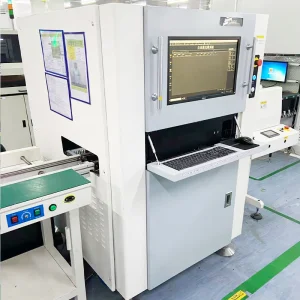
In high-speed beverage or pharmaceutical packaging, static laser markers are insufficient. Instead, flying laser marking systems integrated with conveyor tracking modules and CCD camera recognition systems are utilized. These systems automatically detect parts, verify orientation, adjust laser alignment in real-time, and mark moving products on the fly without stopping the production line.
The industrial laser field is evolving rapidly, driven by automation, material sciences, and artificial intelligence. Manufacturers seeking future-proof equipment must keep the following trends in mind:
1. AI-Driven Visual Alignment and Inspection: Modern laser systems increasingly feature integrated coaxial camera modules. These modules utilize artificial intelligence to identify the contours and positions of arbitrarily oriented parts, adjusting the galvo pattern instantly. Post-mark inspection algorithms verify readability before a part progresses along the line.
2. The Proliferation of MOPA Laser Technology: Standard Q-switched fiber lasers have fixed pulse durations. MOPA (Master Oscillator Power Amplifier) technology allows variable pulse widths, enabling precise control over thermal impact. This is essential for marking colors on stainless steel, blackening anodized aluminum, and engraving delicate plastics without burning them.
3. Seamless MES/ERP Software Communication: The software driving laser systems is shifting away from isolated USB card systems toward network-based controllers. These controllers accept commands via TCP/IP, Modbus, or Profinet protocols directly from industrial servers, ensuring zero human intervention during production serial adjustments.
When purchasing custom laser solutions from overseas suppliers, enterprise buyers must balance cost efficiency with long-term reliability. A robust procurement checklist should include:
Hangzhou Kinray Laser Co., Ltd. is a leading China industrial laser marking machine manufacturer specializing in advanced fiber and UV laser solutions for global manufacturing industries. With a strong focus on innovation, precision, and intelligent manufacturing, Kinray Laser is committed to delivering high-performance laser equipment that improves production efficiency, product traceability, and marking quality.
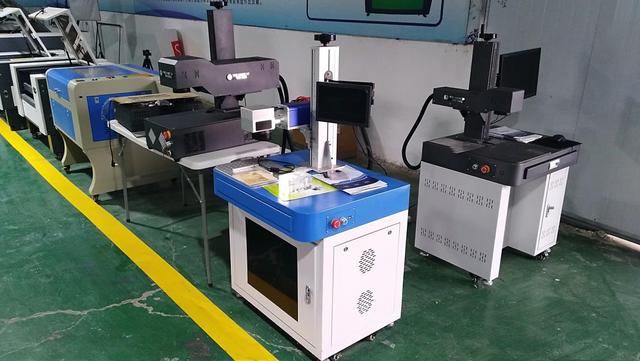
Located in Hangzhou, China, the company integrates research and development, manufacturing, sales, and technical support to provide comprehensive laser processing solutions for customers worldwide. Our extensive product portfolio includes fiber laser marking machines, UV laser marking machines, CO2 laser marking systems, MOPA laser markers, flying laser marking machines, 3D laser marking equipment, and customized automated laser solutions.
Kinray Laser products are widely used in electronics, automotive, medical devices, precision hardware, jewelry, packaging, aerospace, consumer goods, and industrial manufacturing industries. Designed for high-speed, high-precision, and permanent marking applications, our systems are capable of processing a wide range of materials, including metals, plastics, ceramics, glass, and composite materials.
Equipped with advanced production facilities and rigorous quality management systems, Kinray Laser maintains strict quality control throughout every stage of manufacturing. Each machine undergoes comprehensive testing to ensure stable performance, reliability, and compliance with international standards.
To support global customers, we offer flexible OEM and ODM services for distributors, system integrators, equipment brands, and industrial manufacturers. Our experienced engineering team works closely with customers to develop customized laser solutions tailored to specific production requirements, automation needs, and industry applications.
Driven by technological innovation and customer satisfaction, Hangzhou Kinray Laser Co., Ltd. continues to expand its global presence and strives to become a trusted partner for intelligent laser processing solutions, helping manufacturers achieve smarter, more efficient, and sustainable production.
Technical answers addressing critical inquiries from engineers and procurement specialists.
Fiber lasers operate at a 1064nm infrared wavelength, utilizing thermal energy to melt, ablate, or discolor materials. They are ideal for high-density metals, ceramics, and select plastics. UV lasers operate at a 355nm wavelength, using photochemical ablation ("cold marking") to break molecular bonds without producing heat damage, making them optimal for delicate polymers, glass, and electronic PCBs.
Yes, our customized solutions support industry-standard interfaces including TCP/IP, Modbus, RS232, and digital I/O. Our control systems integrate with MES and ERP networks to pull sequential data, 2D matrix arrays, or bar code contents dynamically for high-speed automated processes.
High-grade fiber laser sources (such as IPG, Raycus, and JPT) boast an average diode lifespan of up to 100,000 working hours under correct operating conditions, translating to years of maintenance-free operation.
MOPA (Master Oscillator Power Amplifier) lasers allow users to adjust pulse widths independently of frequency. Adjusting pulse durations (from 2ns to 500ns) controls heat deposition, enabling dark black marking on anodized aluminum and oxide layers that display distinct colors on stainless steel.
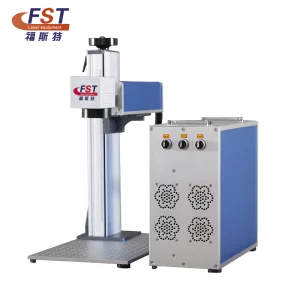
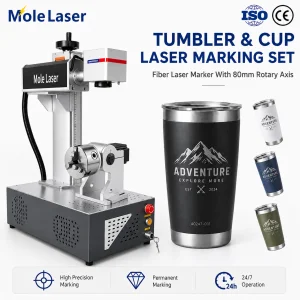
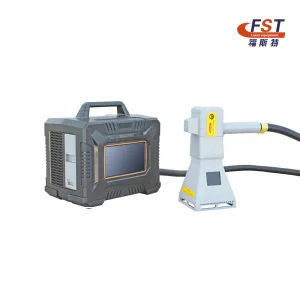
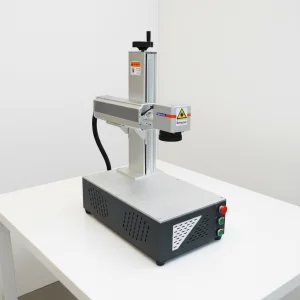
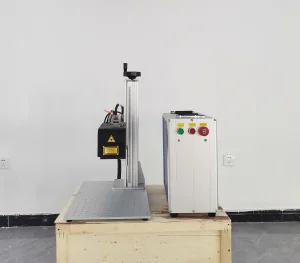
Explore our specialized, high-performance series designed for industrial marking, integration, and line automation.
 Kinray Laser