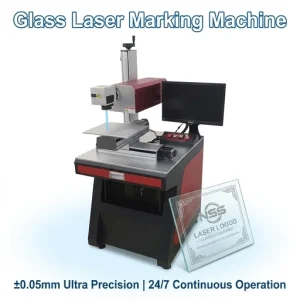
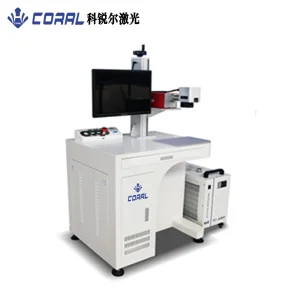
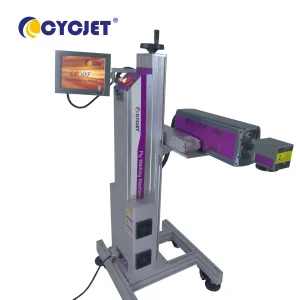
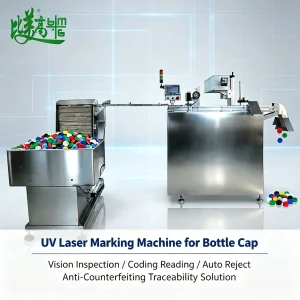
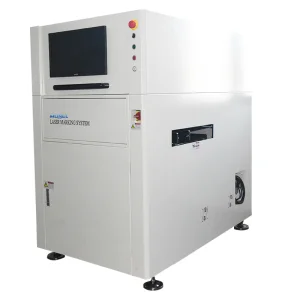
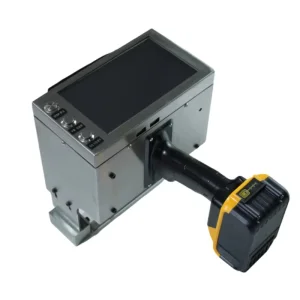
Premium laser solutions engineered for micron-level positioning feedback, high-speed inline marking, and micro-machining diagnostics.
Analyzing key structural shifts in high-value component sourcing and precision laser manufacturing metrics.
In the modern landscape of high-speed manufacturing, precision measurement tools and precision laser markers are no longer isolated systems. Instead, they form a symbiotic feedback loop. A top-tier laser exporter must possess a deep understanding of metrological integrity. Before a laser source applies an anti-counterfeiting micro-QR code to a pharmaceutical glass vial or a medical implant, the substrate's location must be mapped at a sub-micron scale using optical sensors.
Industrial buyers look beyond basic specifications. They seek systems that integrate automatic spatial calibration, real-time visual inspection, and dynamic depth-sensing algorithms. The demand is driven by the rise of smart factory models (Industry 4.0), where every single mark requires geometric verification to assure trace-level accuracy.
How leading global manufacturers deploy advanced integrated laser systems to resolve structural engineering and compliance challenges.
Engraving structural chassis components requires heavy-duty VIN markers that withstand post-production chemical washes, sandblasting, and heat treatment. Systems must measure material depth prior to engraving to guarantee minimum permanent depths.
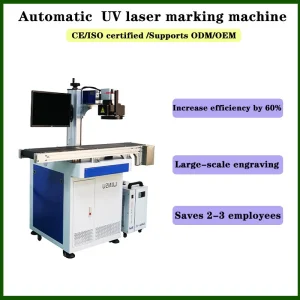
Surgical implants and medical equipment demand direct part marking (DPM) without causing heat damage or inducing surface contamination. Cold UV laser systems provide minimal heat-affected zones (HAZ) and excellent microscale clarity.
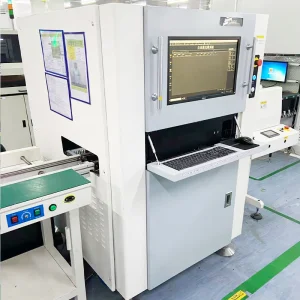
Fast-moving SMT lines rely on auto-alignment and high-resolution optical inspection (AOI) feedback loops. Real-time vision-guided systems precisely identify the coordinates of PCB fiducials, avoiding structural elements and maximizing yields.
A closer look at how manufacturers transition from manual setups to smart, automated laser metrology and coding lines.
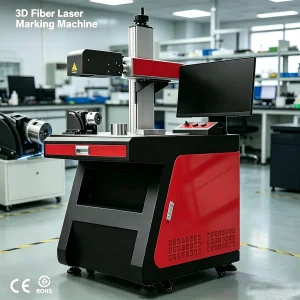
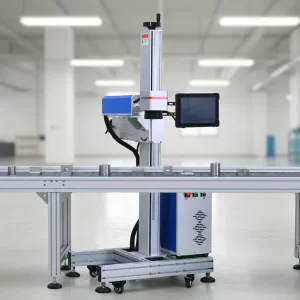
The laser exporter market is moving rapidly from manual setups to fully automated systems. The integration of 3D dynamic focusing systems, combined with MOPA fiber architectures, enables variable pulse durations. This allows companies to optimize laser pulses for specific thermal properties of materials.
Looking ahead, we anticipate the widespread adoption of AI-driven vision-guided systems. These systems will not only measure components but also analyze marking depth and read QR codes in real-time, automatically correcting any errors.
A trusted name in advanced fiber, UV, and CO2 laser solutions for high-precision global manufacturing industries.
Hangzhou Kinray Laser Co., Ltd. is a leading China industrial laser marking machine manufacturer specializing in advanced fiber and UV laser solutions for global manufacturing industries. With a strong focus on innovation, precision, and intelligent manufacturing, Kinray Laser is committed to delivering high-performance laser equipment that improves production efficiency, product traceability, and marking quality.
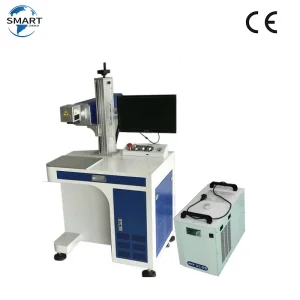
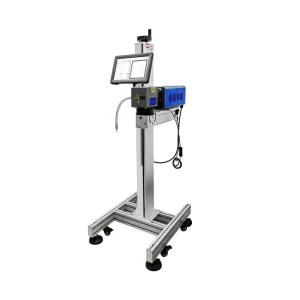
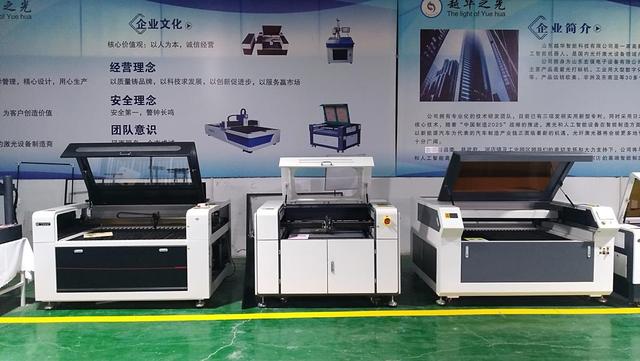
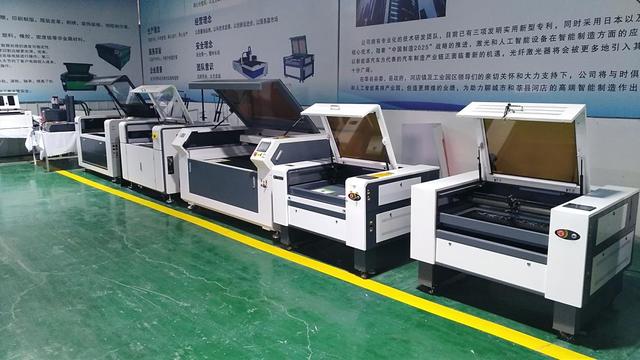
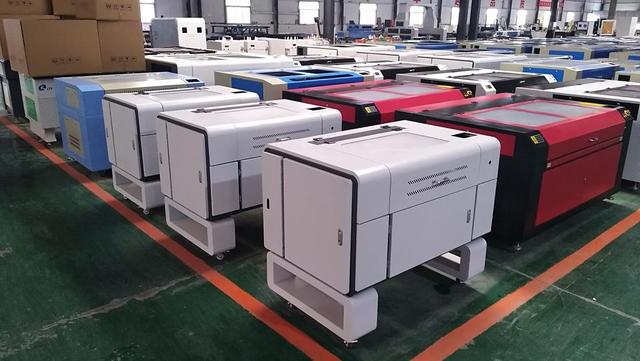
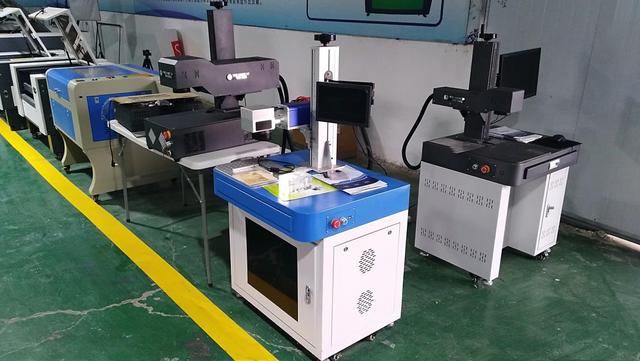
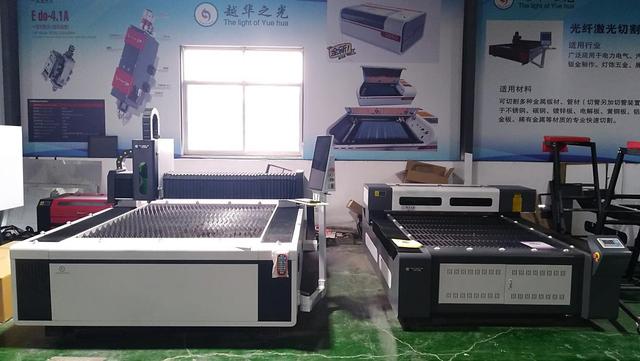
Located in Hangzhou, China, the company integrates research and development, manufacturing, sales, and technical support to provide comprehensive laser processing solutions for customers worldwide. Our extensive product portfolio includes fiber laser marking machines, UV laser marking machines, CO2 laser marking systems, MOPA laser markers, flying laser marking machines, 3D laser marking equipment, and customized automated laser solutions.
Kinray Laser products are widely used in electronics, automotive, medical devices, precision hardware, jewelry, packaging, aerospace, consumer goods, and industrial manufacturing industries. Designed for high-speed, high-precision, and permanent marking applications, our systems are capable of processing a wide range of materials, including metals, plastics, ceramics, glass, and composite materials.
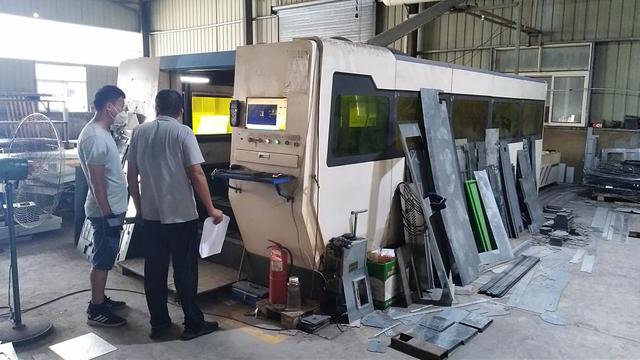
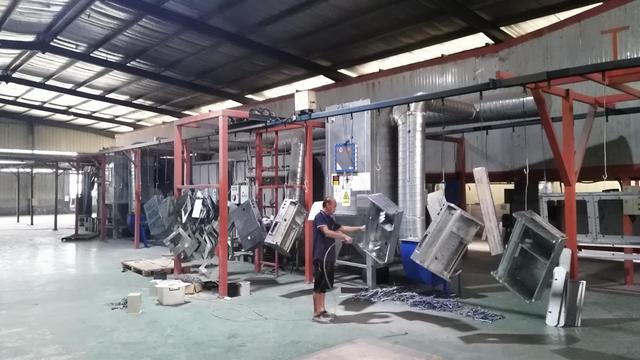
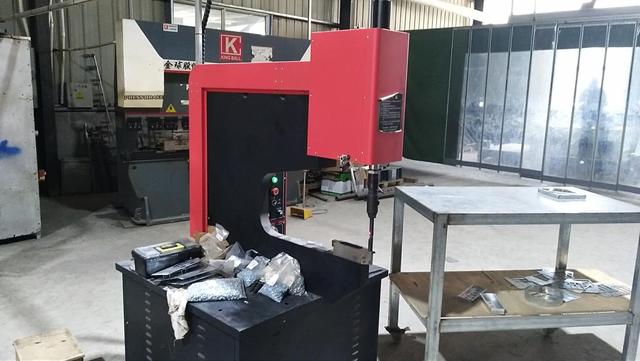
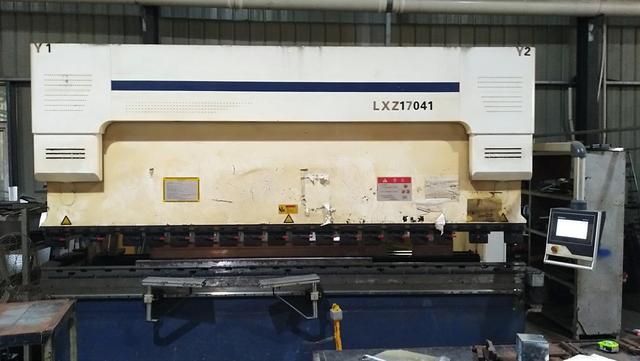
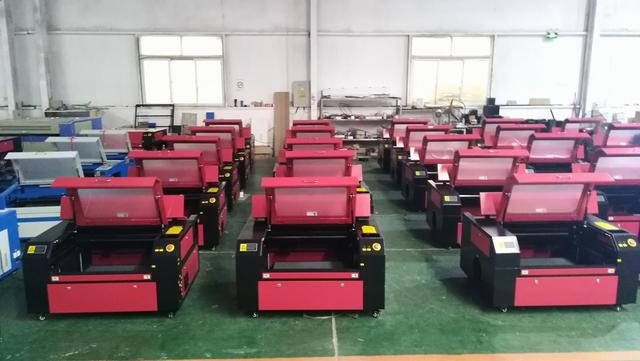
Equipped with advanced production facilities and rigorous quality management systems, Kinray Laser maintains strict quality control throughout every stage of manufacturing. Each machine undergoes comprehensive testing to ensure stable performance, reliability, and compliance with international standards.
To support global customers, we offer flexible OEM and ODM services for distributors, system integrators, equipment brands, and industrial manufacturers. Our experienced engineering team works closely with customers to develop customized laser solutions tailored to specific production requirements, automation needs, and industry applications.
Driven by technological innovation and customer satisfaction, Hangzhou Kinray Laser Co., Ltd. continues to expand its global presence and strives to become a trusted partner for intelligent laser processing solutions, helping manufacturers achieve smarter, more efficient, and sustainable production.
Critical verification and global trade compliance structures for supply managers and engineering procurement teams.
Systems configured for EU Directives and Russian Honest Sign (Chestny ZNAK) regulatory formats. Guaranteed serialization reliability on plastics, metals, and glass.
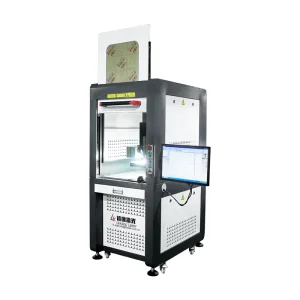
Class 1 enclosed systems ensure complete operator safety. Fully interlocked doors and built-in laser safety glass windows eliminate the need for extra PPE.
Custom software API interfaces facilitate seamless integration with existing MES and ERP networks, enabling automated production reporting.
Actionable answers to technical queries from procurement officers, engineering leaders, and distributors.
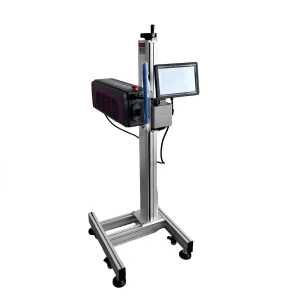
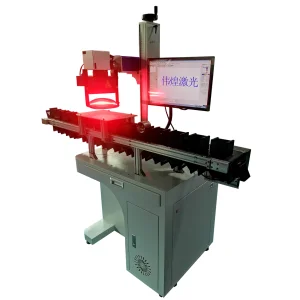
Explore our industrial range, including specialized workstations, inline flying markers, and handheld units.
 Kinray Laser