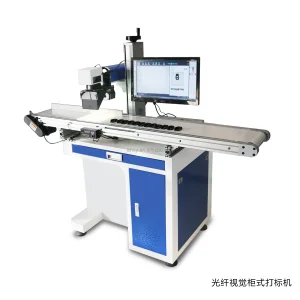
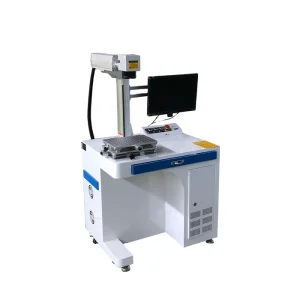
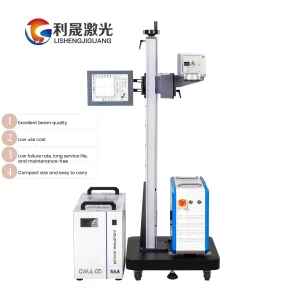
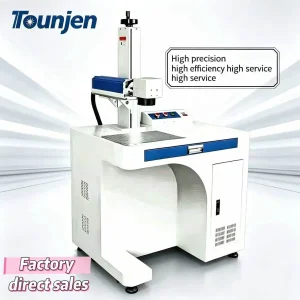
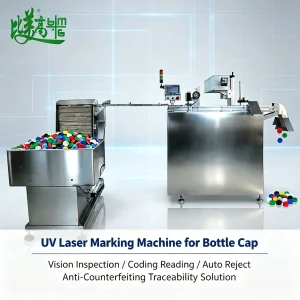
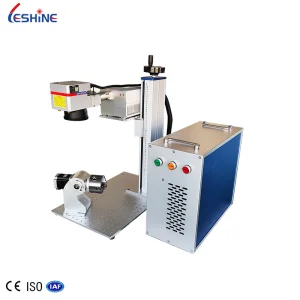
Top Trusted Laser Processing System Supplier & Suppliers

Precision-Engineered Industrial Laser Systems & Integrated Solutions for Global Aerospace, Medical, Automotive, and Electronics Production Lines

Pioneering the Next Era of Industrial Laser Systems

Expert manufacturing paradigms, materials engineering, and technological advancements from China's premier laser processing innovator.

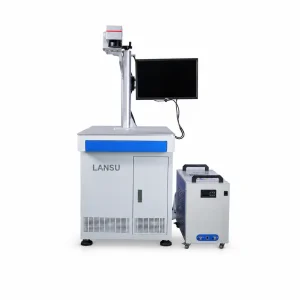
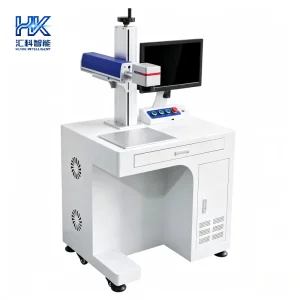
Hangzhou Kinray Laser Co., Ltd. stands as a premier global manufacturing pioneer and a recognized leader in China's industrial laser engineering sector. Over the past decade, the manufacturing world has shifted from simple mechanical engraving to highly sophisticated optical material processing. Kinray Laser has spearheaded this paradigm shift by developing and deploying industrial fiber, ultraviolet (UV), and CO2 laser marking, engraving, and coding systems engineered specifically for high-capacity, high-throughput manufacturing lines.

Our manufacturing facilities, located in Hangzhou, China, integrate all stages of research and development, optical calibration, system engineering, custom automation, and post-sales verification under one roof. We recognize that today's procurement leads aren't merely looking for machines; they require fully compliant, highly durable solutions that slot seamlessly into complex industrial topologies. Whether you are executing a high-speed bottling line operation requiring inline laser coding, or constructing a cleanroom environment for SMT (Surface Mount Technology) assembly marking, Kinray Laser designs the system to match your precise application requirements.

10+
Years R&D Experience
50+
Countries Serviced
100k+
Diodes Lifetime Hours
99.8%
Optical Alignment Precision

As a global laser processing system supplier, our expertise is built upon the fundamental understanding of material-laser interaction. Modern production schedules demand high operational reliability. Kinray systems are engineered around high-reliability optics, low jitter galvanometer (galvo) scanners, and ruggedized chassis. We serve major industrial sectors including automotive part identification, medical device packaging traceability, semiconductor markings, consumer electronics cosmetic engraving, and logistics coding.

Advanced Materials and Wavelength Engineering Matrix

Understanding optical science, wavelength selection, and thermal absorption patterns for industrial material processing.

Industrial laser processing relies heavily on matching the emission wavelength of the laser generator with the electromagnetic absorption profile of the substrate. An incorrect matching leads to material degradation, poor contrast, and excessive heat-affected zones (HAZ).

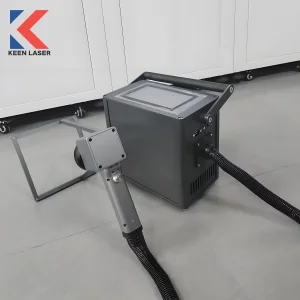
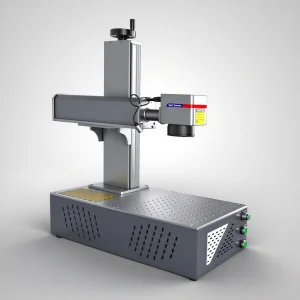
  • Fiber Lasers (1064nm Wavelength): Featuring a solid-state active optical fiber doped with rare-earth elements, these lasers are optimized for metal substrates (e.g., anodized aluminum, titanium alloys, carbon steels, copper) and hard polymers. Using either Q-switched or MOPA (Master Oscillator Power Amplifier) pulse duration tuning, fiber lasers allow users to execute high-contrast surface annealing without compromising the corrosion resistance of metal surfaces.
  • UV Lasers (355nm Wavelength): Known as "cold marking" systems, UV lasers utilize a third-harmonic generation process to transform infrared light into the ultraviolet range. The high photon energy breaks chemical bonds directly in the substrate instead of relying on thermal melting. This is highly suitable for high-density plastics, glass, micro-vias in PCBs, sapphire, and sensitive medical polymers where micro-cracking and thermal swelling are unacceptable.
  • CO2 Lasers (10,600nm Wavelength): Standard for organic materials, our CO2 lasers are driven by gas tubes that produce a wavelength ideal for wood, acrylic, polymers, glass, leather, paper, and paperboard packaging. It is highly optimized for flying coding applications in food and beverage lines.
Laser Source Type Wavelength Primary Substrates Processing Interaction Best Industrial Application
Fiber Laser (Q-Switched) 1064 nm Stainless Steel, Brass, Carbon Steel Photothermal Engraving, Deep Etching Heavy Machinery Parts, Tools, Valves
Fiber Laser (MOPA) 1064 nm (Variable Pulse) Anodized Aluminum, Stainless Steel Localized Heat Control, Color Annealing Consumer Electronics, Medical Implants
Ultraviolet (UV) Laser 355 nm Glass, PCB, Silicon, Medical Plastics Photochemical "Cold" Ablation Micro-Electronics, Cleanroom Medical Devices
Carbon Dioxide (CO2) 10,600 nm Wood, Acrylic, Leather, Glass, Cardboard Thermal Decomposition, Vaporization Food & Beverage Coding, Acrylic Fabrication

Leveraging the China Supply Chain & Hangzhou Engineering Advantage

How Kinray Laser optimizes production cost, component sourcing, and precision assembly for global scale.

Strategic Component Clusters

Kinray's production hub in Hangzhou is located in close proximity to the world's most advanced component manufacturing clusters, including high-stability laser source foundries (Raycus, JPT, Maxphotonics) and optical lens manufacturers, ensuring direct component tracing and accelerated cycle times.

Rigorous Quality Infrastructure

By combining highly automated, precision mechanical components with rigorous Chinese industrial testing protocols, we guarantee the structural and electrical stability of every cabinet, galvo frame, and motorized optical Z-axis before shipment.

Economies of Scale & Customization

Our mass customization model allows for cost-efficient engineering adjustments. We tailor specific IO configurations, software communication protocols, enclosure dimensions, and automated visual positioning systems without standard boutique system premiums.

Hangzhou is globally recognized as an incubator of technological transformation and advanced logistics. For global procurement specialists, buying from Kinray Laser means tapping into a streamlined manufacturing pipeline. Our upstream supply chains are deeply integrated with optical, mechanical, and electronic component specialists. This reduces lead times for complex, customized, and automated laser lines.

Furthermore, our manufacturing execution system (MES) tracks every system build step. We document every component serial number, optical alignment test result, electrical ground stability verification, and safety loop validation. This transparency is vital for modern quality assurance, allowing global customers to trace the reliability of their production equipment back to the exact calibration day.

Global Procurement Architecture & Integration Needs

Addressing Total Cost of Ownership (TCO), uptime requirements, and system integration strategies for engineering managers.

Evaluating an industrial laser system supplier requires a deep understanding of operational parameters that extend beyond the initial procurement cost. Production engineers, procurement managers, and systems integrators must calculate the Total Cost of Ownership (TCO) over the expected operational lifecycle of the equipment. Kinray Laser systems are specifically engineered to optimize these metrics through four fundamental pillars:

  1. Minimizing Consumable Overhead: Unlike traditional inkjet systems or mechanical dot-peen markers, fiber and UV lasers do not require continuous ink, ribbons, chemicals, or cutting tips. The primary input factor is basic electrical energy. This dramatically reduces ongoing cost per mark and eliminates cleanroom chemical handling protocols.
  2. Hardware Modularity & Serviceability: In the event of optical fiber decay or board component failure, Kinray units feature modular electronics bays. This allows factory maintenance personnel to swap power supplies, control cards, or laser sources without discarding the frame or mechanical components.
  3. Digital Factory Integration: Industrial 4.0 requires machines to communicate directly with SCADA systems, PLCs, and manufacturing databases. Our control software supports TCP/IP, RS232, and standard I/O communication interfaces, enabling automated serialization, barcode rendering, and dynamic code generation directly from database feeds.
  4. Thermal Management: In continuous three-shift operations, thermal build-up degrades laser diodes. Kinray systems are integrated with either premium forced-air heatsink modules or automated liquid cooling chillers, stabilizing internal cavity temperatures within ±0.5°C of nominal settings.

International Regulatory Compliance & Operational Safety

Adhering to strict FDA, CE, ISO, and IEC protocols for workplace safety and international export standards.

Laser safety is a non-negotiable operational standard in advanced manufacturing. Kinray Laser systems are built around stringent international safety and environmental regulations to ensure smooth regulatory clearance and workspace safety.

  • FDA CDRH & IEC 60825-1 Safety Classifications: We build both Class 1 (fully enclosed cabinets with safety-interlocked access doors and certified protective viewport glass) and Class 4 (OEM modules designed for integration within robotic work cells) systems. Global buyers are supplied with necessary CDRH Accession documentation and compliance certificates.
  • CE Machinery Directive & Electromagnetic Compatibility (EMC): All system enclosures feature proper electromagnetic shielding, integrated emergency stop loops, and dual-channel safety relays matching industrial safety ratings.
  • RoHS & WEEE Alignment: All components, solders, and coatings used during our assembly process strictly align with European RoHS guidelines, eliminating dangerous heavy metals from your manufacturing workspace.
  • Exhaust and Fume Mitigation: Laser processing produces microscopic particulates, especially when ablating polymers and anodized coatings. We partner with industrial fume extraction manufacturers to supply custom-integrated carbon and HEPA filtration units, safeguarding operators from hazardous airborne byproducts.

Real-World Application Scenarios

Case studies showcasing high-speed traceability, surface engineering, and quality verification in diverse industries.

SMT & PCB Traceability

Utilizing high-speed UV laser systems to place micro 2D DataMatrix codes directly onto solder masks. Integrated CCD cameras automatically verify code readability, linking the physical board to internal quality databases.

Automotive Part Coding

Deploying high-power fiber laser markers inside active machining cells. The lasers apply deep, heat-resistant VIN and serial codes to cast iron blocks and high-pressure die-cast aluminum transmission housings.

Medical Device UDI Marking

Marking surgical-grade stainless steel with MOPA lasers to generate deep black, passivated surface oxide markings. This process prevents biological contamination and ensures permanent legibility after hundreds of autoclave sterilization cycles.

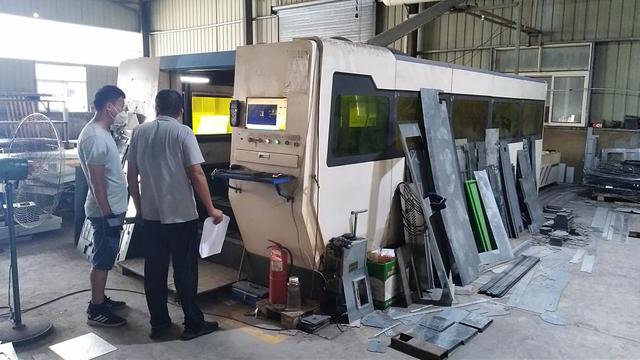
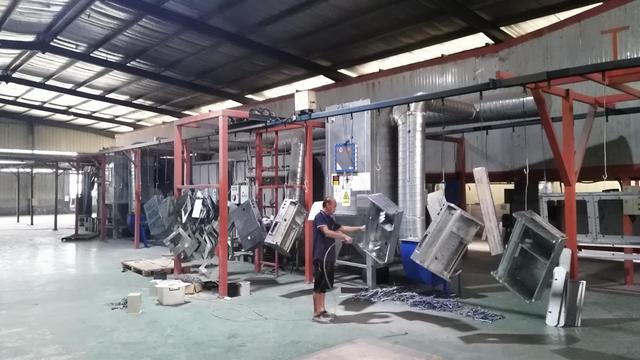
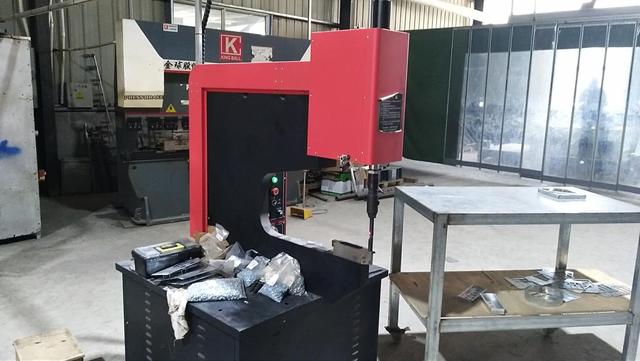
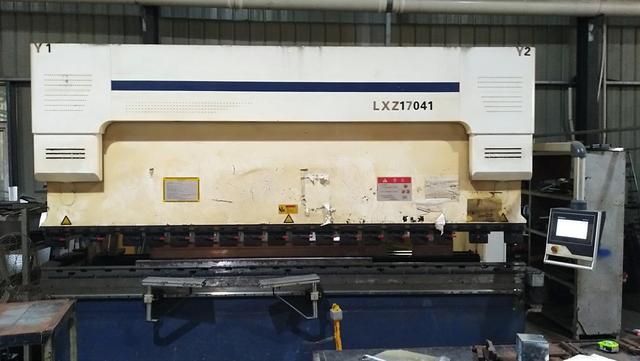
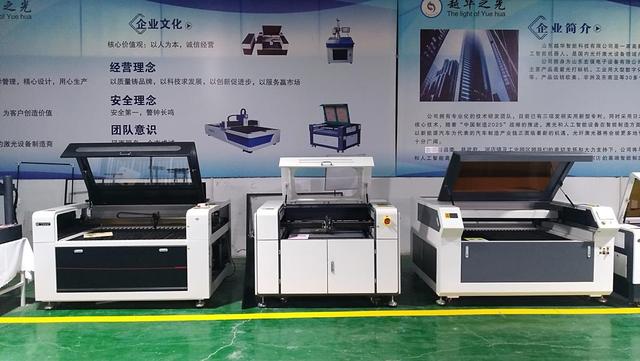
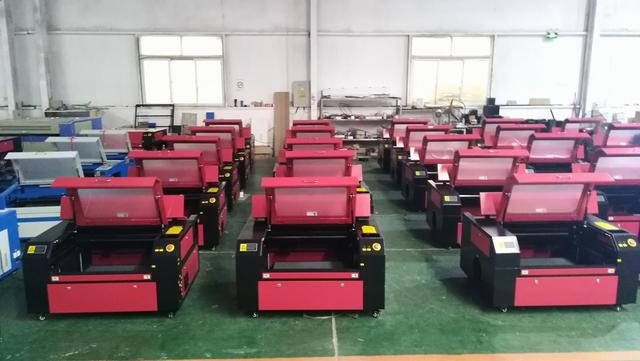
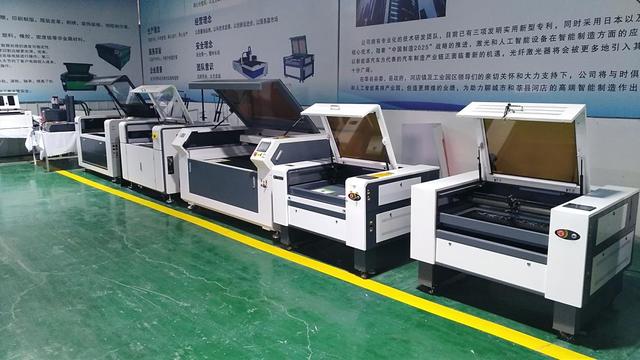
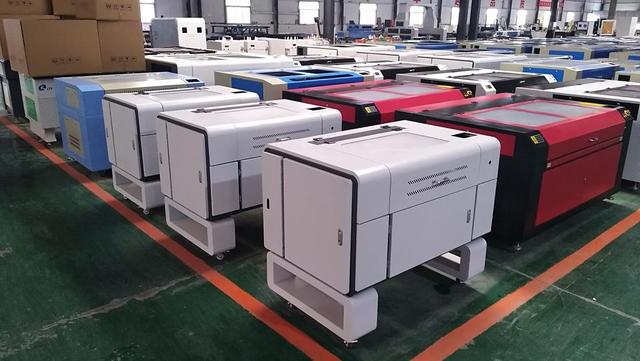
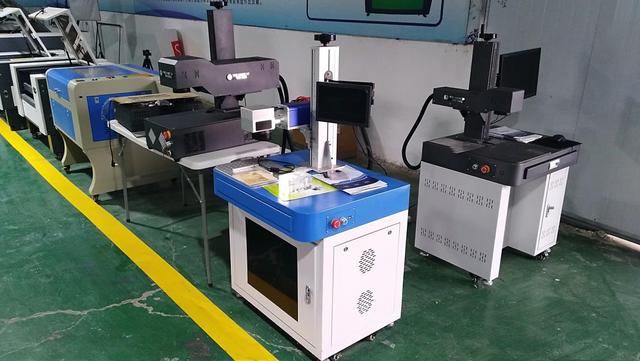
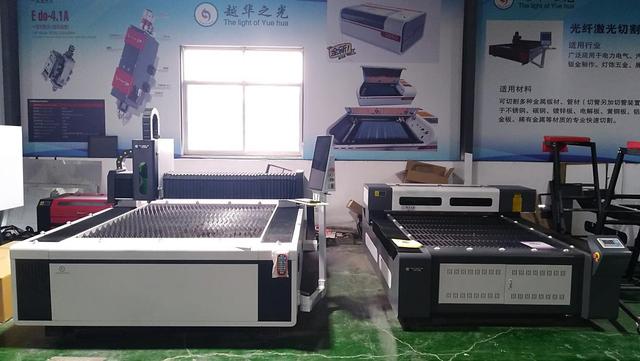
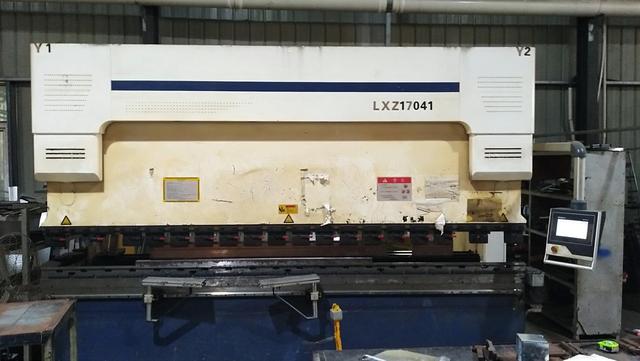
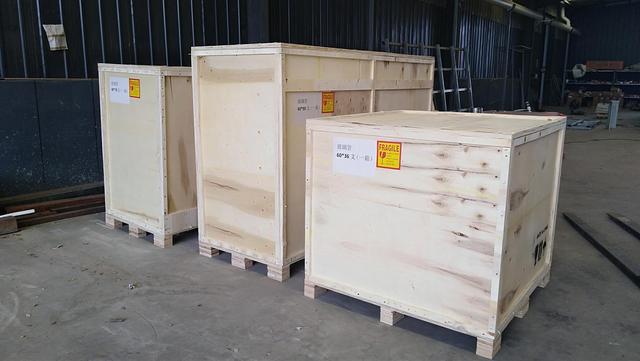
Advanced Manufacturing & Optical Metrology Laboratory

Inside our state-of-the-art production floors, cleanrooms, and testing facilities in Hangzhou, China.
Expert Knowledge Base & Technical FAQ

Direct answers from our senior optical and mechanical design engineers on selection, integration, and safety.

Q1: What is the core difference between a Q-switched Fiber Laser and a MOPA Fiber Laser?
A Q-switched fiber laser has a fixed pulse duration (typically 100ns to 120ns) and is highly efficient for general metal engraving and deep ablation. In contrast, a MOPA (Master Oscillator Power Amplifier) fiber laser offers adjustable pulse durations (ranging from 1ns to 500ns). This adjustment allows for precise control over heat accumulation, making MOPA systems excellent for color marking on stainless steel, dark engraving on anodized aluminum, and clean marking on sensitive plastics.
Q2: Why is a UV Laser preferred for medical device marking and PCB processing?
UV lasers operate at a 355nm wavelength, utilizing photochemical processing often referred to as "cold marking." Unlike fiber or CO2 systems that rely on localized heat to melt or ablate a substrate, UV photons possess enough energy to break molecular bonds directly. This minimizes the heat-affected zone (HAZ), prevents micro-fractures in glass or ceramics, and avoids structural swelling in delicate medical polymers.
Q3: How do we integrate your flying laser systems into an existing automated PLC line?
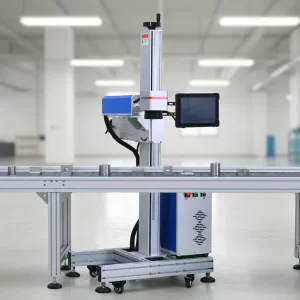
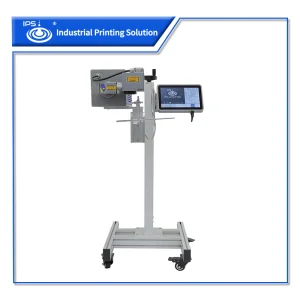
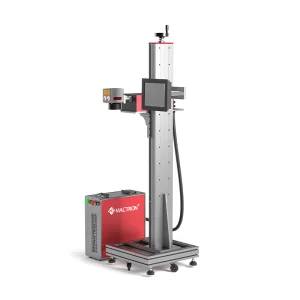
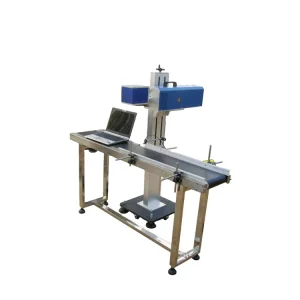
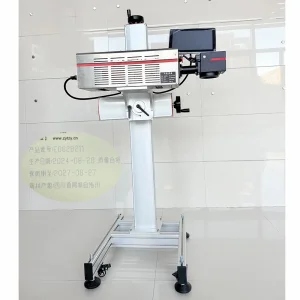
Our online flying laser marking systems are designed for high-speed automated integration. We provide standard industrial inputs/outputs (I/O) to connect with PLCs (e.g., Siemens, Rockwell, Omron). Additionally, we support Modbus, TCP/IP, and RS-232 serial communication protocols, allowing your line controllers to send variable string data, trigger marks, and monitor error status programmatically.
Q4: What compliance standards do Kinray Laser systems meet for North American and European imports?
All Kinray Laser systems are built in compliance with international industrial safety and electrical standards. This includes CE Machinery Directive alignment, CE EMC compliance for high-frequency operations, FDA CDRH registration with certified Accession numbers for US importation, and IEC 60825-1 optical safety integration.
Q5: Can CO2 laser systems mark metals, or are they limited strictly to organics?
A standard CO2 laser (10,600nm) is optimized for organic materials such as wood, paper, acrylic, glass, and leather. Under normal conditions, metals reflect this wavelength. However, metals can be marked with a CO2 laser if they are coated with a specialized ceramic spray prior to marking, which fuses to the metal under the laser's heat. For direct metal marking, we strongly recommend our Fiber Laser systems.
Q6: How long is the expected operational lifespan of a fiber laser source?
Under proper environmental conditions and routine dust maintenance, premium fiber laser diodes (such as those from Raycus or JPT integrated into Kinray systems) have an expected operational lifetime of up to 100,000 hours. This equates to over 10 years of continuous single-shift operations with minimal optical power decay.