Engineered for high-volume Swedish industrial packaging, bottling, and assembly environments.
Empowering Swedish manufacturing with precision coding, green automation, and absolute compliance.
Sweden stands at the global forefront of high-precision manufacturing, industrial automation, and deep sustainability frameworks. Driven by leading sectors such as the automotive industry (represented by major players like Volvo Cars, Volvo Group, and Scania), advanced aerospace (Saab Group), life sciences, and Sweden's highly sophisticated sustainable packaging and food sectors (anchored by companies aligned with Tetra Pak's global production ecosystems), the demand for high-end engineering components has shifted dramatically towards permanent, contactless, and zero-chemical marking solutions. The historical reliance on industrial inkjet printer technology is rapidly giving way to high-reliability, zero-consumable integrated laser marking system designs that comply with Sweden’s strict fossil-free production initiatives.
In accordance with Swedish environmental legislation and the overarching European Green Deal, industrial factories operating in regions like Gothenburg, Stockholm, Malmö, and Linköping are mandated to minimize chemical footprints, reduce VOC emissions, and optimize material recyclability. The implementation of high-performance fiber, UV, and CO2 integrated laser markers fulfills these strict mandates by bypassing chemical solvents, inks, and clean-up fluids entirely. Furthermore, Swedish manufacturers face rigorous regulatory demands concerning component traceability. Whether marking unique identifiers on medical instrumentation, etching complex 2D data-matrix codes on aerospace components, or engraving structural safety marks on high-strength automotive steel, the integrity of the mark must survive extreme physical stress and environmental exposure. For this reason, Kinray Laser delivers customized industrial laser solutions configured specifically for the Nordic regulatory landscape, integrating machinery safety standard SS-EN ISO 12100 and CE directives as baseline engineering requirements.
Developing the future of laser material processing through integration, robotics, and intelligent verification.
To understand the competitive edge of Kinray Laser systems within Sweden's high-tech manufacturing corridors, it is vital to analyze the technical roadmap governing modern optical coding machinery. The design philosophy of our systems centers on modular flexibility, allowing seamless communication with automated production cells. Using fieldbus protocols such as PROFINET, EtherCAT, and OPC UA, our integrated systems coordinate directly with Siemens and Beckhoff PLCs, as well as robotic control systems like ABB IRC5 or OmniCore, which are standard in Sweden's factories.
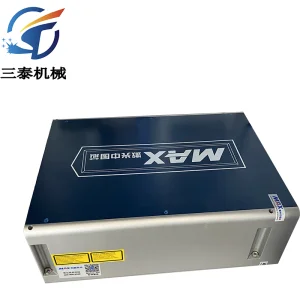
Utilizing high-stability UV (355 nm) and MOPA (variable pulse width) fiber laser engines to perform "cold marking." This prevents thermal deformation in medical-grade plastics, polymers, and sensitive silicon wafers, maintaining molecular structural integrity.
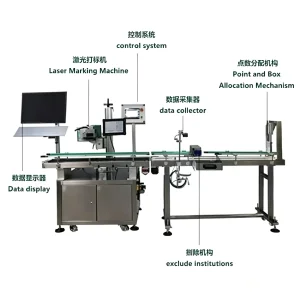
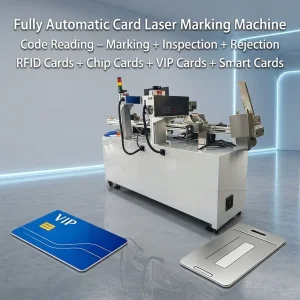
Integrating high-resolution industrial cameras directly in-line with the laser galvo head. The system automatically verifies the readability of 2D data-matrix codes, barcodes, and text, executing dynamic rejection of unreadable parts without slowing cycle times.
Ready for Industry 4.0 data exchange. Each system logs coding metadata, laser state diagnostics, and verification history, enabling complete traceability back to ERP databases and enabling predictive maintenance scheduling.
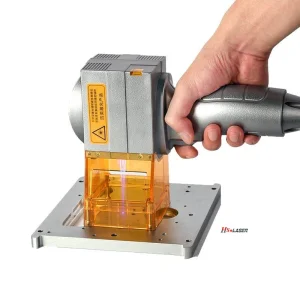
Our technical direction focuses heavily on optimizing the beam quality factor (M² < 1.3), which guarantees extremely fine spot diameters. In applications like marking electronic packaging or marking surgical tooling, a smaller focal spot delivers unmatched legibility and contrast. For metals such as stainless steel, aluminum, titanium, and carbon steels, our customizable MOPA fiber lasers permit fine adjustment of pulse duration (ranging from 2 ns to 500 ns) and frequency. This adaptability allows engineers to alternate between high-speed material ablation, surface annealing (creating clean, oxide-free dark markings), and high-contrast engraving, all on a single production station.
Bridging custom mechanical engineering with advanced optics to resolve modern production challenges.
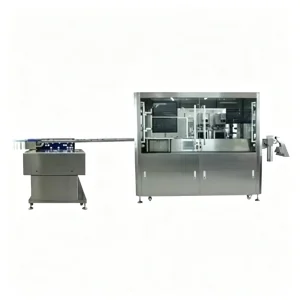
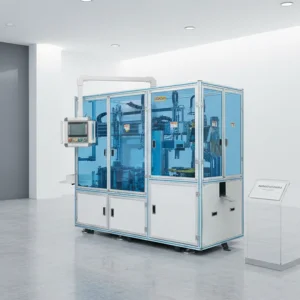
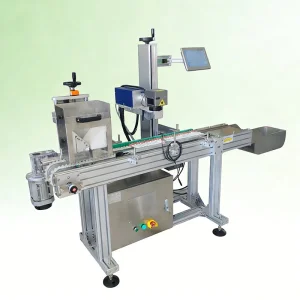
Providing a superior marking solution requires more than just mounting a laser source on a static stand. Modern automated manufacturing requires complete material handling systems designed to match target line speeds. Kinray Laser engineers custom product handling systems, feeding systems, and vision verification enclosures designed for plug-and-play installation in existing lines.
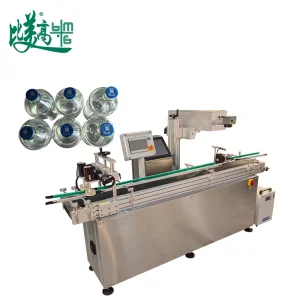
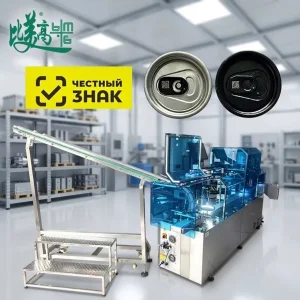
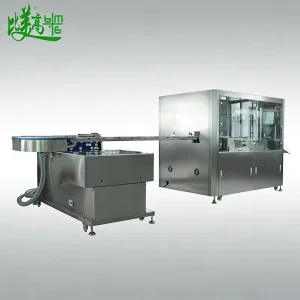
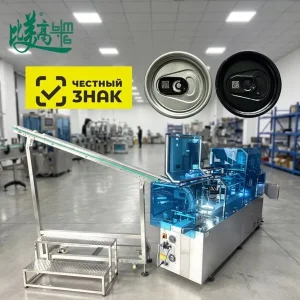
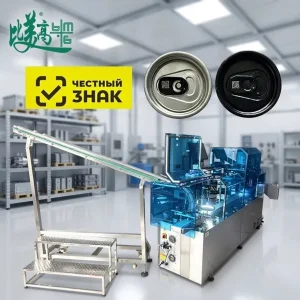
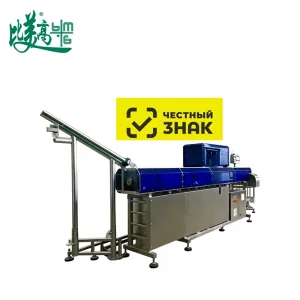
For example, in high-capacity beverage and dairy packaging plants throughout Sweden, production lines run continuously at high speeds. Our integrated cap coding systems implement high-performance rotary indexing tables, continuous-flow vibratory bowls, and inline singulation conveyors. These systems handle thousands of caps or cans per minute, aligning them, applying the laser code, validating it with a smart camera, and rejecting defective items without stopping the flow. In automotive components, we combine multi-axis Cartesian gantries and robotic pick-and-place modules to mark heavy steel assemblies, ensuring consistent laser focal distances regardless of complex 3D surface variations.
Ensuring operational safety under EU machinery directives and providing reliable remote support.
Industrial machinery exports to Sweden must meet rigorous safety requirements. Our systems are engineered in strict compliance with the European Union's Machinery Directive 2006/42/EC, EMC Directive 2014/30/EU, and Low Voltage Directive 2014/35/EU. Every enclosed workstation is certified as a Class 1 Laser Product, utilizing certified laser safety glass and safety interlock switches connected to safety relays (complying with EN ISO 13849-1 Performance Level d or e).
To support our Swedish clients, Kinray Laser offers comprehensive remote setup support, digital commissioning, and partnerships with local automation system integrators. Our engineers provide remote diagnostics, PLC programming assistance, and CAD layout designs during the engineering phase, ensuring smooth physical and digital integration. Our standard warranty packages, technical documentation, and spare parts supply chains ensure high operational availability and minimized downtime for Swedish manufacturers.
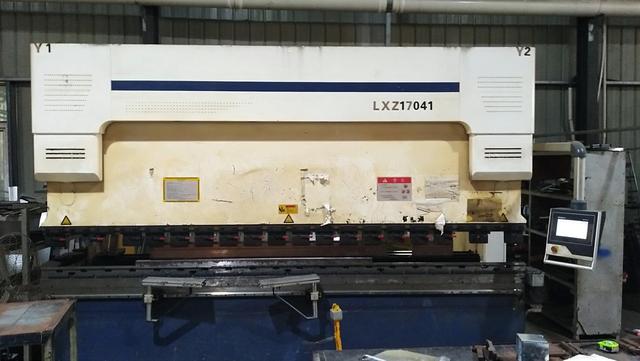
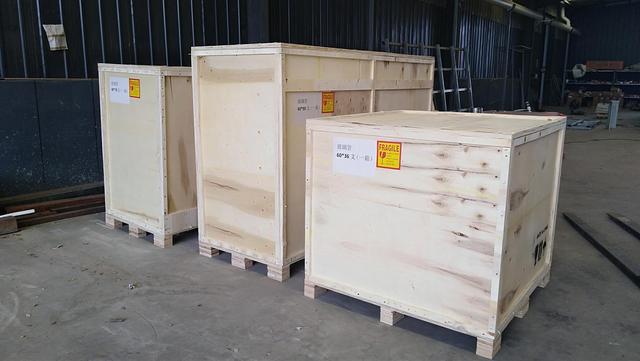
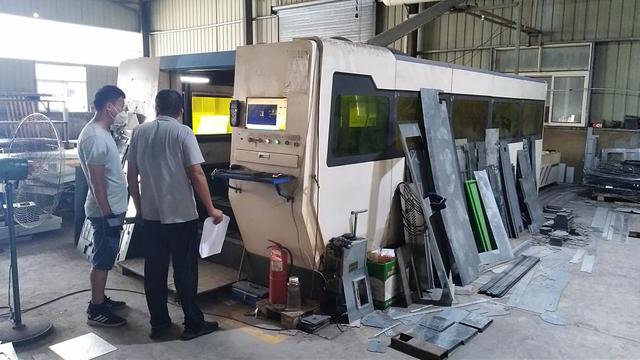
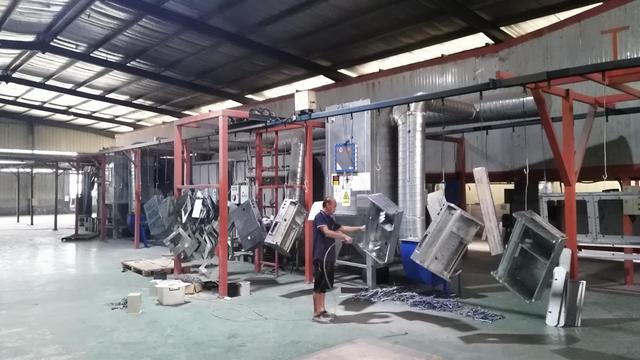
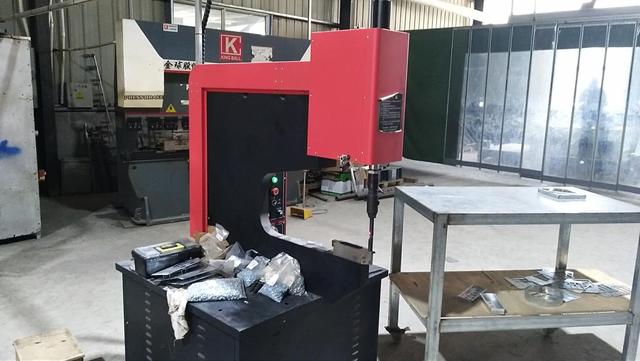
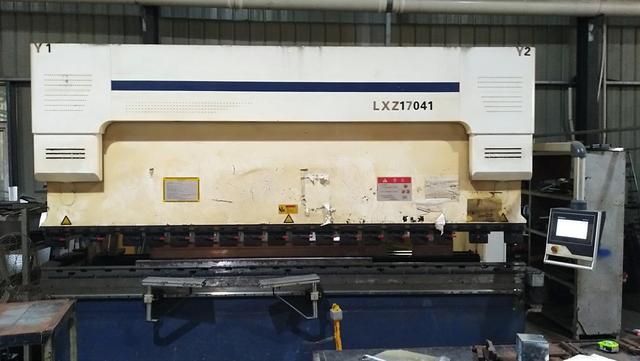
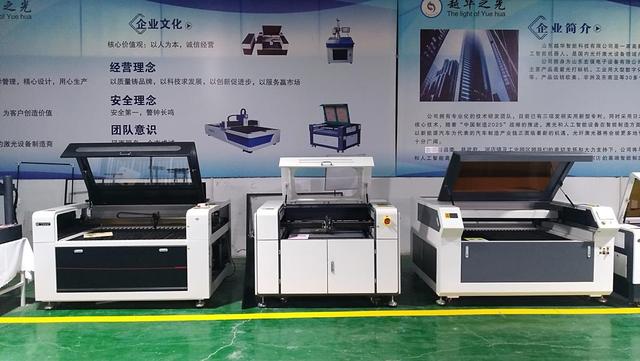
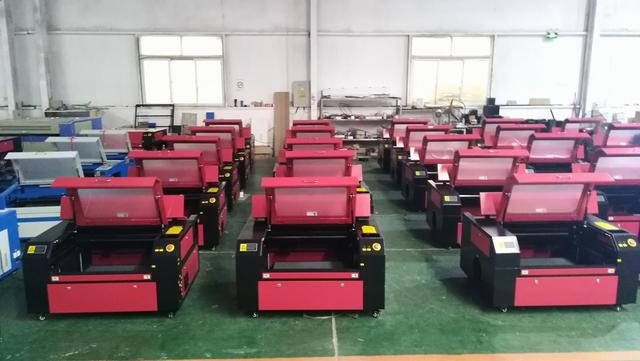
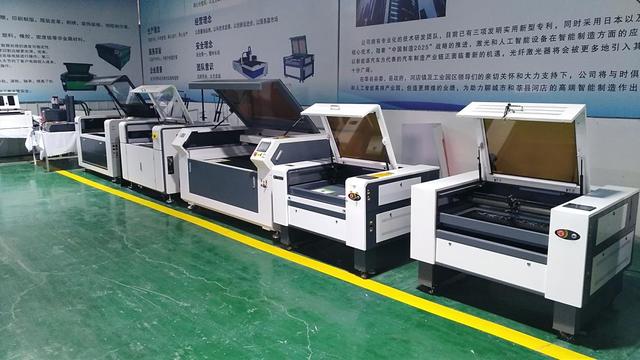
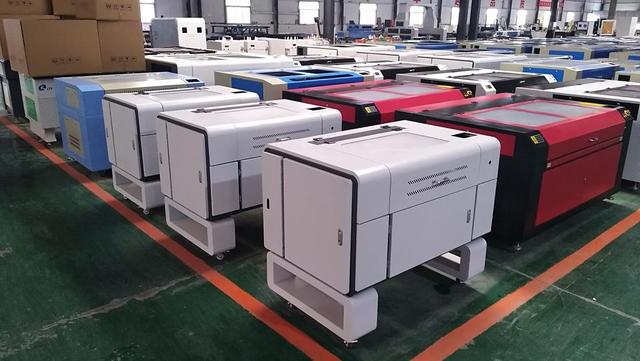
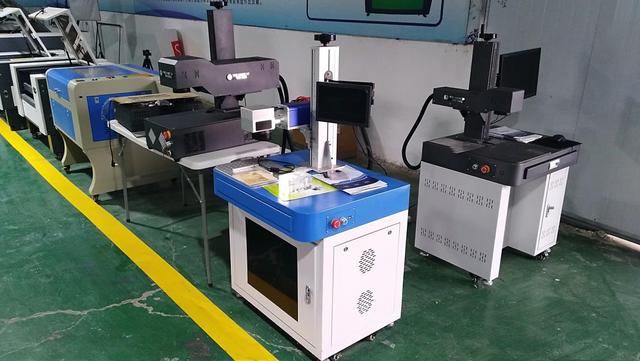
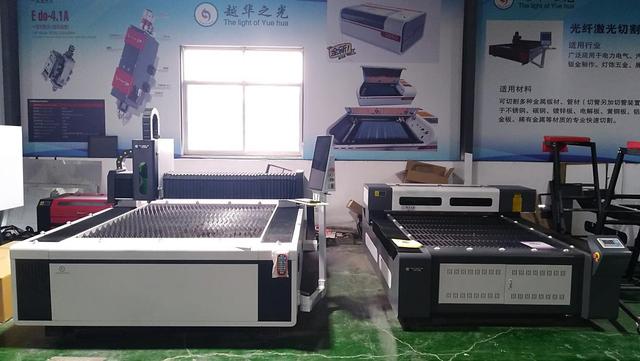
A look inside our Hangzhou production facilities, showing how we combine cost-efficiency with high-end manufacturing quality.
Hangzhou Kinray Laser Co., Ltd. operates a modern industrial production facility in Hangzhou, China. Our operation integrates design, research and development, components testing, and final quality control within a structured workflow. By utilizing local supply chains for precision components, we offer cost-effective pricing while maintaining high component standards (using optics, galvo scanners, and lasers from top global suppliers).
Our quality management is certified to ISO 9001:2015. Every laser marking system undergoes a rigorous 48-hour continuous burn-in and reliability test under varied thermal loads. This ensures our machines operate reliably in high-speed, high-demand environments. Our strong supply chain allows us to offer shorter production lead times, giving Swedish distributors, system integrators, and industrial manufacturers a reliable partner for standard and custom laser solutions.
Explore our complete range of high-precision fiber, UV, ultrafast, and custom-configured laser solutions.


Addressing engineering, integration, and procurement requirements for the Swedish market.
The main benefits include lower operational costs, reduced environmental impact, and improved quality. Laser marking is chemical-free and uses no consumables (such as inks or solvents), aligning with Sweden's sustainability standards. Additionally, laser marks are permanent and resistant to wear, heat, and chemicals, ensuring long-term readability.
Our integrated systems support standard industrial fieldbus interfaces, including PROFINET, EtherCAT, and Modbus TCP. This enables direct communication with common automation hardware (such as Siemens, Beckhoff, or ABB controllers) for fast data exchange, dynamic code triggering, and remote status monitoring.
All systems exported to Sweden and the wider EU comply with relevant CE directives, including the Machinery Directive (2006/42/EC) and electromagnetic compatibility standards. Enclosed models are designed to meet Class 1 safety requirements, incorporating interlocked housings and certified protective glass to protect operators during production.
For plastic materials, organic polymers, and sensitive medical instruments, UV lasers (355 nm wavelength) are typically recommended. They perform "cold marking" by using photochemical reaction processes instead of thermal ablation. This prevents heat damage, discoloration, and structural degradation on the material surface.
We maintain quality controls certified to ISO 9001 standards, including a 48-hour continuous burn-in and calibration process before shipment. For clients in Sweden, we provide remote programming assistance, commissioning support, and supply parts through optimized transport channels to ensure reliable service.
 Kinray Laser