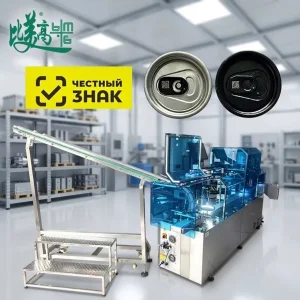
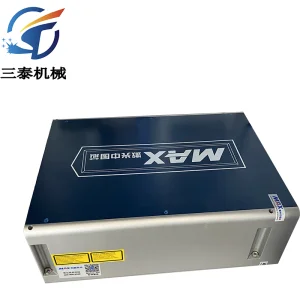
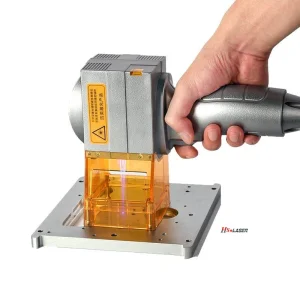
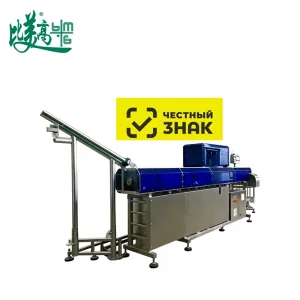
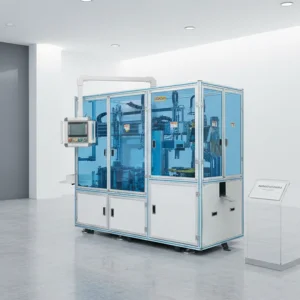
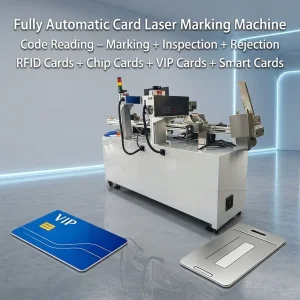
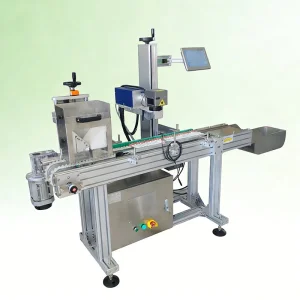
Explore our premium integrated setups engineered for high-volume manufacturing environments, combining ultra-fast laser marking heads with built-in vision inspection modules.
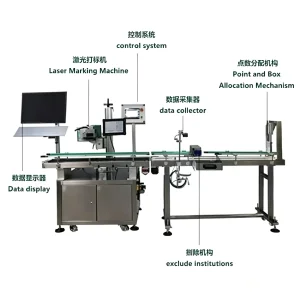
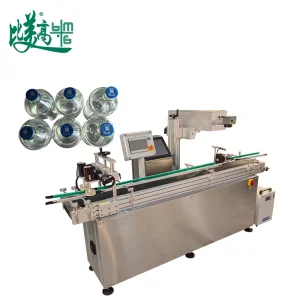
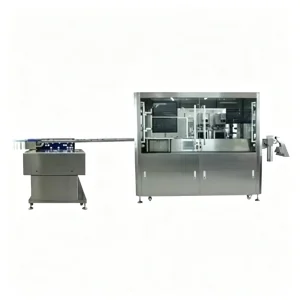
As the United Kingdom accelerates its shift toward Industry 4.0, the demand for precision, speed, and seamless database integration on production floors has reached a critical peak. Gone are the days of standalone, manually operated marking stations. Modern factories in key industrial zones—such as the Midlands, the North West, and Scotland—require robust, fully integrated laser marking systems that talk directly to Manufacturing Execution Systems (MES) and Enterprise Resource Planning (ERP) networks.
From compliance with UKCA (UK Conformity Assessed) standards to meeting strict GS1 serialization rules for pharmaceuticals and food packaging, integrated solutions eliminate the possibility of human error. By combining fiber, CO2, or UV laser sources with automatic singulation feeders, high-resolution cameras, and pneumatic reject gates, modern manufacturers achieve flawless trace-ability without sacrificing line speed.
"Traceability is no longer a downstream QA checkbox; it is an integrated, real-time mechanism of smart manufacturing. Integrated laser marking systems provide the physical-to-digital link essential for modern product lifecycle management."
We analyze the modern industrial ecosystems of the UK and global markets to align our laser configurations with real-world requirements.
Manufacturing in the UK operates under highly regulated regimes. Following the UK's departure from the European Union, the transition from the CE mark to the UKCA mark has made it imperative for imported machinery to satisfy British Standards (such as BS EN ISO 12100 for safety of machinery and BS EN 60825-1 for laser product safety). Our integrated systems are developed with Class 1 laser enclosures, safety interlocks, and dual-channel safety relays to ensure they are ready for immediate deployment in UK facilities without requiring expensive local retrofits.
Additionally, the UK Packaging Tax and rising environmental expectations require marking processes that emit zero volatile organic compounds (VOCs) and require no hazardous inks or solvents. Our fiber and UV lasers offer a cleaner, permanent, and more eco-friendly alternative to traditional Continuous Inkjet (CIJ) printers, significantly lowering total cost of ownership (TCO) for local manufacturers.
Marking a code onto a substrate is only half the battle. If a laser lens gets dusty or a product line runs slightly out of focus, codes can degrade. In high-speed canning and packaging lines across the UK, an unreadable code can cause whole batches to be rejected by major supermarkets like Tesco, Sainsbury’s, or Marks & Spencer, resulting in massive fines. By integrating inline Optical Character Recognition (OCR) and Optical Character Verification (OCV) cameras directly into our laser chassis, our systems read and verify every single code in milliseconds. If an unreadable code is detected, the system signals the pneumatic rejection mechanism to remove the item instantly, guaranteeing 100% data integrity.
For UK buyers, procurement decisions balance capital expenditure (CAPEX) with long-term technological reliability. Sourcing integrated laser systems from our specialized facility in Hangzhou, China, provides distinct market advantages:
By pairing Chinese supply chain agility and speed with European safety regulations and localized remote support, we provide an optimized package that maximizes ROI for UK companies.
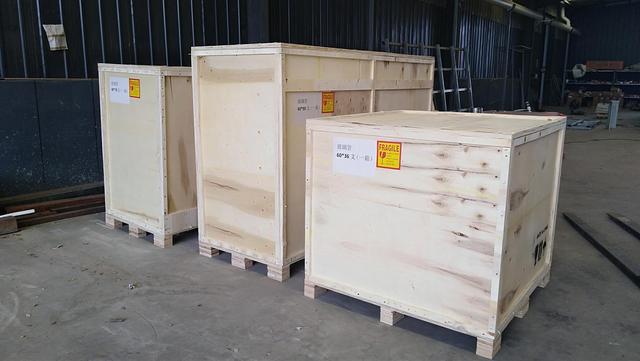
A leading China industrial laser marking machine manufacturer specializing in advanced fiber and UV laser solutions for global manufacturing industries.
Hangzhou Kinray Laser Co., Ltd. is dedicated to innovation, precision, and intelligent manufacturing. We are committed to delivering high-performance laser equipment that improves production efficiency, product traceability, and marking quality. Located in Hangzhou, China, our company integrates research and development, manufacturing, sales, and technical support to provide comprehensive laser processing solutions for customers worldwide.
Our extensive product portfolio includes fiber laser marking machines, UV laser marking machines, CO2 laser marking systems, MOPA laser markers, flying laser marking systems, 3D laser marking equipment, and customized automated laser solutions. Designed for high-speed, high-precision, and permanent marking applications, our systems process a wide range of materials, including metals, plastics, ceramics, glass, and composite materials.
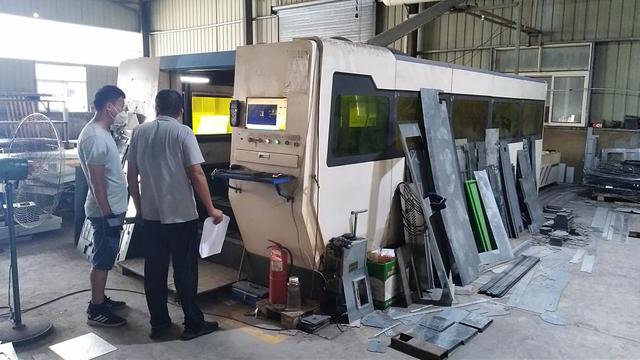
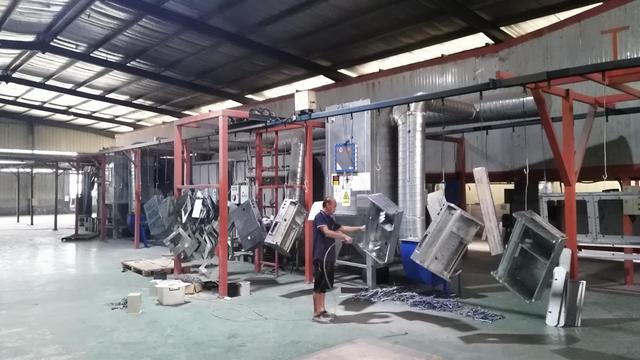
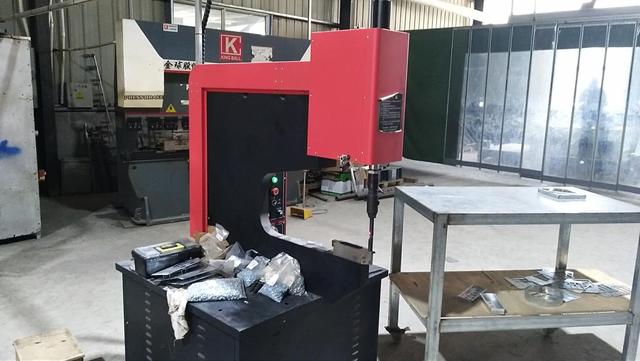
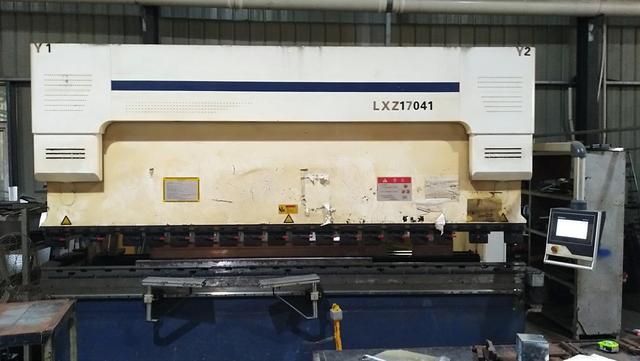
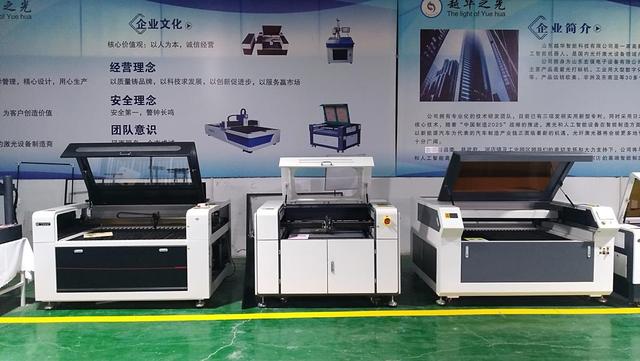
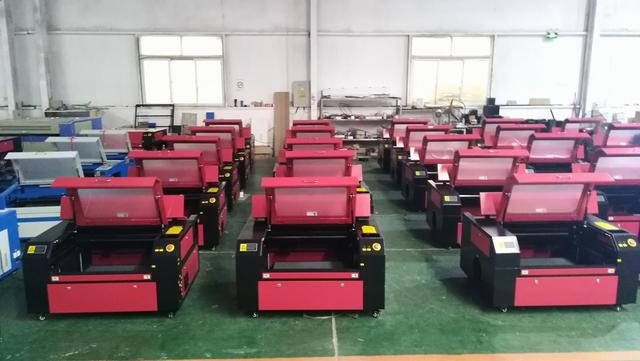
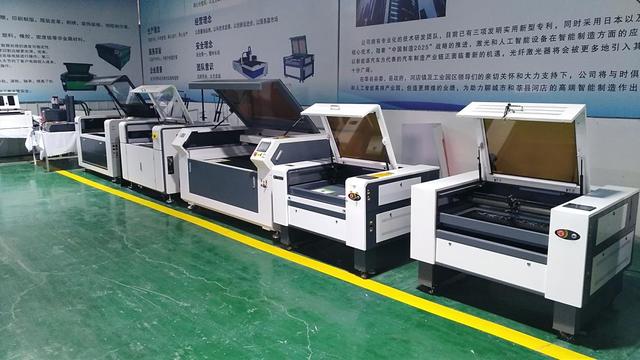
Each machine undergoes comprehensive testing to ensure stable performance, reliability, and compliance with international standards. We invite you to take a look inside our modern manufacturing facility:
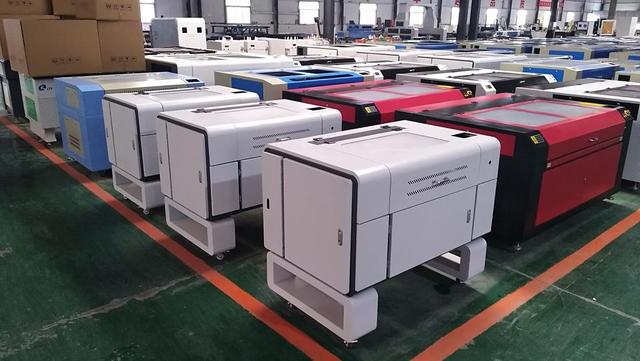
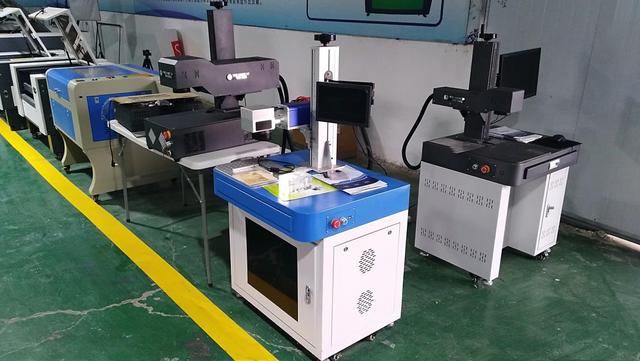
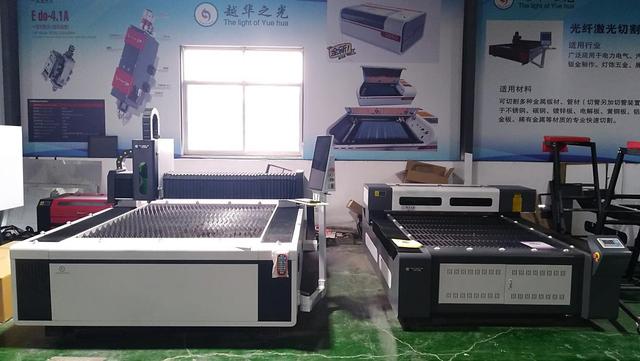
Standard and custom-engineered systems designed to meet diverse labeling, etching, and verification tasks in the UK market.
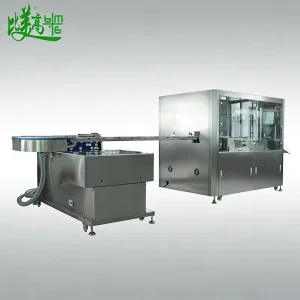
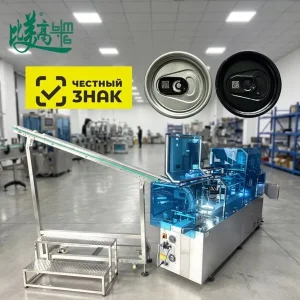
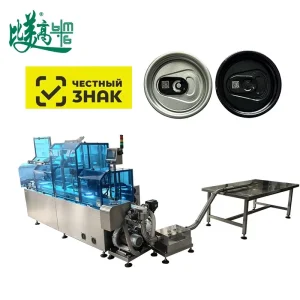
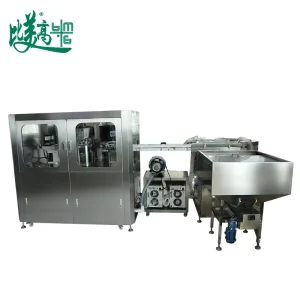
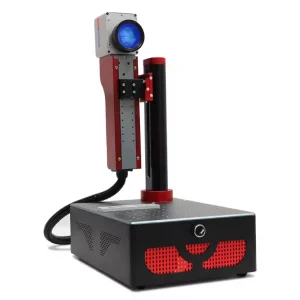
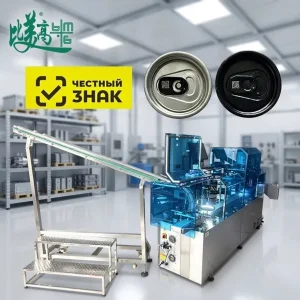
Scotland’s historic distilleries require permanent marking on both glass and aluminum caps. However, maintaining the brand’s visual aesthetic is paramount. Standard inkjet prints smudge, peel, and detract from high-end packaging. Our UV Laser Marking Integrated Systems solve this by delivering high-contrast, permanent "cold-marking" on bottle caps and glass. Since UV lasers use photochemical reactions rather than heat, they eliminate the risk of micro-cracking the glass, ensuring the bottle's structural integrity is kept intact while delivering crisp codes that prevent counterfeiting.
With major UK automotive manufacturing hubs accelerating the transition to electric vehicles (EVs), traceability of cells and mechanical brackets has become a safety requirement. Our high-power 20W to 50W Fiber Laser Marking Systems are integrated into assembly lines to etch permanent DataMatrix codes onto aluminum battery casings, steel gears, and electronic sensors. These codes endure structural stress, high temperatures, and chemical exposure, ensuring lifetime compliance with ISO 9001 and automotive standards.
FMCG manufacturers in the UK face strict regulations regarding allergen labeling, batch tracking, and expiry dates. Using our high-speed UV laser systems coupled with rotary feeder conveyors, bottle caps are marked on-the-fly at rates exceeding 800 parts per minute. An integrated smart vision sensor captures the mark, performs character verification, and triggers an automated compressed-air blow-off nozzle if the print does not meet pre-programmed contrast levels.
Common questions from UK engineers and global procurement managers regarding integrated laser marking technologies.
Contact our specialist engineering team today for technical advice, custom CAD line layouts, and official quotes for your UK-based facility.
 Kinray Laser